
Carnival, Capital and Cerrado: Six Days Through the Heart of Brazil
3–8 March 2025 · Rio de Janeiro, Brasília, Chapada dos Veadeiros, Salto Corumbá, Pirenópolis, Goiás Velho, Goiânia, Florianópolis · Regions: Brazil
After a whole year without South America, it was time to go back. The plan for March 2025: a few days in Brazil, then the last South American territory still missing from my Travelers' Century Club list, Chile's Juan Fernández Islands, and from there across the Pacific to Australia. For the twelve-hour flight from Frankfurt to Rio I chose LATAM over TAP and ITA, partly because I would fly with them again two weeks later on the fifteen-hour crossing of the Pacific. It turned out to be quite bearable.
Brazil itself was not new to me, so I used the days for places I had never seen: Brasília, the Cerrado of the Chapada dos Veadeiros and two old gold-mining towns in Goiás, with Carnival in Rio at the start and the island of Florianópolis at the end.
Carnival in Rio
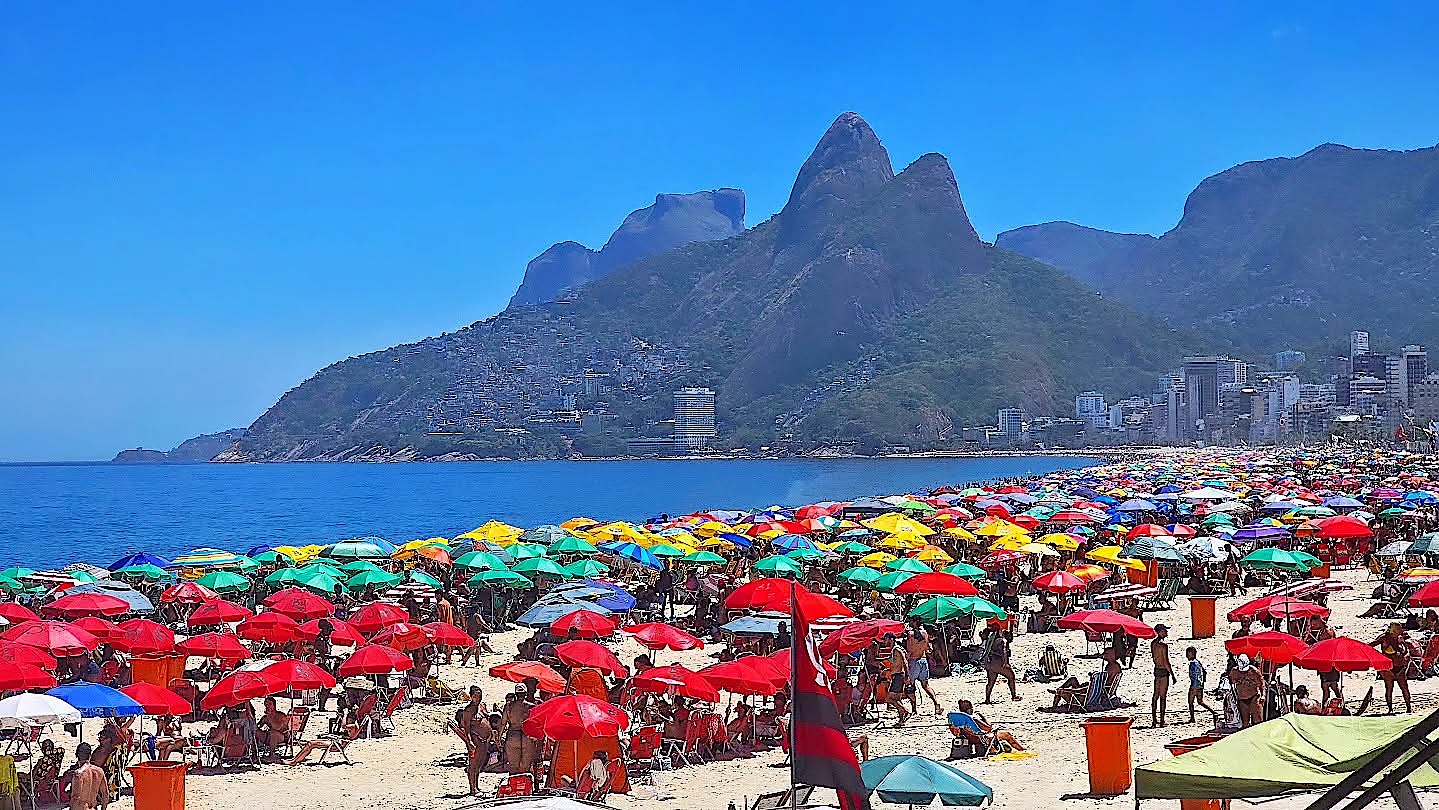
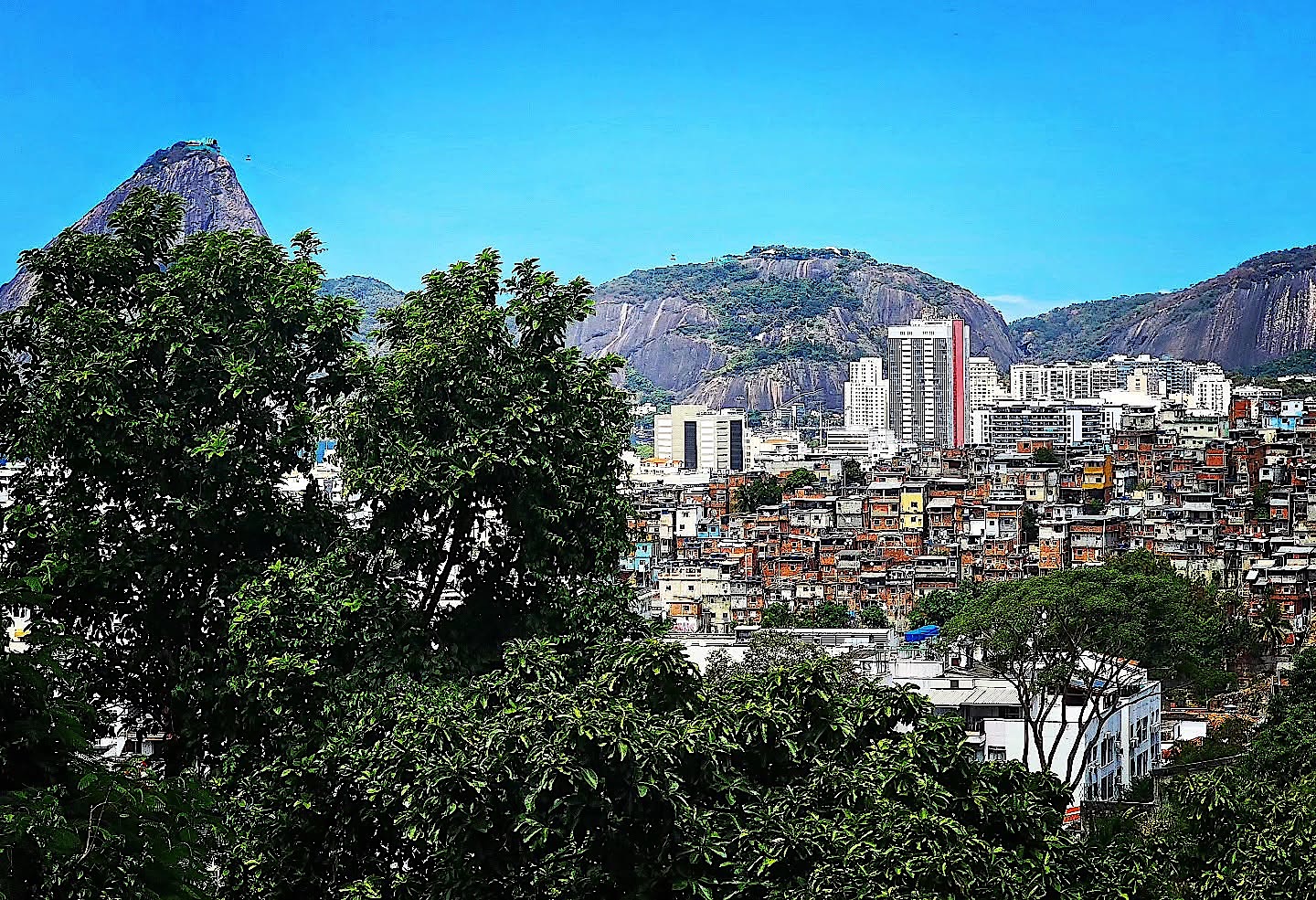
I arrived in Carnival week, when Rio's hotels are even more overpriced than usual. My first morning greeted me with the classic view: Ipanema beach packed with umbrellas and the twin peaks of Dois Irmãos at its western end.
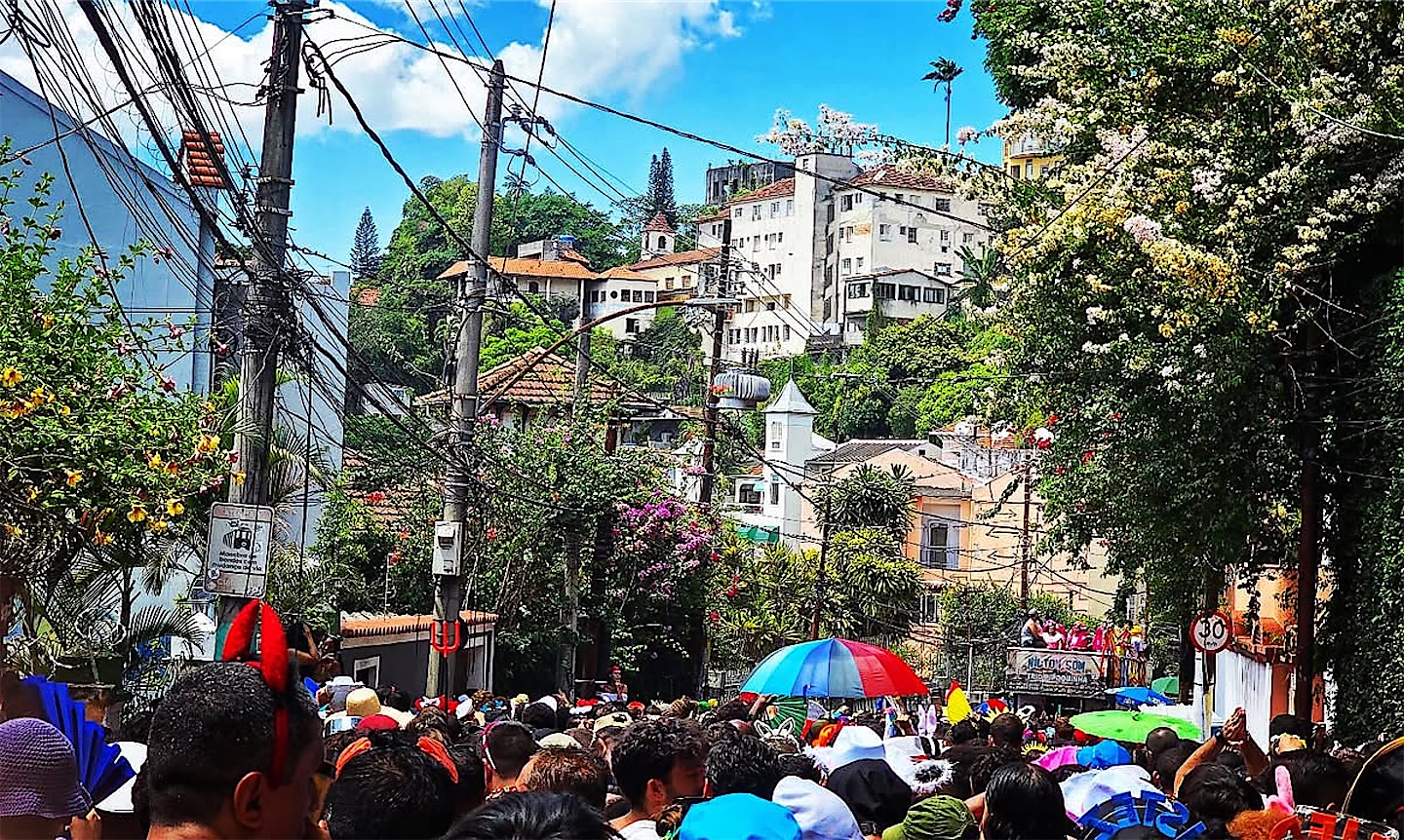
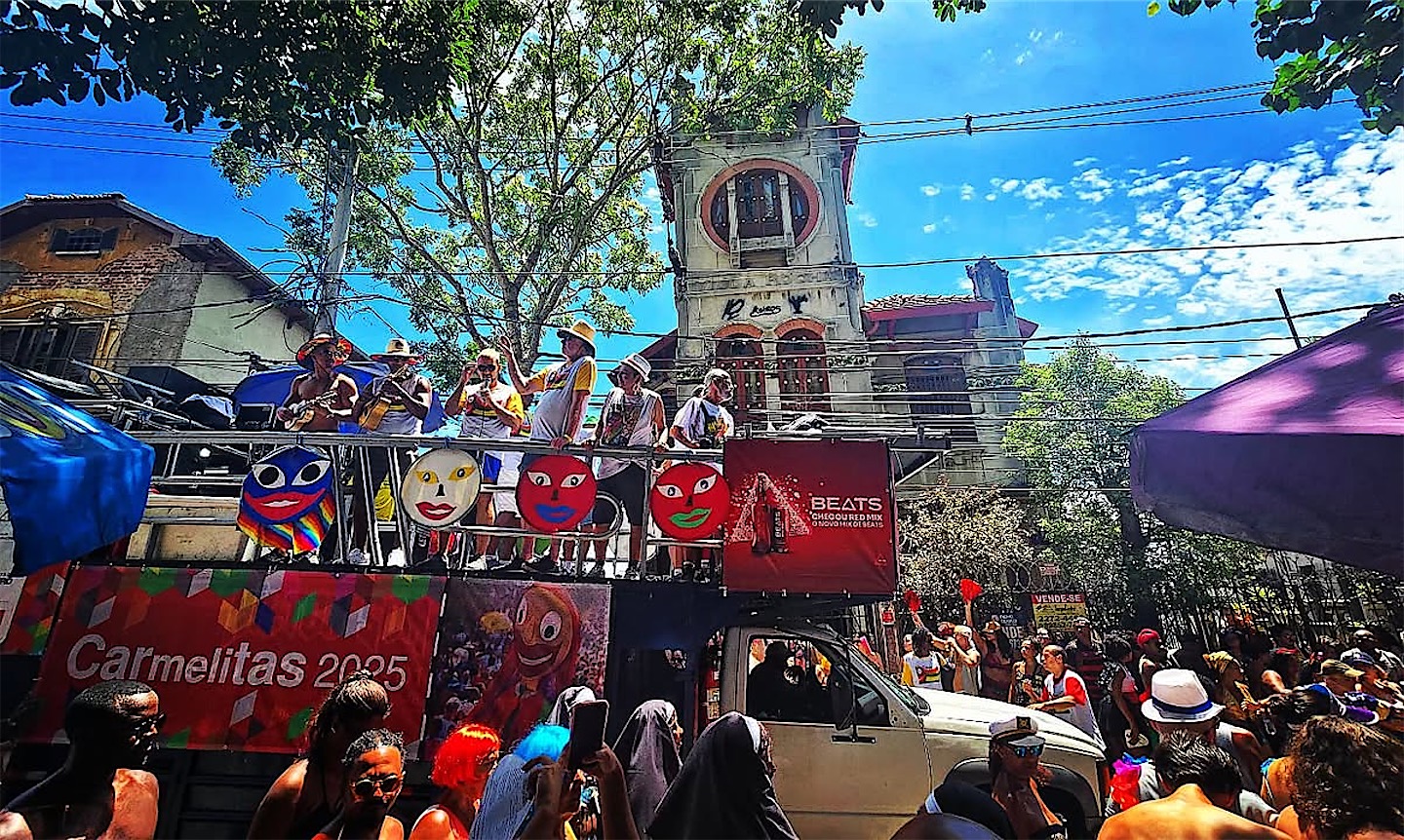
What justified the hotel bill was the Carmelitas, one of the best-known street parties of Rio's Carnival. A huge crowd squeezed through the steep, leafy lanes of Santa Teresa behind a truck with a band on its roof, and plenty of people wore nuns' veils.
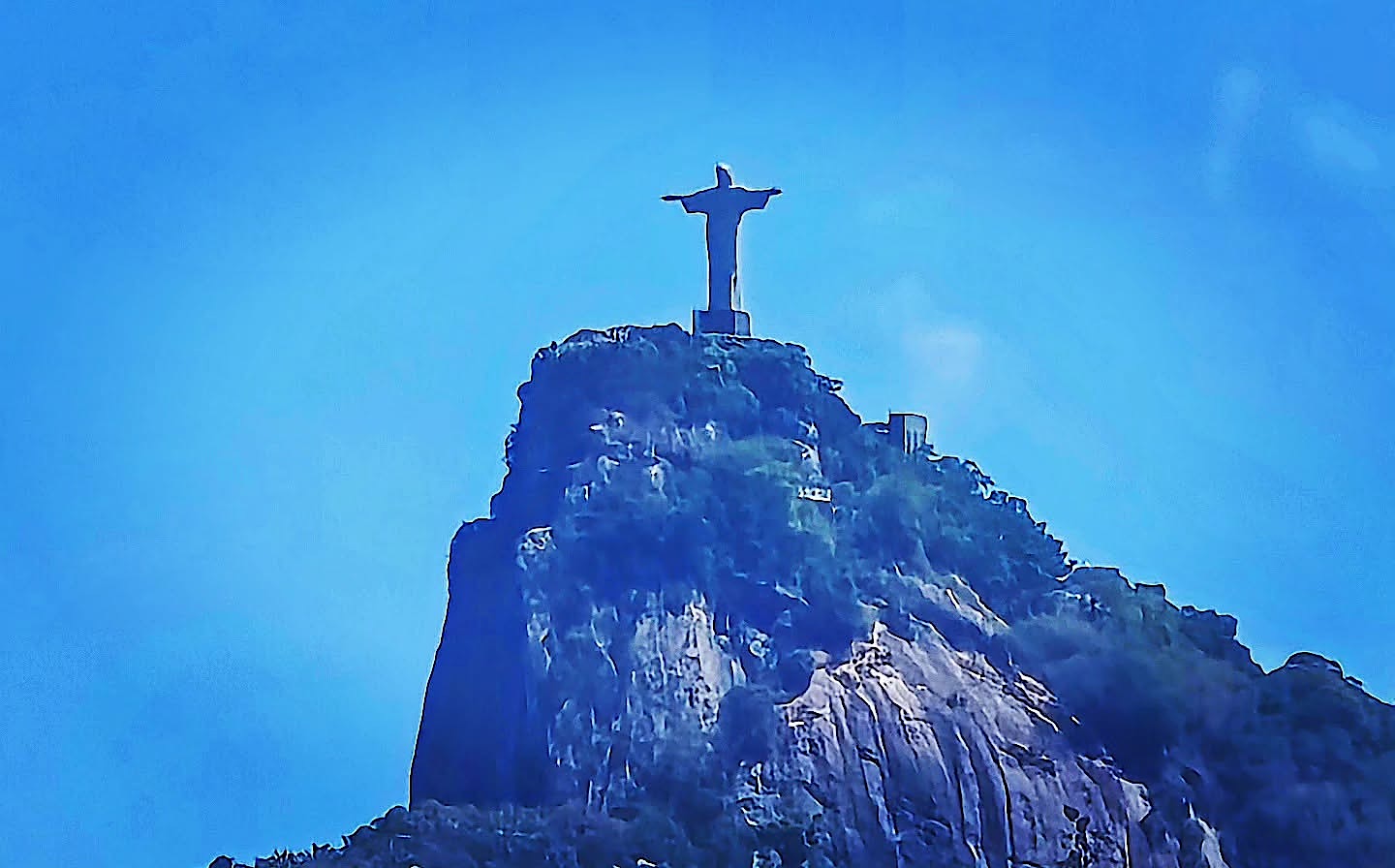
It was a short visit, but I met quite a few people, and it is always good to be back in Rio. Santos Dumont, the city airport on Guanabara Bay, sent me off with a last view of Christ the Redeemer on Corcovado.
Brasília, my last capital in the Americas
Somehow I had never been to the Brazilian capital. It was the last capital of the Americas missing from my list, and with Canberra coming up later that month, only 14 national capitals in the world would remain, almost all of them in Africa and Asia. An afternoon and evening tour showed me a city that is well worth a visit, dominated by unusual architecture and a huge artificial lake.
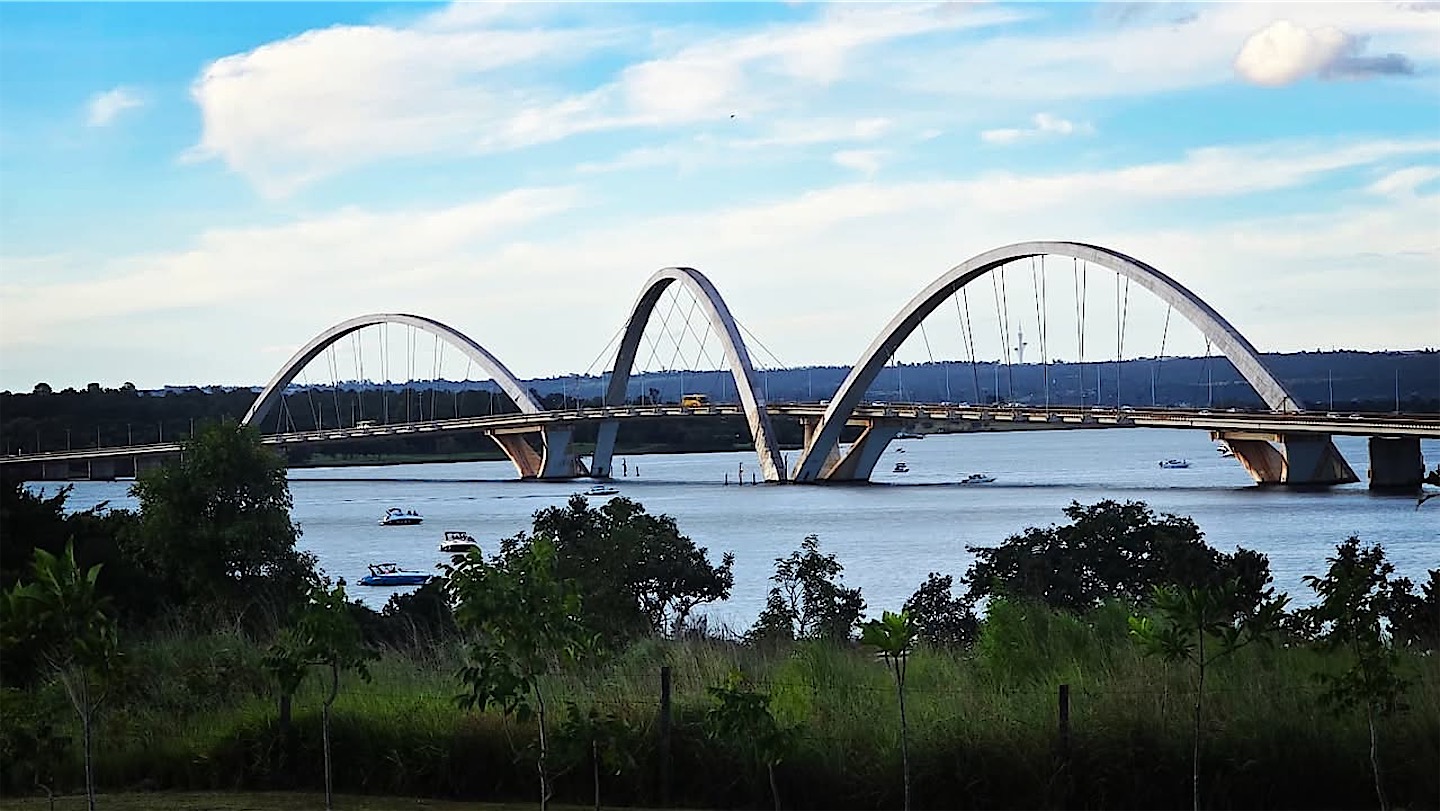
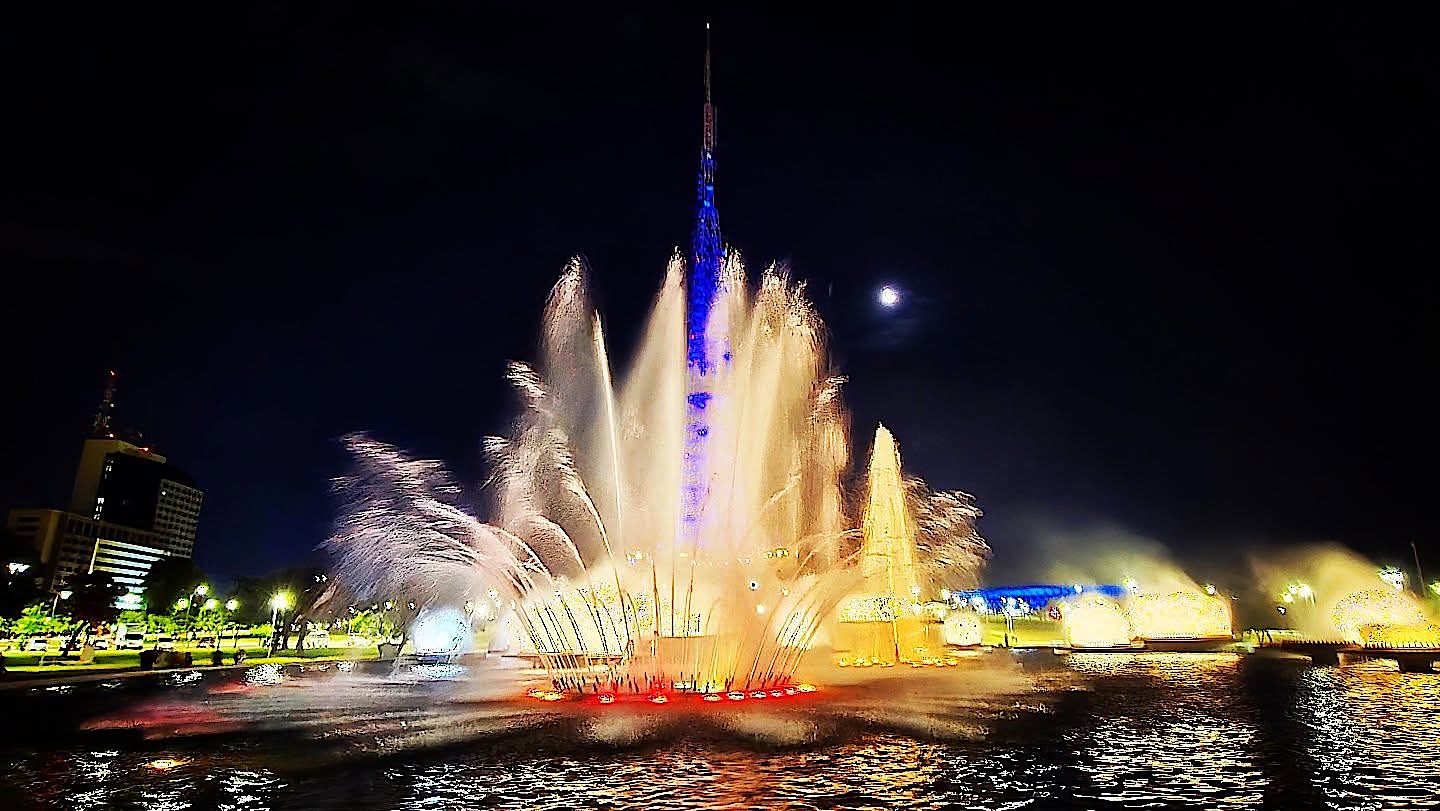
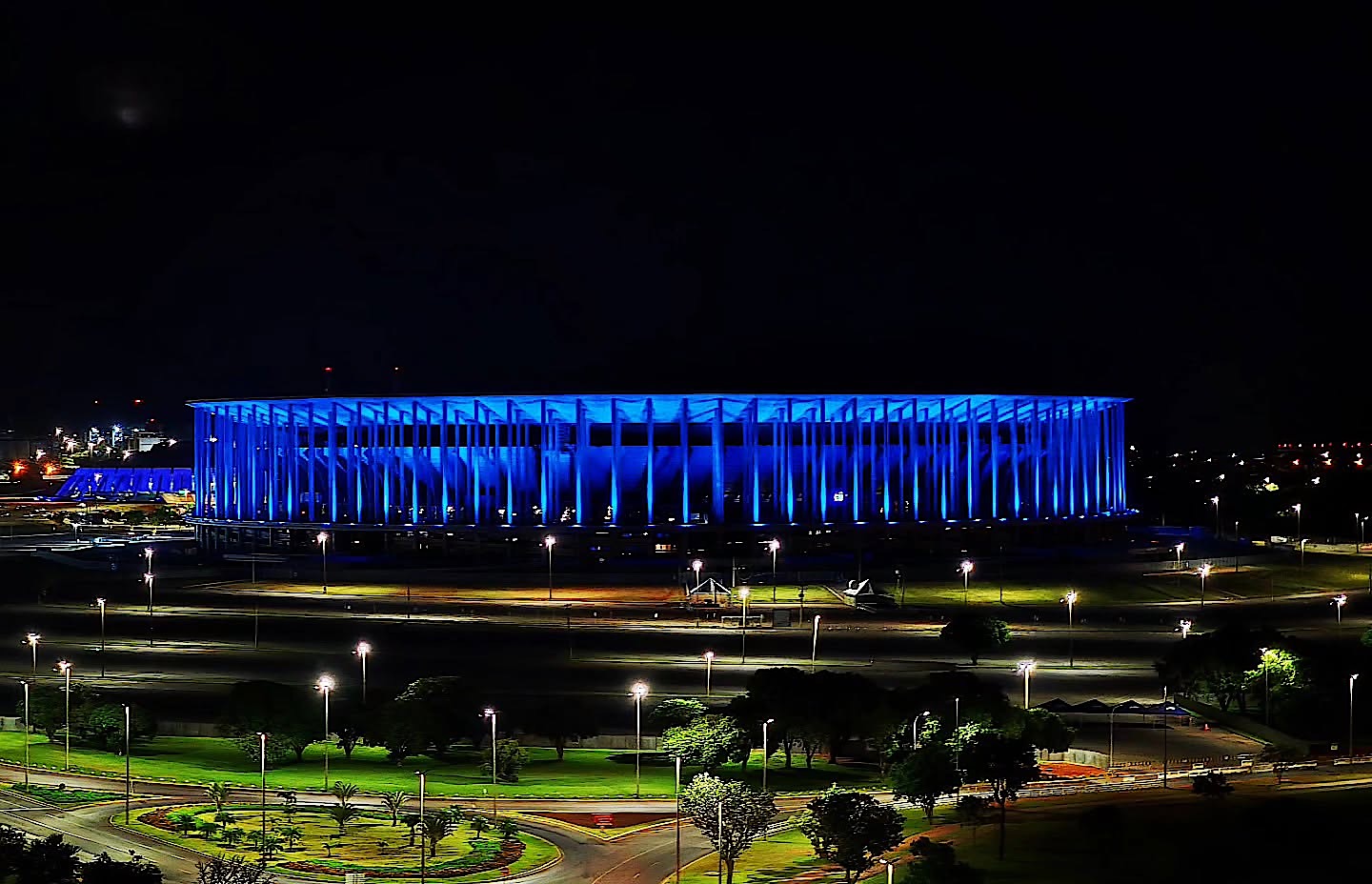
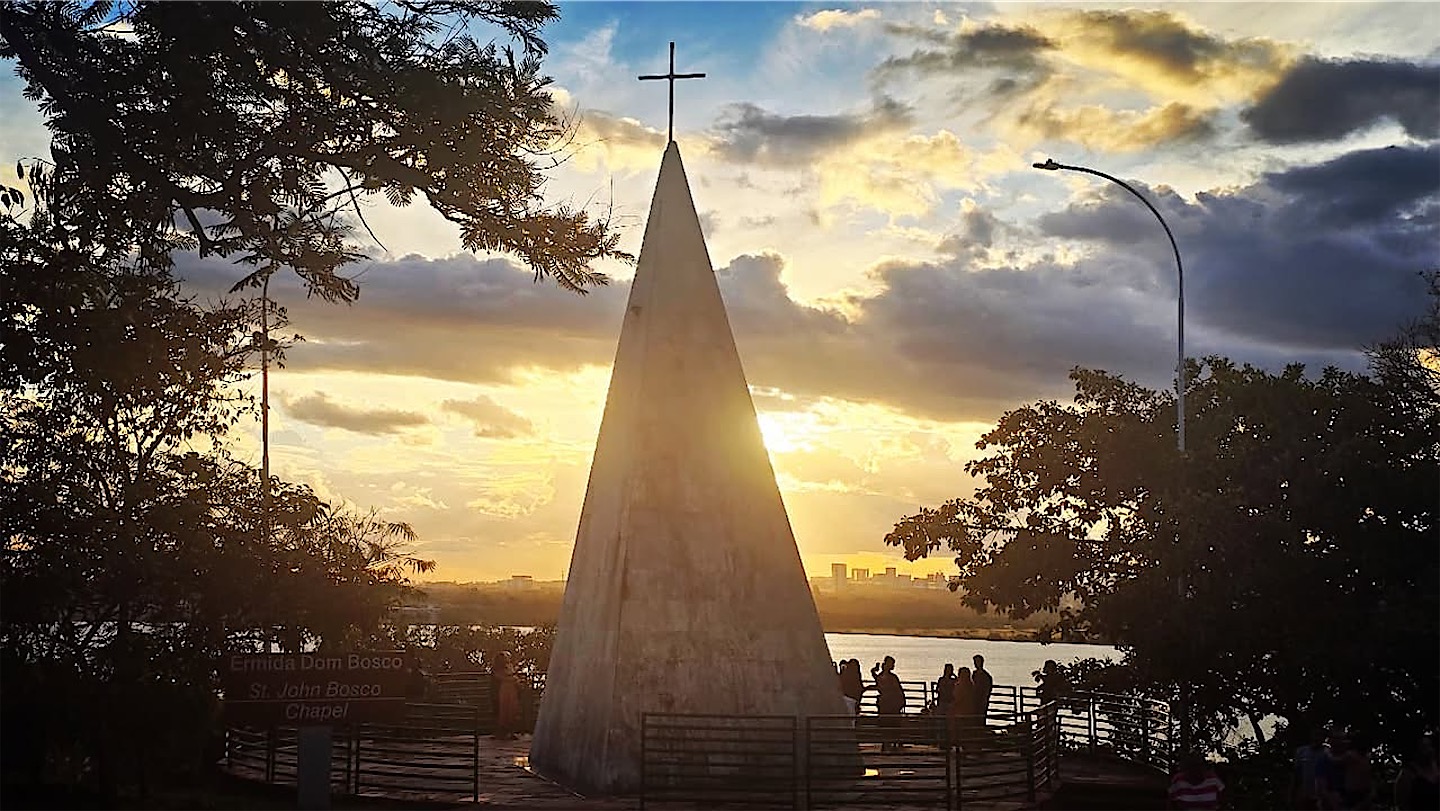
The JK Bridge, with three steel arches skipping across the water, is named after Juscelino Kubitschek, the president who had the city built. After dark, the fountain at the TV Tower and the national stadium, a venue of the 2014 World Cup, were lit up. For sunset I went to the Ermida Dom Bosco, a small pyramid-shaped chapel on the lake shore. It honours the Italian priest John Bosco, whose 19th-century dream of a land of riches in the South American interior became part of Brasília's founding story.
Through soybean country to the Chapada dos Veadeiros
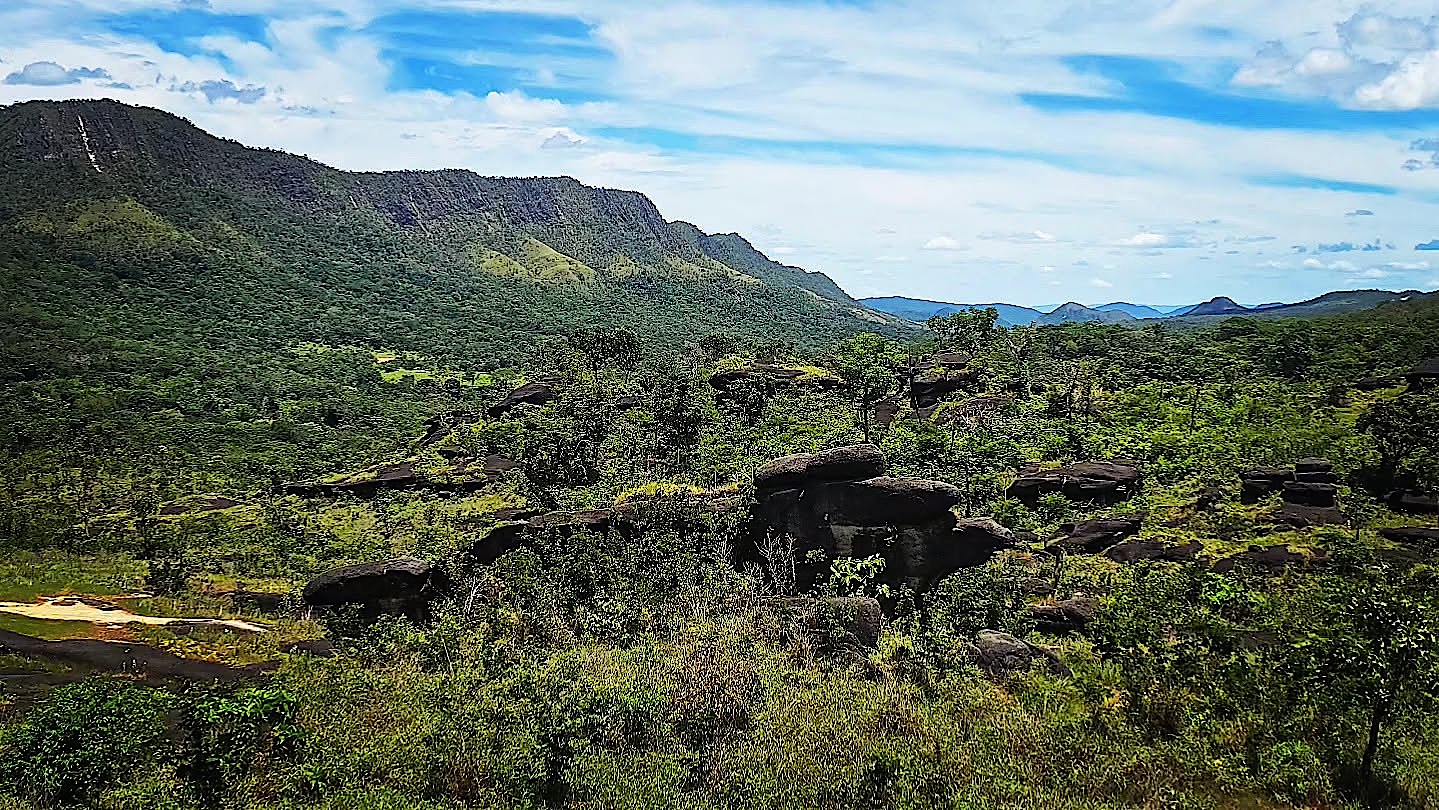
From Brasília I headed north into the state of Goiás, and soon the road ran between endless soybean fields. Much of the Cerrado, the tropical savanna of central Brazil, has been turned into farmland, and Brazil is now the world's largest soy producer. The Chapada dos Veadeiros protects a large piece of the original landscape: grassland, twisted trees, dark rock formations and long table mountains. It was another UNESCO World Heritage Site on this trip.
As the sun went down over the hills, I ordered a Baden Baden. Brazilians like to give their beers German names, usually without knowing where they come from, and this one was actually quite drinkable.
A waterfall and a gold-rush town
The next leg was a little overland trip from Brasília west to two colonial towns, Pirenópolis and Goiás Velho. It was interesting to see how life goes on in the heart of Brazil, far from the coast where most Brazilians live.
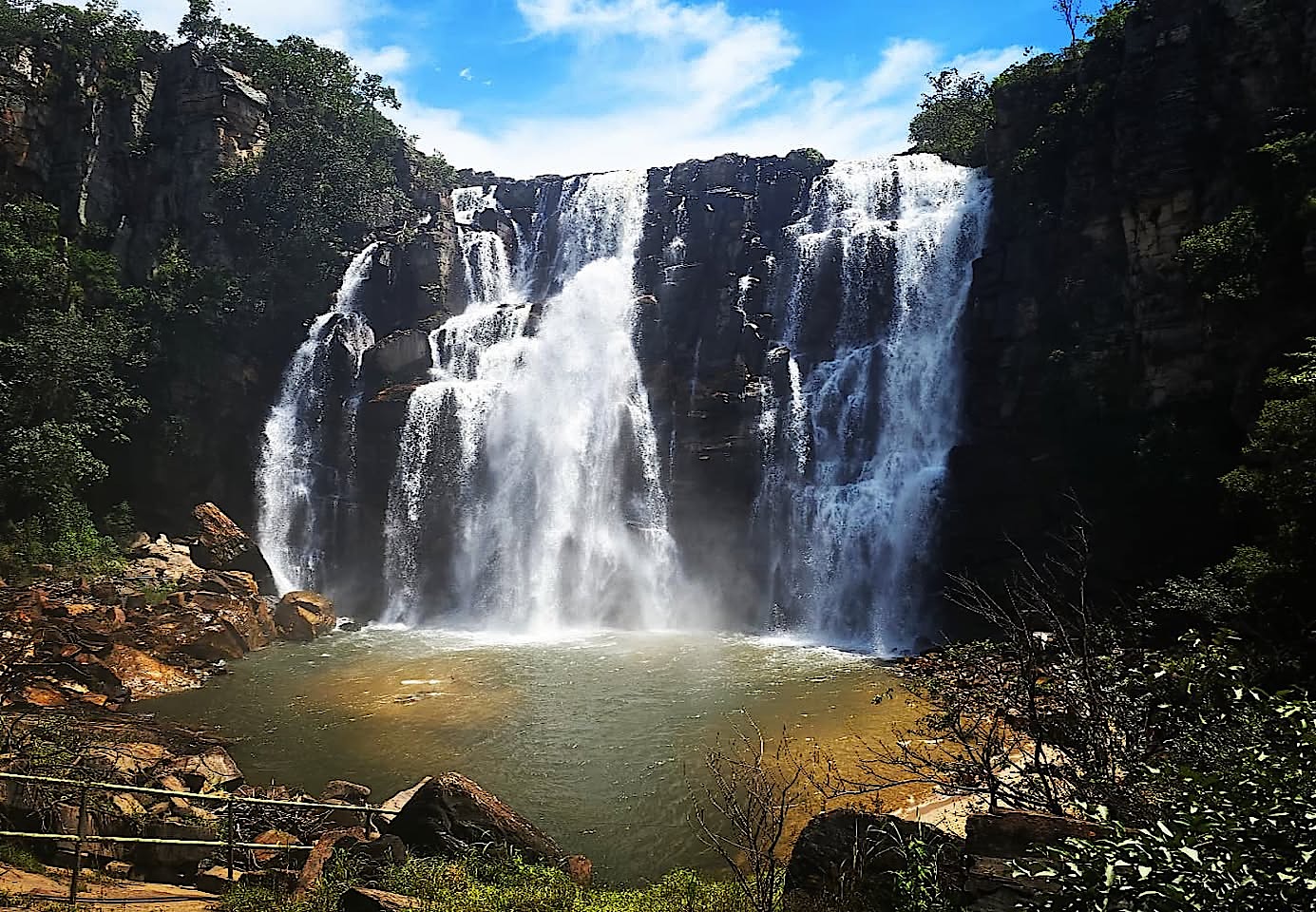
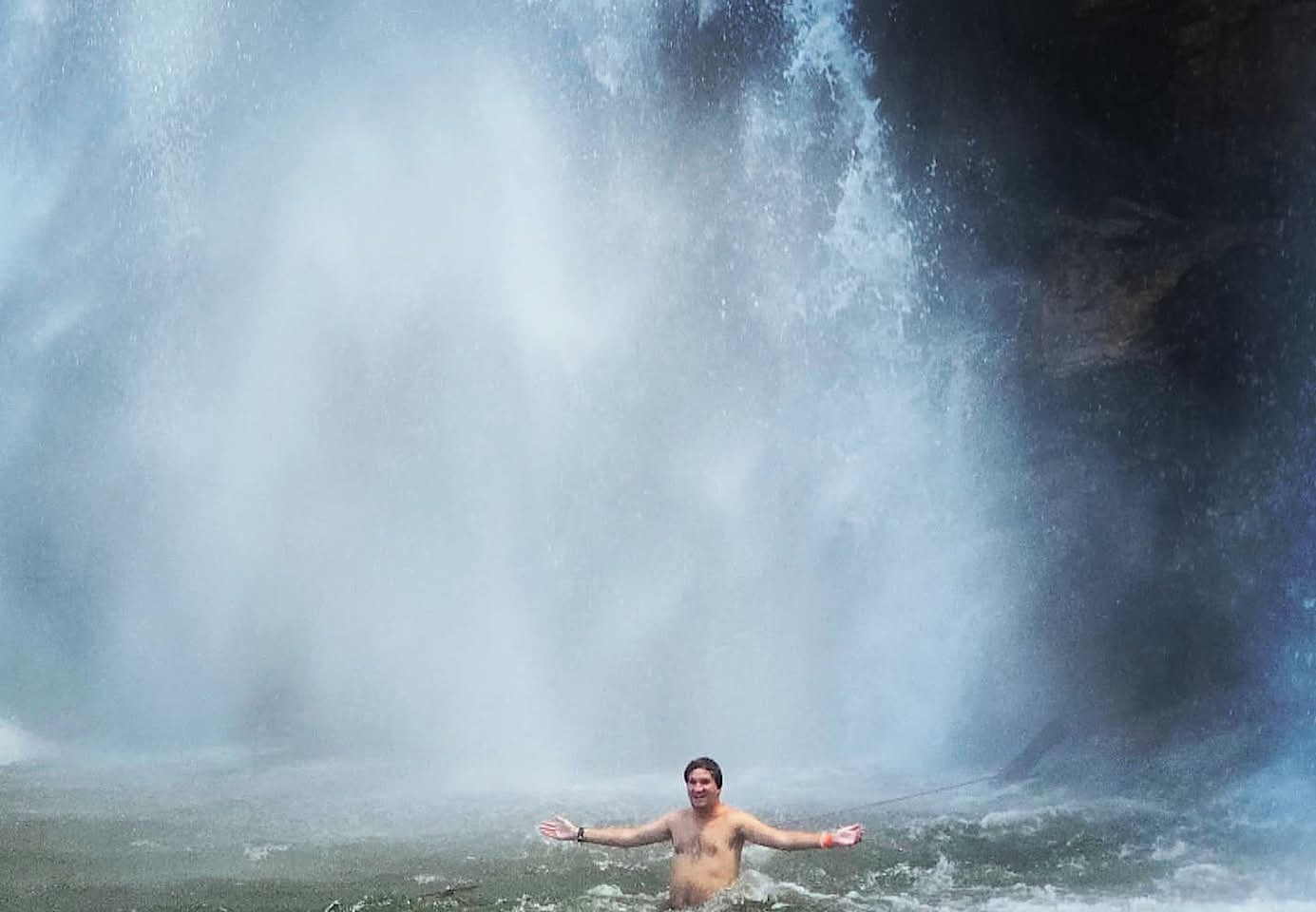
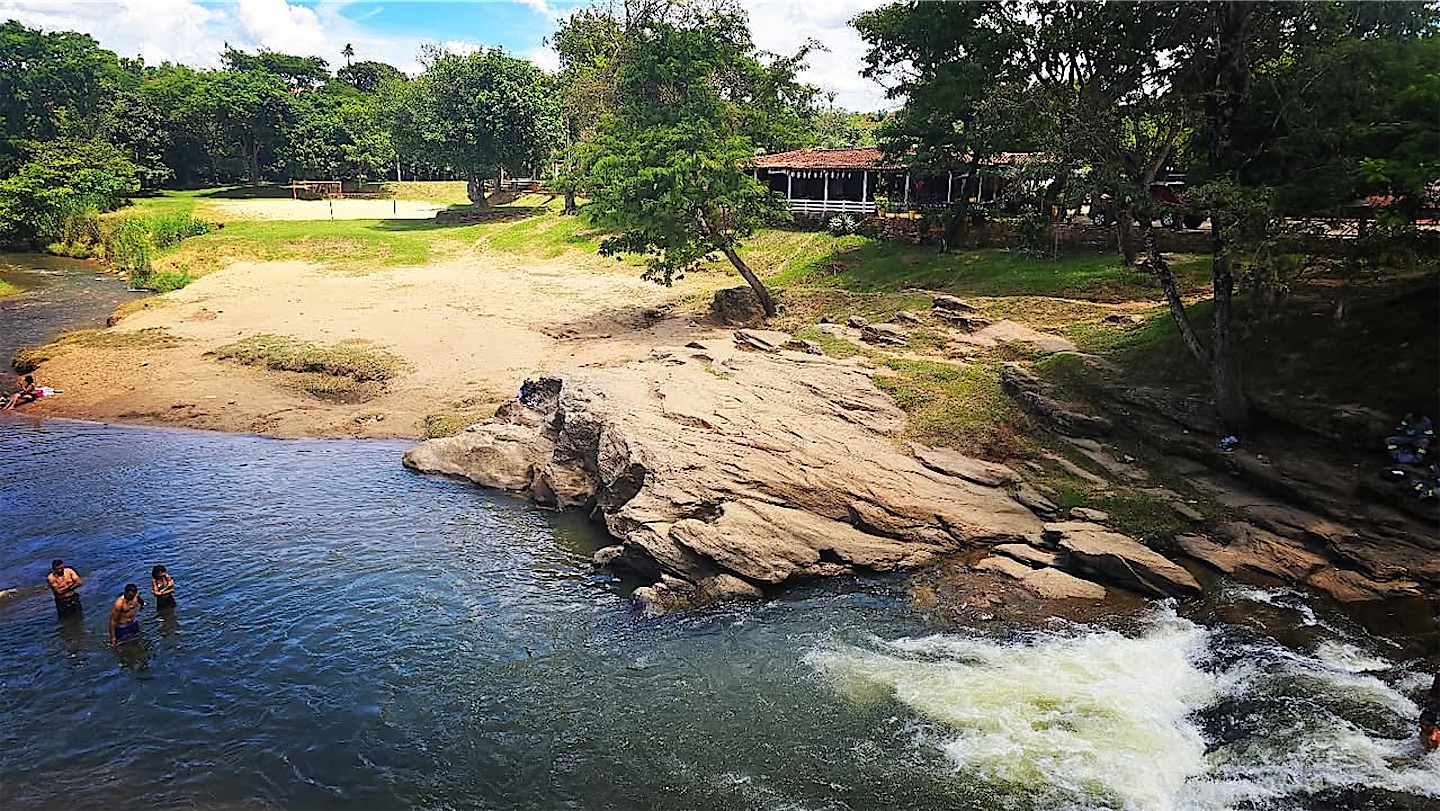
On the way I stopped at the Salto Corumbá, where the Corumbá River drops over a cliff into a pool surrounded by forest. You only really feel the power of the water when you get right below it, so I swam in.
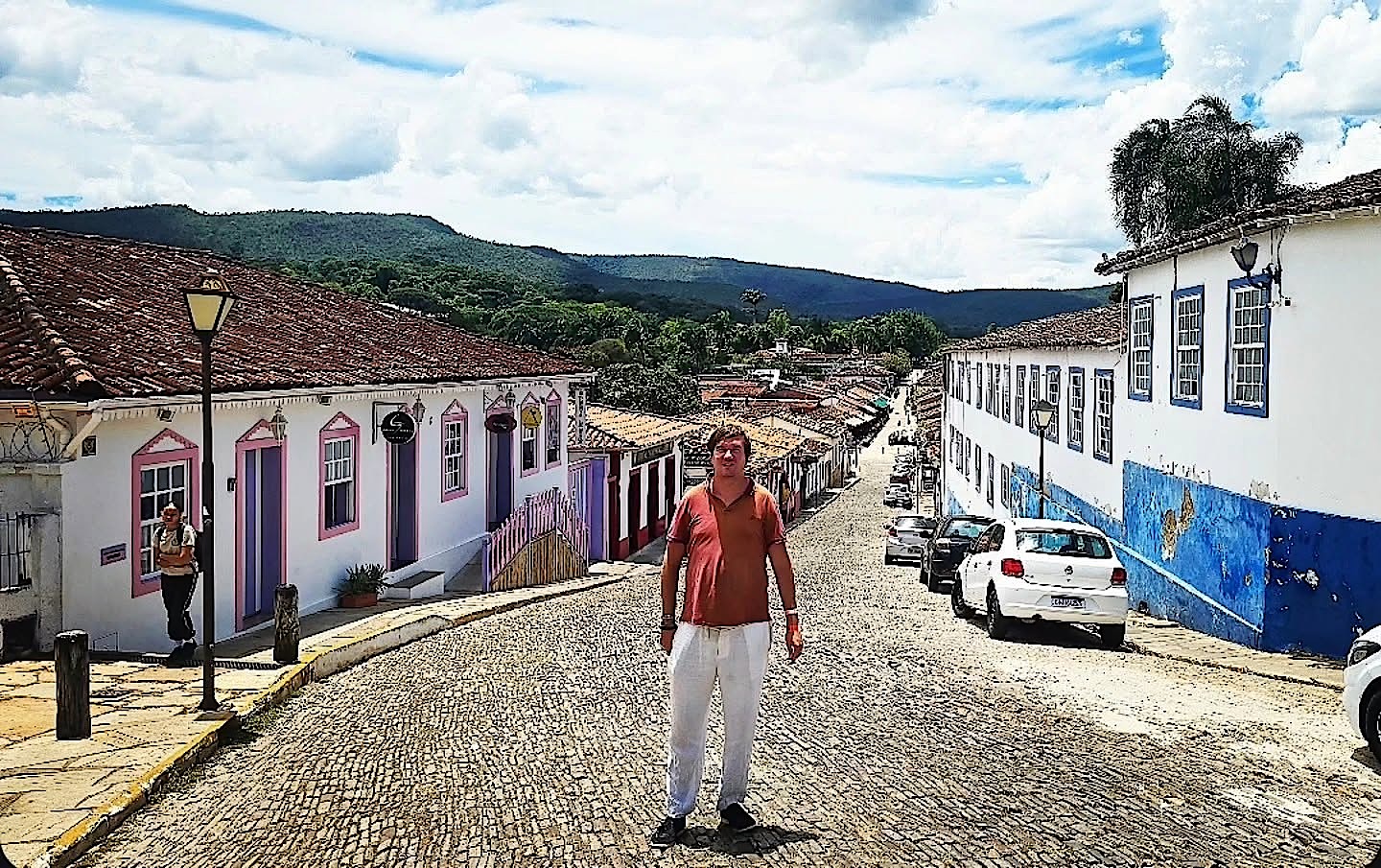
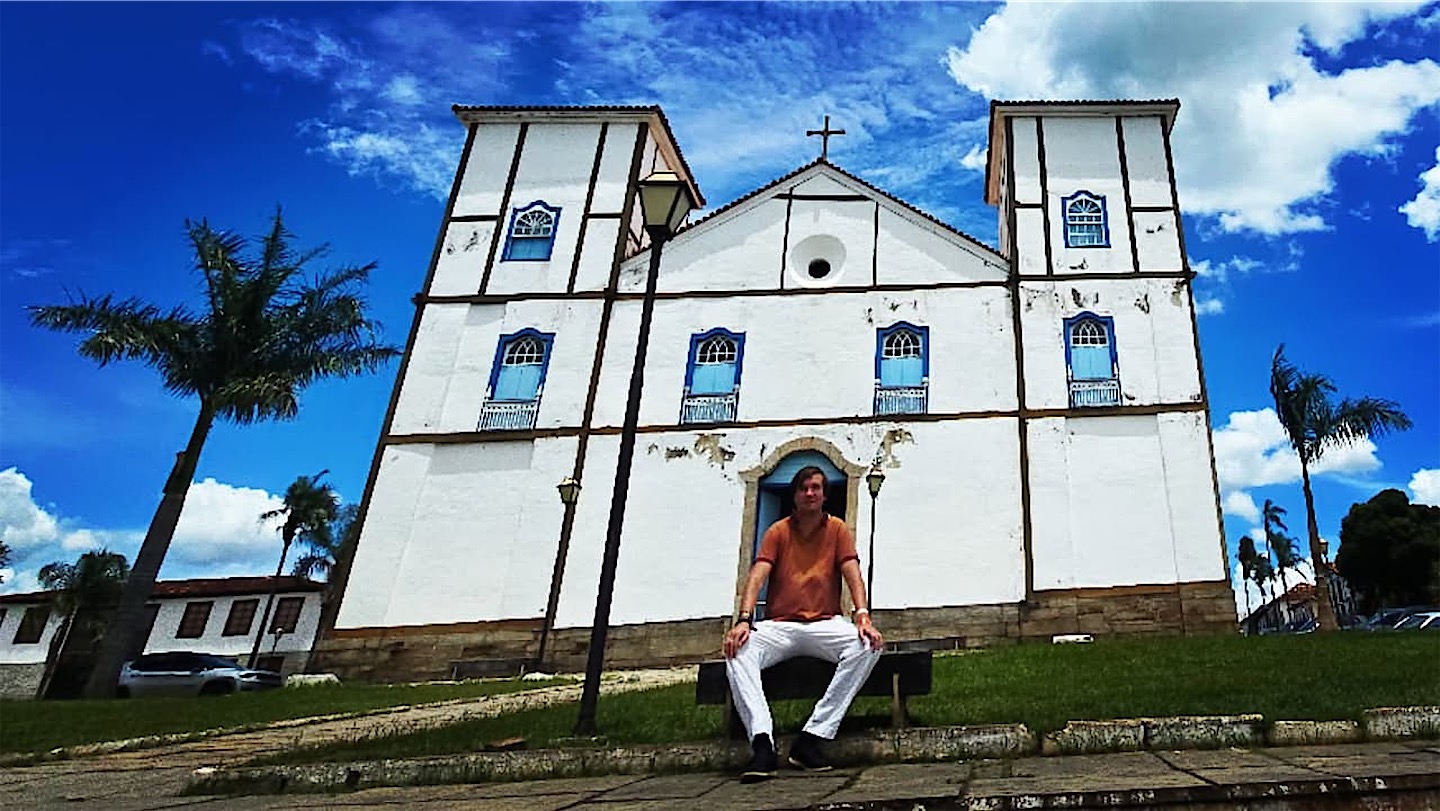
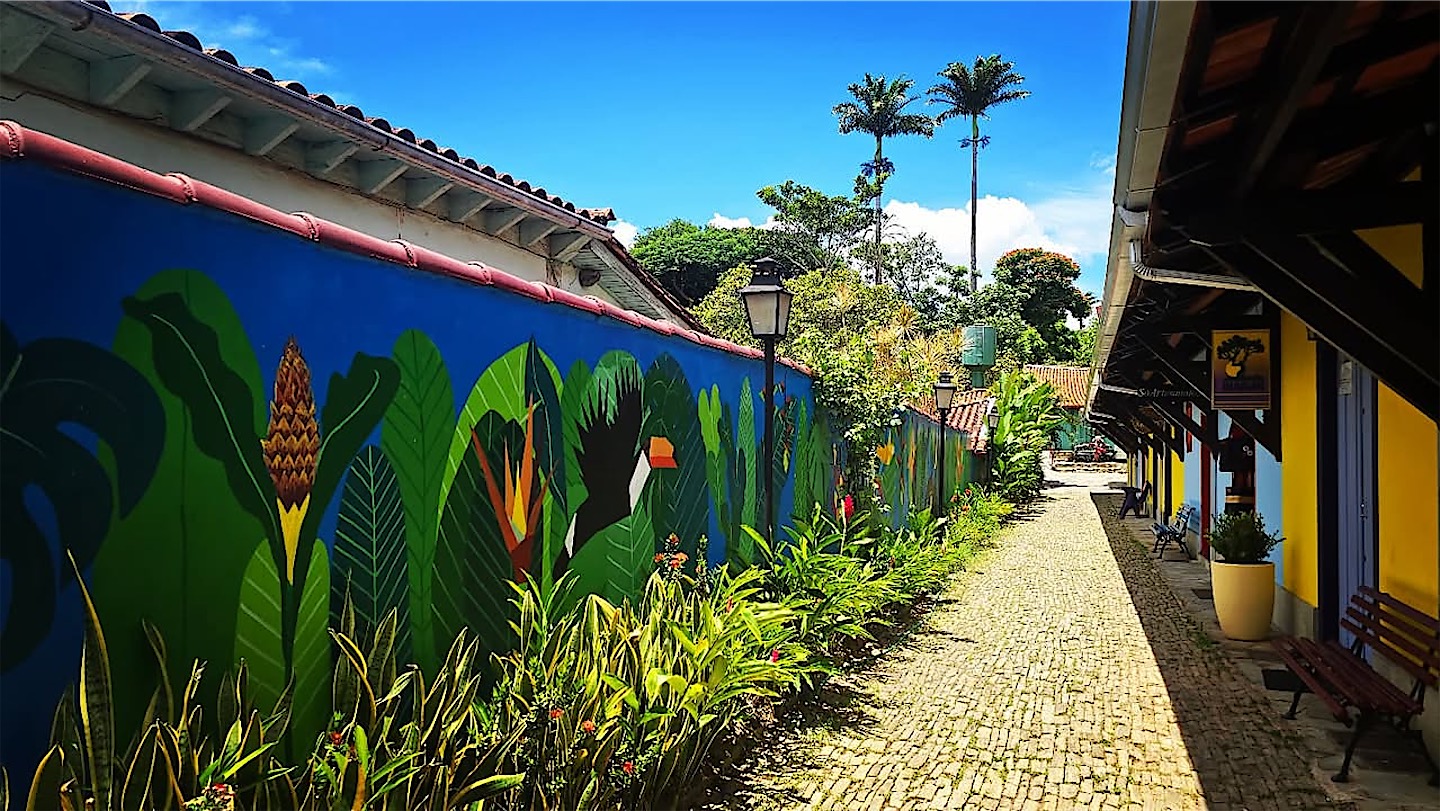
Pirenópolis turned out to be another lovely colonial town, with cobbled streets, whitewashed houses with colourful window frames, a big white church on a lawn and green hills all around.
Goiás Velho, the old capital
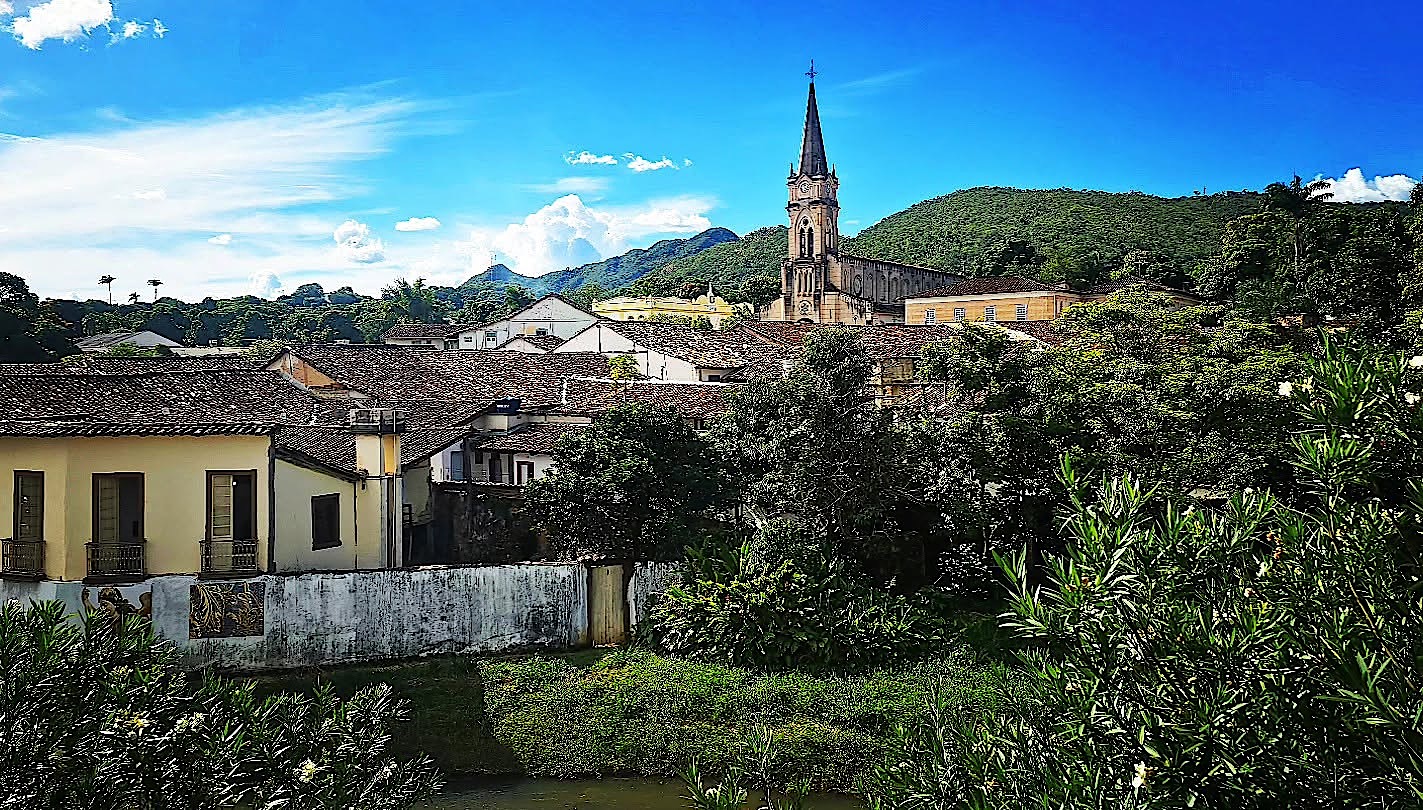
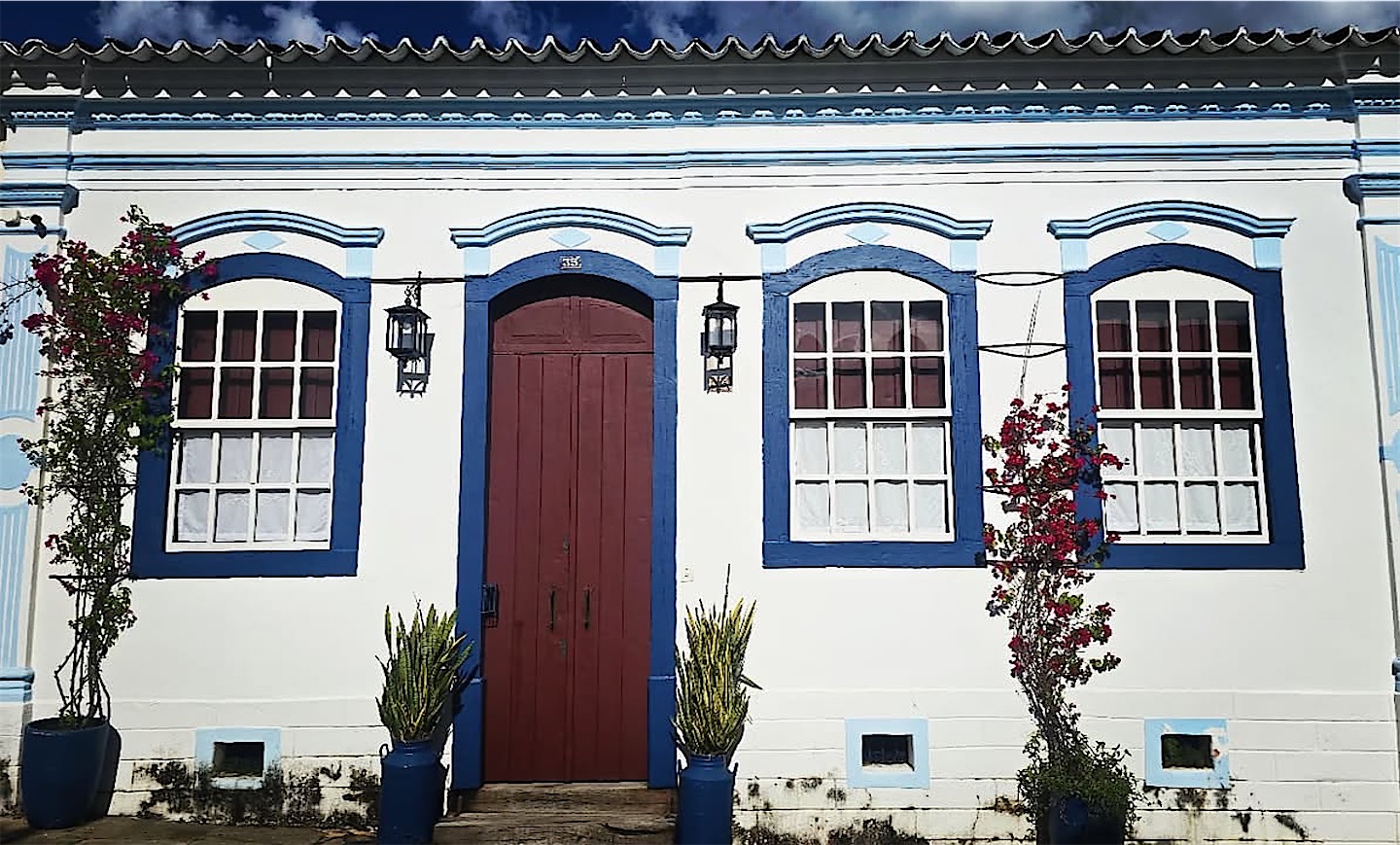
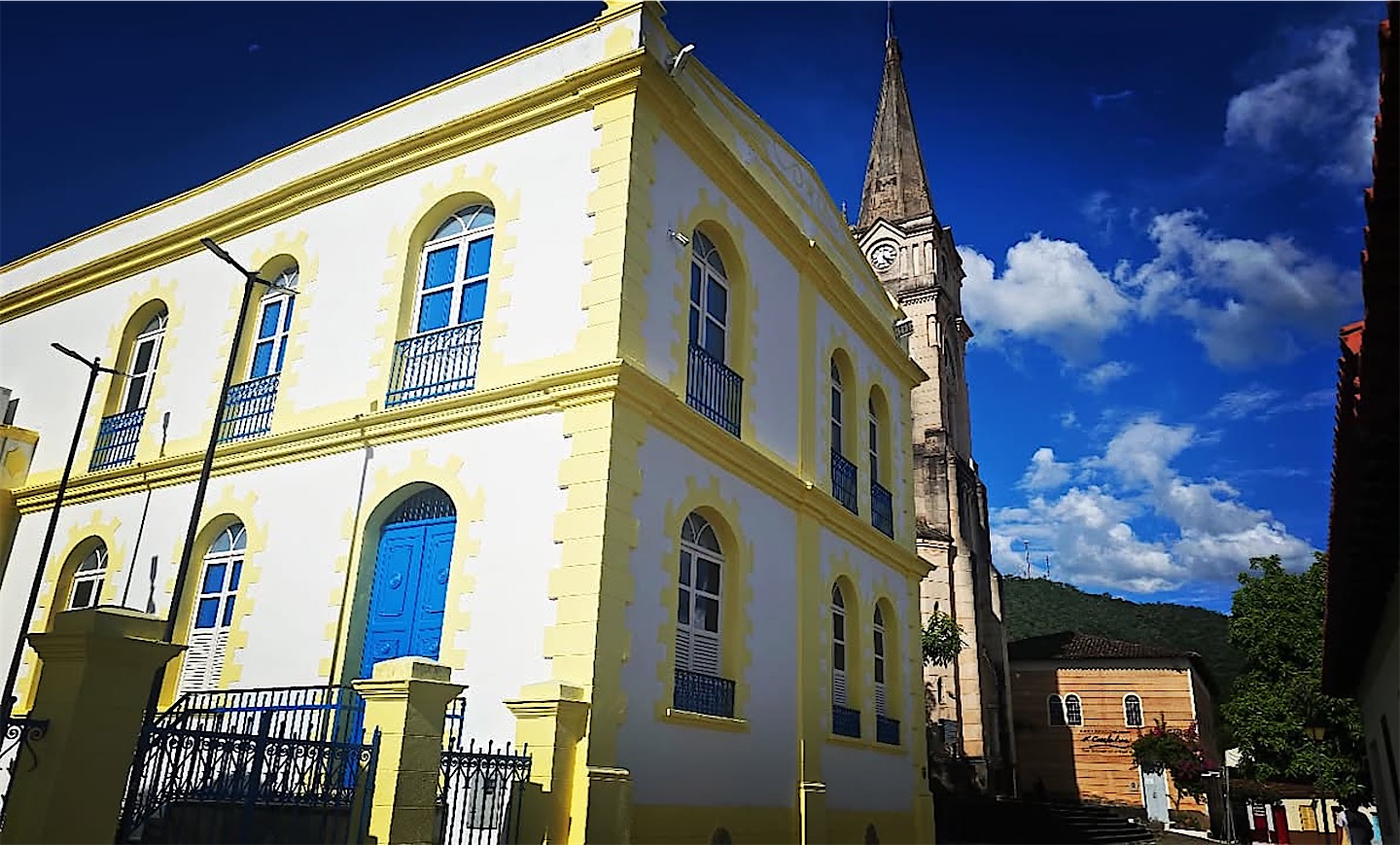
My second colonial town, Goiás Velho, was just as beautiful. Carnival had only just ended, and the streets were very quiet. Houses with blue and yellow façades line its lanes, and a Gothic-style church tower rises above the tiled roofs. It was the last UNESCO site of the trip.
Goiânia and the island of Florianópolis
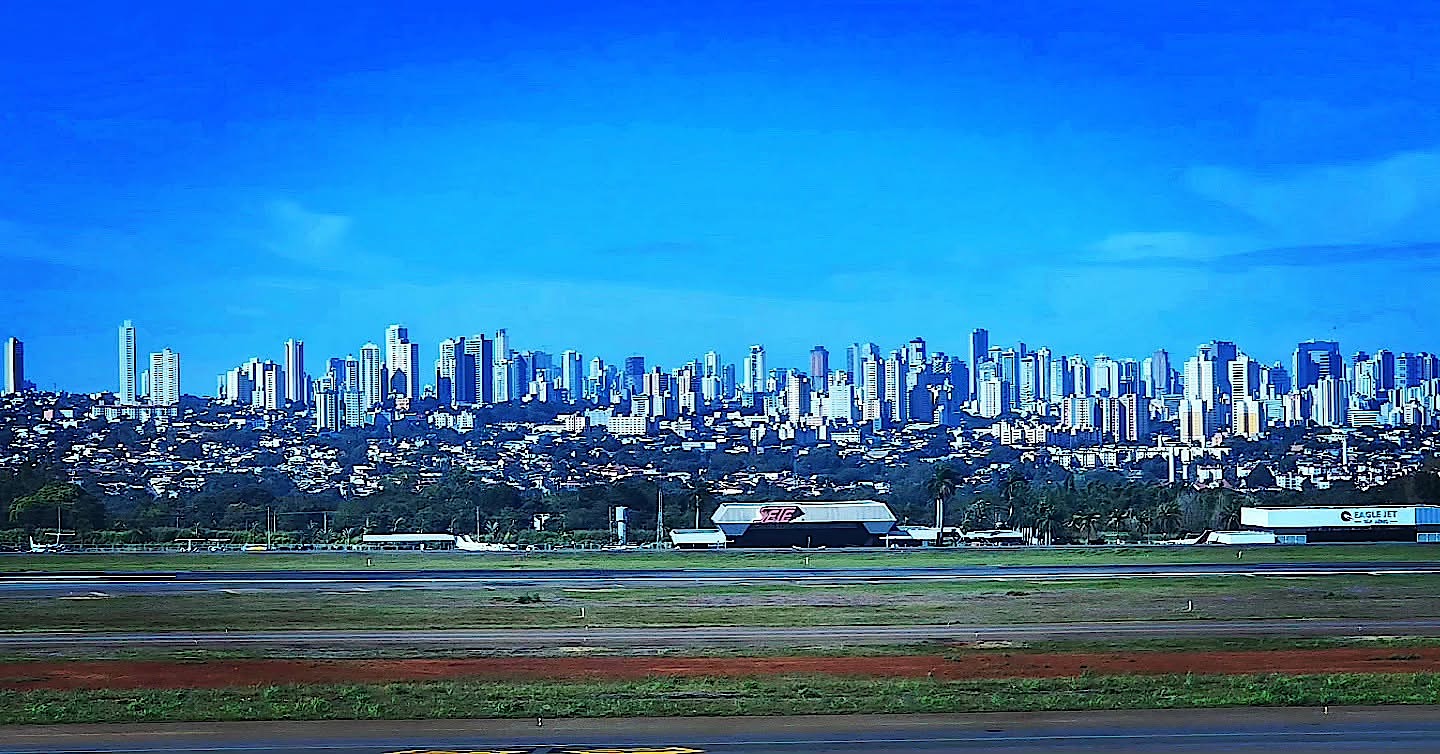
My last stop in Goiás was its capital, Goiânia, where I caught my flight south. Have you ever heard of it? Few people outside Brazil have, yet with around 1.5 million inhabitants it is the tenth-largest city in the country.
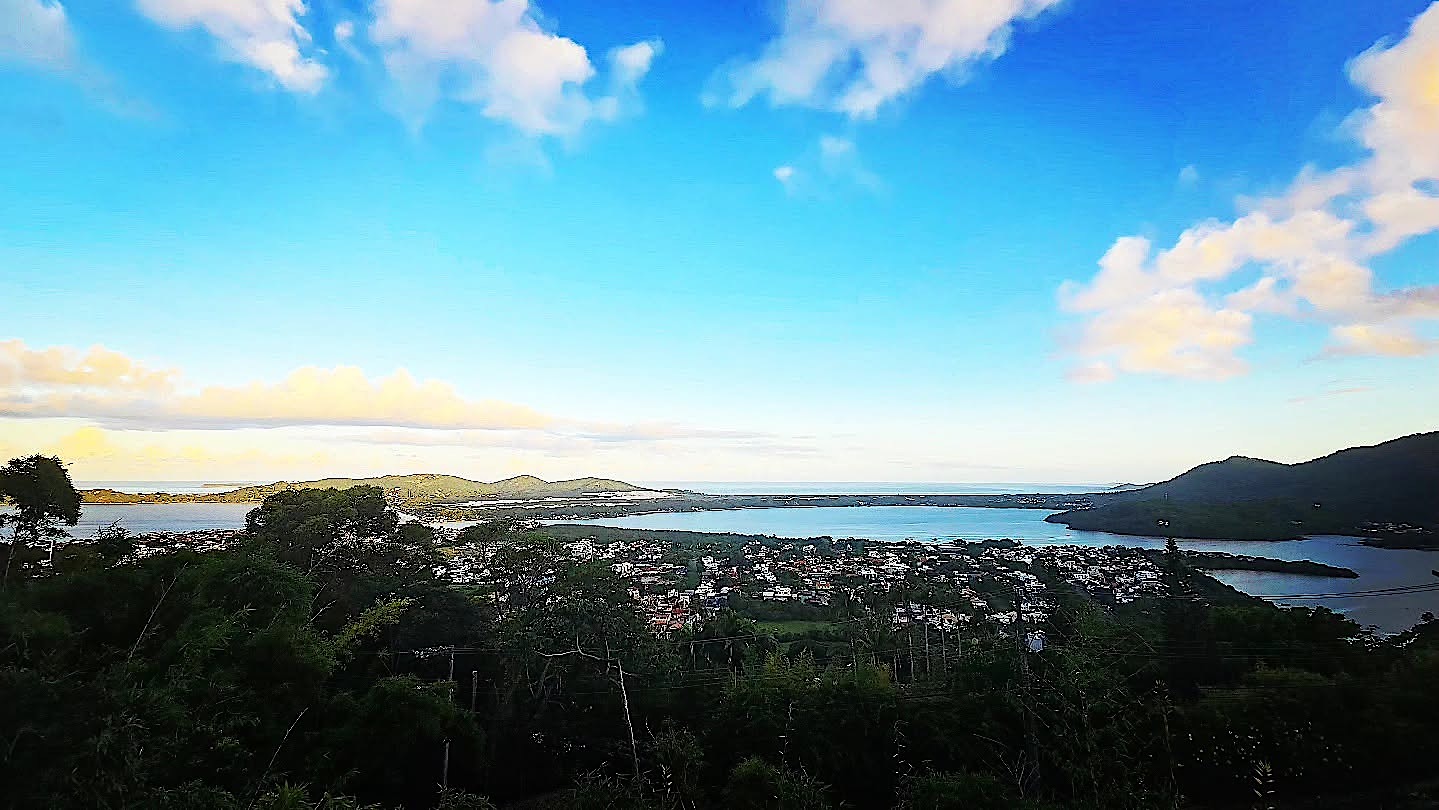
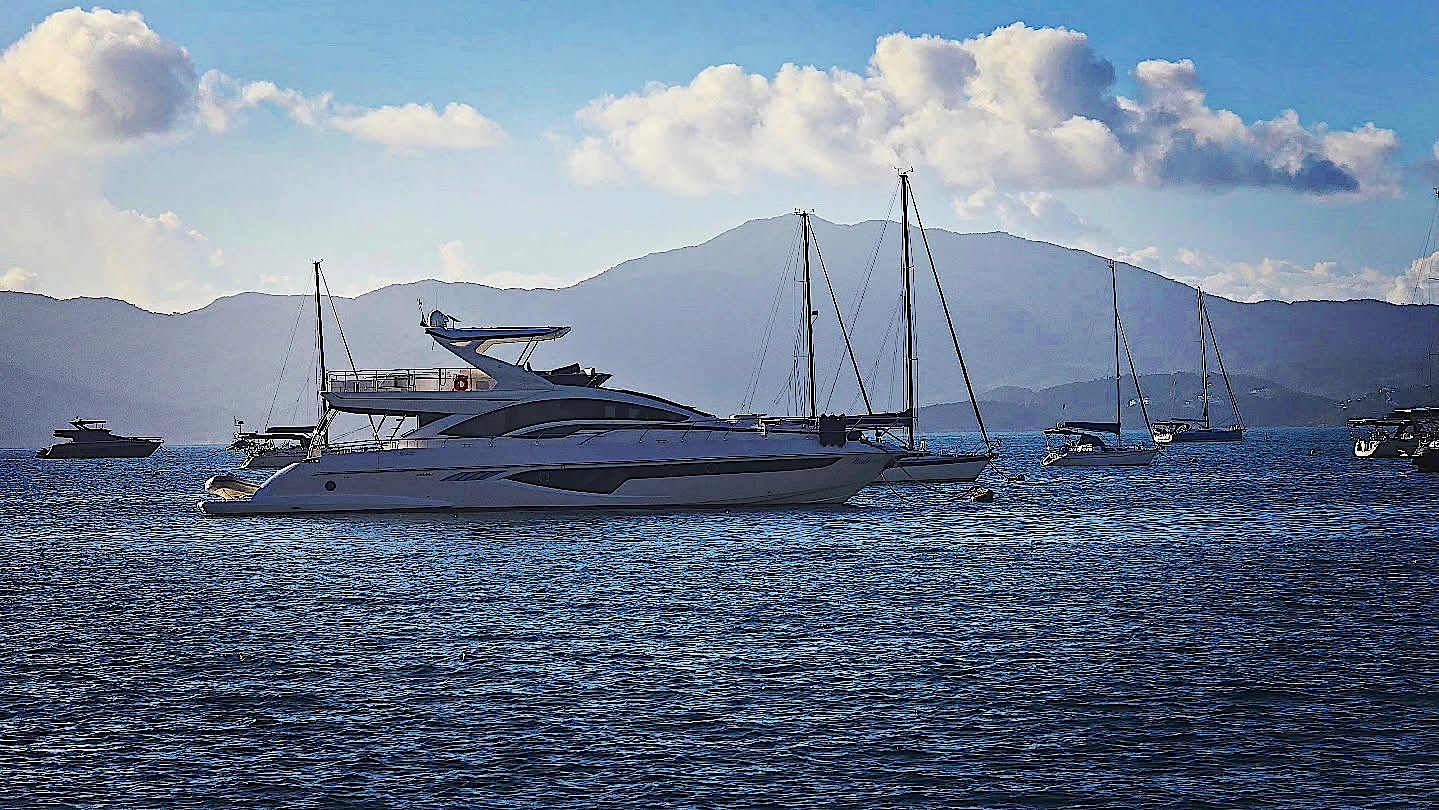
Florianópolis, or Floripa, was my last stop in Brazil. I had been there once before, in 2018, but spent that visit recovering from a heavy food poisoning and saw almost nothing. This time I explored different parts of the island, from the view over the Lagoa da Conceição to the marina of Jurerê Internacional, an upmarket beach district in the north.
For some reason there are lots of direct flights from Floripa to Santiago, which made it the ideal jumping-off point. From an Atlantic island I moved on to Pacific ones: first a quick visit to Chiloé, then the wait for my flight to the Juan Fernández Islands. That flight had already been changed three times, most recently because of the weather, and my 320th TCC territory was giving me real headaches.
It was a short trip, but it showed me a side of Brazil far from the beaches of the coast. I would be back only six months later, for jaguars in the Pantanal and the dunes of the Lençóis Maranhenses. First, though, the journey continued in Chiloé and Robinson Crusoe Island.