
From the Caspian to the Black Sea: Derbent, a Soviet Sea Monster and Spring in Abkhazia
10–14 May 2025 · Makhachkala, Derbent, Lake Ritsa, Sukhumi, Tkvarcheli, New Athos, Krasnaya Polyana · Regions: Russia (Dagestan, Krasnodar Krai), Abkhazia
After a short loop through three Siberian provinces in Krasnoyarsk, Khakassia and Tuva, I spent the following days on both sides of the Caucasus, where two places were still missing from my lists. Dagestan, on the Caspian Sea, was my second-to-last territory on the UN+ list. Abkhazia, on the Black Sea, was the last autonomous territory on the planet that I had not yet visited for the Travelers' Century Club. So I flew from Krasnoyarsk to Makhachkala.
Makhachkala on the Caspian
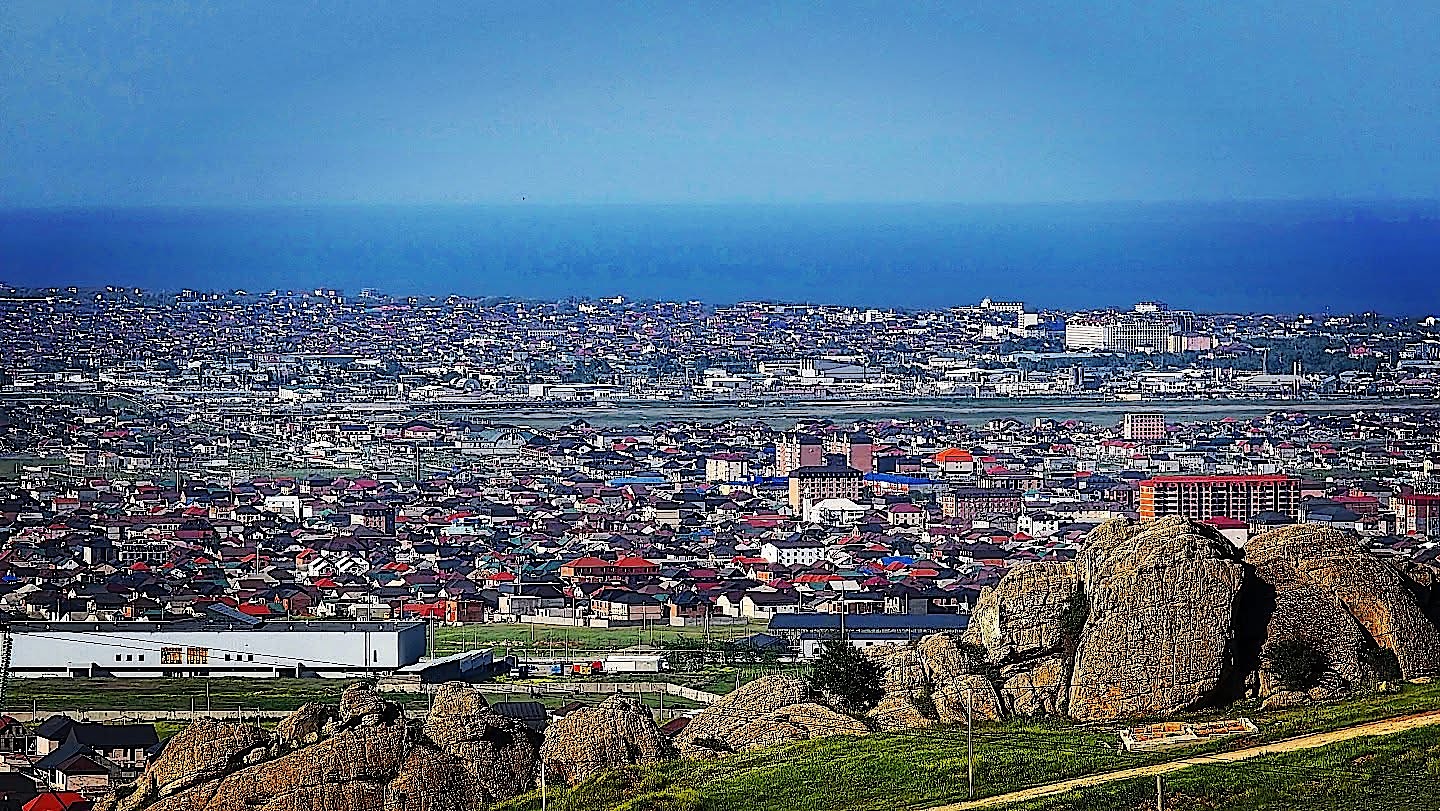
Makhachkala, the capital of Dagestan, spreads along the shore of the Caspian Sea below a ridge of bare, rocky hills. From above it looks like an endless carpet of flat roofs between mountains and water. The Caspian is the world's largest inland body of water, and its surface lies below sea level.
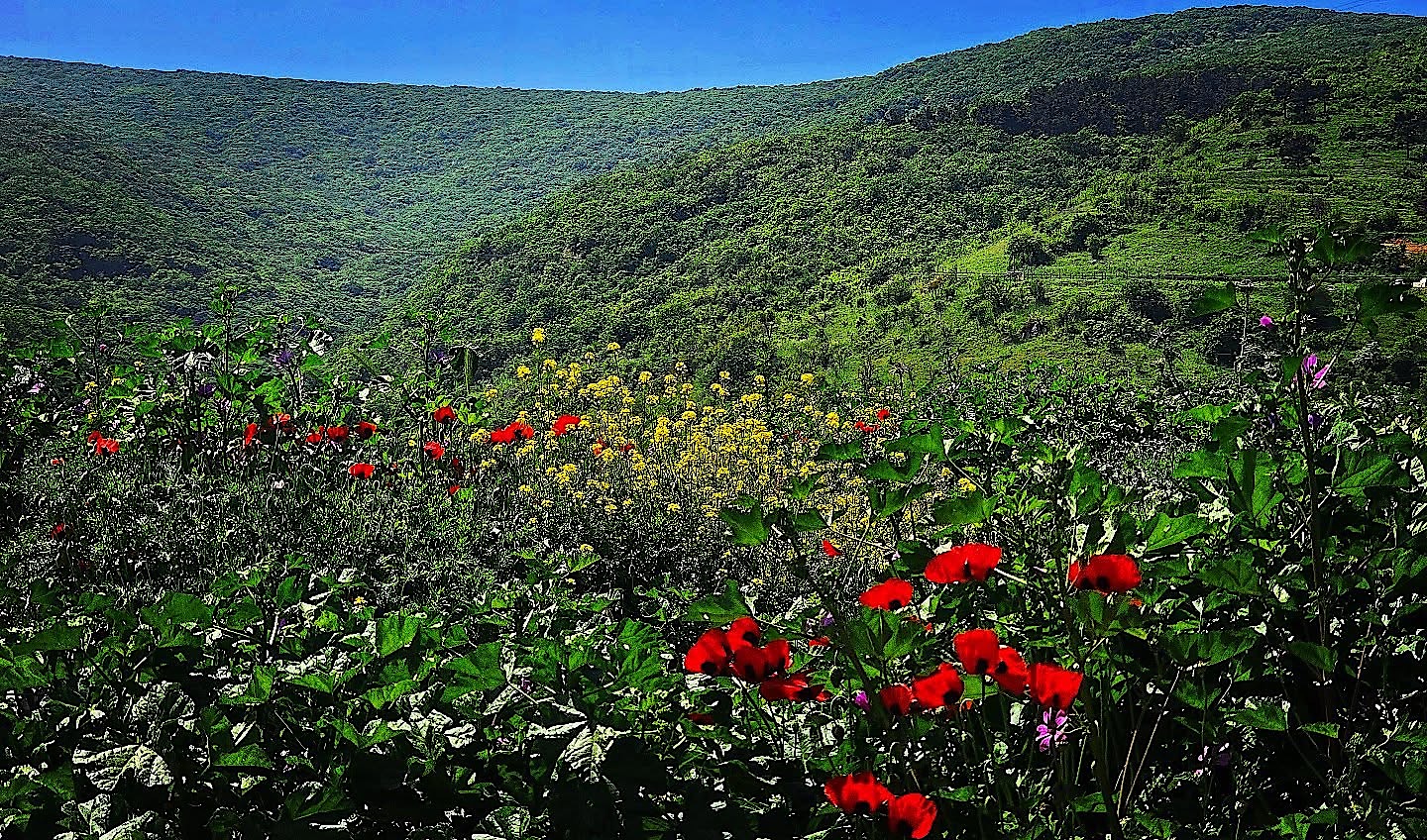
Our visit was brief and focused on the two main cities, Makhachkala and Derbent, but even on the road between them Dagestan showed its colourful side: green hills full of red poppies, vineyards, and the snow-capped High Caucasus on the horizon. Our first evening ended with fireworks over Derbent, the southernmost city in Russia.
A sea monster and Russia's oldest city
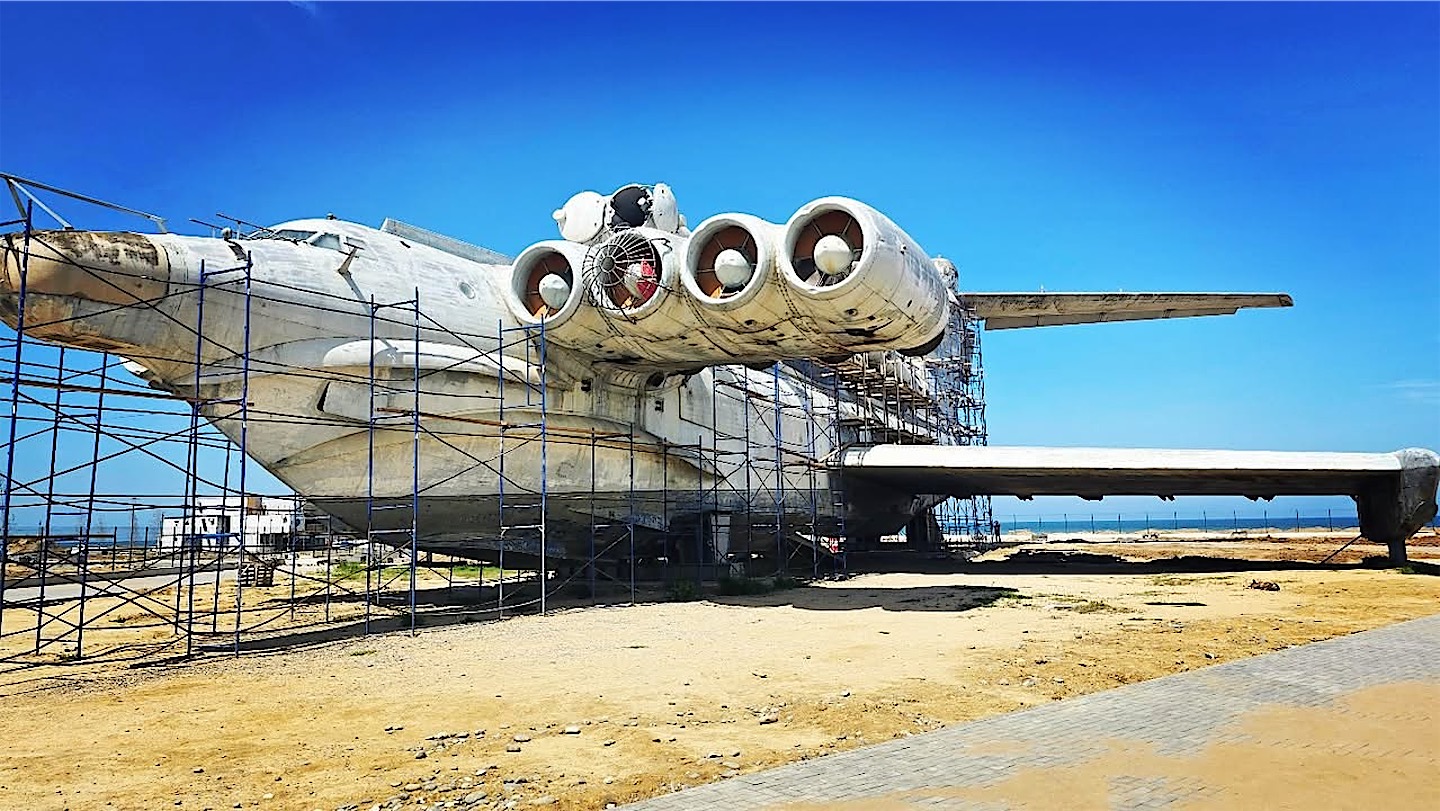
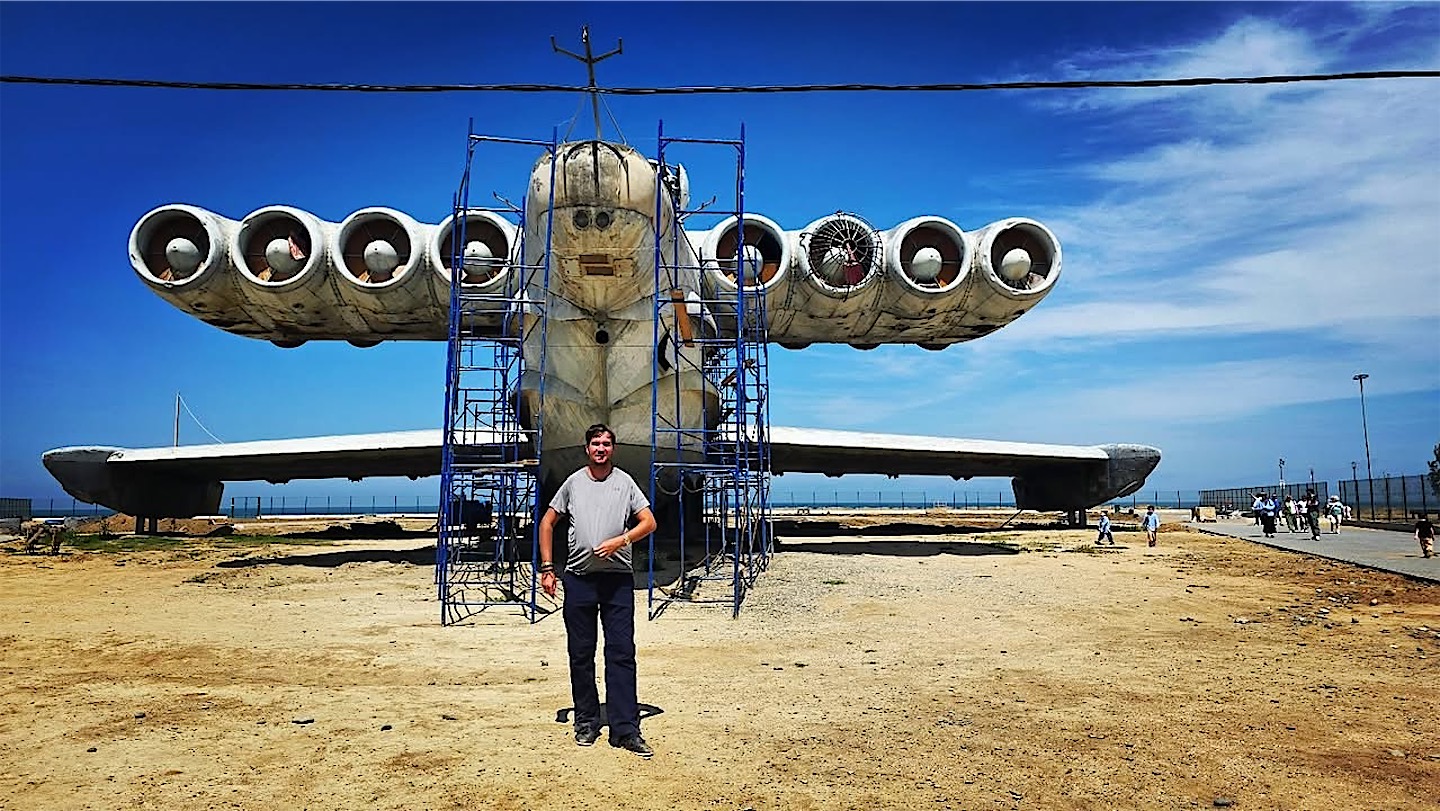
The most unusual sight in Dagestan was not a building but a machine. On a beach just south of Derbent lies the Lun, one of the most remarkable military inventions of the Soviet Union: a huge aircraft built to fly only a few metres above the waves. With eight jet engines mounted at its nose and short, stubby wings, it looks like a cross between a plane, a ship and a rocket. Today it sits on the sand, wrapped in scaffolding.
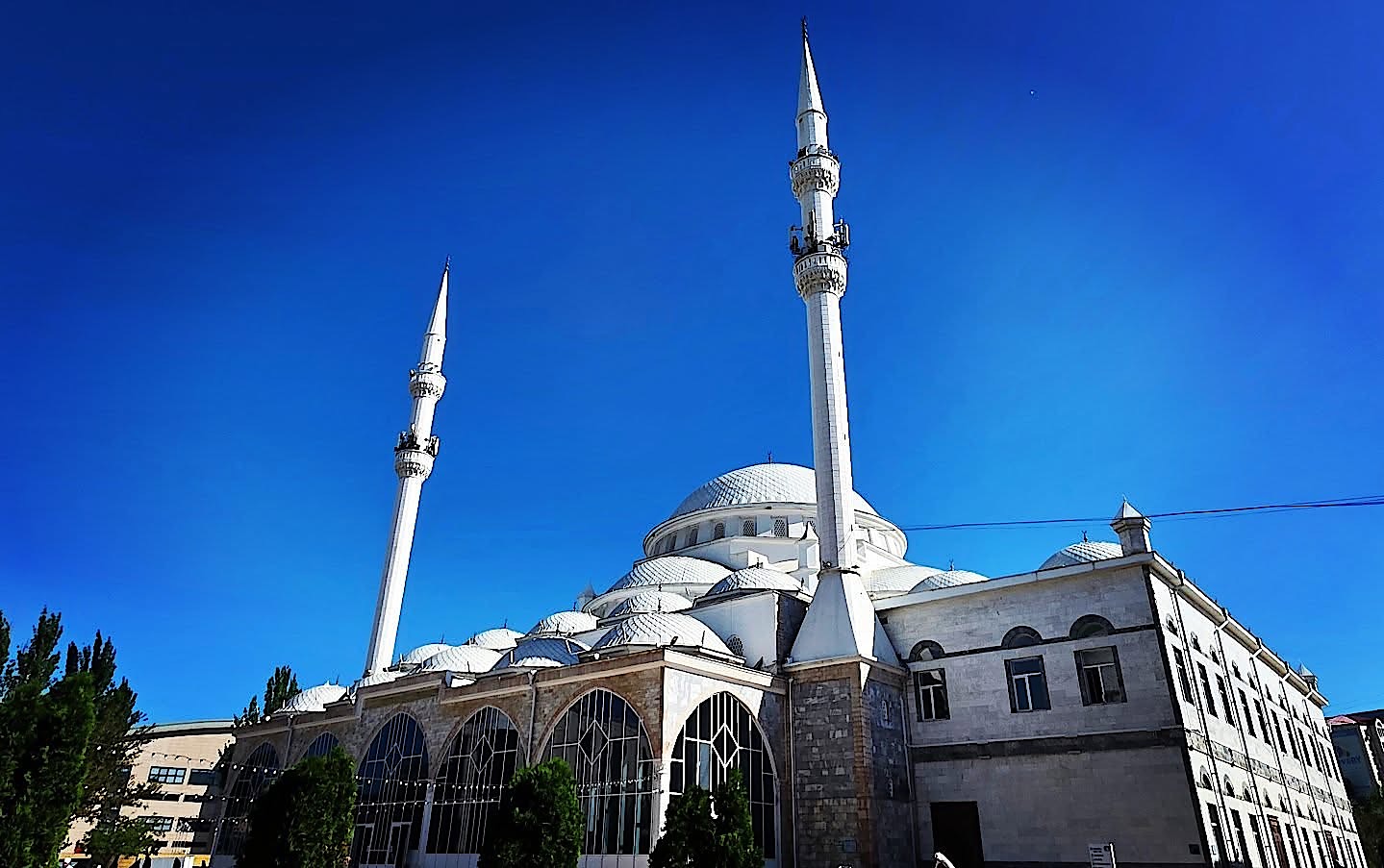
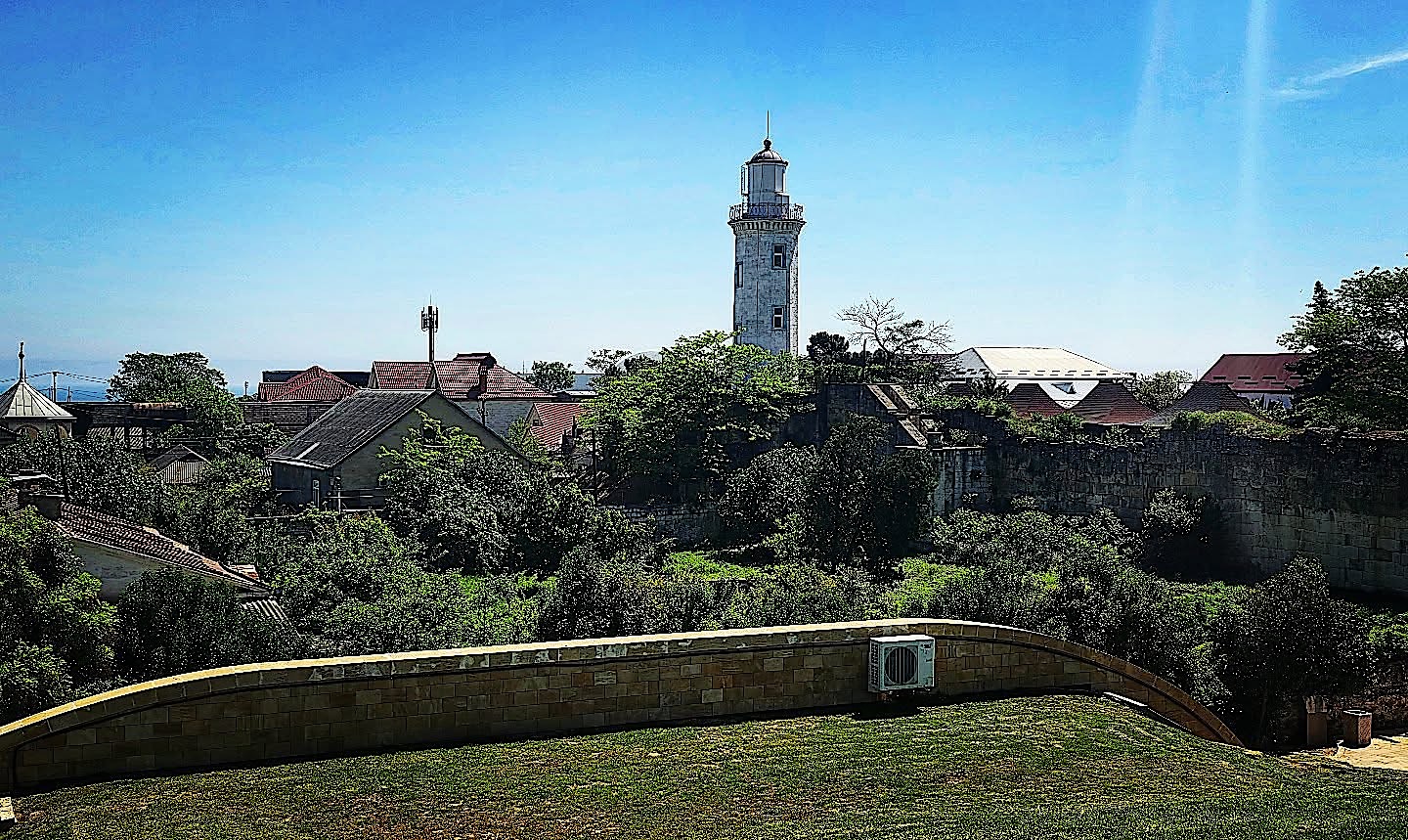
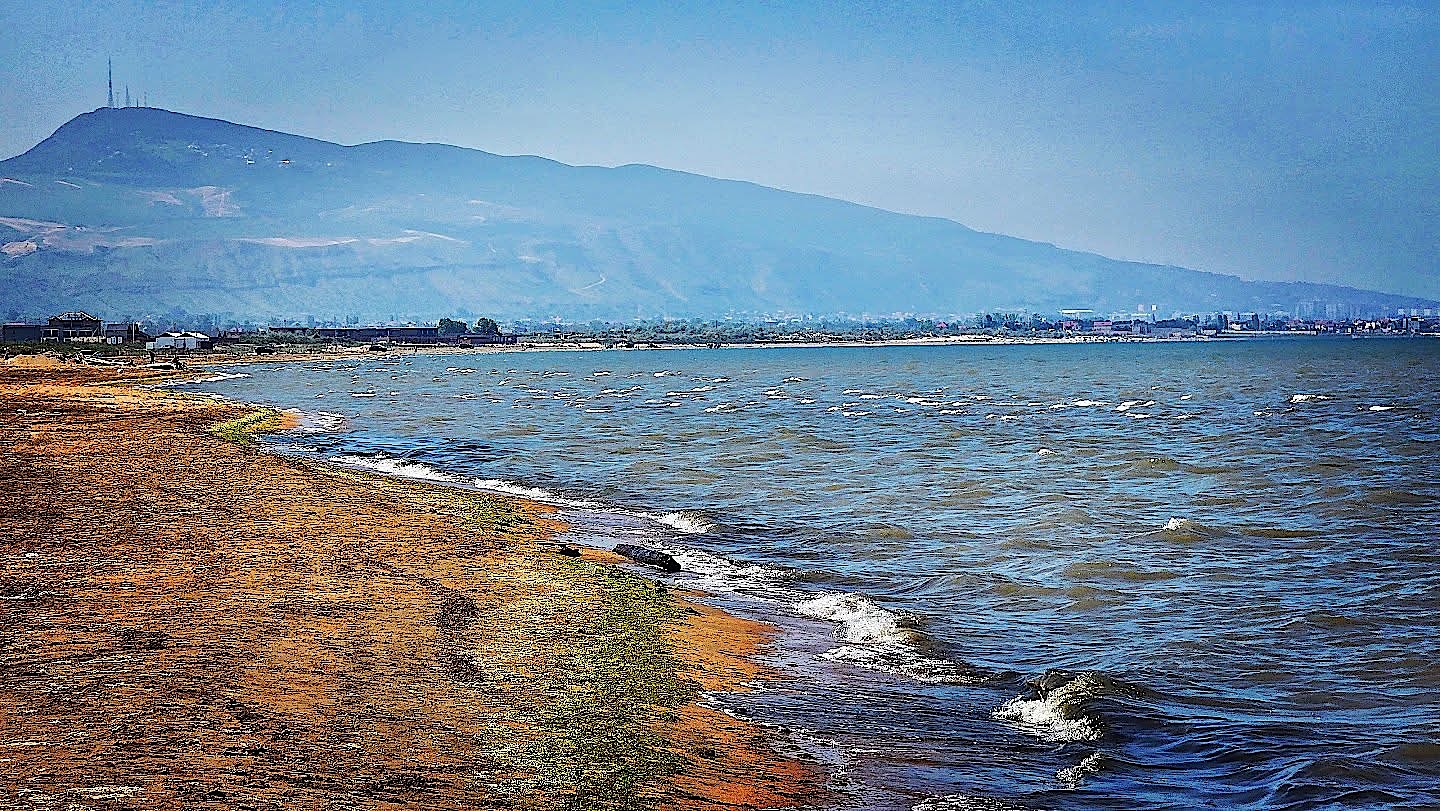
Derbent itself is usually called the oldest city in Russia, and it was pleasant to explore. The Caspian was less inviting: choppy grey-green water rolling onto an empty beach.
Across the border into Abkhazia
From the Caspian to the Black Sea is only a short hop: a flight from Makhachkala to Sochi's airport at Adler, a few kilometres from the border with Abkhazia, for my remaining four days. Online information about the formalities was confusing, but I can confirm that entry from Russia was easy, without a visa or an entry permit for Abkhazia. Since you leave Russia and come back, you need a double-entry Russian visa or a passport that doesn't require one. With that, Abkhazia became territory number 326 on my TCC list.
Abkhazia welcomed me with heavy rain, and some streets were flooded. Luckily, the sun did come out in between.
Lake Ritsa and the leaders' dachas
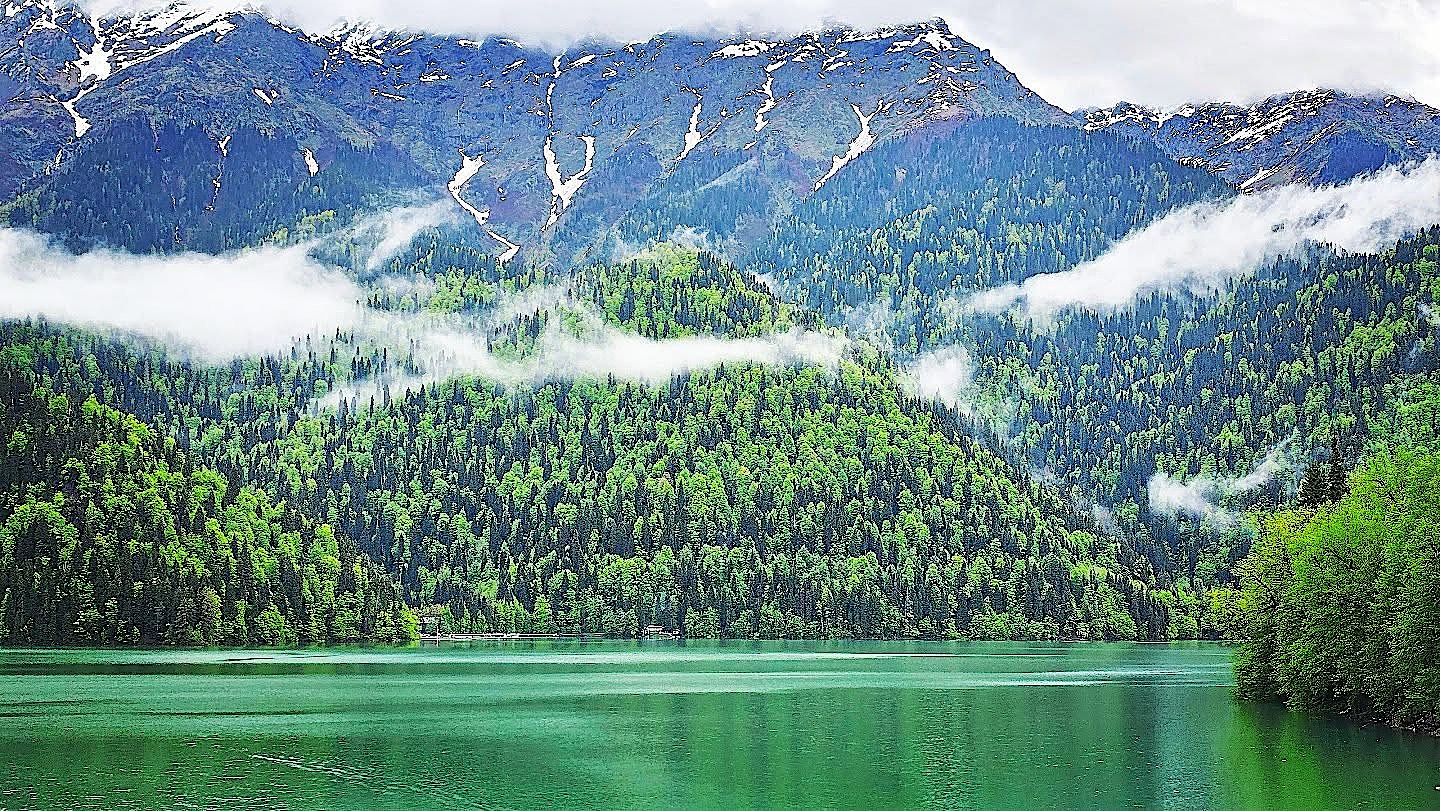
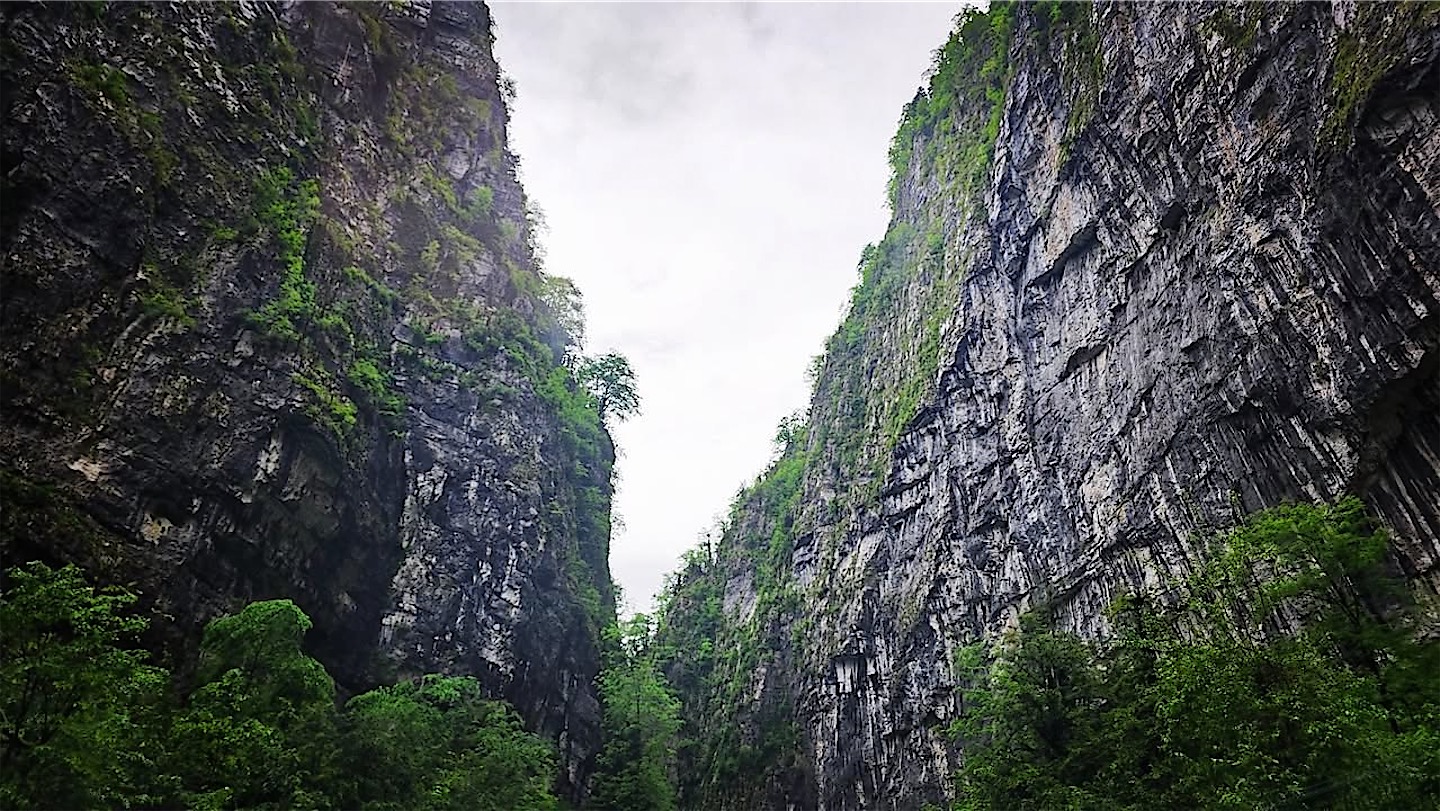
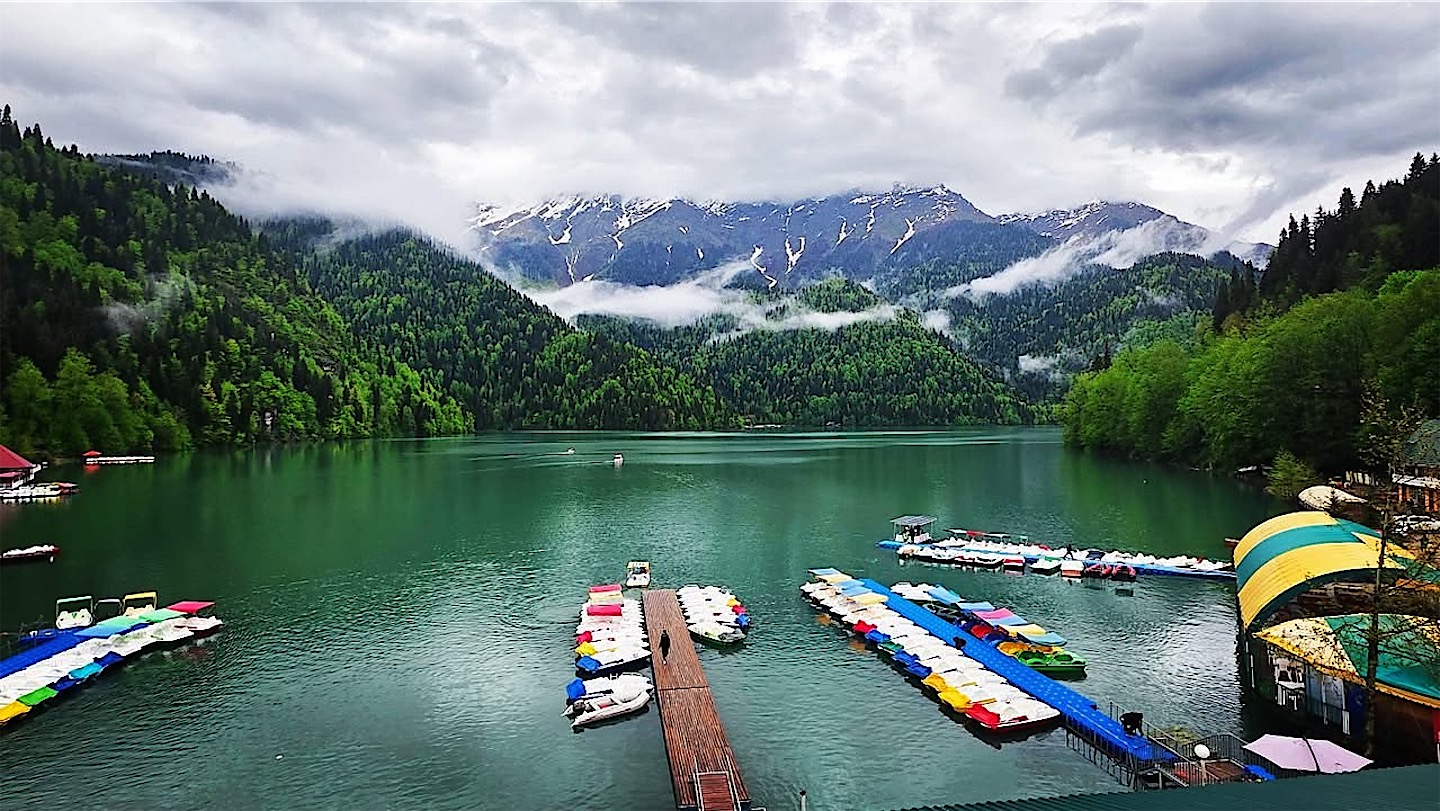
The road to Lake Ritsa climbs from the coast through a narrow gorge between steep rock walls. At the top, the lake lies in a bowl of dark forest, its water a deep green, with clouds drifting over the snowy peaks behind.
The Soviet elite liked it here too. On the lakeshore stands one of their old government dachas, where, according to the story, the communist leaders used to decide policy around the pool table.
Sukhumi, spring and the abandoned east
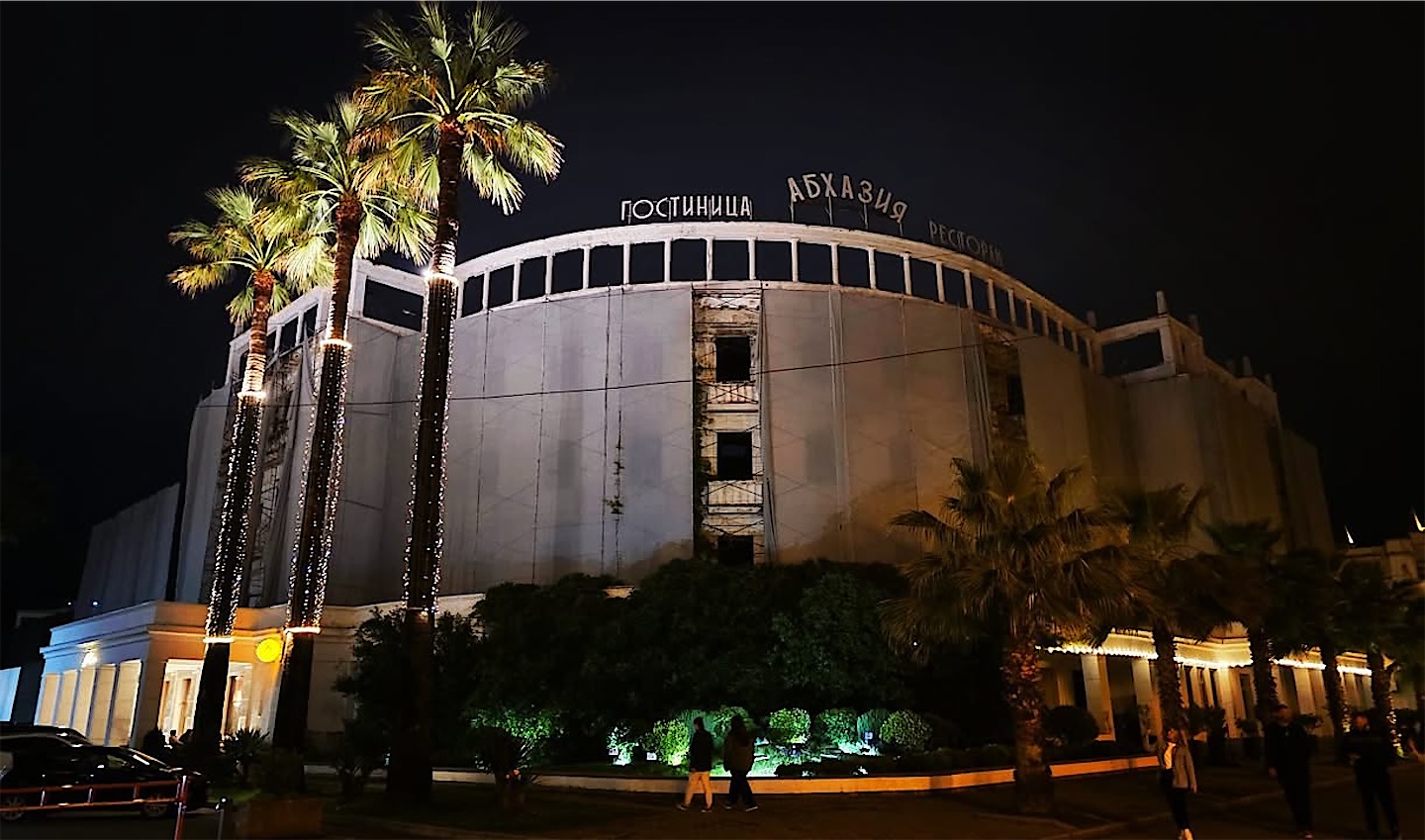
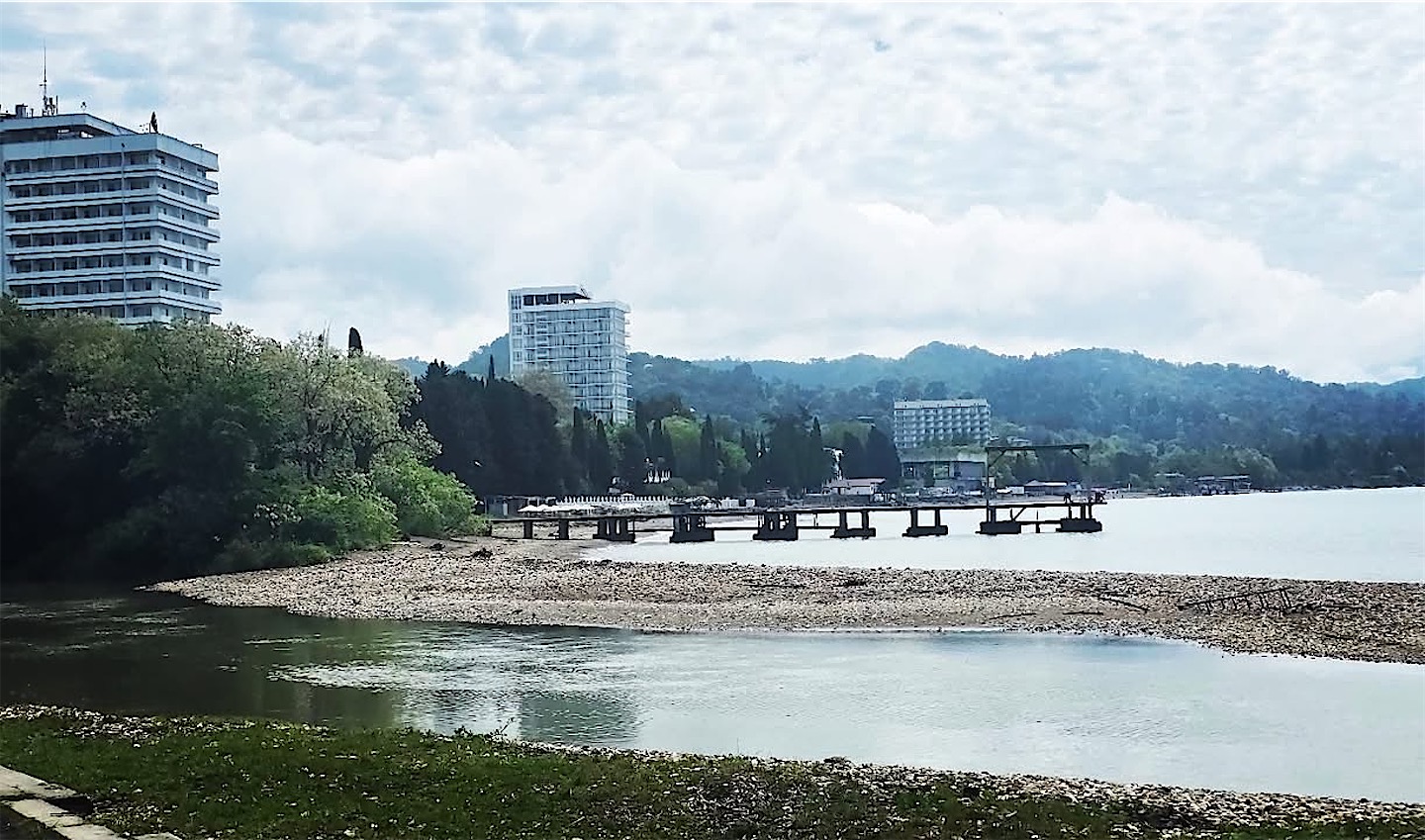
Sukhumi, the capital, was once one of the favourite resorts of the Soviet Riviera, and it has clearly seen better times. Some buildings on the palm-lined seafront have been restored, while others are still ruins from the war.
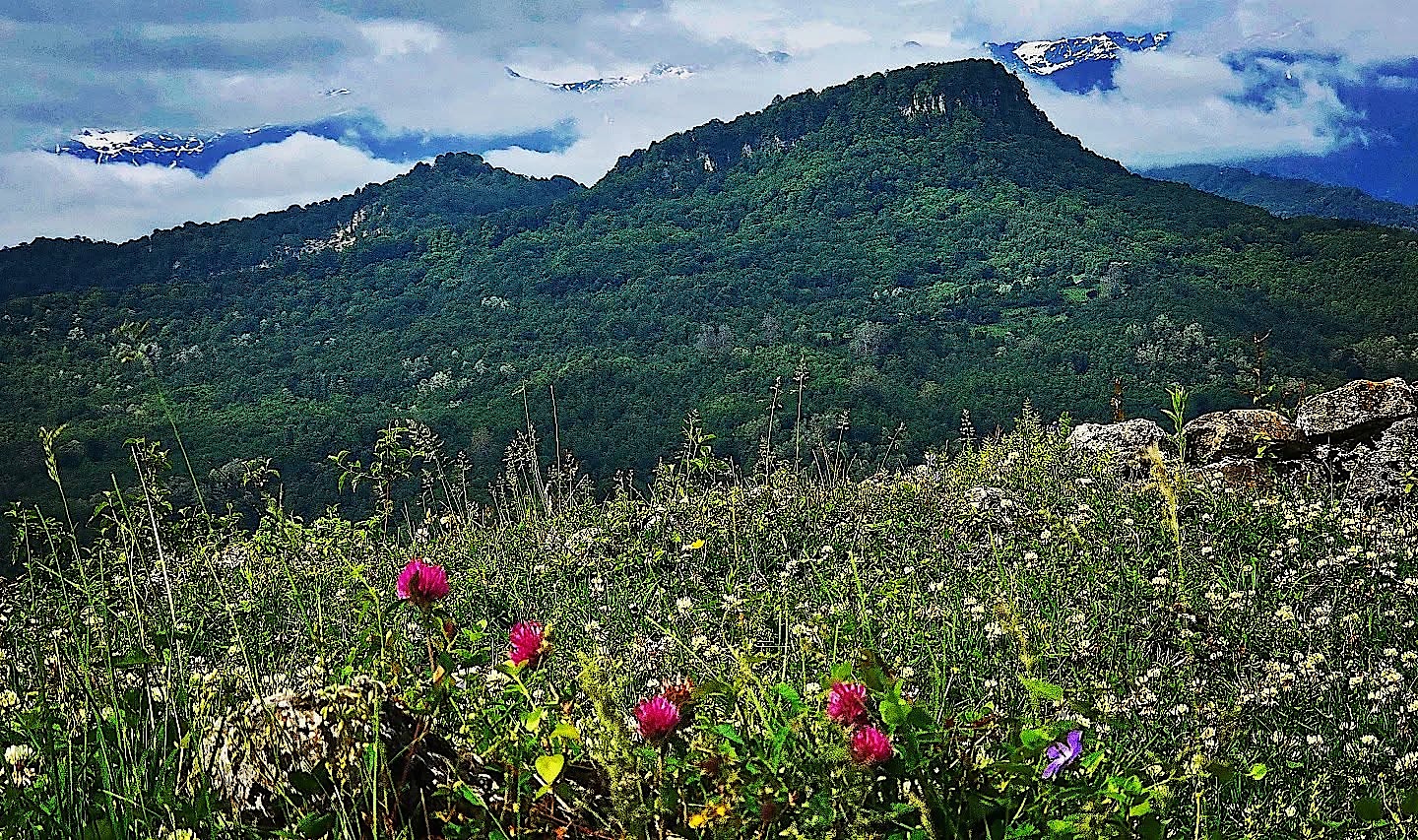
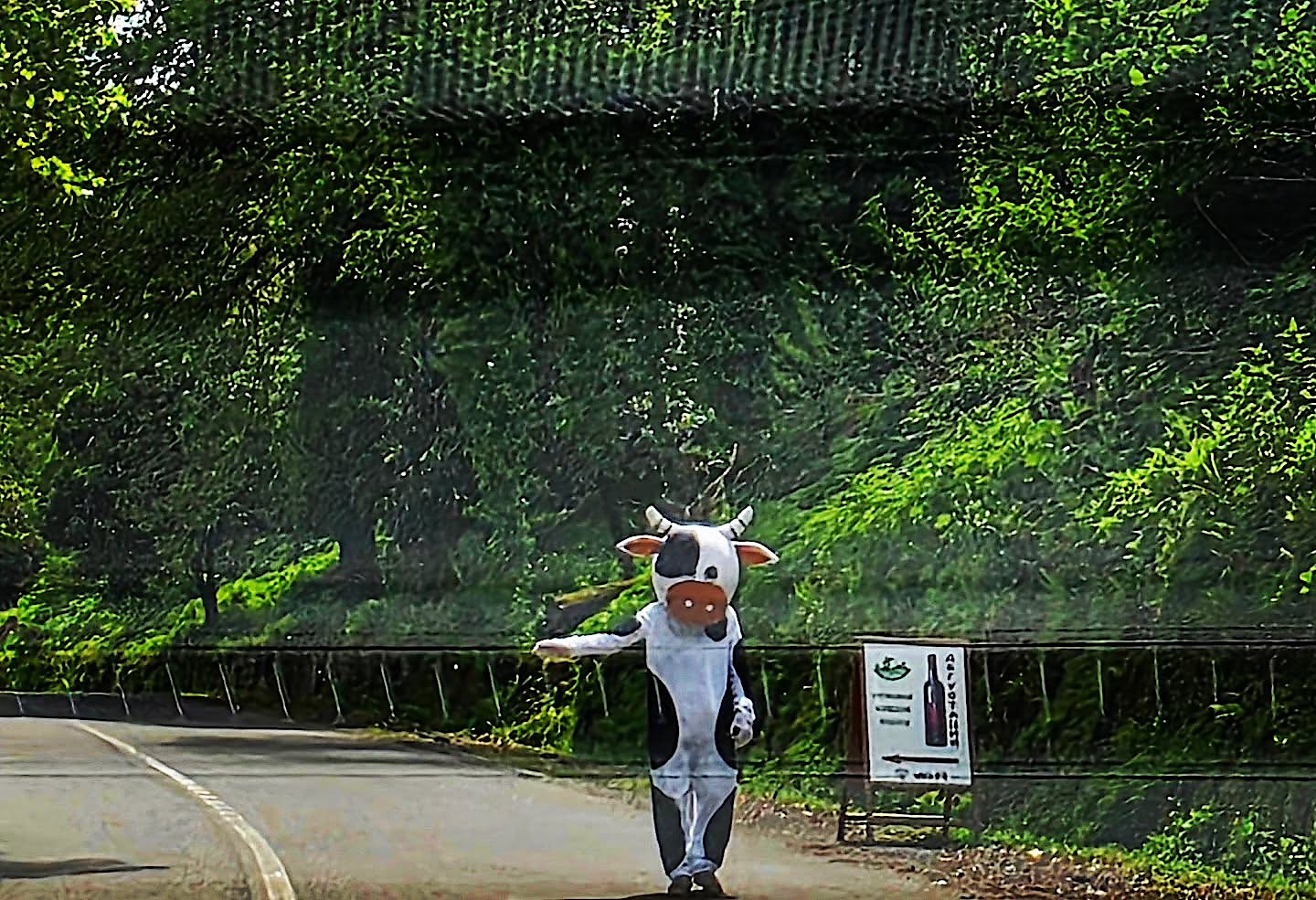
Outside the towns, Abkhazia was in full spring. The meadows were full of flowers below green mountains, cows wandered along every road and through every village, and a box of fresh local strawberries cost about a euro. Along the way I also made it into the worldwide top ten for the 330 TCC territories, although 507 NomadMania regions are still waiting, and the next trip started the following week.

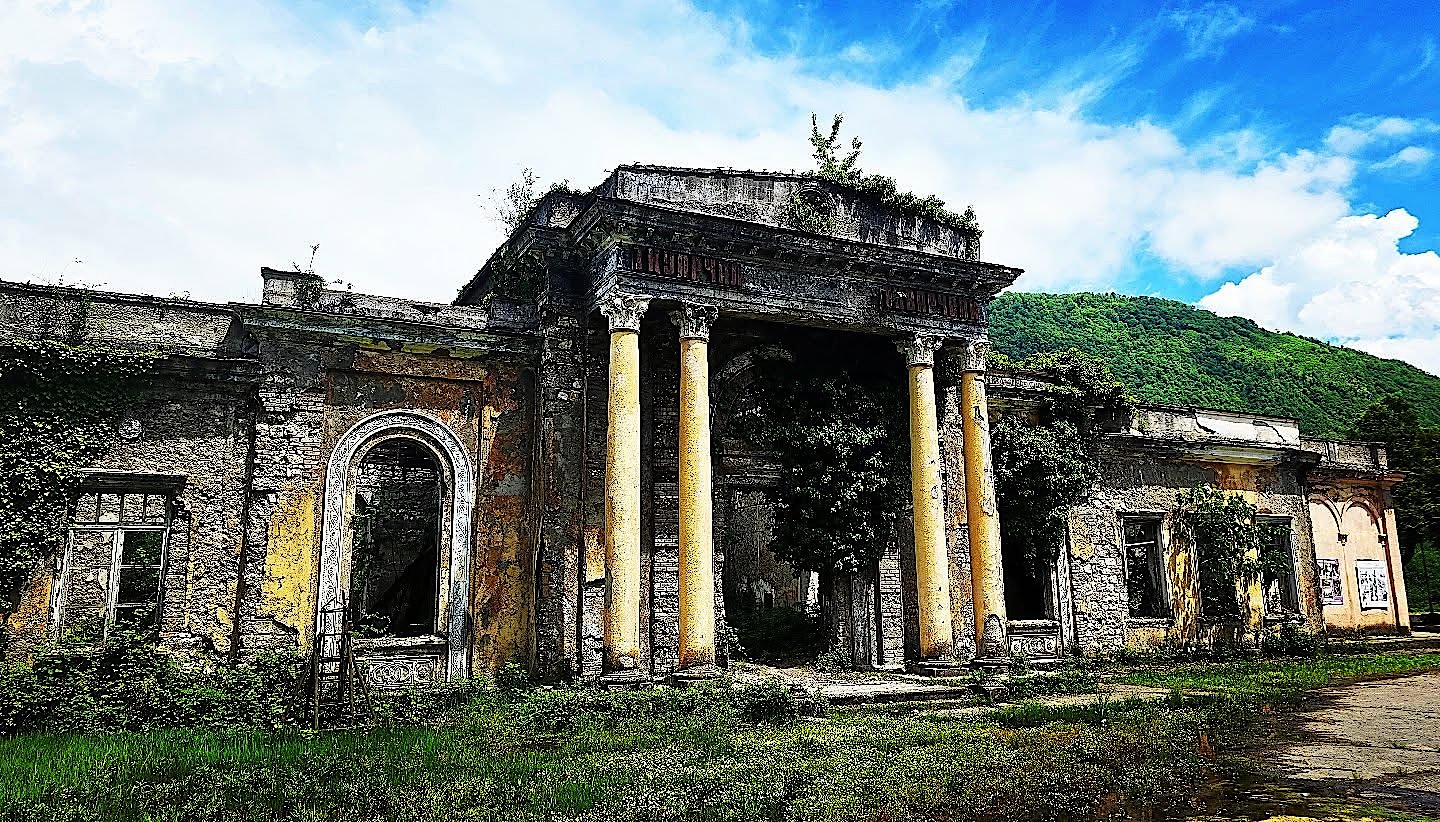
The most haunting place was in the east, towards the Georgian border. Tkvarcheli was once a busy coal-mining town, and today it is almost abandoned. Trees grow out of the apartment blocks, and the grand railway station, with its columns and its name still written above the entrance, is slowly crumbling into the forest.
New Athos in the rain
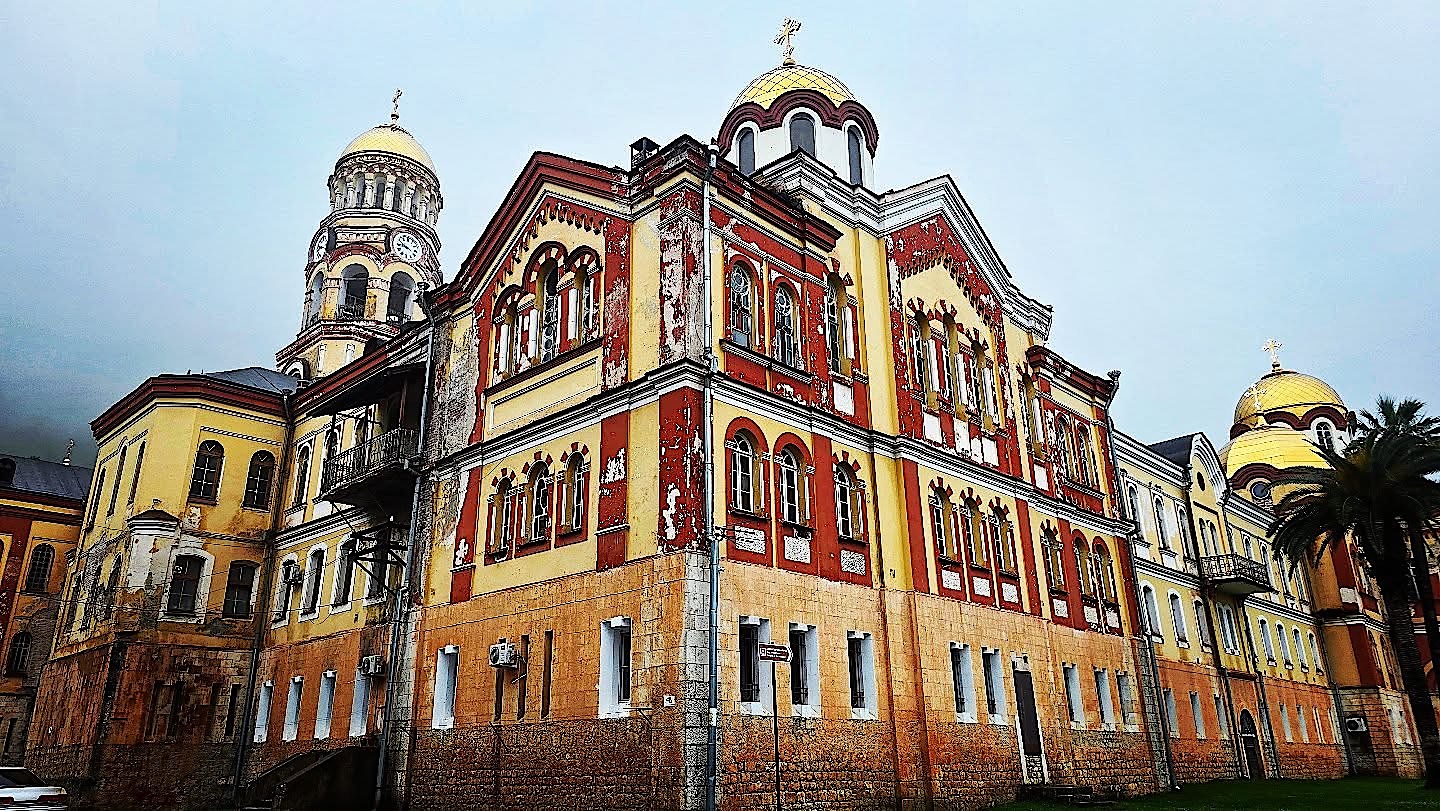
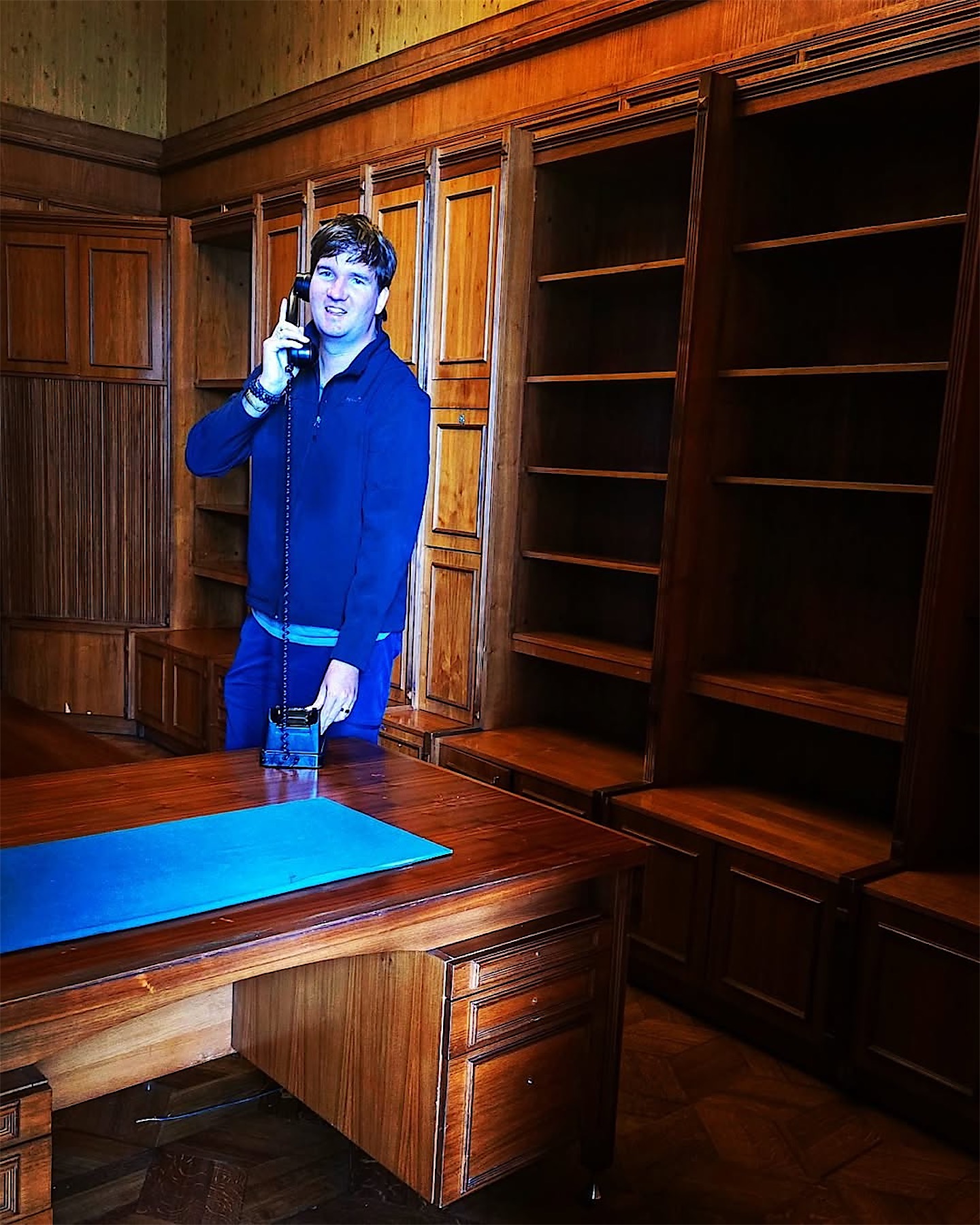
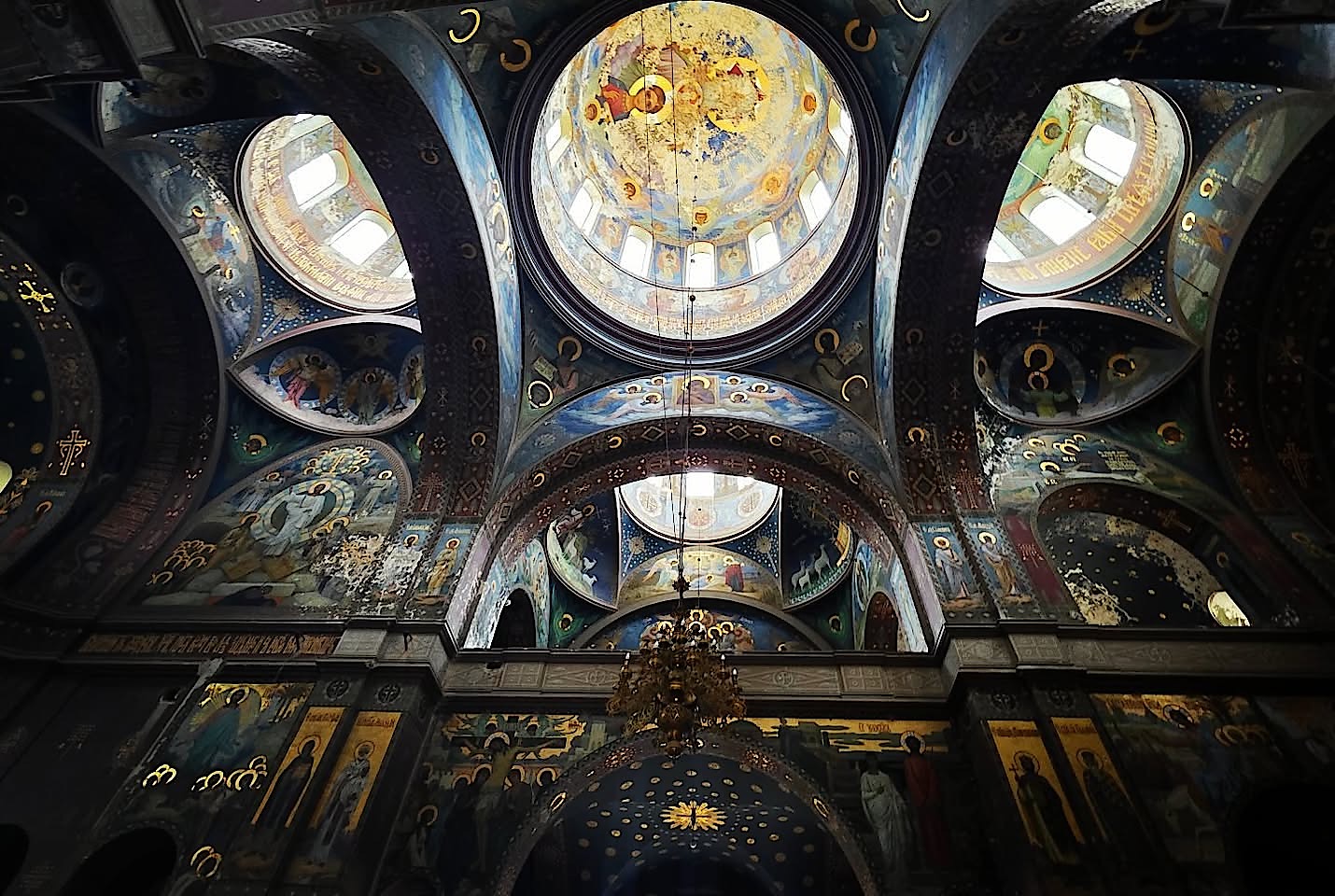
My time in Abkhazia ended as it had begun, in the rain. The monastery stands on a hillside above the Black Sea, its yellow walls and golden domes bright even under low clouds. Inside, every surface of the main church is covered with frescoes. The visit continued with the ruins of the hilltop fortress and the cave, and on the same day I also visited one of Stalin's former dachas, where the old direct telephone line to the Kremlin still sits on the desk.
An Olympic farewell in Krasnaya Polyana
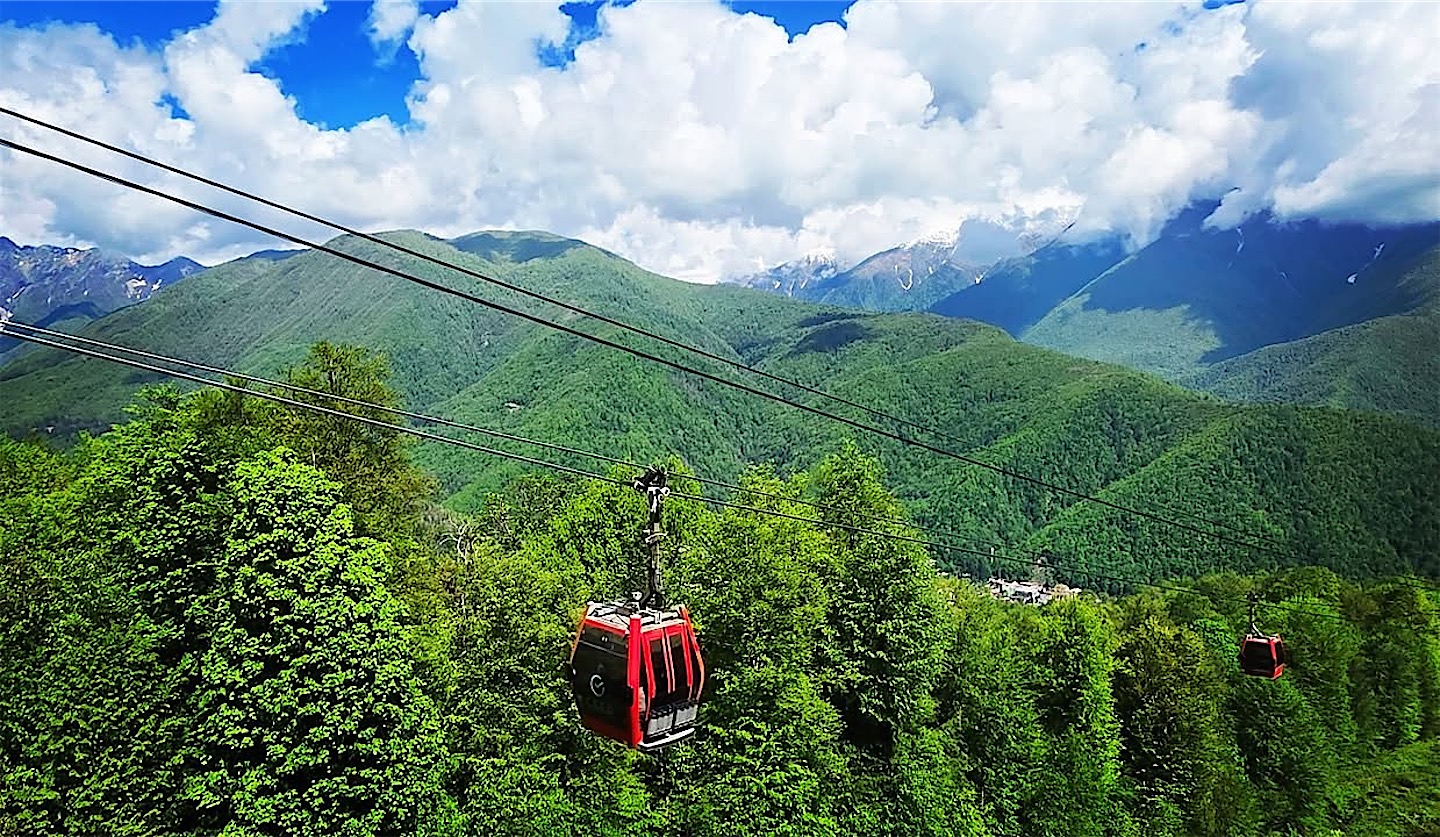
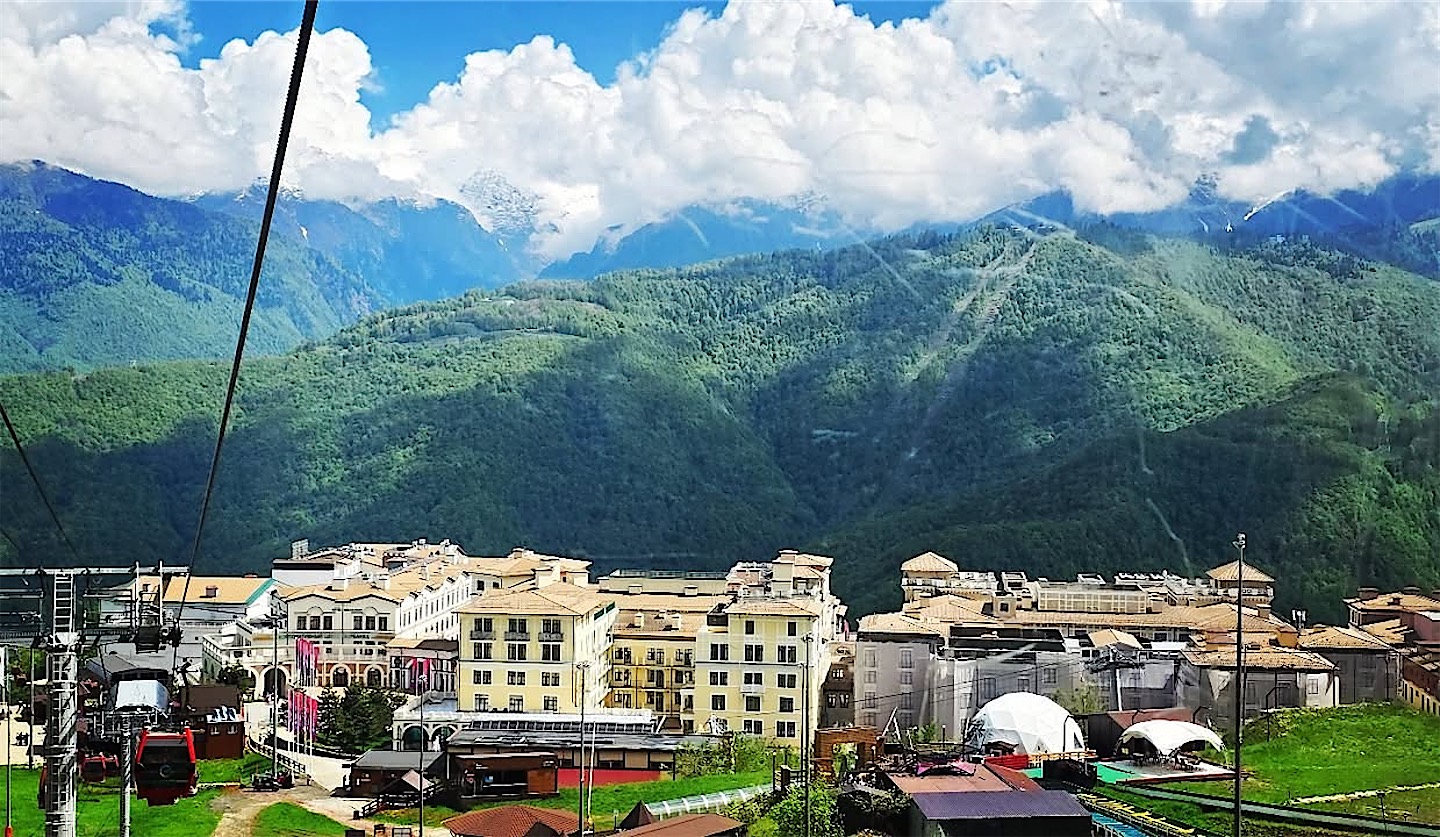
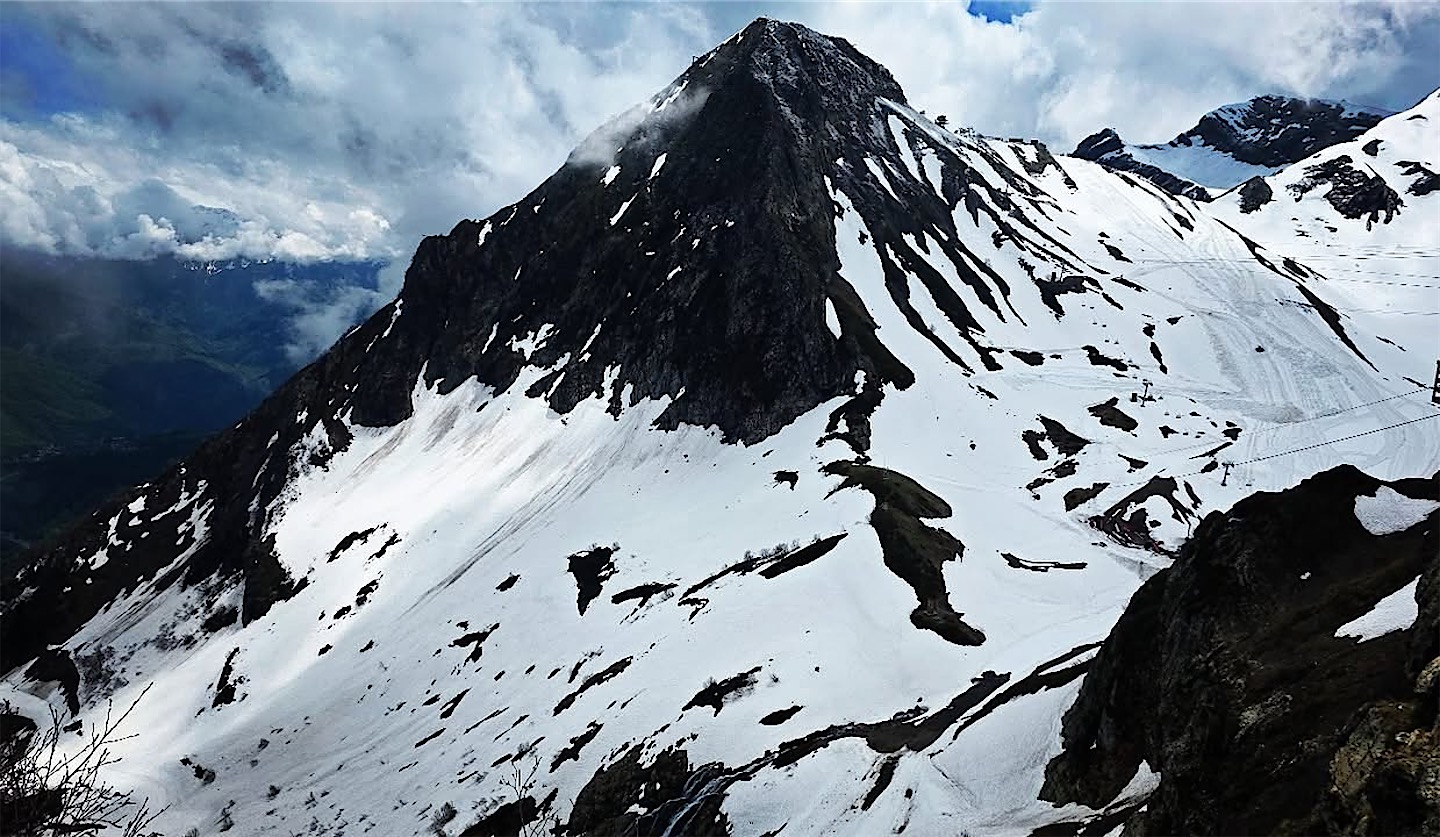
Back across the border, I had a few hours left in Russia before my flight, and I used them to go up to Krasnaya Polyana, the alpine venue of the Winter Olympics, just 45 minutes from the airport. The village is very modern, with gondolas climbing the slopes, and the views of the snowy peaks all around made a fine finale.
From Sochi I flew home the long way, via Dubai, to Germany, where an anniversary event was waiting for me the next day. My travels paused for only five days: a week after leaving Russia I set off for the United States and a road trip through the American Deep South.