
To the Centre of Asia: A Road Trip from Krasnoyarsk Through Khakassia to Tuva
3–9 May 2025 · Krasnoyarsk, Khakassian steppe, Western Sayan, Ak-Dovurak, Chadan, Kyzyl, Shushenskoye, Sayano-Shushenskaya Dam, Abakan · Regions: Russia (Krasnoyarsk Krai, Khakassia, Tuva)
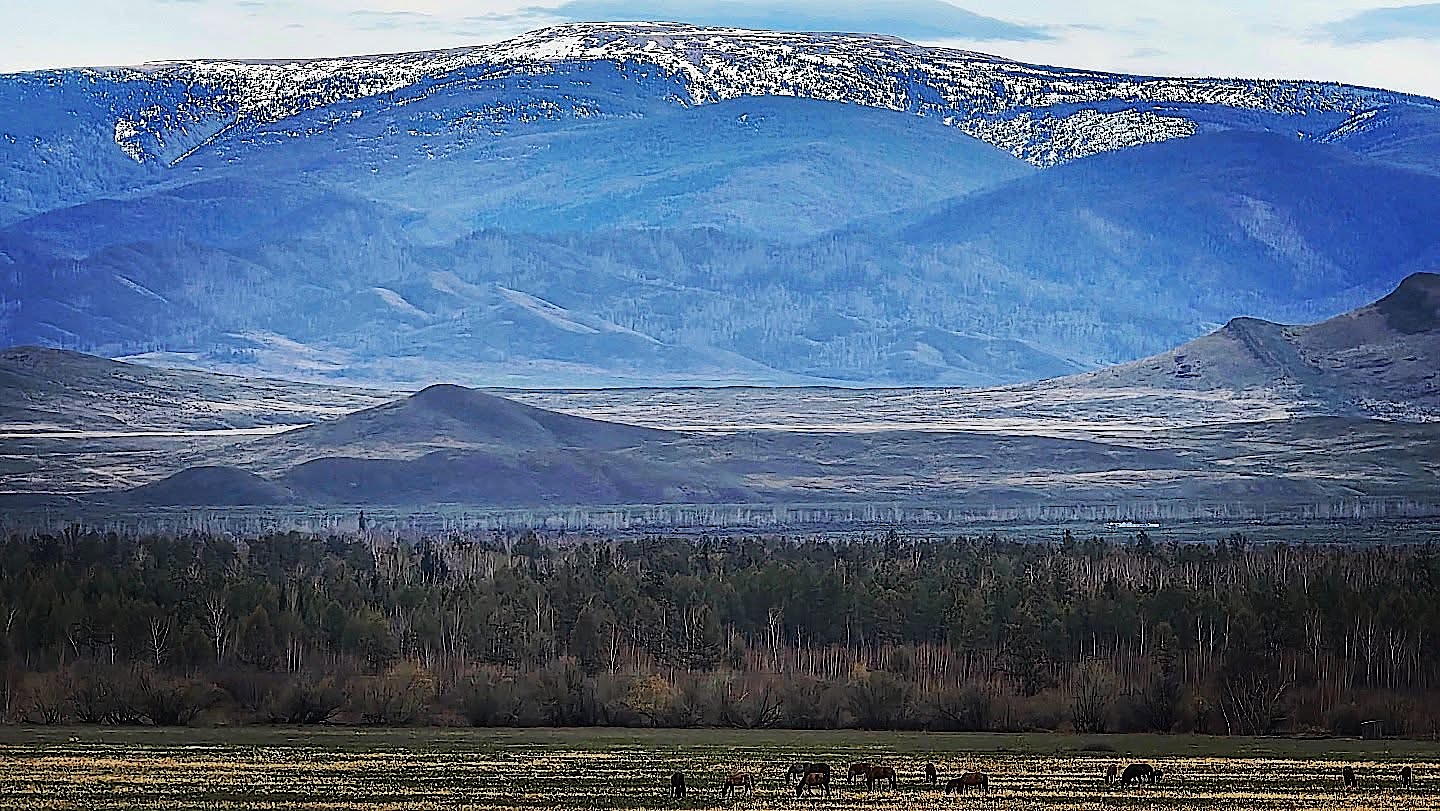
Some places stay on the list for years. Tuva, a Buddhist republic in southern Siberia that claims the geographical centre of Asia, was one of them, and Russia as a whole was a trip I had put off until the very end of my territory collecting. In May 2025 I finally set off on what I expected to be my last big collecting journey: Tuva first, then Dagestan and Abkhazia. Tuva would be number 262 on the UN+ list, and Asian Russia number 325 for the Travelers' Century Club.
Via Belgrade and Moscow to Siberia
The journey began with an early-morning dash up the Autobahn to Frankfurt airport, two hours at speeds of up to 240 km/h. From there I flew via Belgrade, with the Danube winding across the Pannonian Plain below, to Moscow. I travelled on my Vanuatu passport, and immigration at Sheremetyevo was quick: no questions, a brief look at the passport through a magnifying lens, and an officer who had apparently never heard of Vanuatu but waved me through at once.
The next morning I landed in Krasnoyarsk, finally in Siberia, and there was still snow in the forests along the road. The plan was ambitious: around 700 kilometres a day by car. Tuva is one of the few Russian regions without a railway, so the only way in by land is a long drive over the mountains.
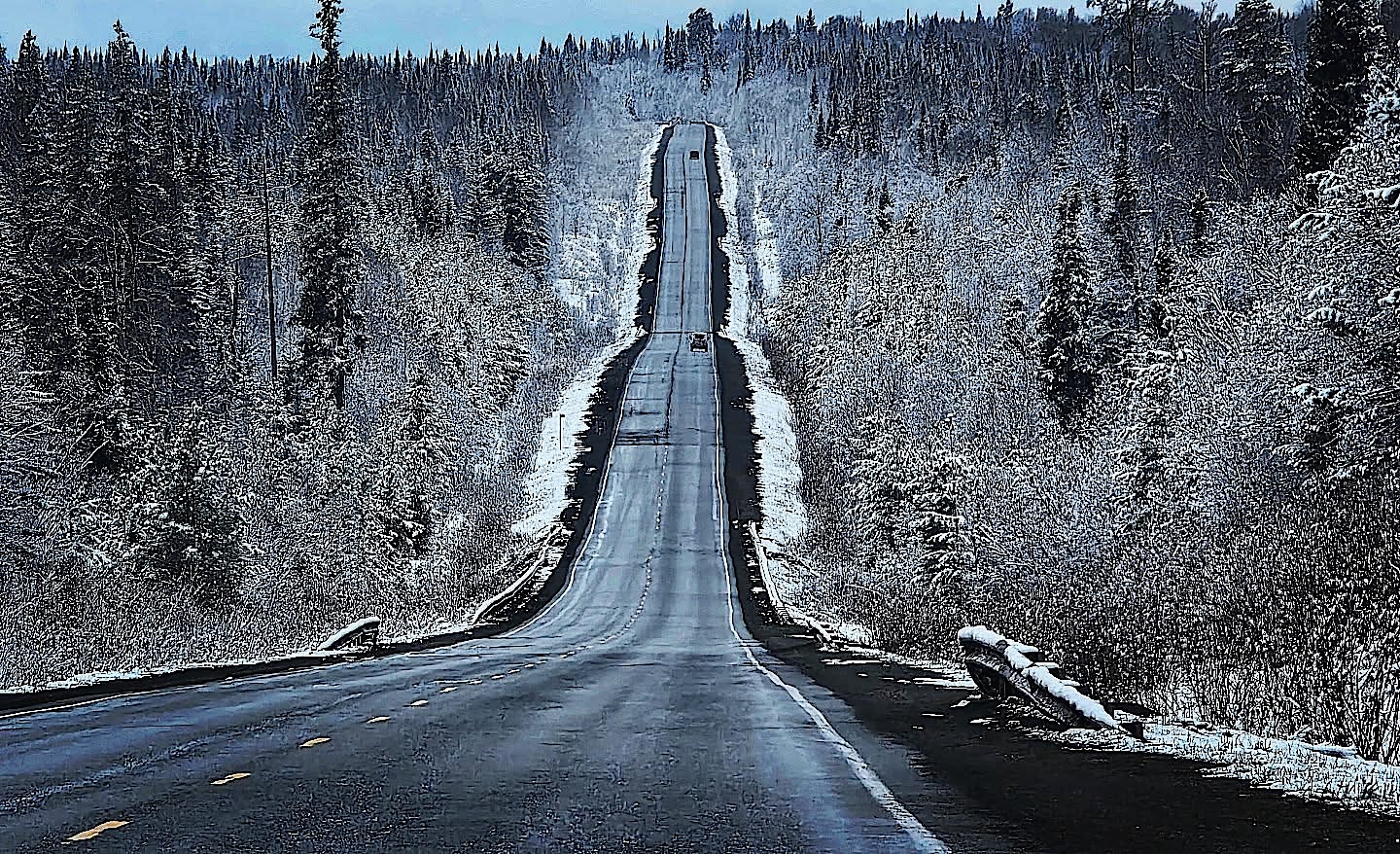
Through the Khakassian steppe
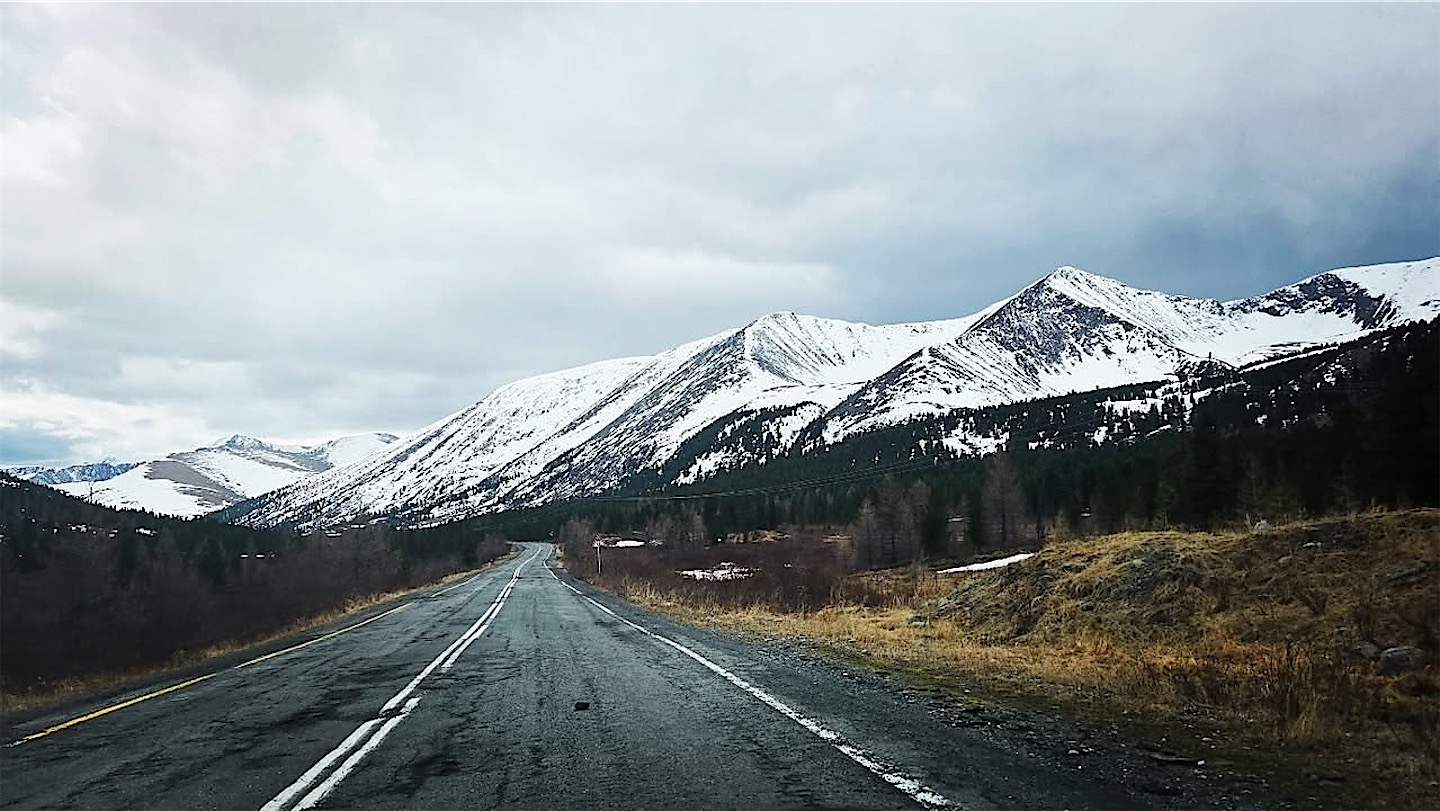
South of the snow the land opened into the rolling grasslands of Khakassia, still yellow and brown before the spring green, with blue hills on the horizon. Our first night's hotel still carried all the grandeur of the Soviet Union, and somewhere along the way I passed a Lenin statue that looked rather sad. The next morning we continued south, and the snow-covered peaks of the Sayan Mountains rose above the steppe.
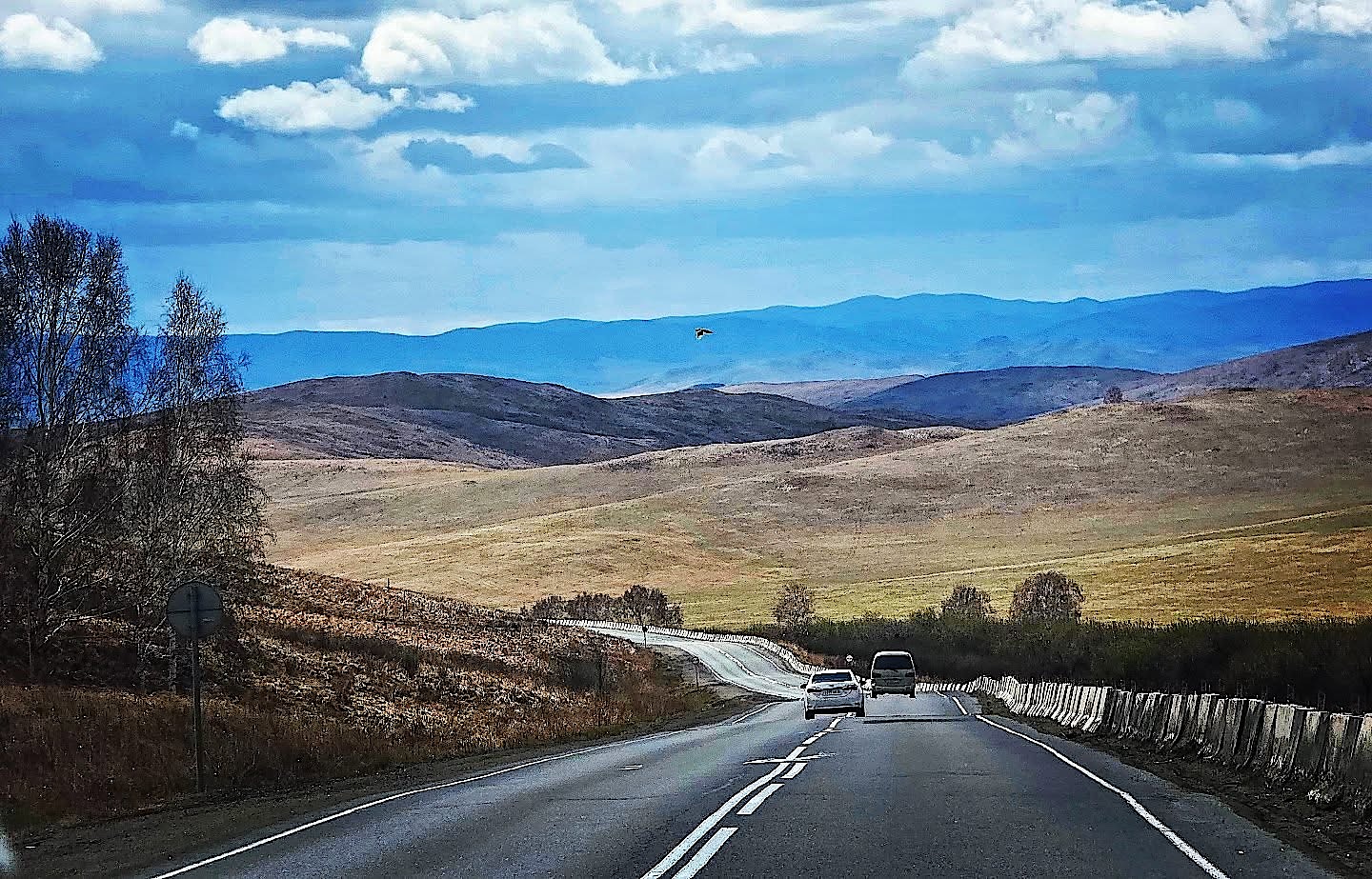
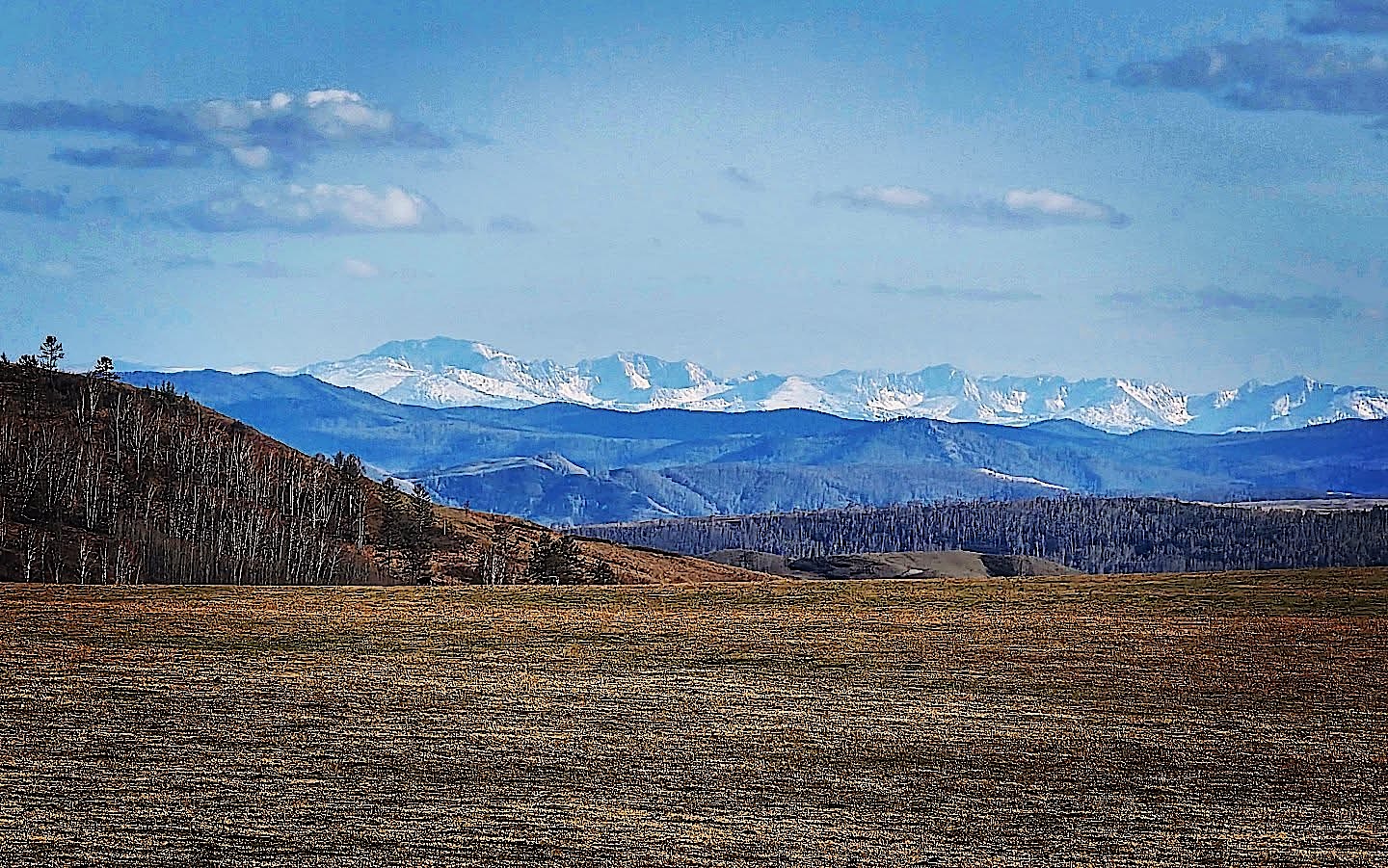
Khakassia is named after the Khakas, a Turkic-speaking people who were traditionally nomadic herders. The Sayan form a long wall along its southern edge, and beyond them lies Tuva.
Over the Sayan into Tuva
The road climbed into the Western Sayan, still deep in winter. At the pass a concrete marker at 2,206 metres welcomed me to the Republic of Tyva, as Tuva calls itself, with snowfields all around. Next to it stood an ovaa, a sacred site of poles and stones hung with colourful ribbons, where travellers traditionally leave small offerings for the spirits of the place. The Tuvans are a people of their own, practising Tibetan Buddhism north of Mongolia, and that identity and their history as a separate state are why Tuva counts on its own on the UN+ list.
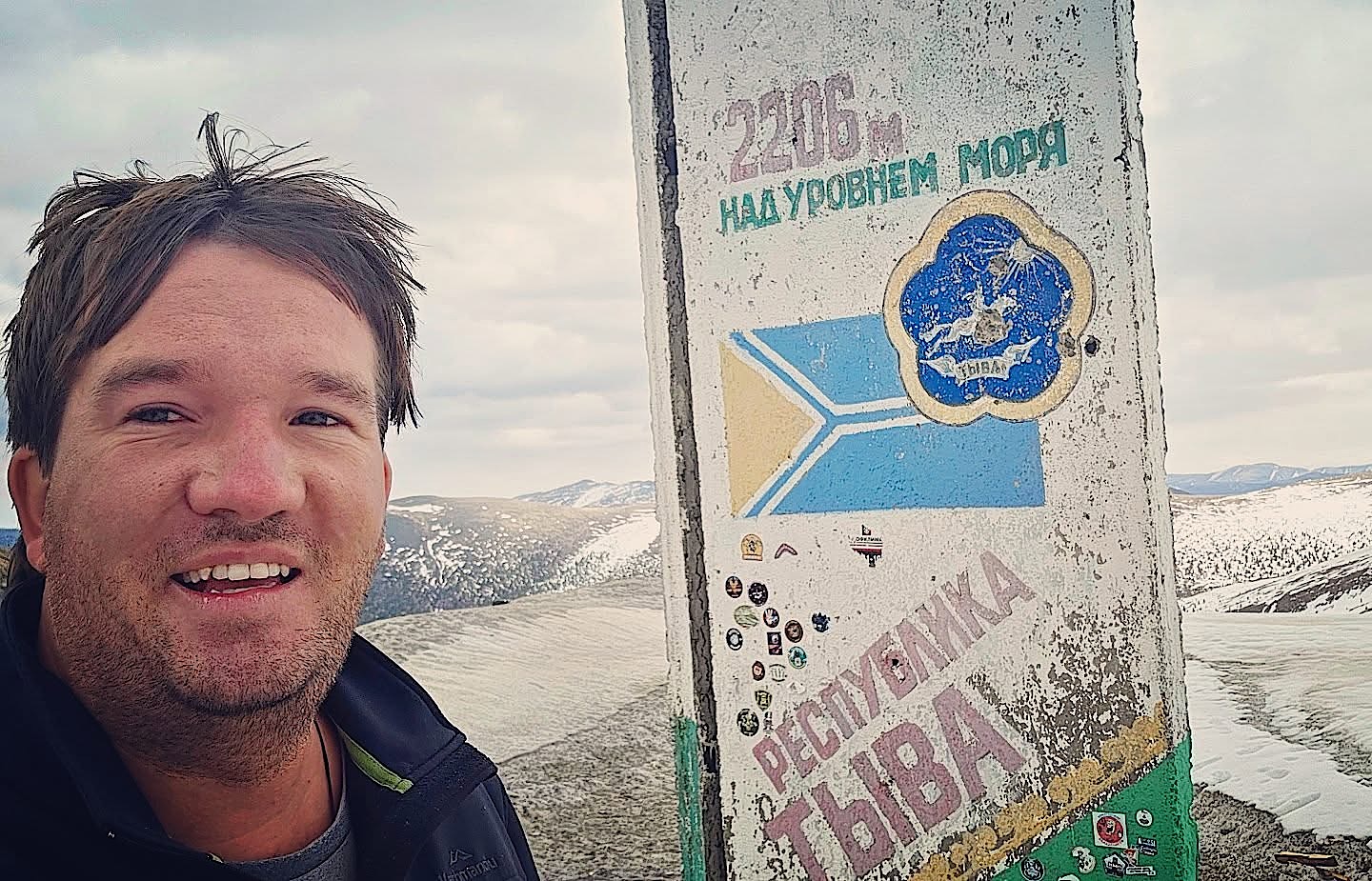
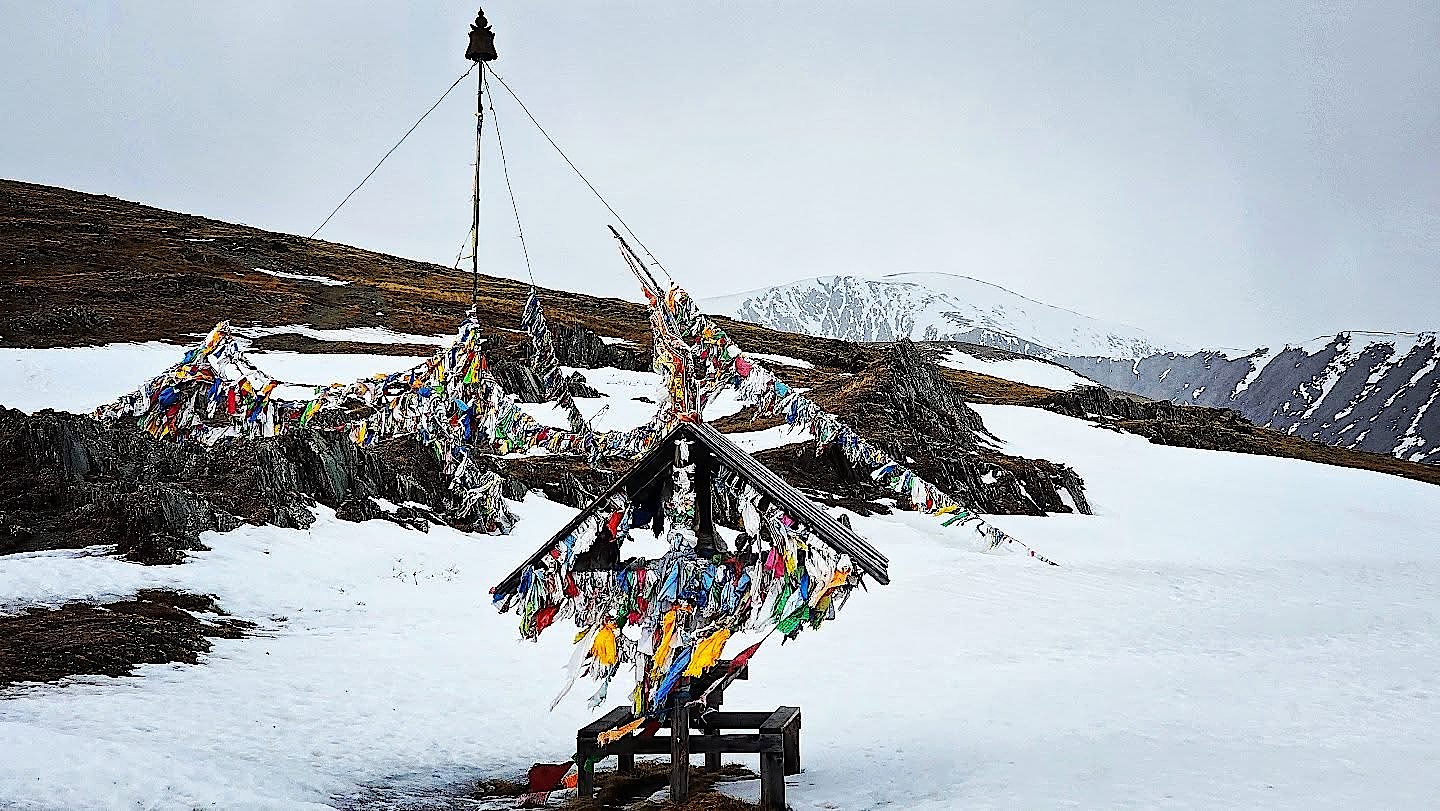
Down from the pass we stopped for lunch in Ak-Dovurak, a town built around one of the dirtiest factories in the country, where asbestos is still mined and processed. Only a day later did I read that Tuva has long had one of the highest murder rates in Russia, and that Ak-Dovurak is said to top the national statistics. So much for my idea of peaceful Buddhists.
Then came another twelve scenic hours on the road, past the small town of Chadan and through wide valleys where horses grazed below snow-capped ridges. Luckily I could spend plenty of that time reading and working.
Kyzyl and the Centre of Asia
Kyzyl, the Tuvan capital, is the reason most travellers come this far. Its famous monument marking the geographical Centre of Asia was being renovated during my visit. A hundred metres away, though, a group of bronze horsemen with bow and hunting bird made the more scenic photo anyway.
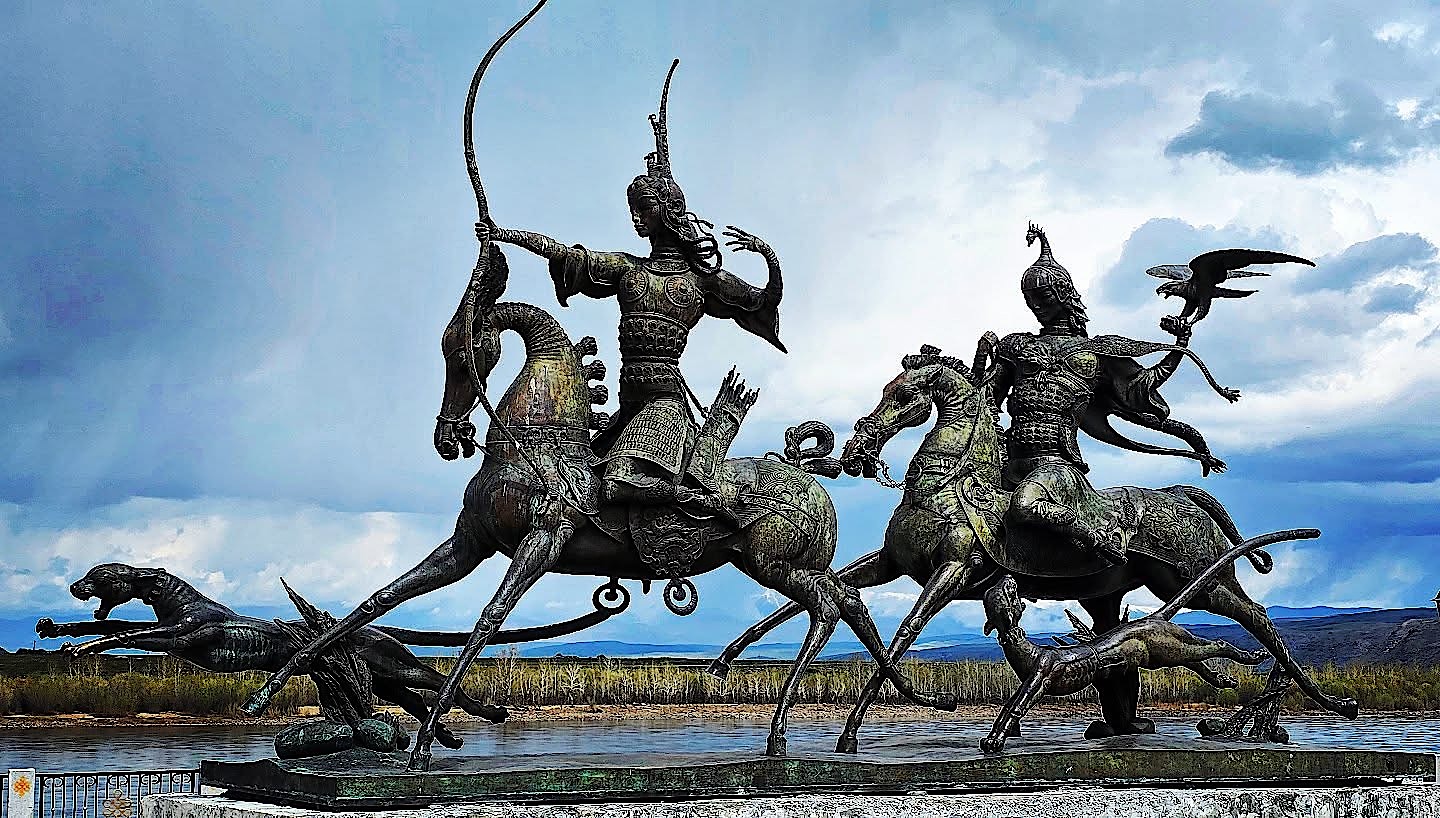
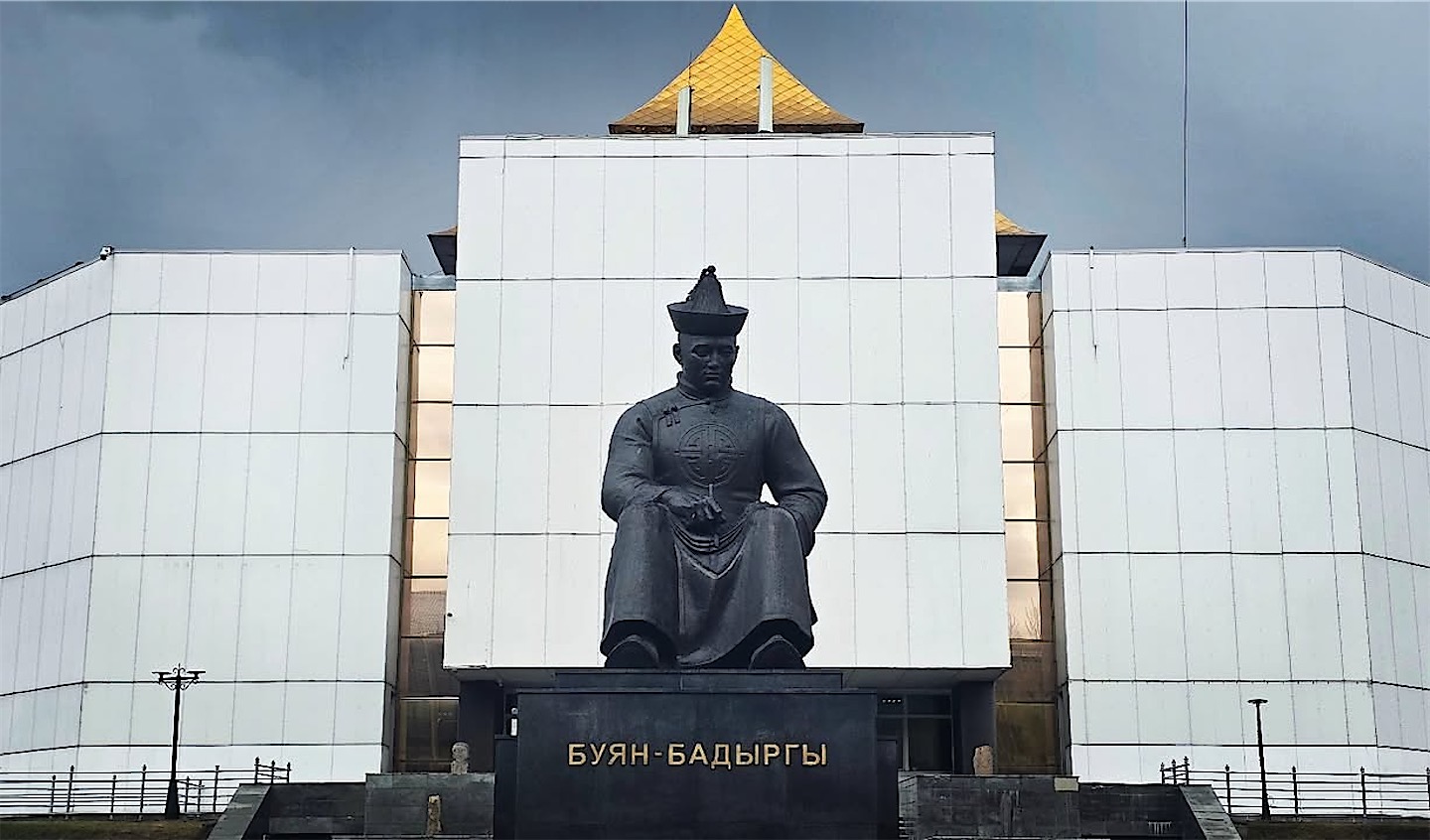
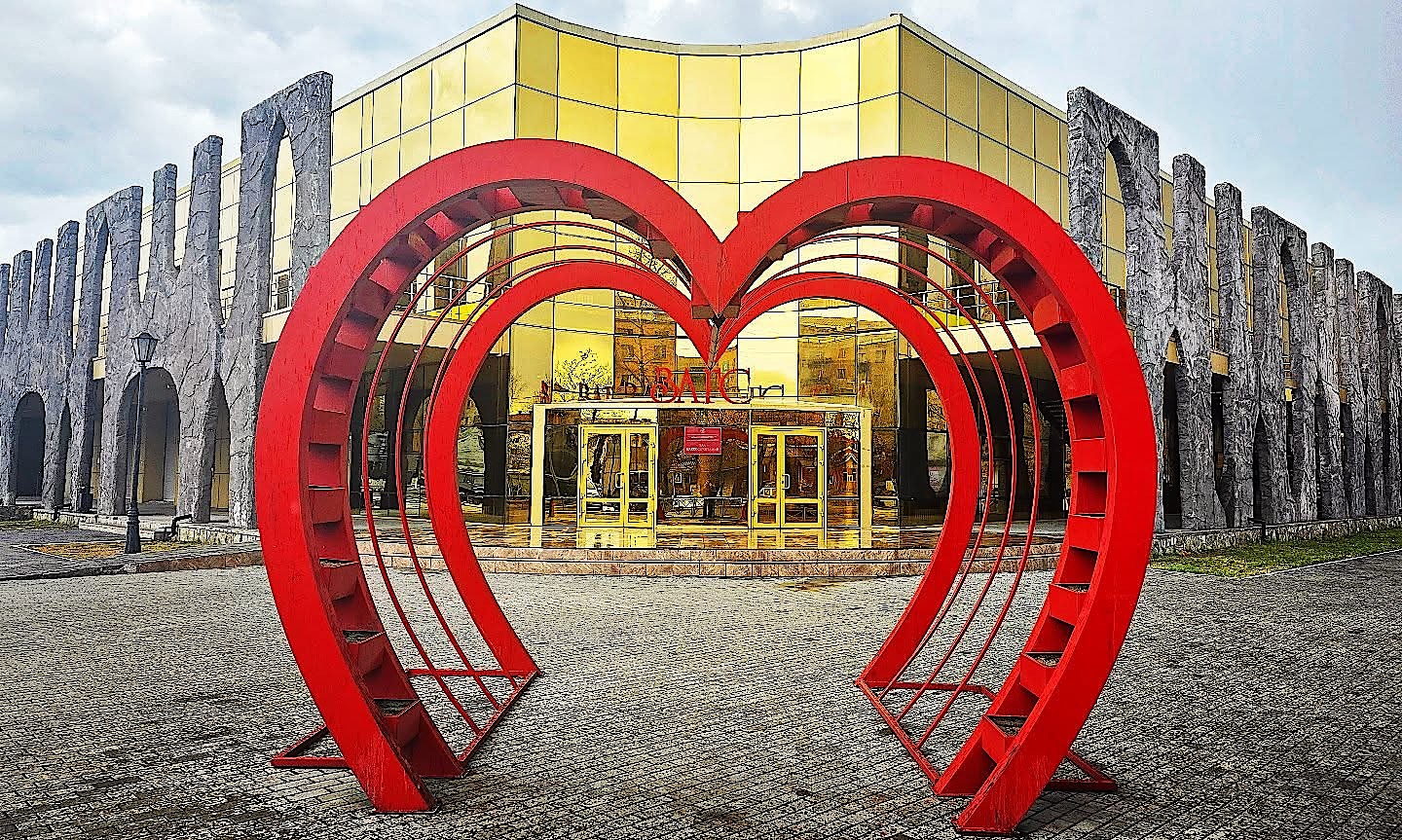
I spent the rest of the day exploring the town: Buddhist temples with prayer flags fluttering over the steps, the National Museum with its golden roof, and murals and memorials all around the centre. The marriage hall, with a giant red heart in front of it, seemed fitting, since Tuva has one of the highest birth rates in Russia.
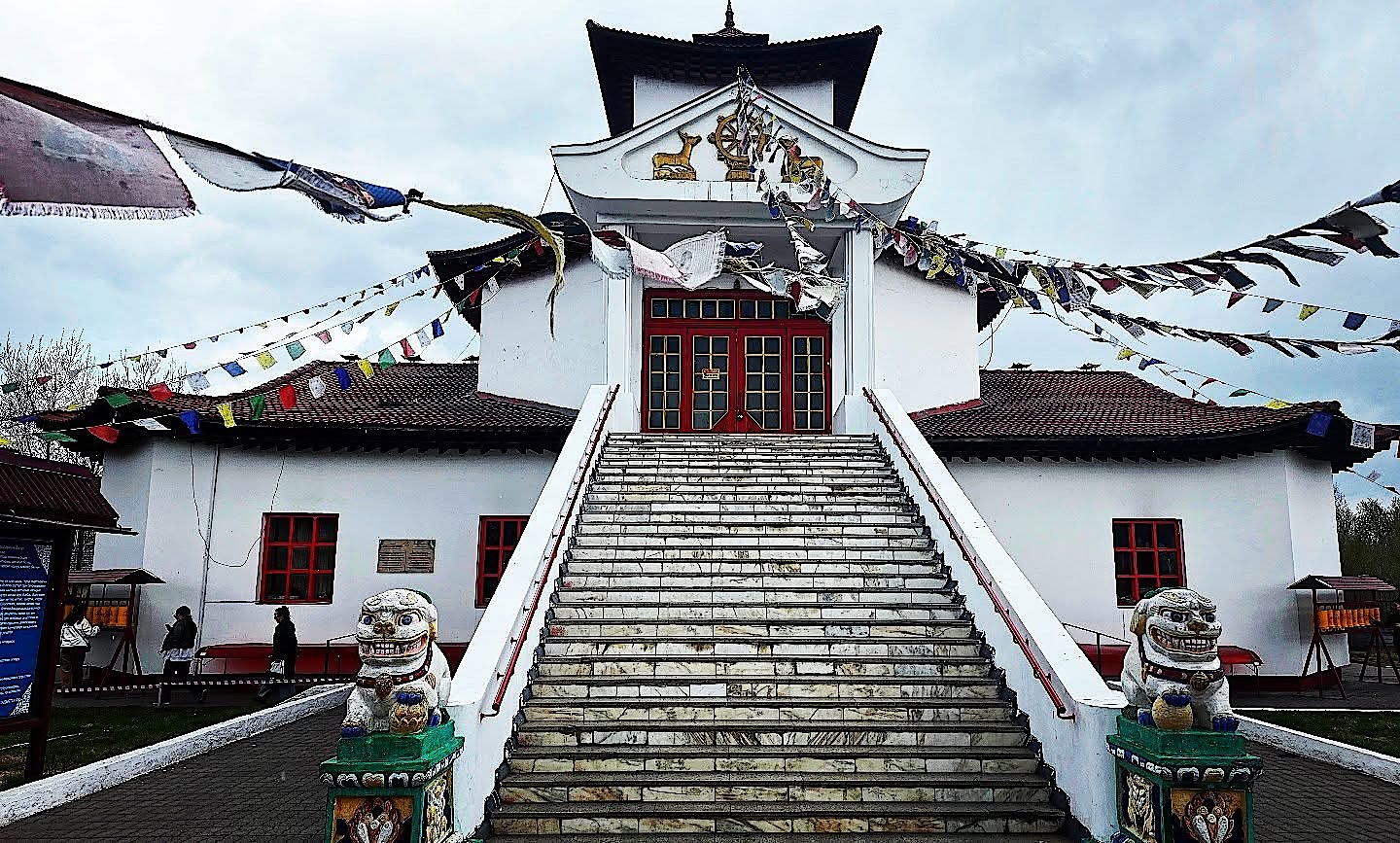
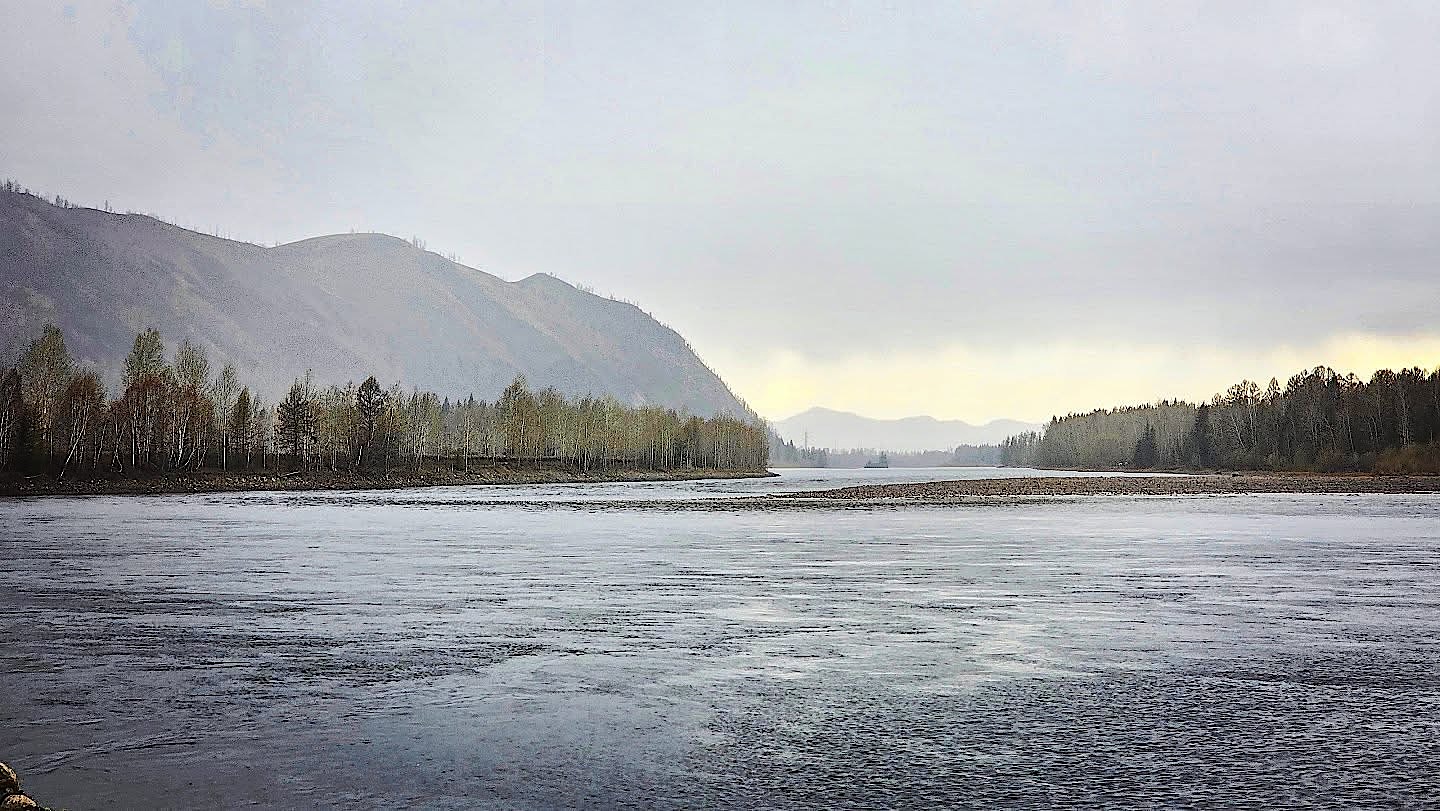
The Yenisei begins right here in Tuva and flows all the way north to the Arctic Ocean.
Shushenskoye and the great dam
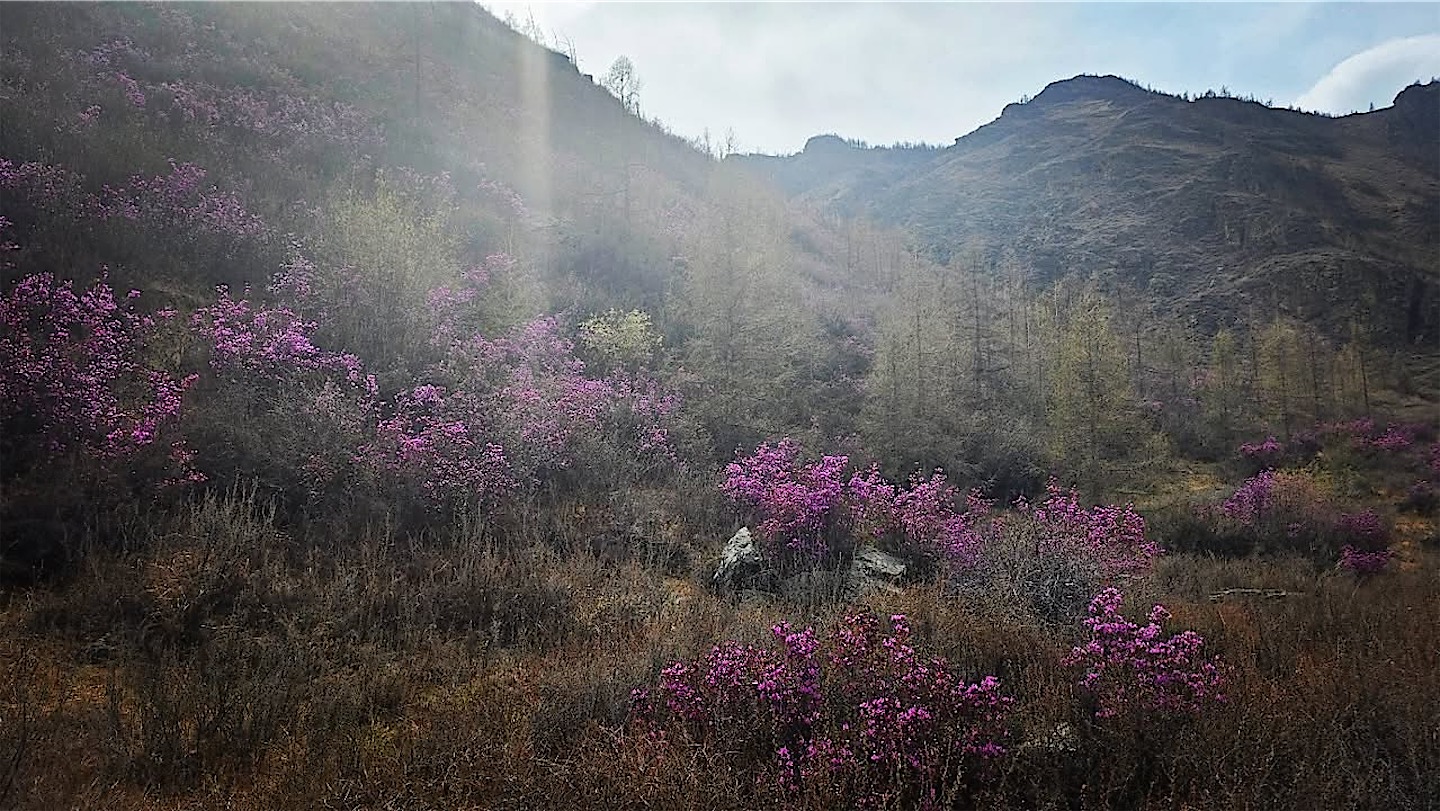
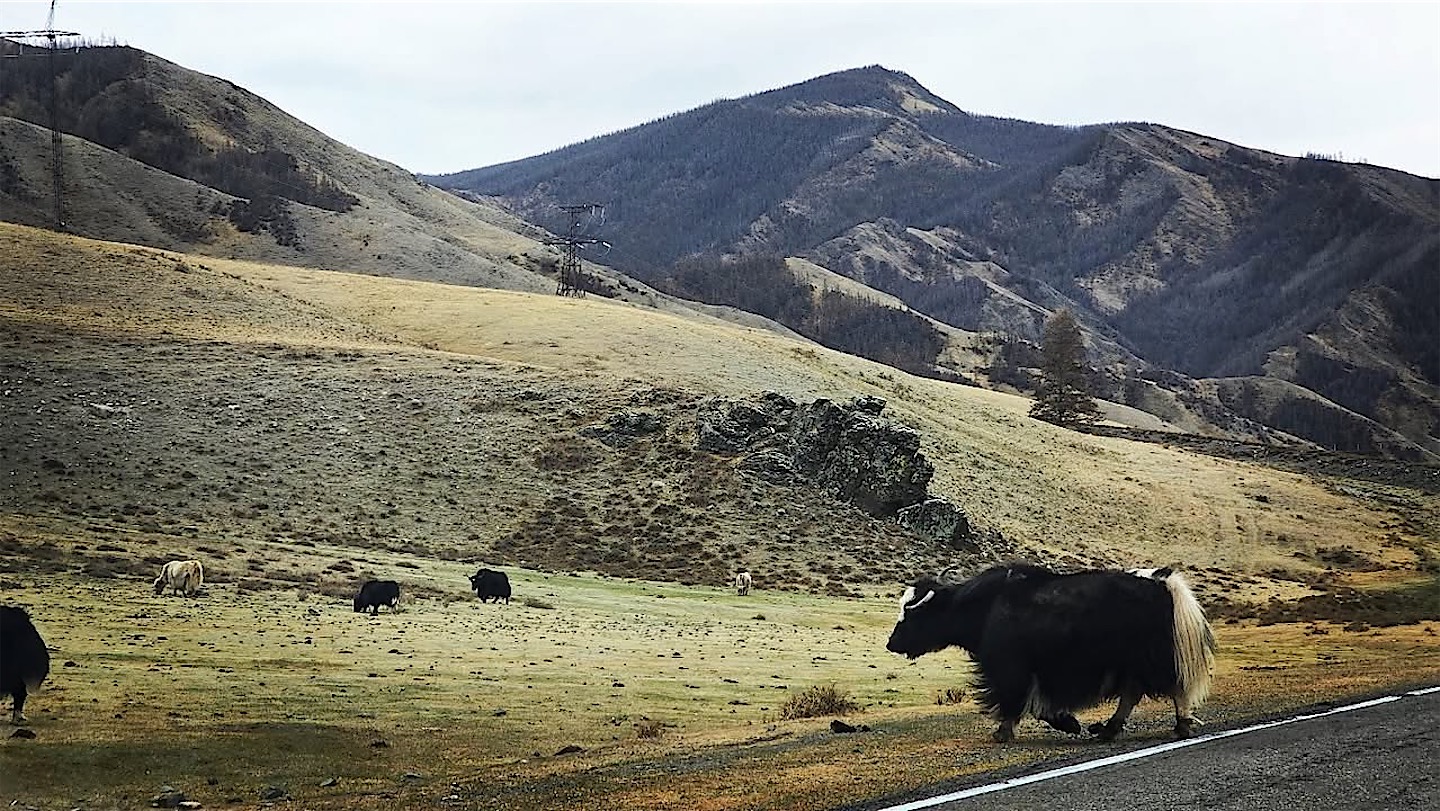
The drive back north took us through more Tuvan wilderness: rivers in deep valleys, hillsides glowing pink with the first blossom of spring, yaks along the road and another range of snowy peaks.
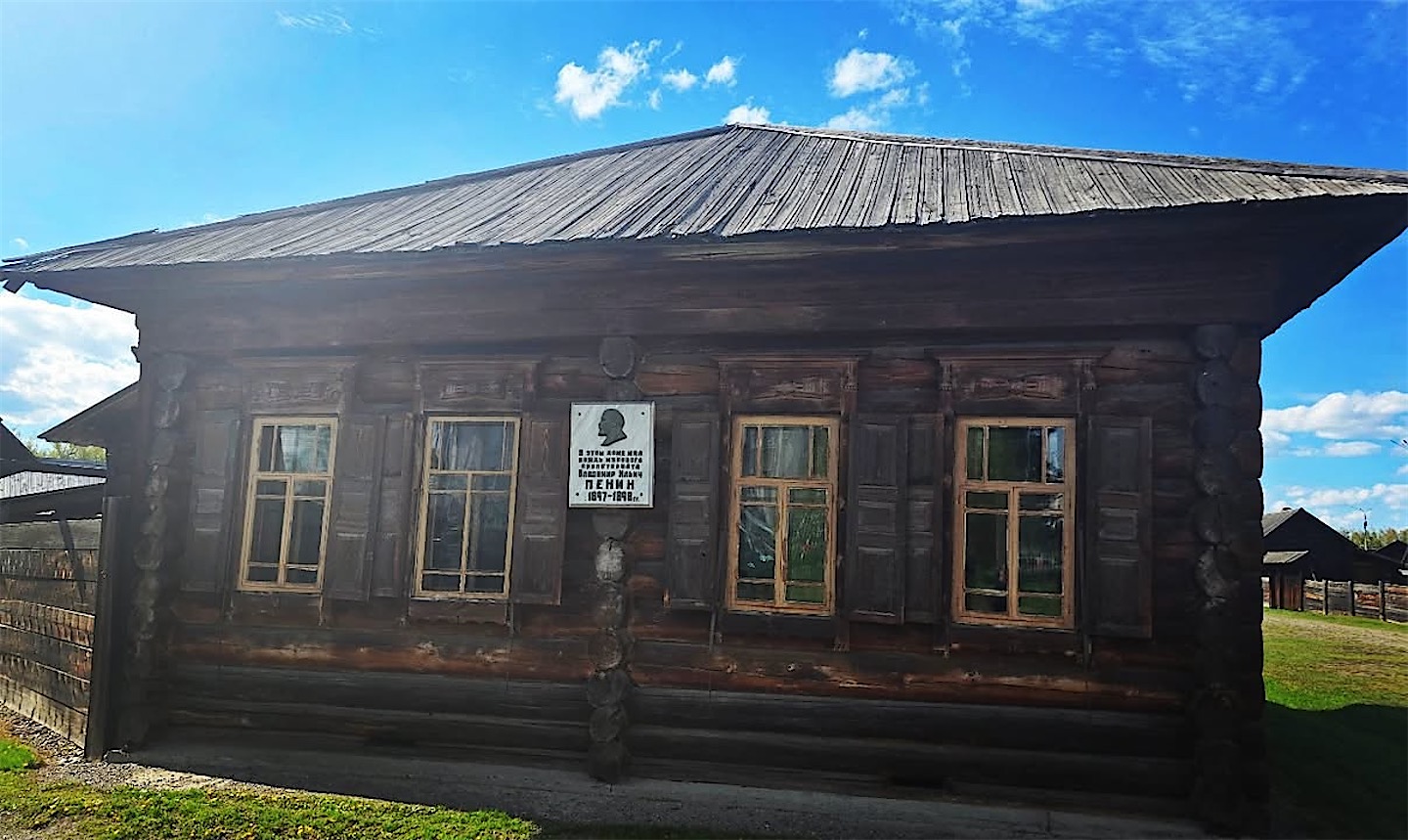
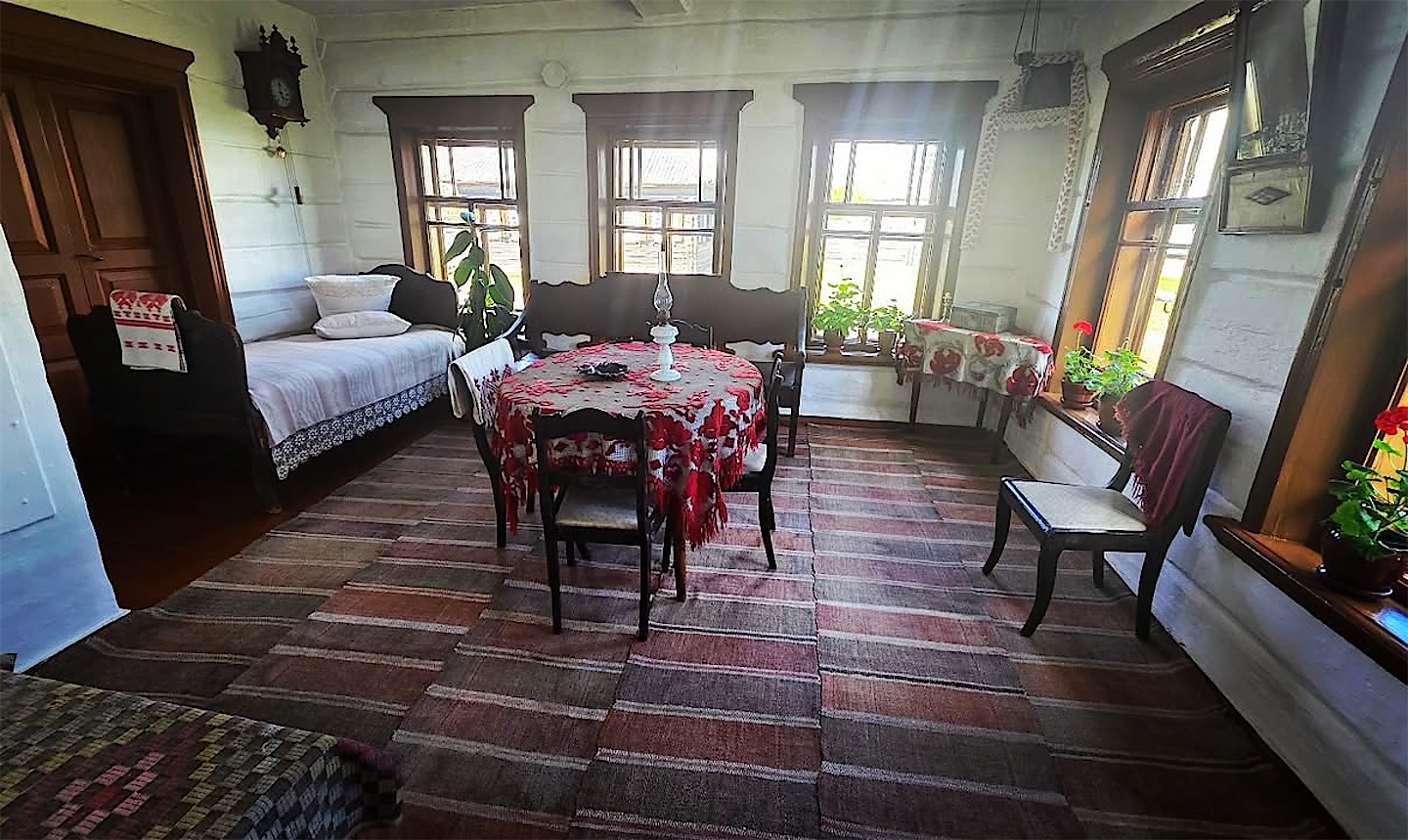
Back in Krasnoyarsk Krai, Shushenskoye was the first real tourist attraction of the trip. Lenin spent three years of Siberian exile in this village and wrote some of his major works here, and the wooden houses where he lived are now a museum and still something of a pilgrimage site.
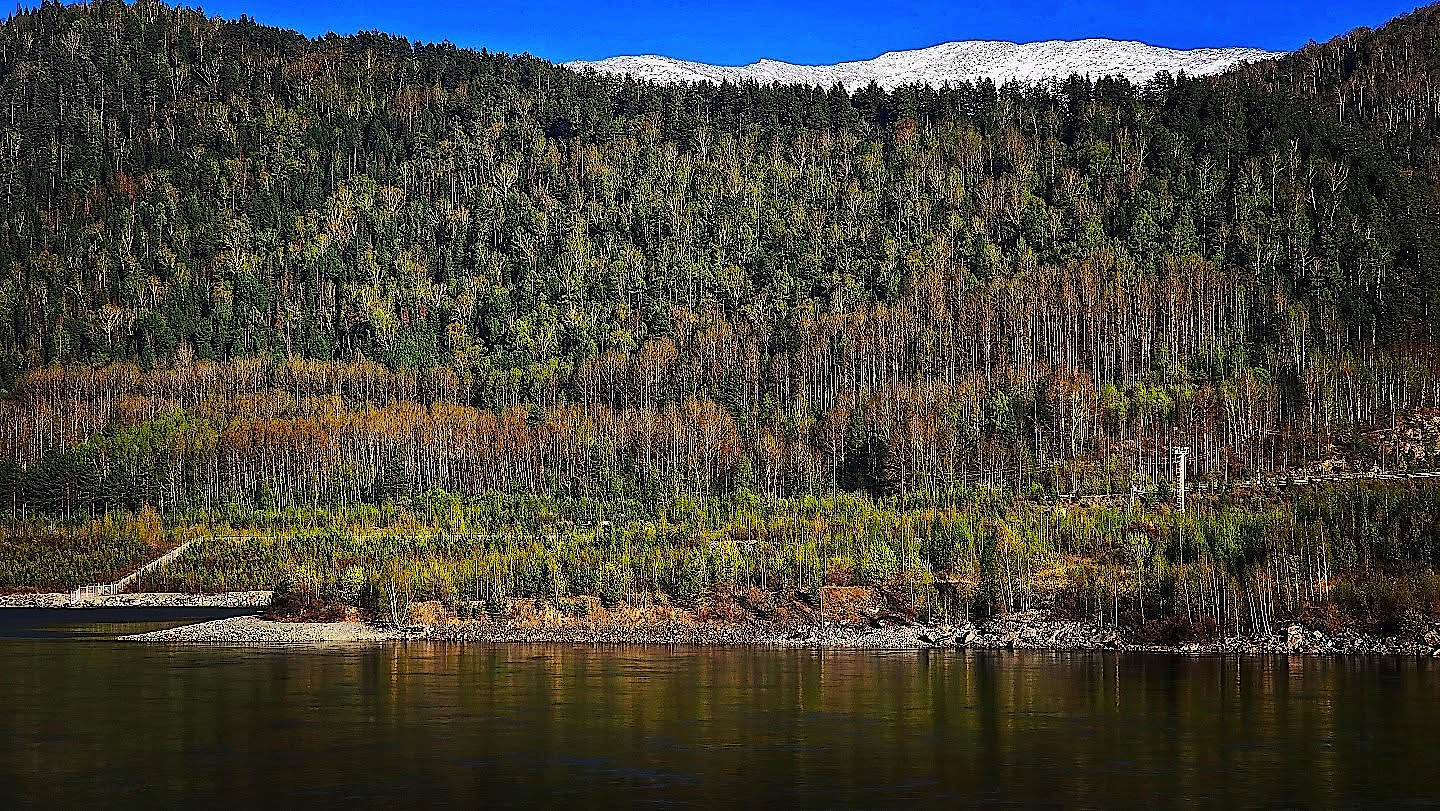
Not far upstream the Yenisei is held back by the Sayano-Shushenskaya Dam, a vast concrete arch across the river and the largest hydroelectric dam in Russia, with ten giant pipes running down its face to the turbines. Back in Khakassia, we followed the river again between forested hills.
Standing stones and Krasnoyarsk
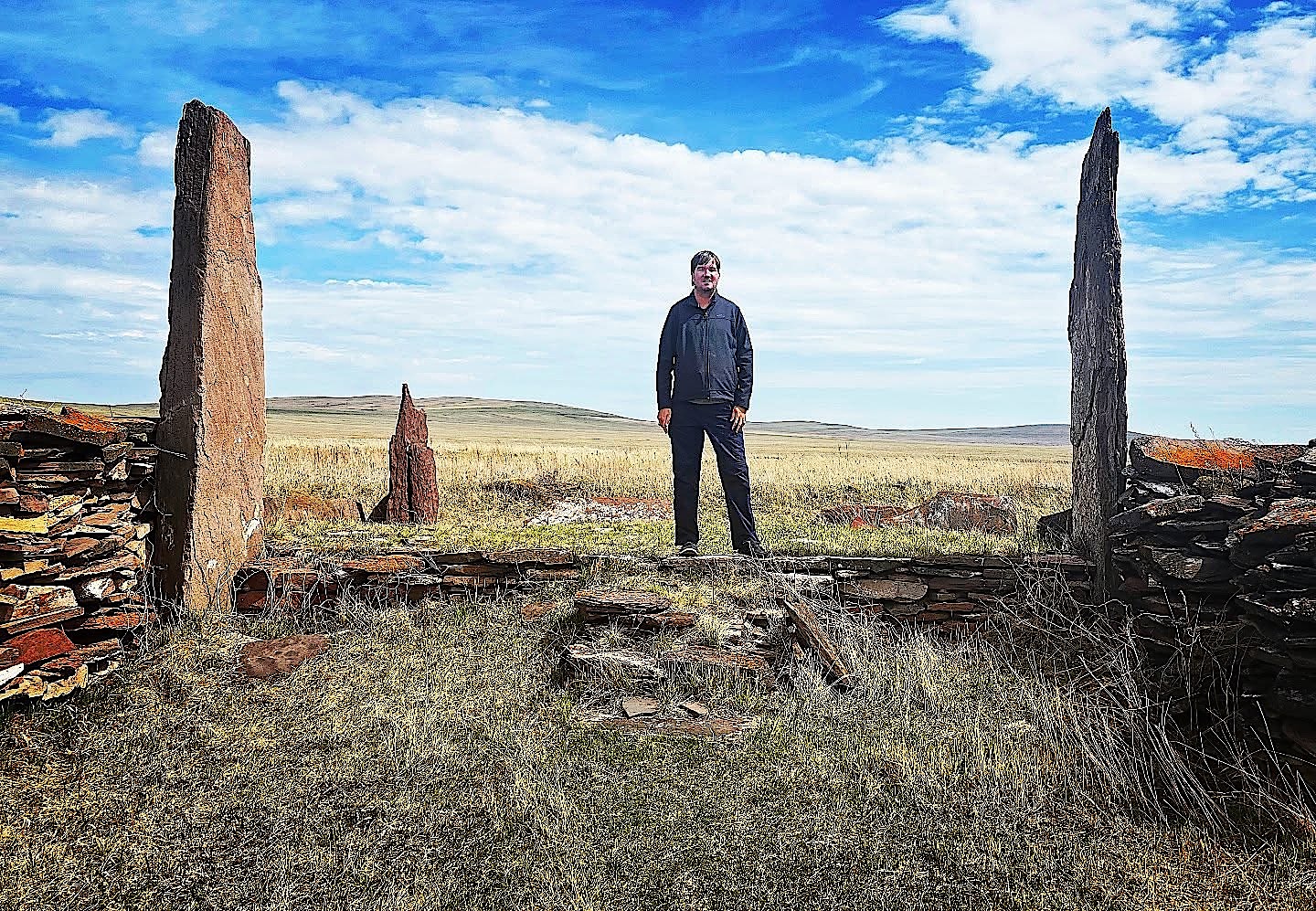
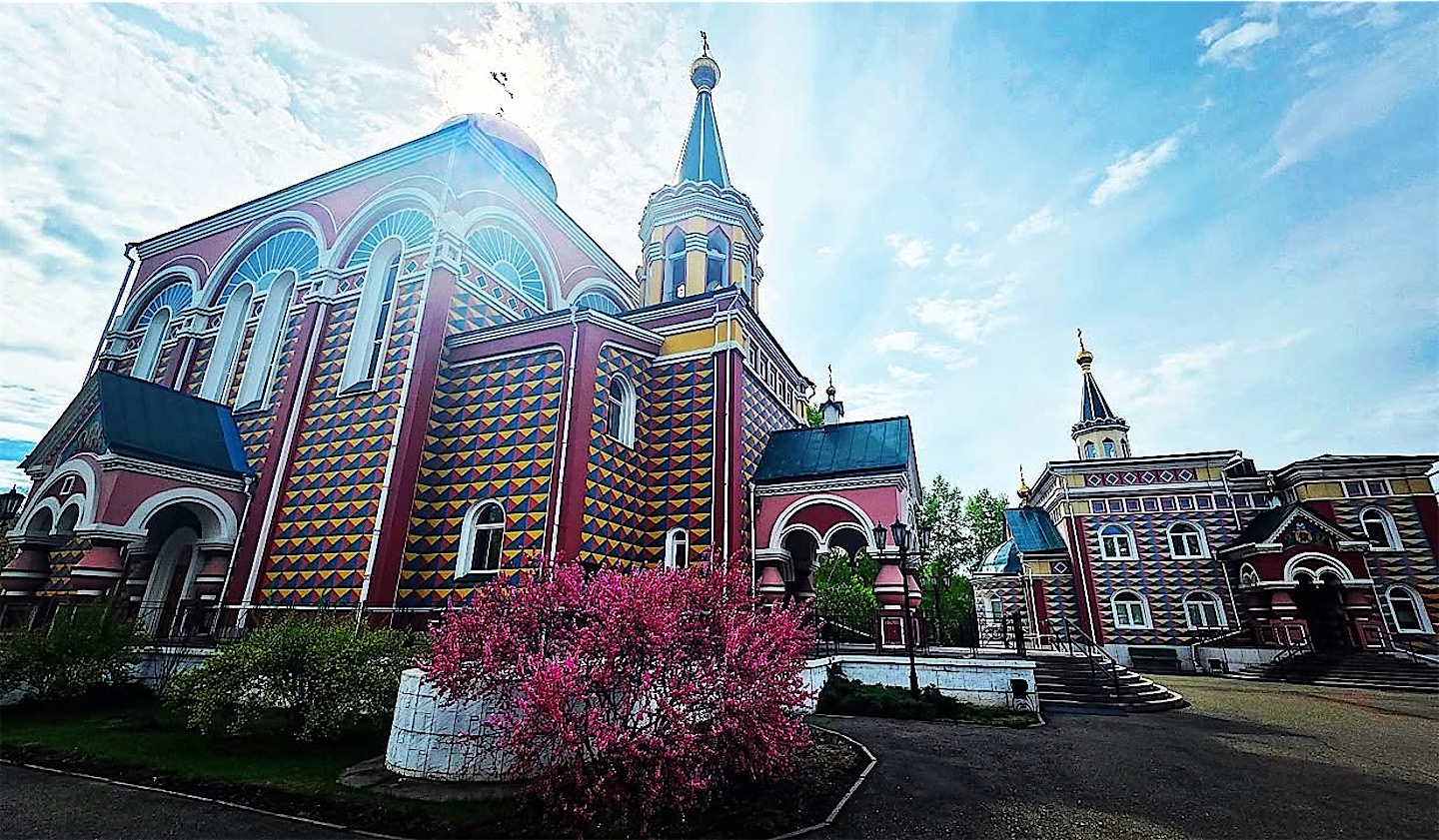
Abakan, the capital of Khakassia, did not have much to offer beyond a seated Lenin and some nicely colourful churches. The steppe outside town was more interesting, with more of the Scythian-era stone circles whose weathered slabs mark ancient graves.
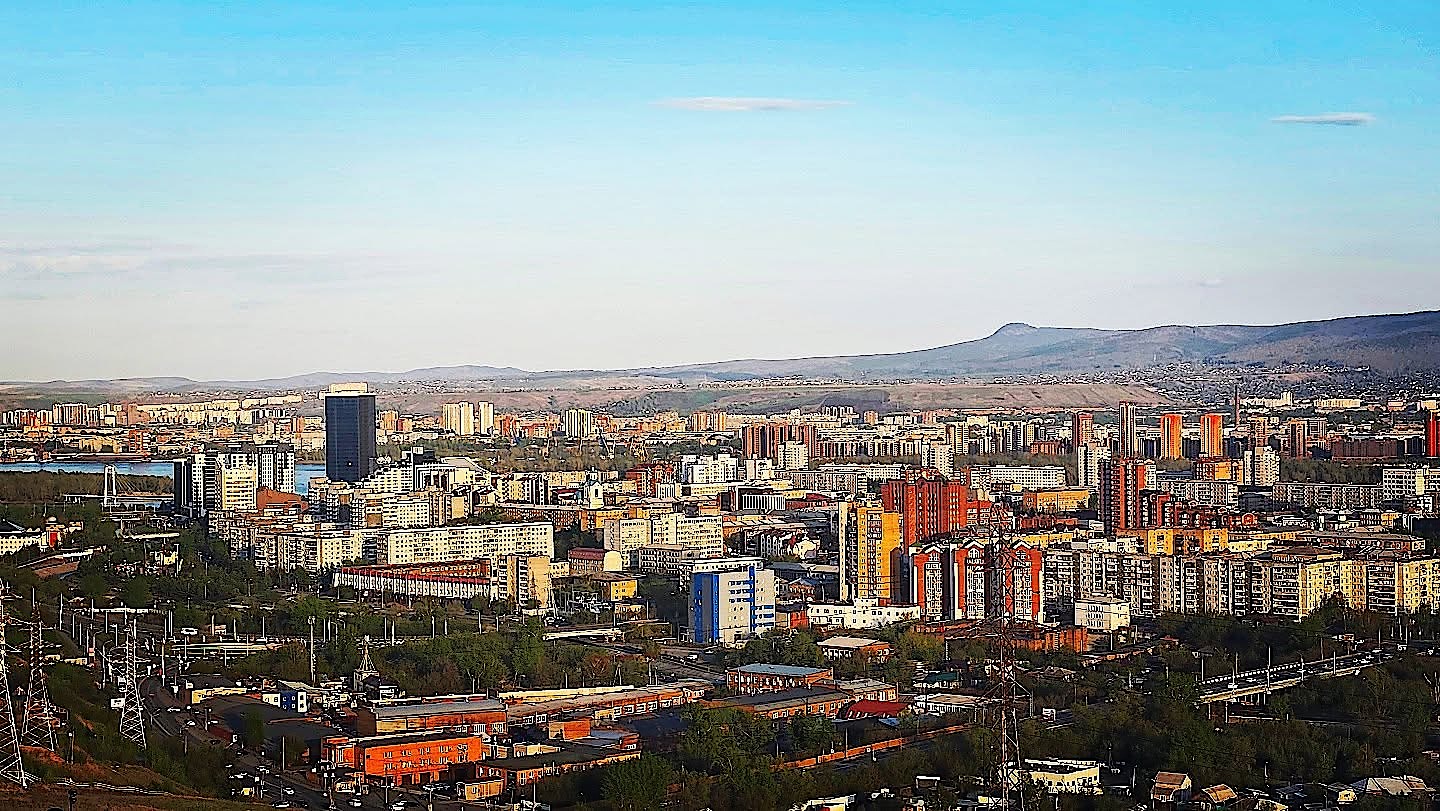
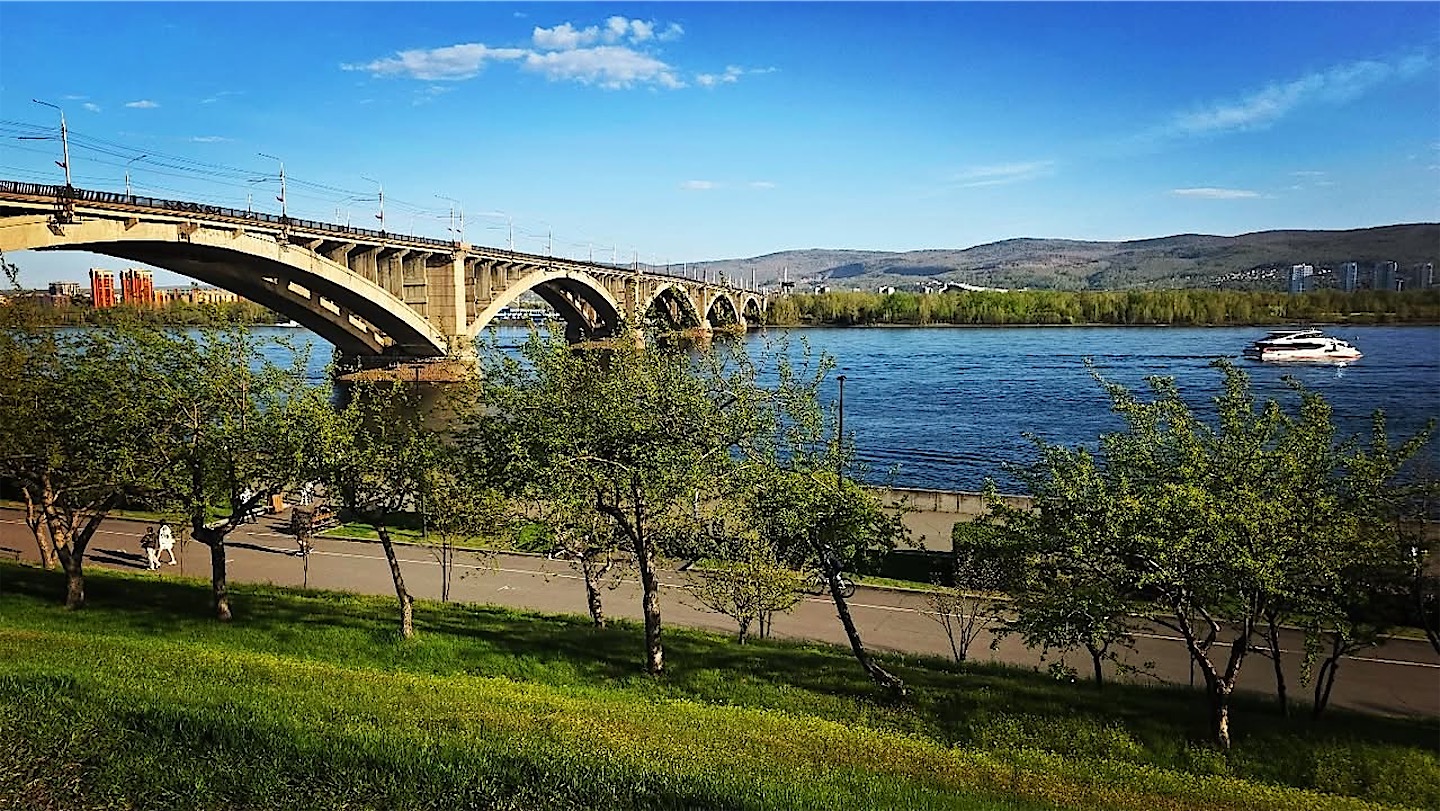
The last stop was Krasnoyarsk itself, a city of more than a million people on both banks of the Yenisei. After days of steppe it felt like a proper metropolis, and my last day there was a beautiful spring day. The Communal Bridge across the river is the other half of the 10-rouble note: it appears on the front, with the dam on the back.
This brief trip through three Siberian regions was over almost as soon as it had begun, and I left wanting more of Asian Russia. A year later I came back for the Russian Far East and Kamchatka. For now, though, the journey continued west to the Caucasus, to Dagestan and Abkhazia.