
Polar Bears, Narwhals and the Northern Lights: A Small-Ship Expedition in East Greenland
9–22 September 2026 · Reykjavík, Constable Point, Scoresby Sund, Northeast Greenland National Park, Ittoqqortoormiit, Landmannalaugar · Regions: Greenland, Iceland
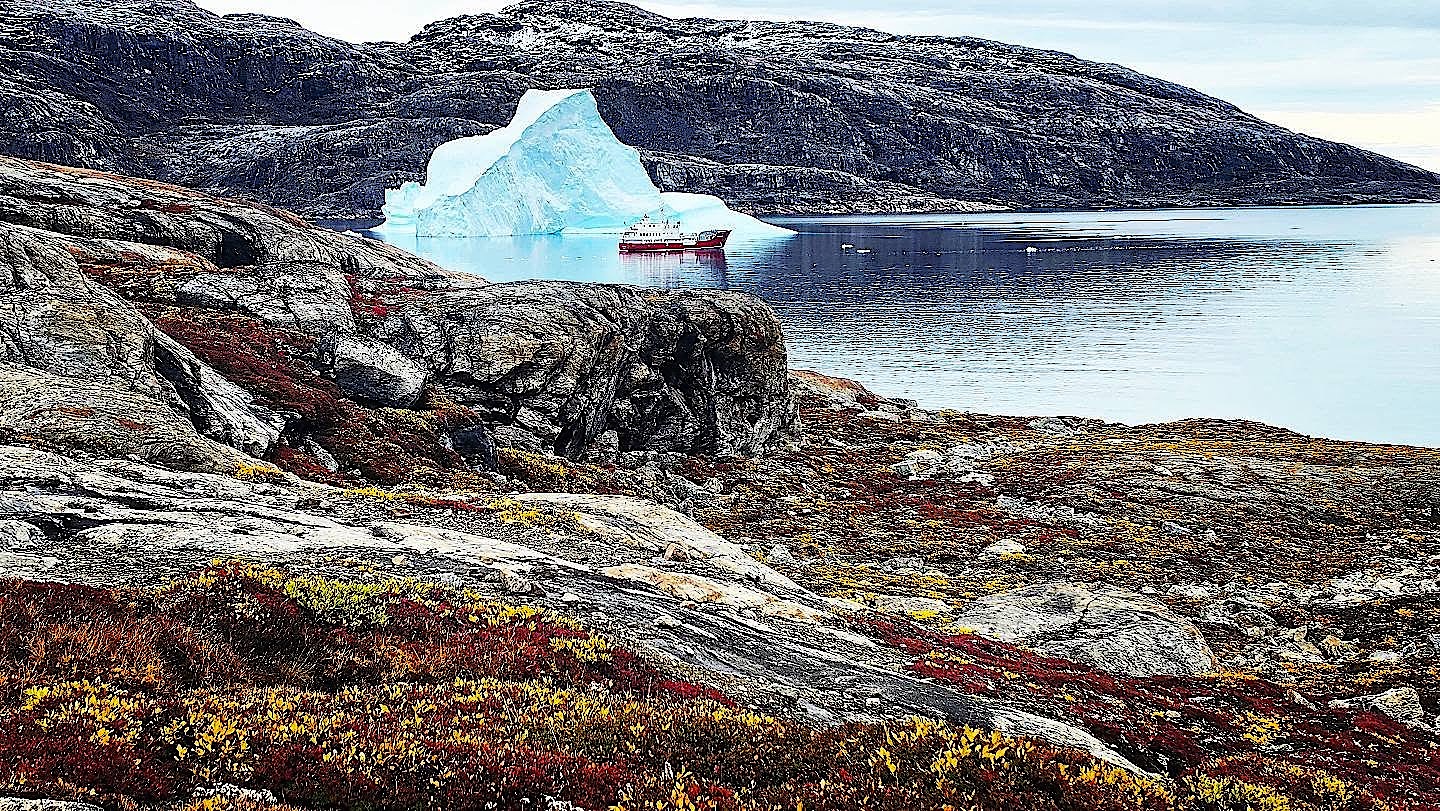
Some trips you wait for longer than others. I had been to West Greenland three times, but the wild and almost empty east had stayed on my list for years. In September 2026 I finally boarded a small expedition ship for Scoresby Sund and the Northeast Greenland National Park. I was in the middle of overlanding the British Isles in my motorhome Nemi, so one early morning I raced across Ireland from the Cliffs of Moher to Dublin Airport. Karyna had flown back to Dubai, and my mother looked after Nemi in Ireland.
Iceland first
The way into this part of Greenland leads through Iceland. I was happy to be back, if not with the prices: 300 dollars a night bought me little more than a central location and a sea view.
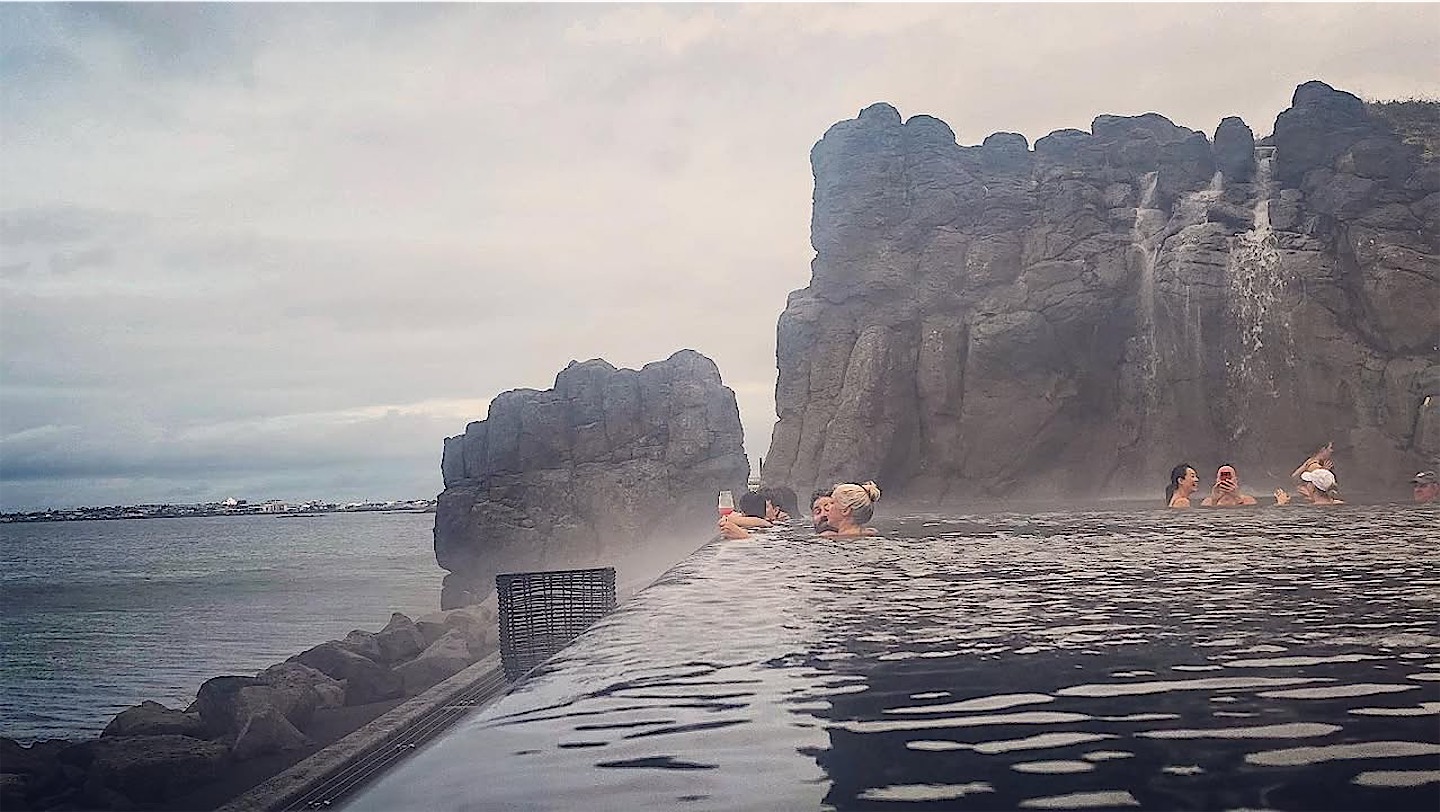
In the centre of Reykjavík I ran into some extreme traveller friends who had just returned from Jan Mayen, an island I had reached in 2024 on an Arctic voyage with my mother. Among them were the numbers one and two of the Most Traveled People ranking, which divides the world into 1,500 regions. I sit at number 84 with 920 of them, but most of the people above me are 20 to 30 years older, so I am not worried yet. Before the flight I spent a detox evening at the Sky Lagoon.
Touchdown at Constable Point
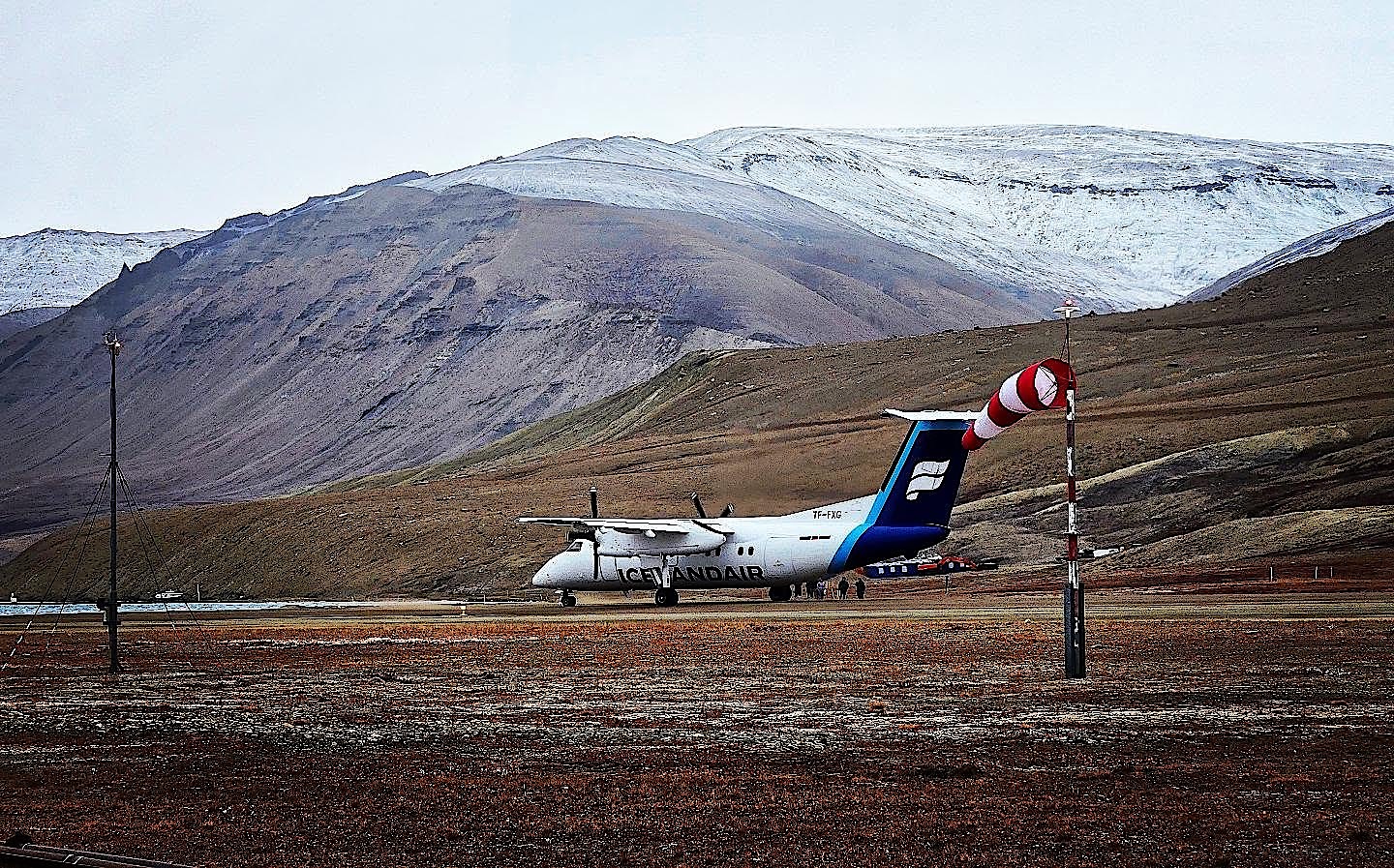
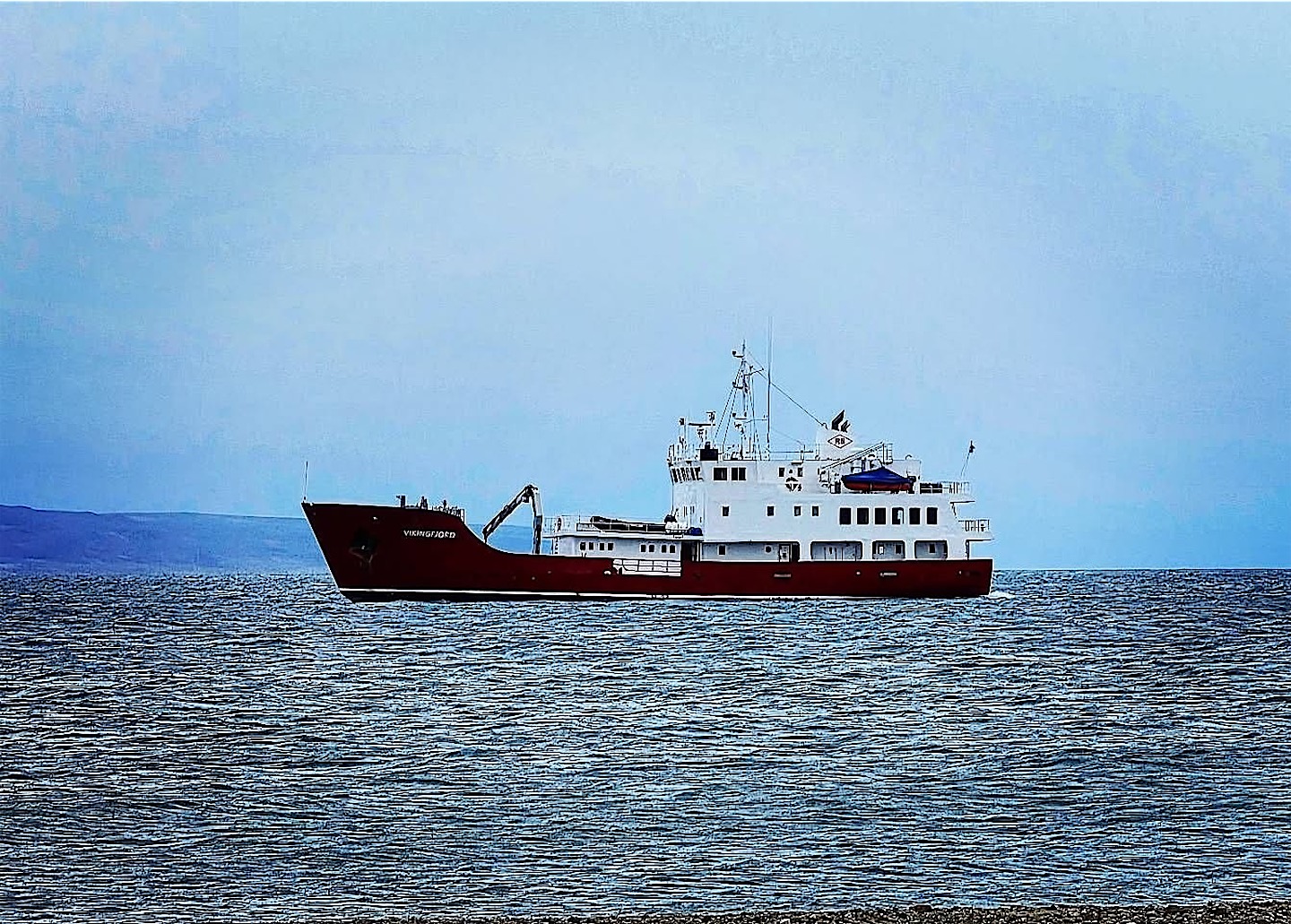
Despite a poor forecast our flight was confirmed, and two hours later we landed on the gravel runway of Nerlerit Inaat, better known as Constable Point. An American oil company built the airstrip in 1985 to explore Jameson Land, and today it is the gateway to Scoresby Sund. Right on arrival I spotted a three-masted sailing ship in the fjord, a Viking ship of sorts, though not mine. Mine was the MV Vikingfjord, reached after a two-kilometre walk and a zodiac transfer. She is much nicer inside than she looks from outside, and we were fewer than ten passengers with three expedition guides and seven crew.
A heavy storm was coming, so we would spend the first three days in the sheltered inner arms of southern Scoresby Sund and only then head north.
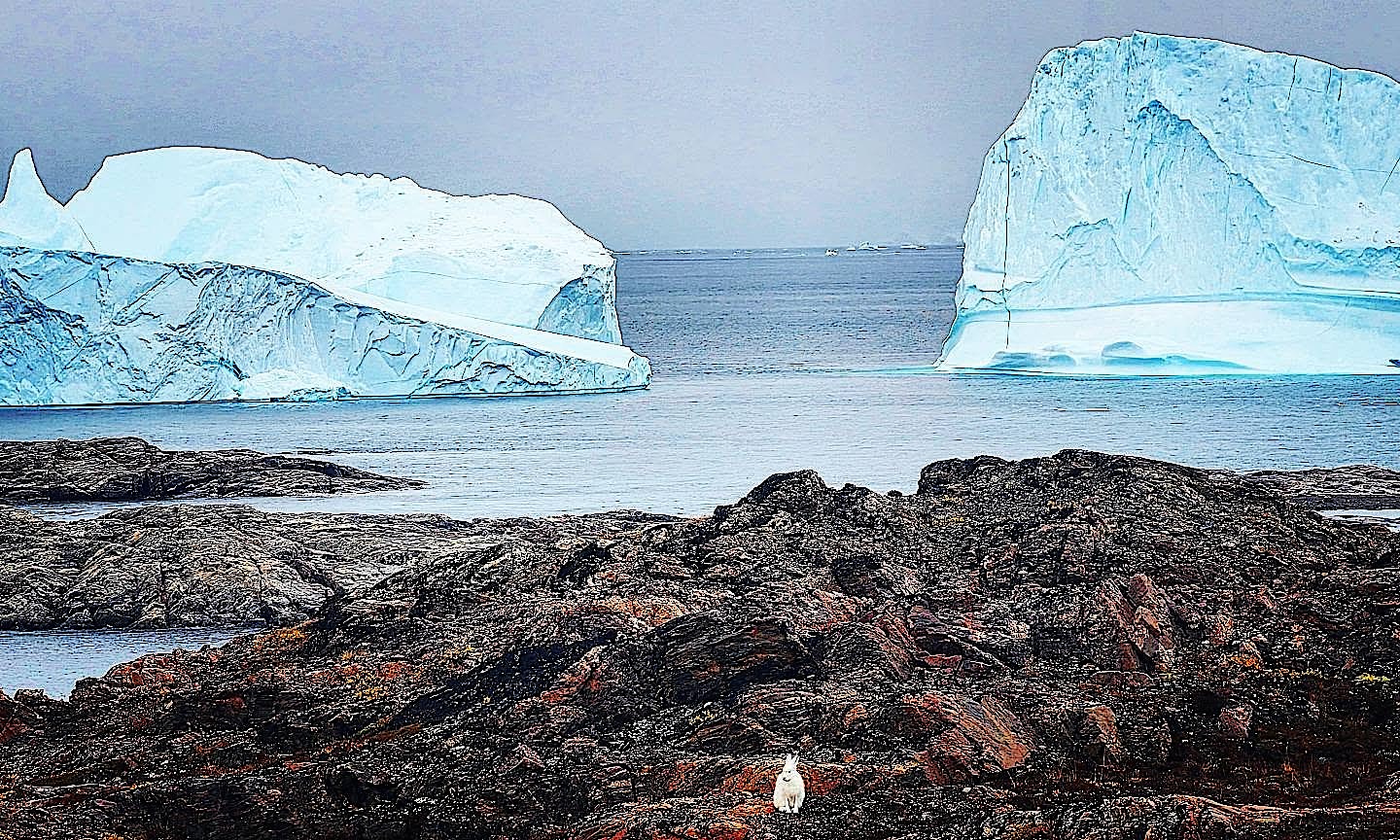
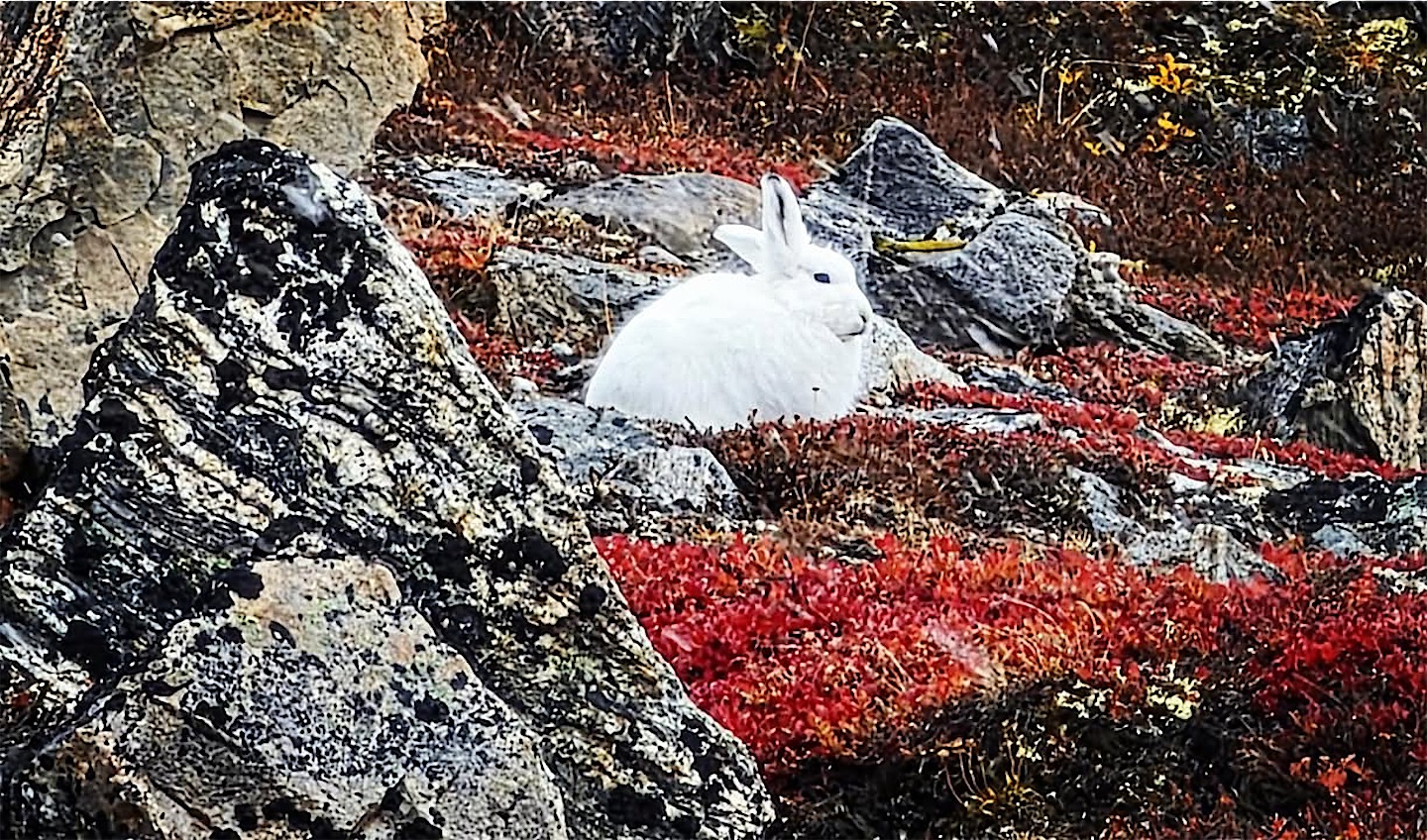
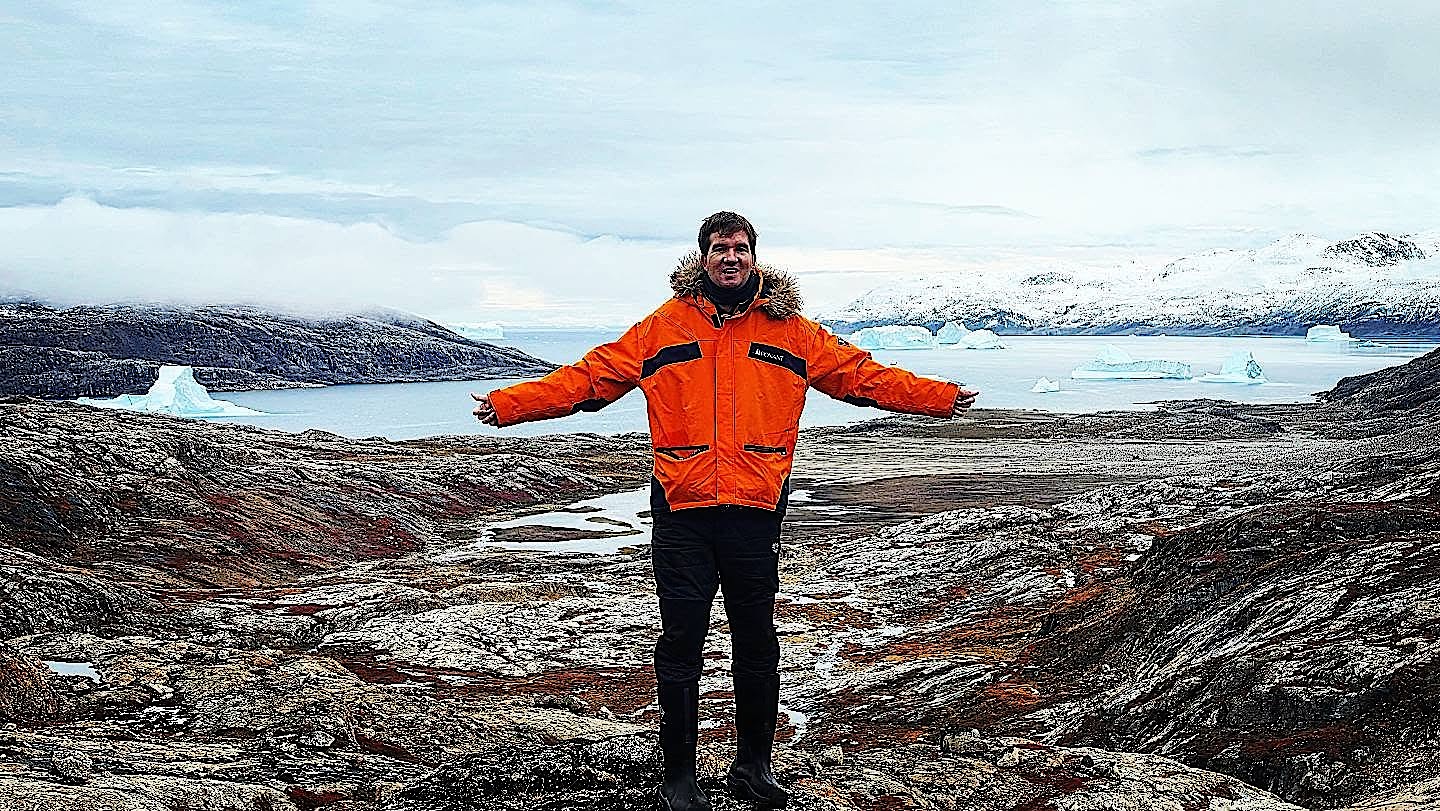
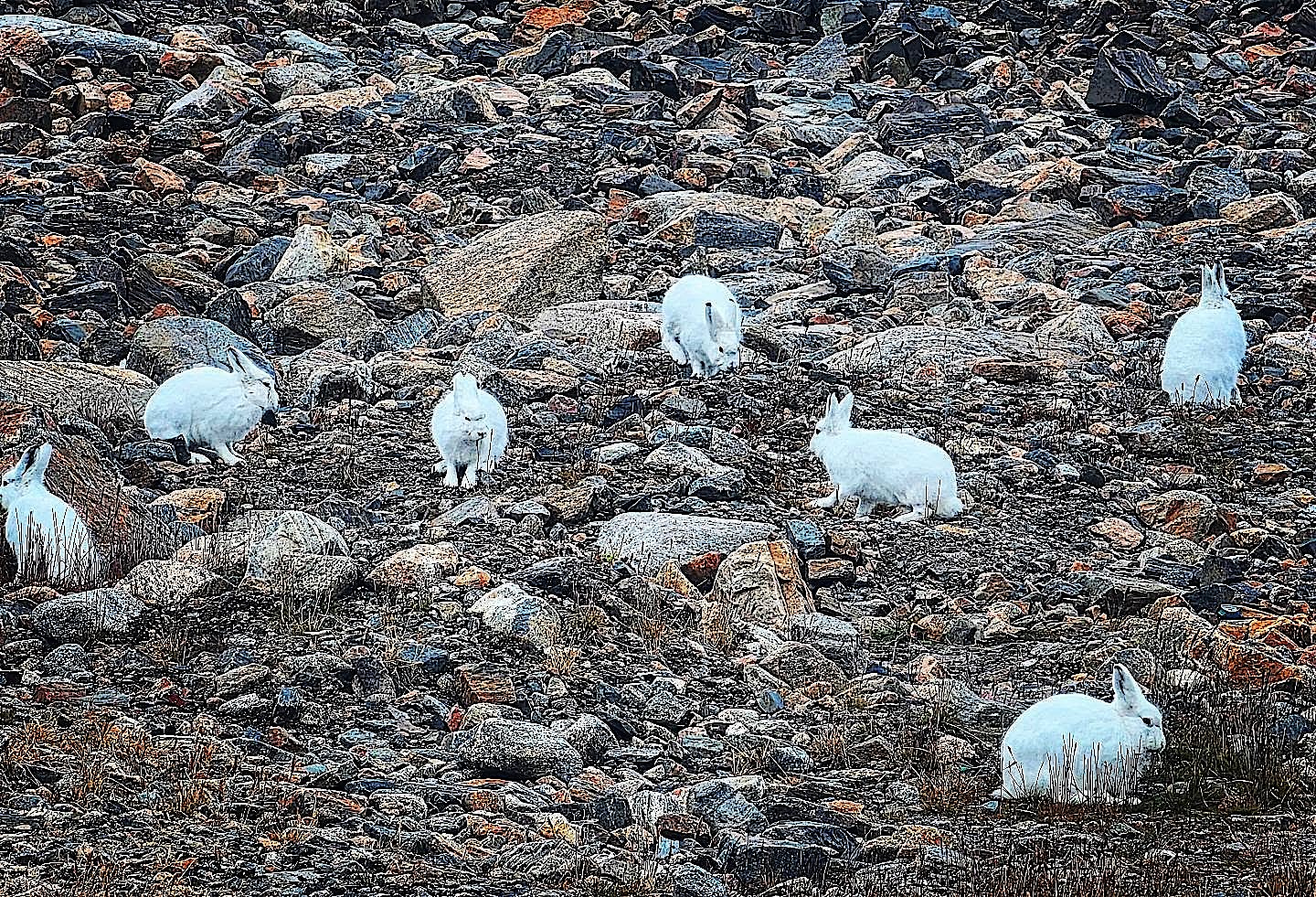
In the inner fjords the tundra had already turned red and gold, icebergs drifted past, and on one landing we found the bones of polar bear prey. Bears can appear anywhere at any time, so we only hiked with armed guides. Arctic hares, white all year this far north, sat between the rocks like snowballs. I got up at five every morning to fit in my consultations and interviews before the excursions began.
Bears before breakfast
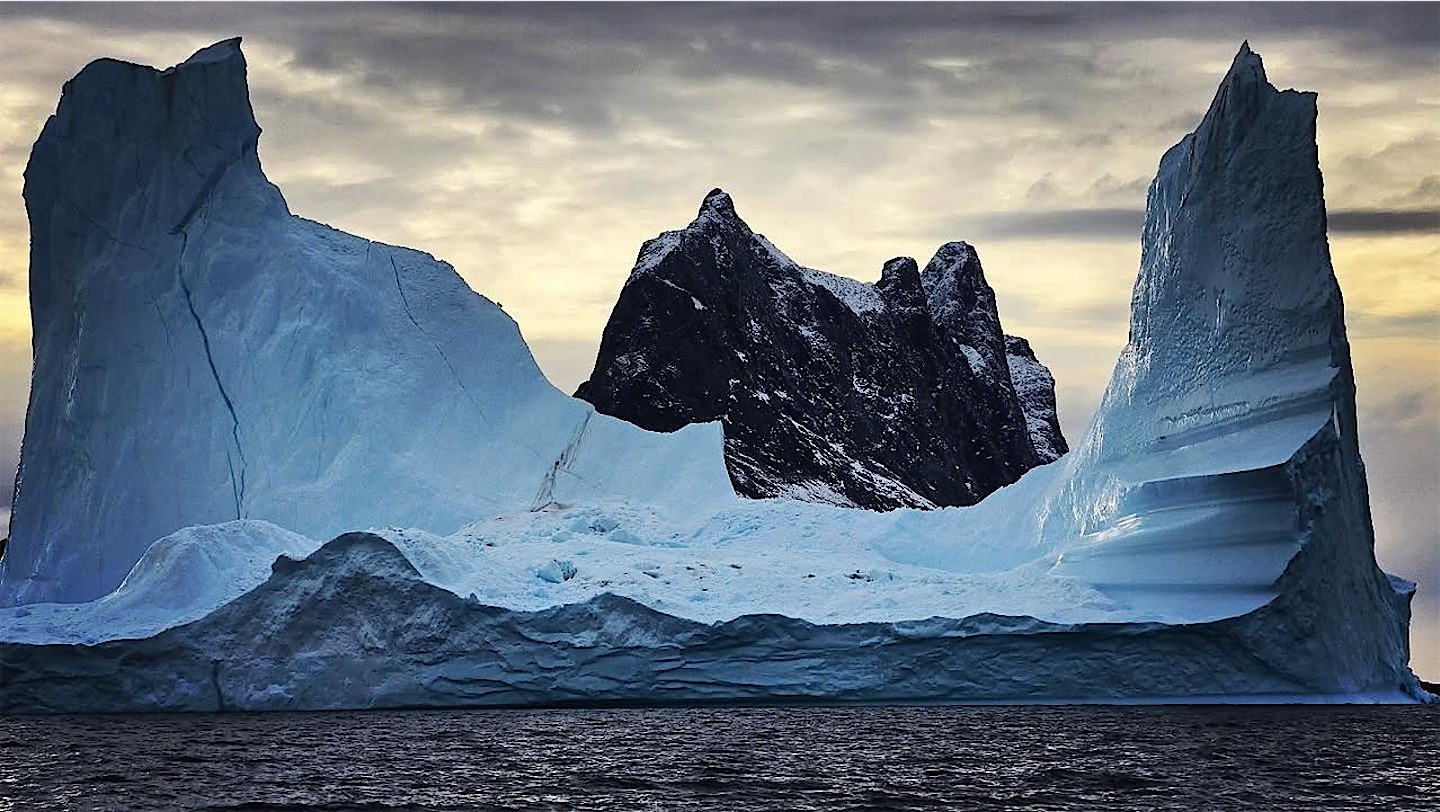
Our first long zodiac cruise followed the Bear Islands of Scoresby Sund, past icebergs shaped like castles. We saw our first seal and our first musk oxen, and a ten-kilometre hike followed as the weather improved.
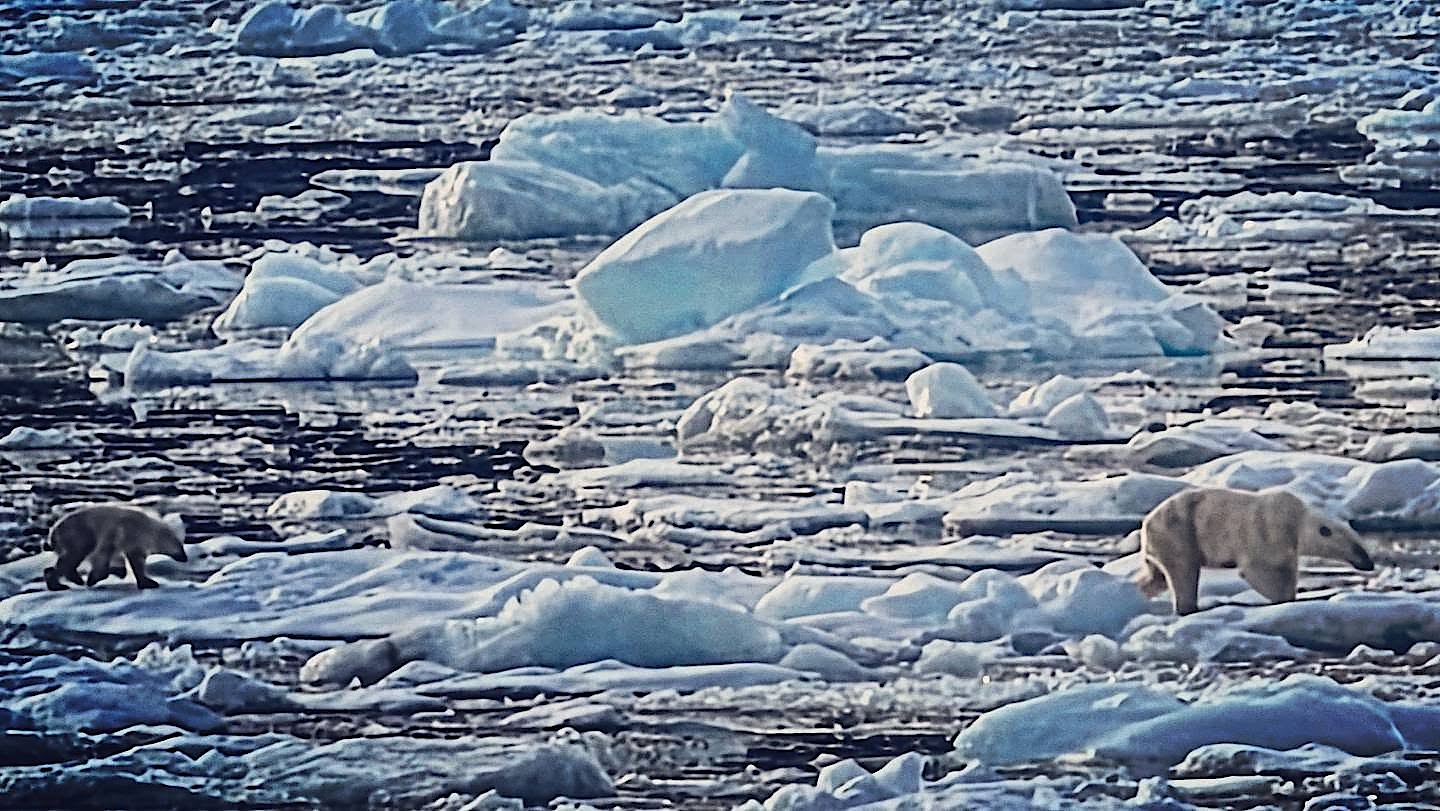
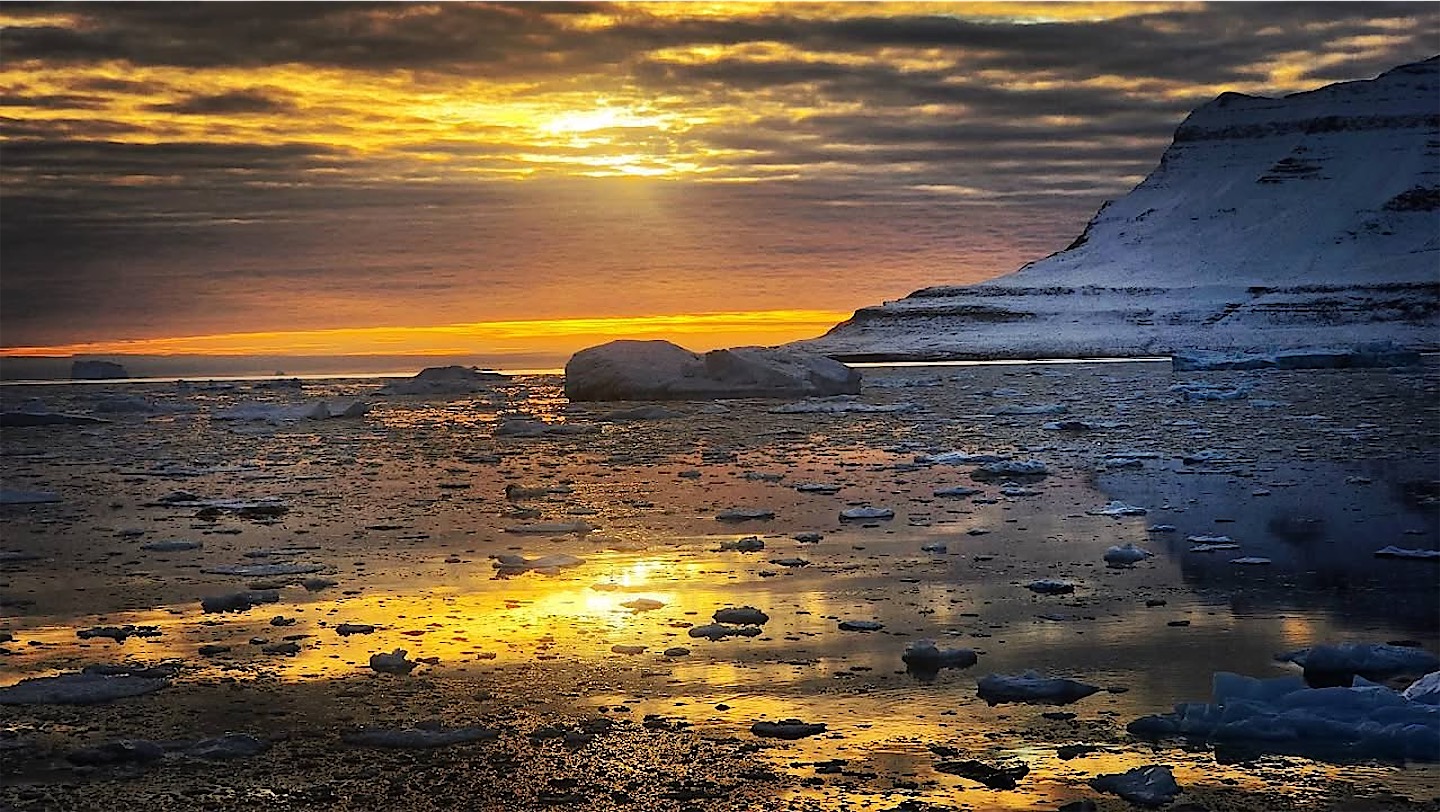
The next morning brought the bears. At sunrise in Vikingibukta, below a glacier that kept calving icebergs into the bay, we found a mother with her cub, which struggled to climb an ice wall while she waited. That morning alone we counted seven bears in four groups, one of them fast asleep, plus a bearded seal resting on a floe. After some geology ashore we sailed north into a long sunset.
For a few months a year an expedition ship is my office, and with Starlink I am even more productive than usual. I have been to the Antarctic and Sub-Antarctic nine times, including the South Pole, and this was my fifth trip to the Arctic proper. If all goes to plan, the North Pole will follow in April 2027.
The sky turns green
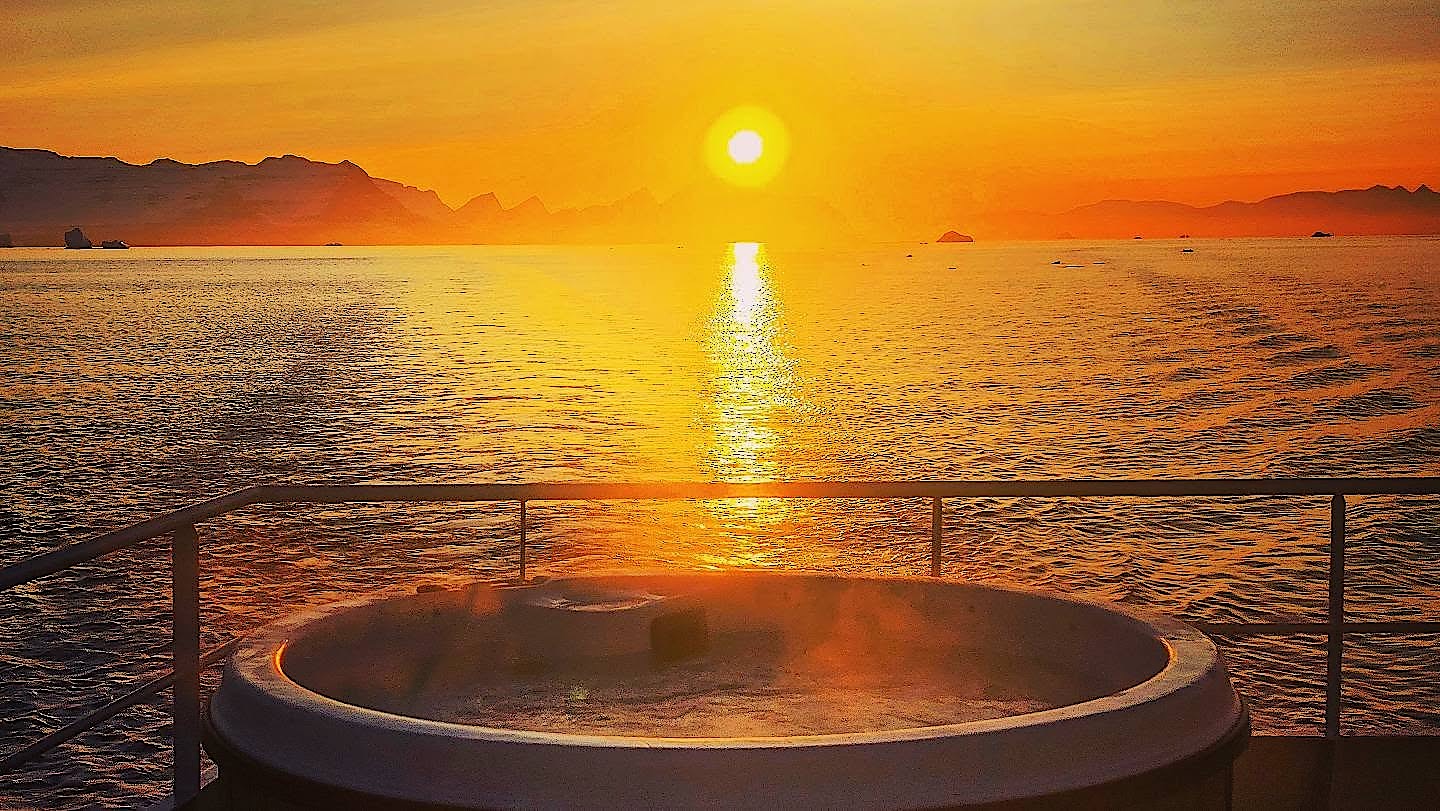
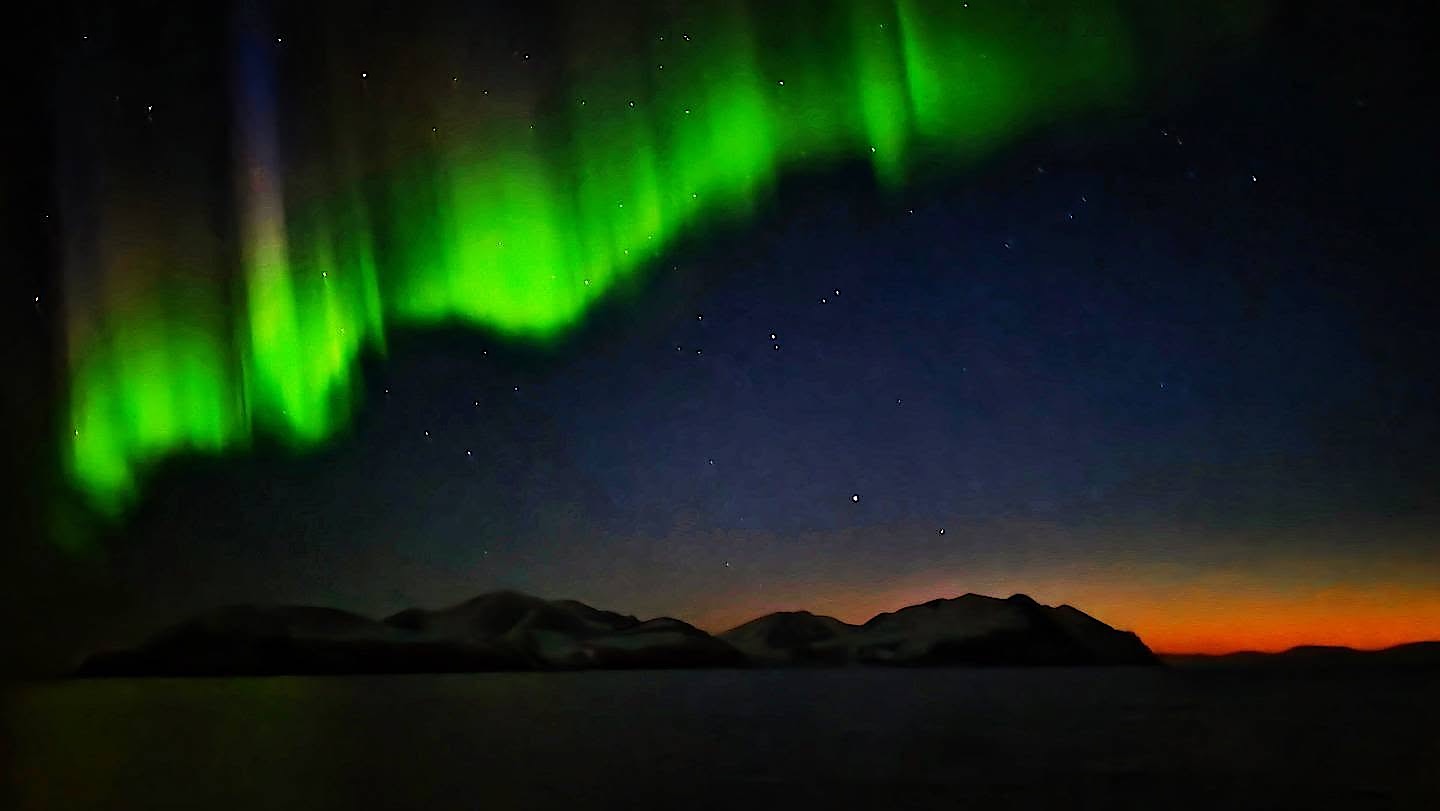
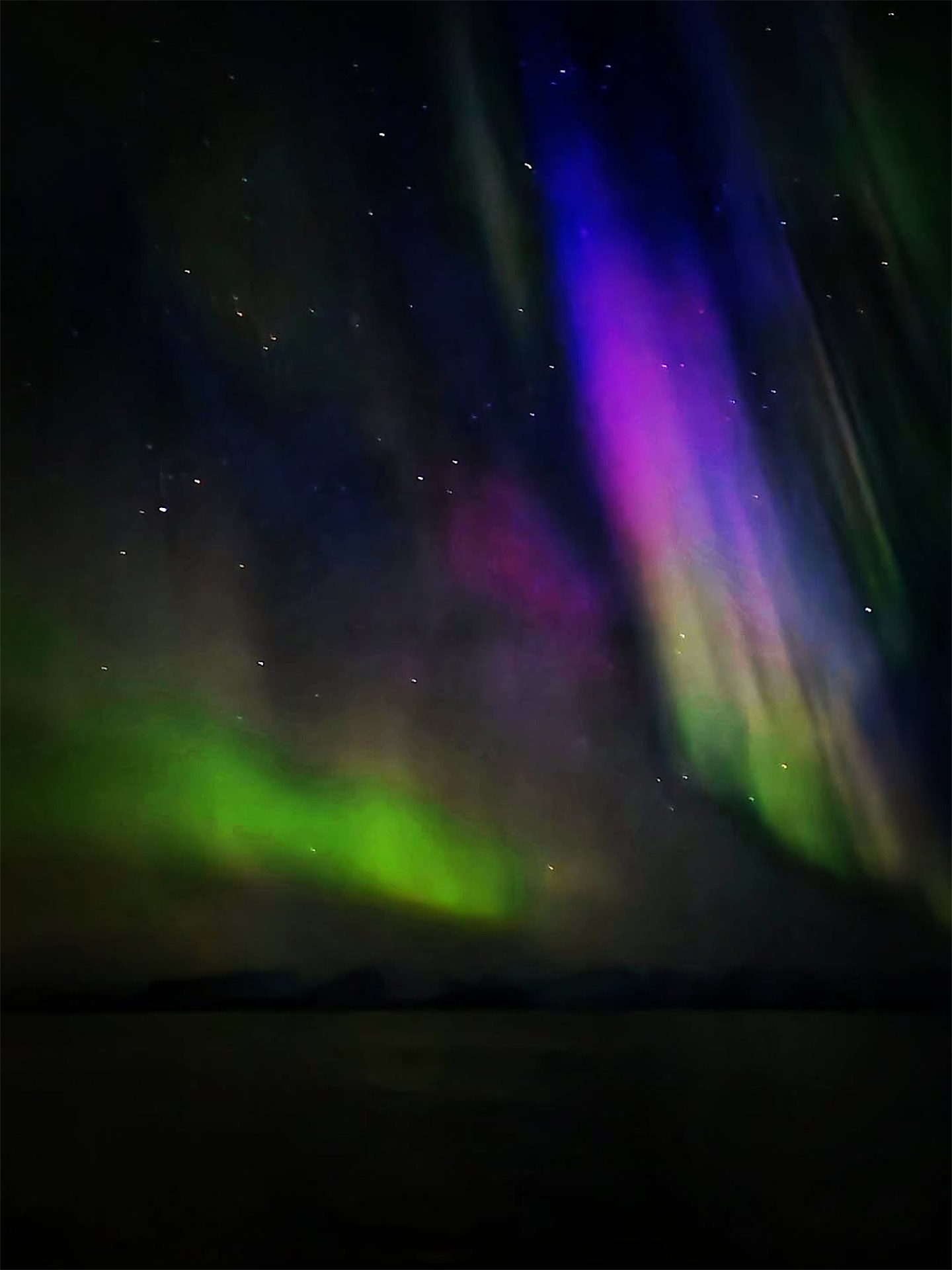
The ship had a hot tub on deck, which made the evenings easy to bear. A few nights in, the first aurora appeared: faint to the naked eye, but clear on camera. A night later the whole sky lit up in green, pink and purple. I had watched the Aurora Australis from the Southern Ocean in March, so this year I saw both polar lights.
Whales, narwhals and musk oxen
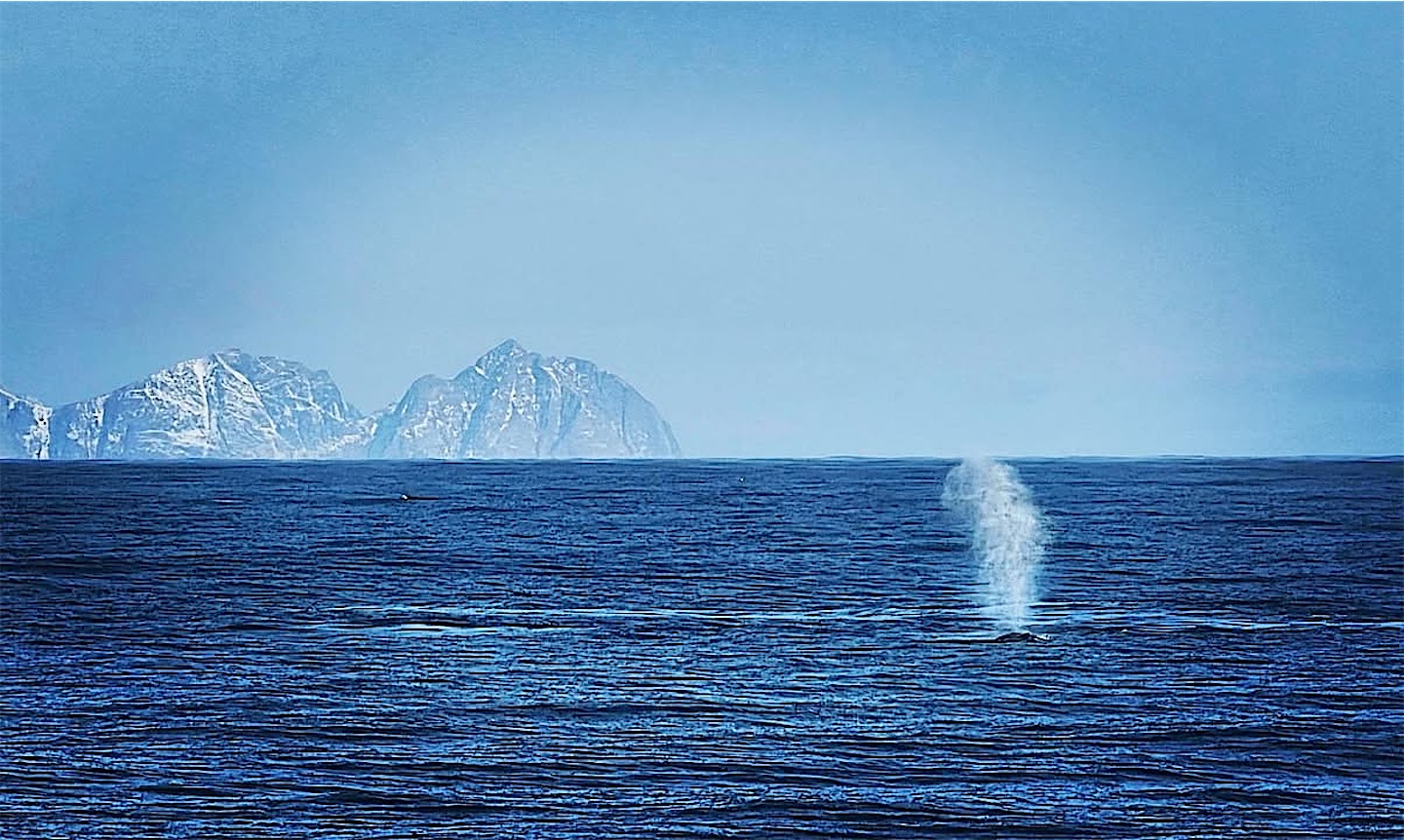
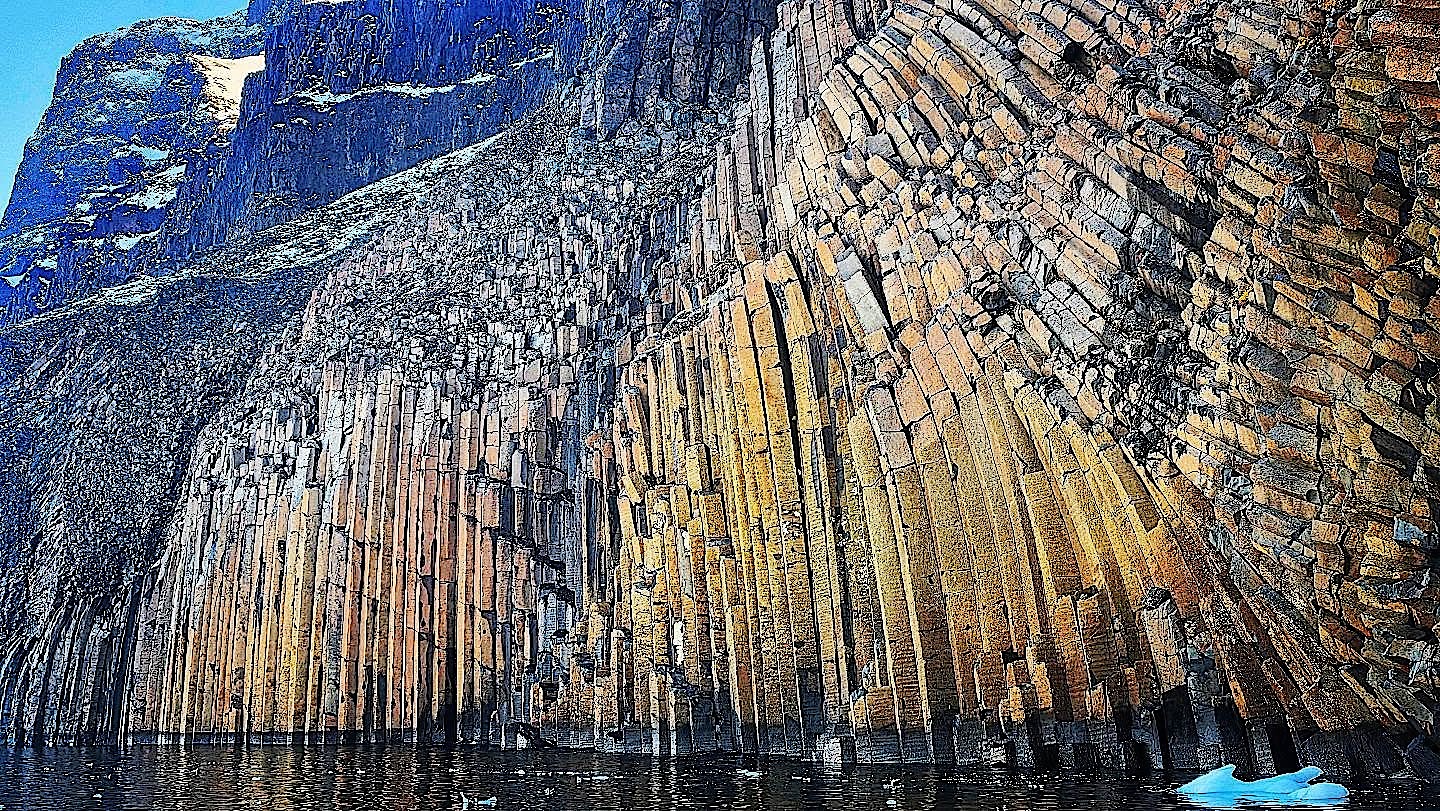
Once the storm had passed we sailed north through the open Atlantic. Fin whales surfaced around the ship, we passed cliffs of columnar basalt, and then came our first hike in the Northeast Greenland National Park. The real surprise came the next morning: narwhals, the shy unicorns of the sea and a rare sighting. Later we watched a ringed seal swimming along the front of a glacier and spotted an Arctic fox in the distance.
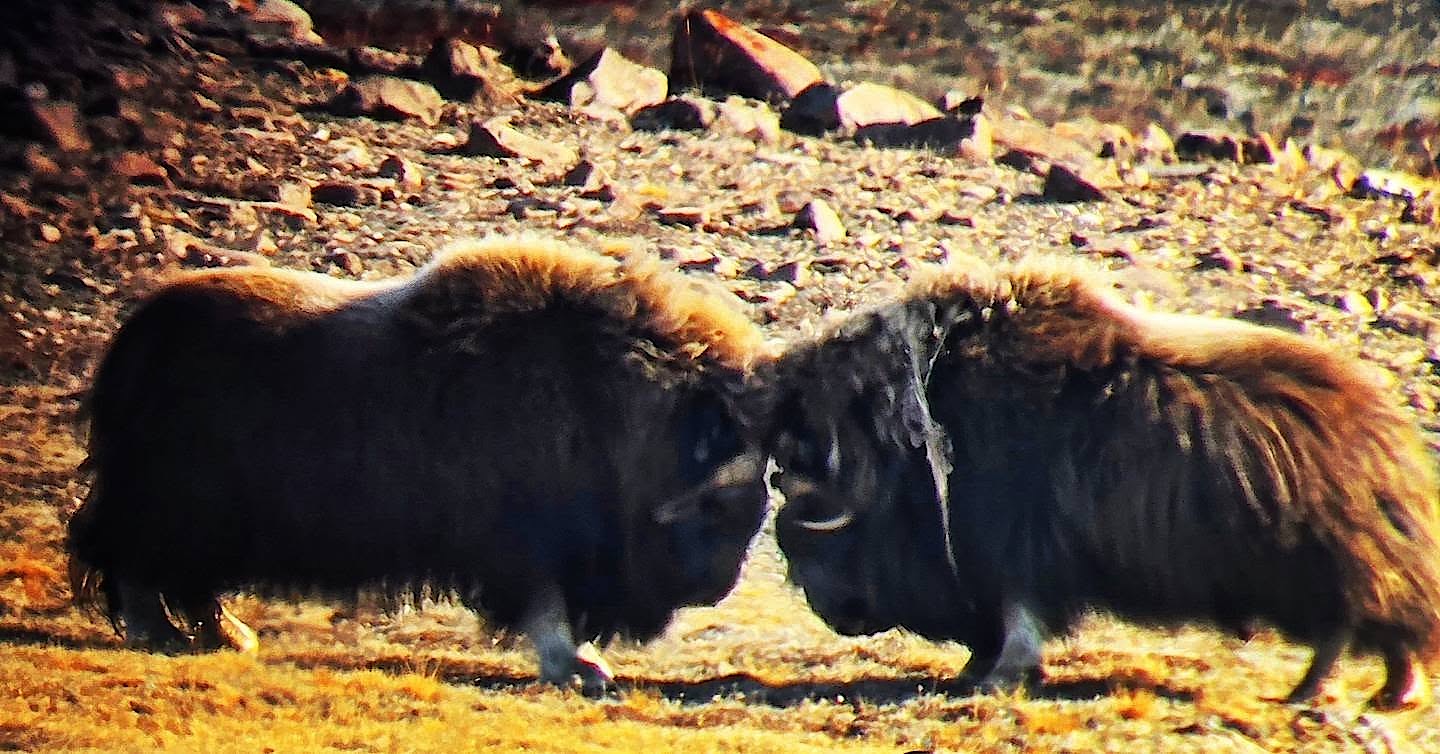
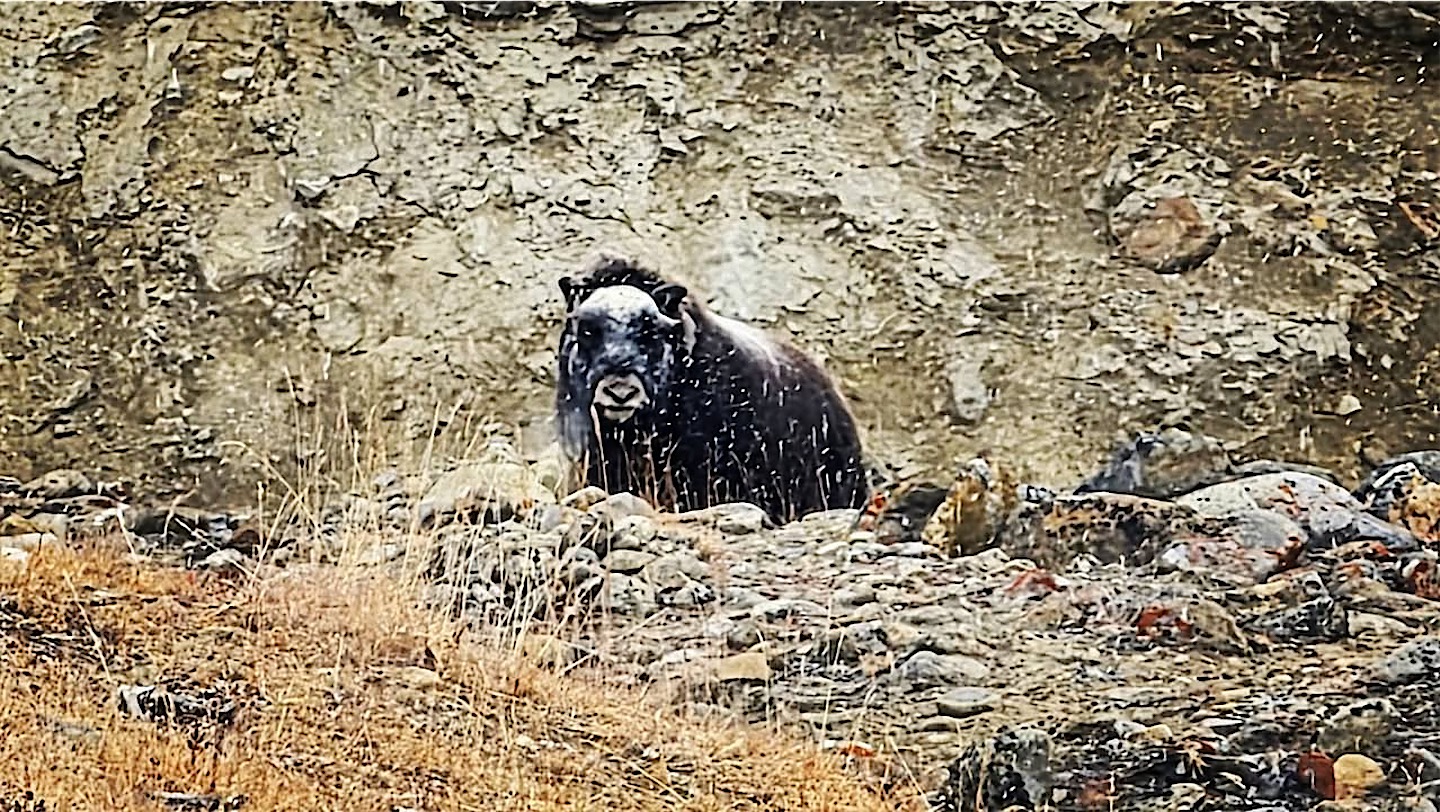
Musk oxen became our daily companions. We watched them graze, saw two bulls fight, and some came remarkably close. On one hike I held up a musk ox skull and declared myself one of them.
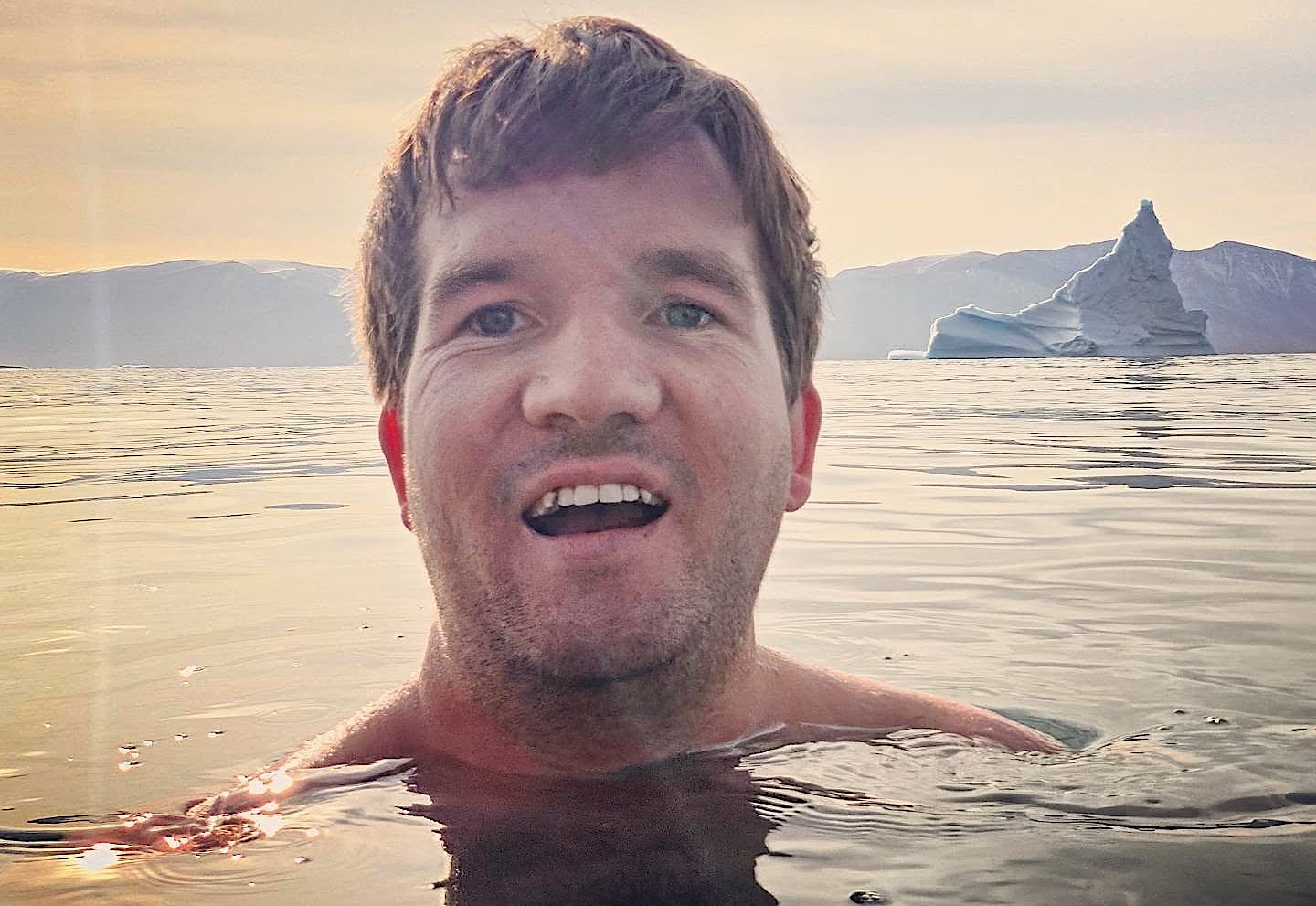
I also finally got my ice bath. On larger expedition ships you need an ECG, have to queue, are tied to a rope and may stay in for ten seconds at most. On a micro cruise like ours I simply asked at the end of a hike and swam for a few minutes. A barbecue evening on board was another highlight of the week.
Rocks, colours and one very close bear
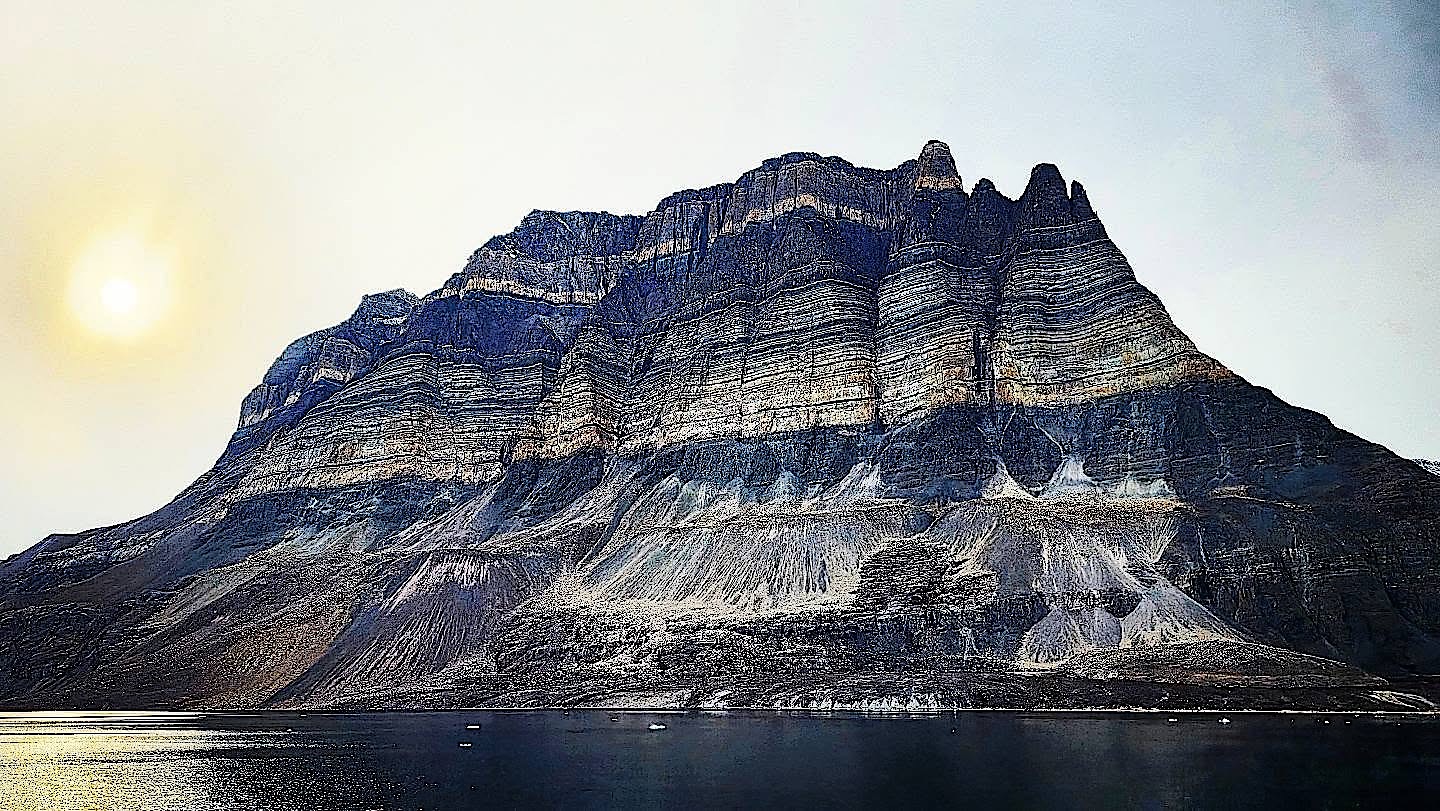
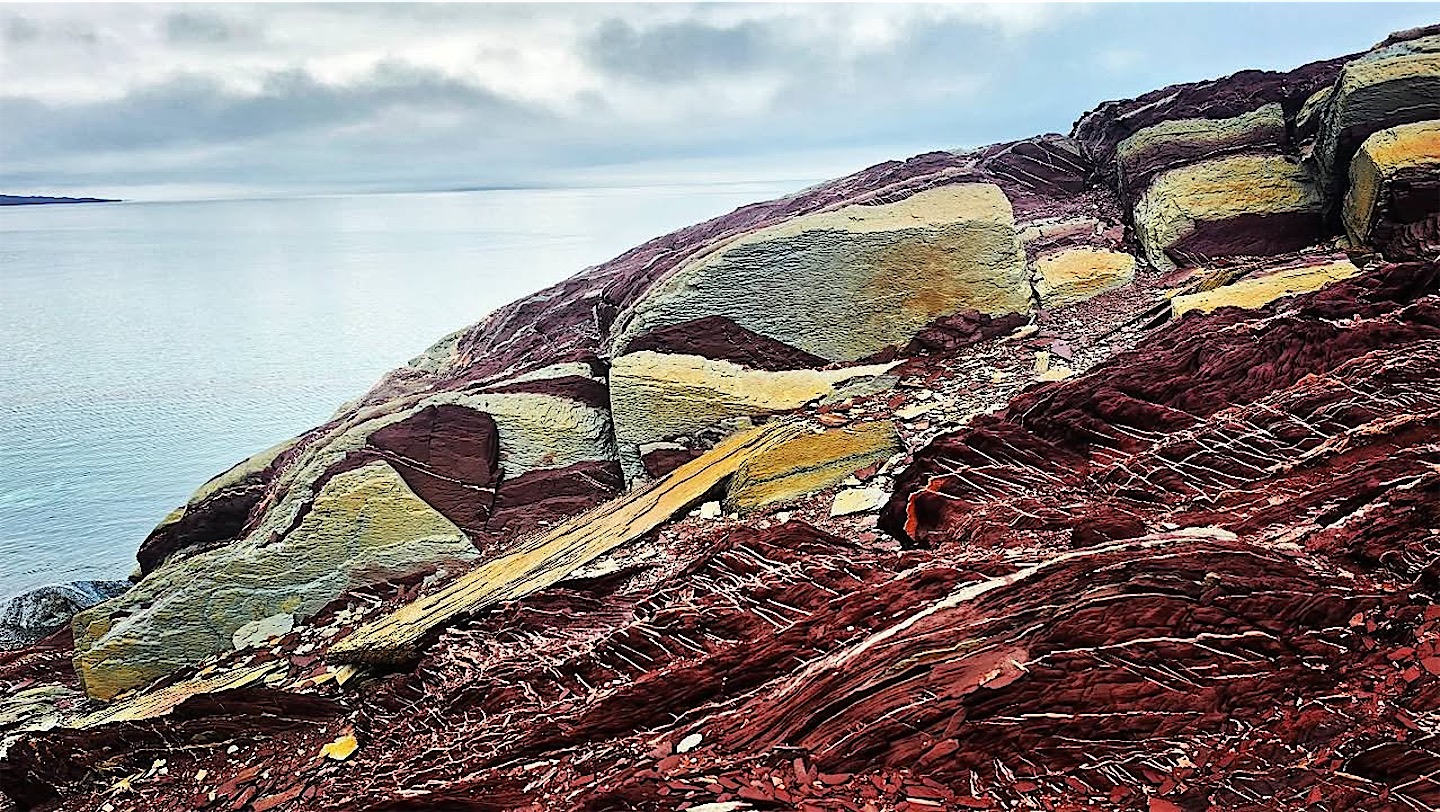
Greenland is a geological wonderland. The striped mountains around Ymer Island are layers of ancient sediment, and the area is known for gold, antimony and tungsten. Some of the oldest rocks on Earth, about 3.8 billion years old, lie near Nuuk in the west. The basalt dates from the opening of the North Atlantic, like the Giant's Causeway I had seen in Northern Ireland just before.
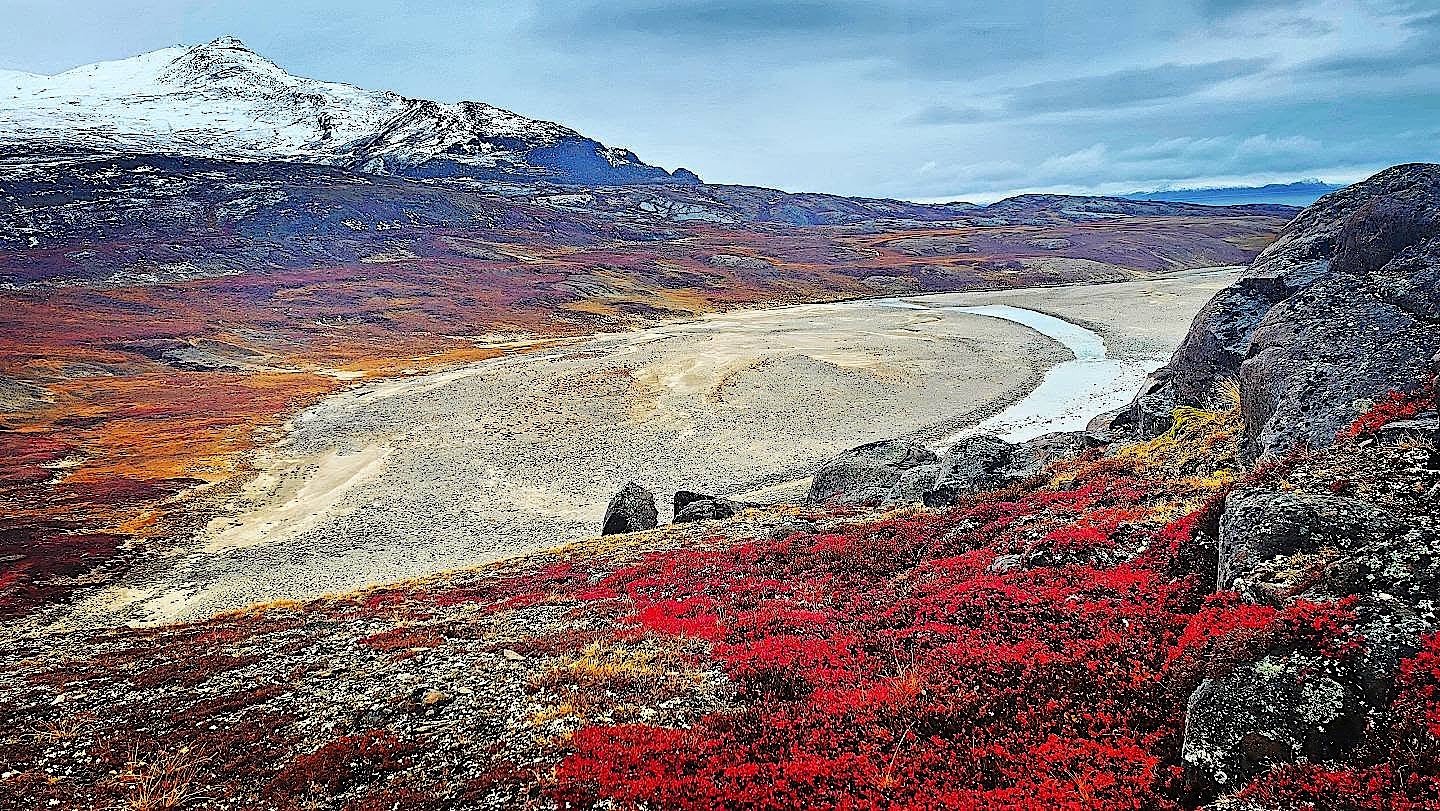
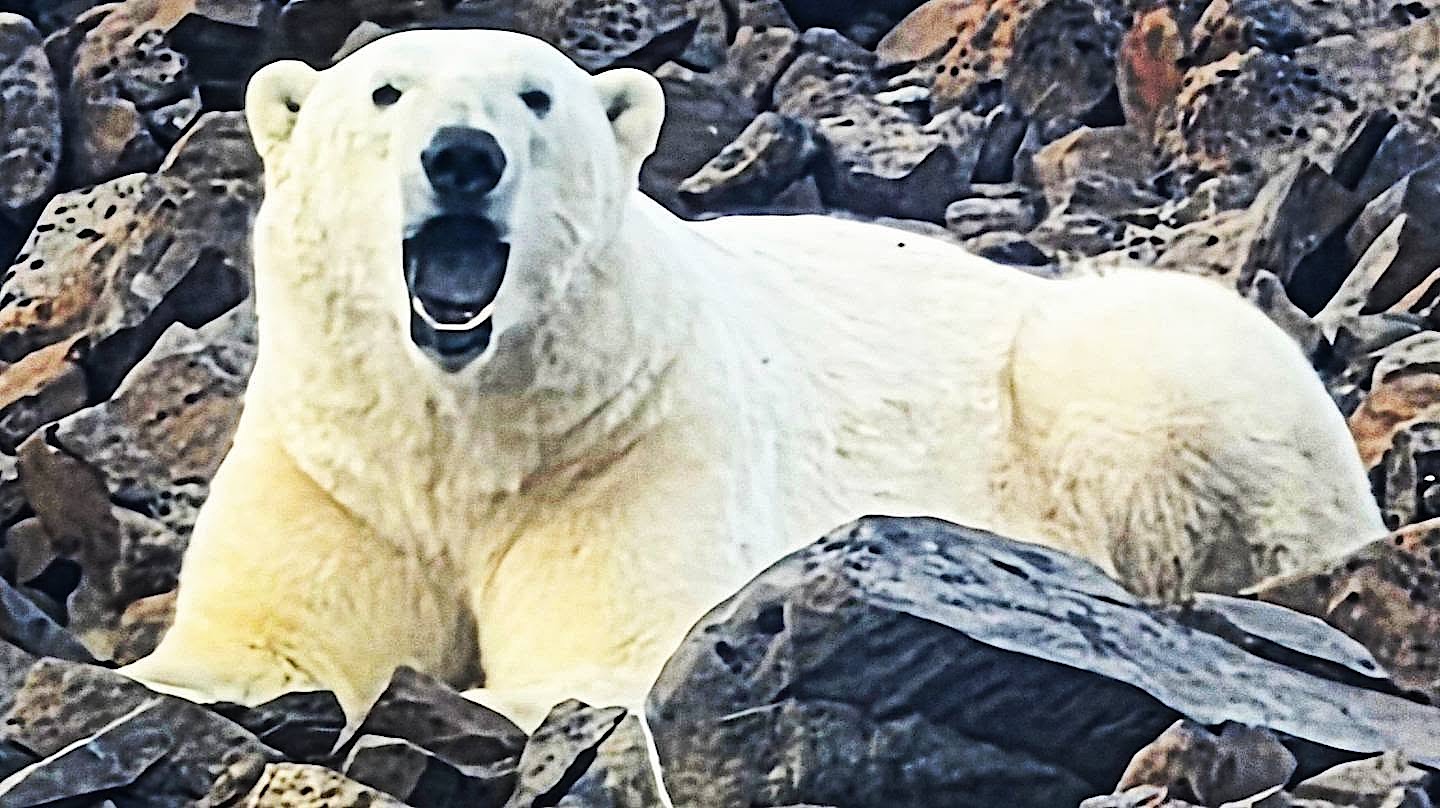
The last days brought fresh snow on the peaks, a parade of icebergs and tundra colours I still miss. Then came my closest encounter ever with a wild polar bear. It sat on the rocks above the shore and yawned at us, and we spent a few very enjoyable minutes in its company.
Ittoqqortoormiit and back to Iceland
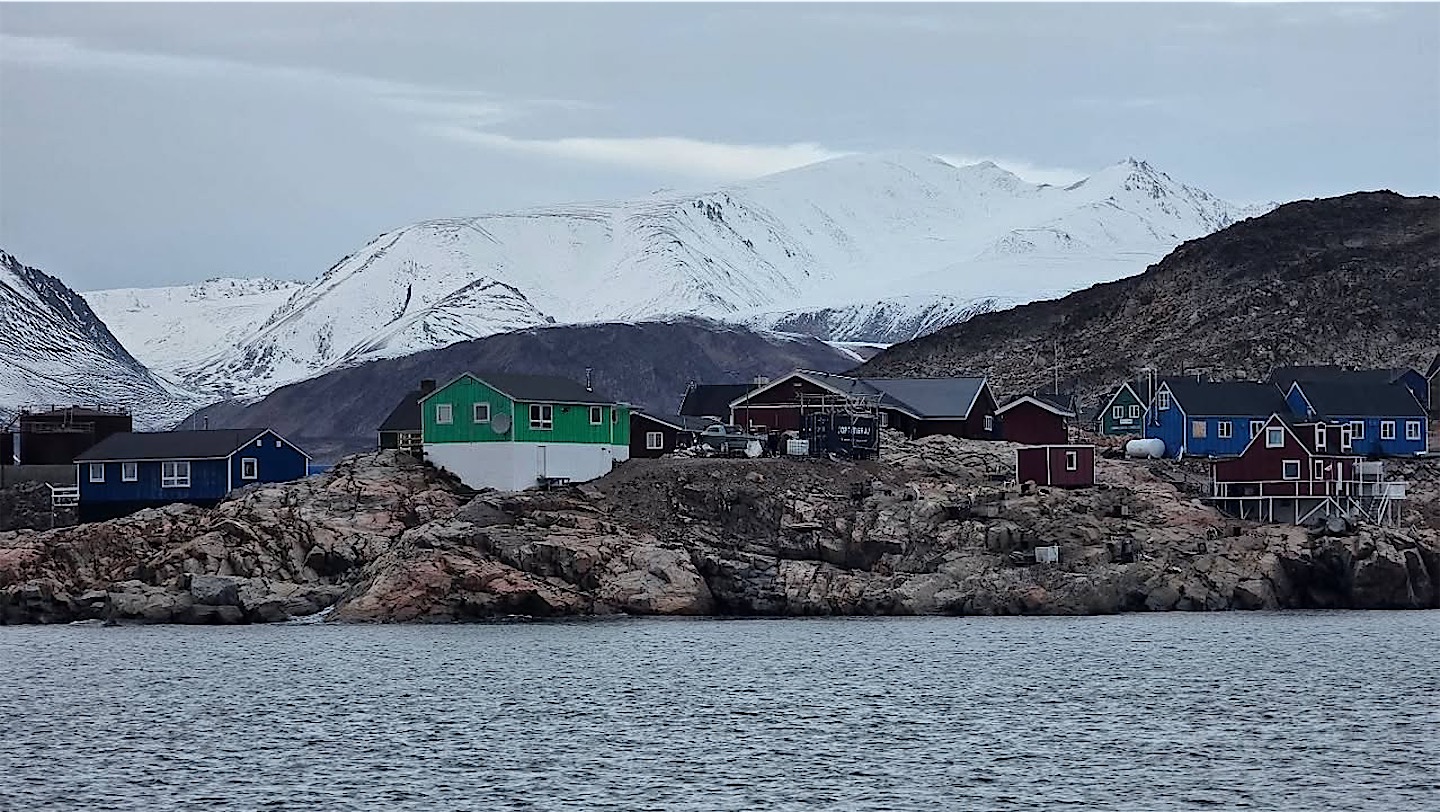
After ten days of wilderness we reached civilisation, or at least one of the most isolated towns on the planet: Ittoqqortoormiit, hard to pronounce and even harder to spell. The local biker gang turned out to be a group of kids on bicycles, snow-white hares had invaded the edge of town, and the kindergarten is fenced in against polar bears. There are no flights to the rest of Greenland, so everyone travels via Iceland, and the supply ship reaches the bay only three times during the two ice-free summer months.
Our farewell dinner included narwhal sashimi, bought from local hunters who still hunt them the traditional way. That night I lay in the hot tub in the bitter cold and watched the aurora dance over the snowy mountains one last time. The next morning I was invited for tea in a local home, with very tasty musk ox jerky, and then it was back to Constable Point. We had seen only a small corner of Greenland, though its largest ice-free area, just two hours from Reykjavík and yet worlds apart.
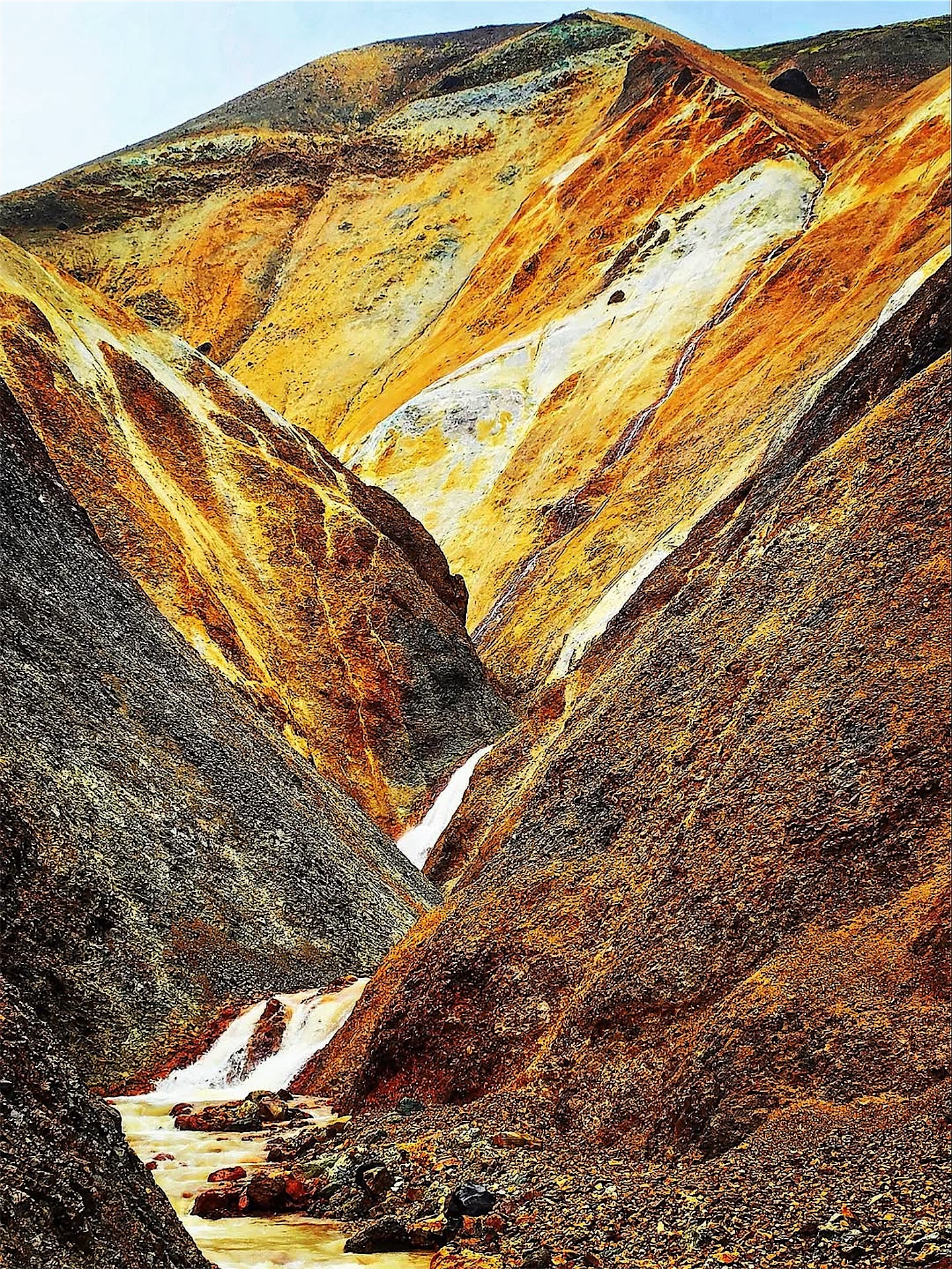
Back in Reykjavík I walked through the woods of Öskjuhlíð, a real pleasure after two weeks without a single tree, and finally visited the Icelandic Phallological Museum, a collection of a few hundred specimens from almost every mammal in and around Iceland. The next day a superjeep took me past Hekla to Landmannalaugar, my last missing highlight in Iceland. We drove under rainbows, hiked through the coloured rhyolite mountains in a blizzard, and I finished the day in the new thermal spa in Hveragerði, now my favourite in the country.
Then Icelandair's technicians announced a strike from midnight. With every other flight full, I took the last business seat on a long detour via Vienna and Frankfurt and still reached Dublin roughly on time, although Lufthansa lost my luggage for the third time that summer. My next Arctic autumn, a Hudson Bay cruise from Churchill to New York, is already planned, but first I picked up Nemi again and continued overlanding the British Isles.