
Into New Zealand's Underworld: Harwood's Hole, Waitomo's Glow-Worms and the Bay of Islands
December 2010 – May 2011 · Wharariki Beach, Takaka Hill, Harwood's Hole, Helensville, Rangitoto, Waitomo, Northland, Kawakawa, Bay of Islands, Whangarei Heads, Waitangi · Regions: New Zealand
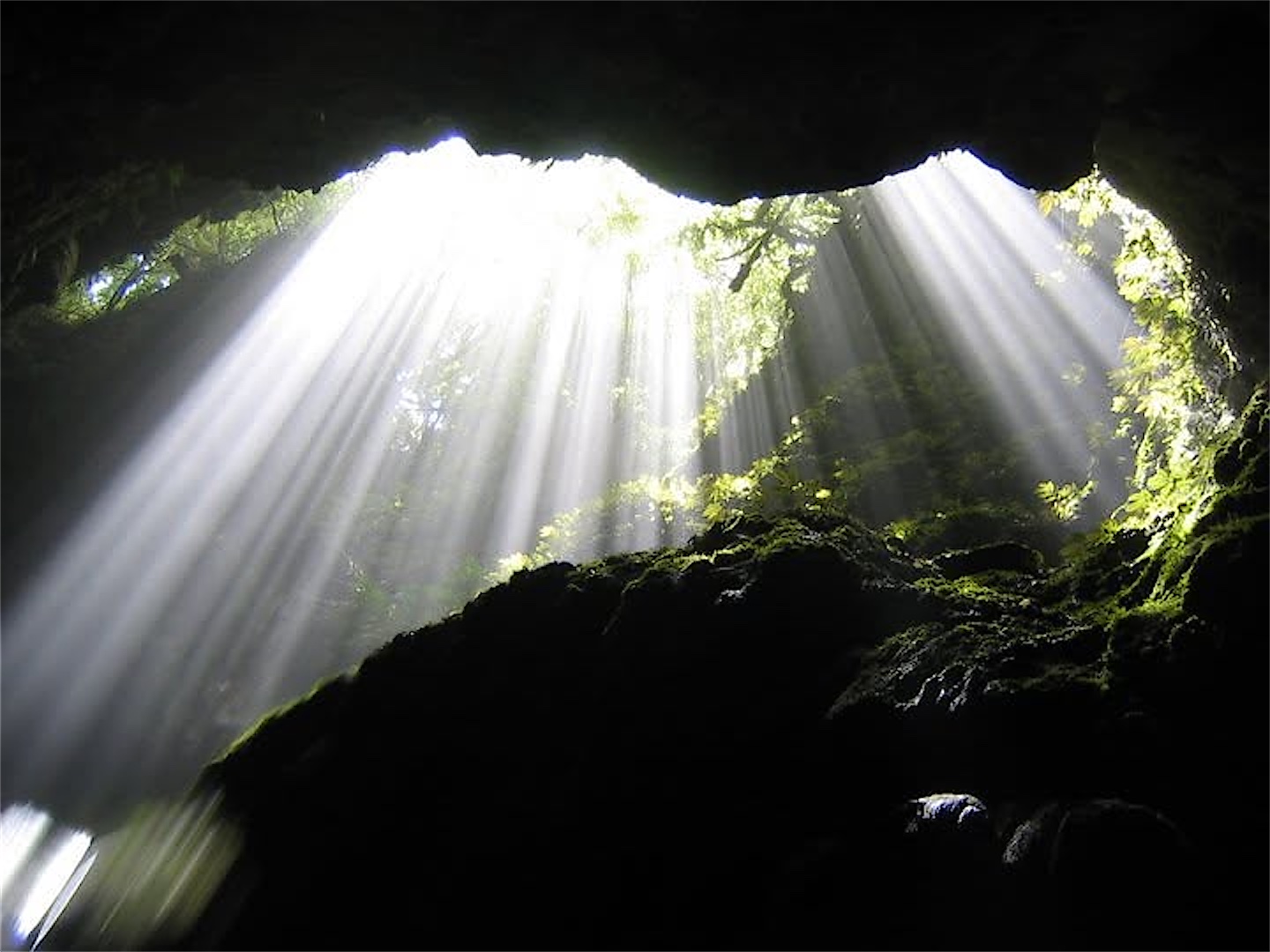
After school I spent a year volunteering in New Zealand, in 2010 and 2011: the first half at the school in Culverden, a farming town north of Christchurch, the second half in Helensville near Auckland, working with people with autism. It was also the year I started blogging. Those early posts became the series Exploring New Zealand: Part 1 took me from Rotorua to the East Cape, Part 2 down the east coast to Wellington and Part 3 up Mount Doom, and in between I celebrated New Year in Sydney.
What the series never covered is the first half of 2011, when I spent my free days crawling through caves, peering into holes in the ground and driving the gravel roads of the North Island. The photos from those months only ever went to my friends on Facebook. They are small, as photos were in 2011, but they tell the story.
Takaka Hill: a cave full of moa bones
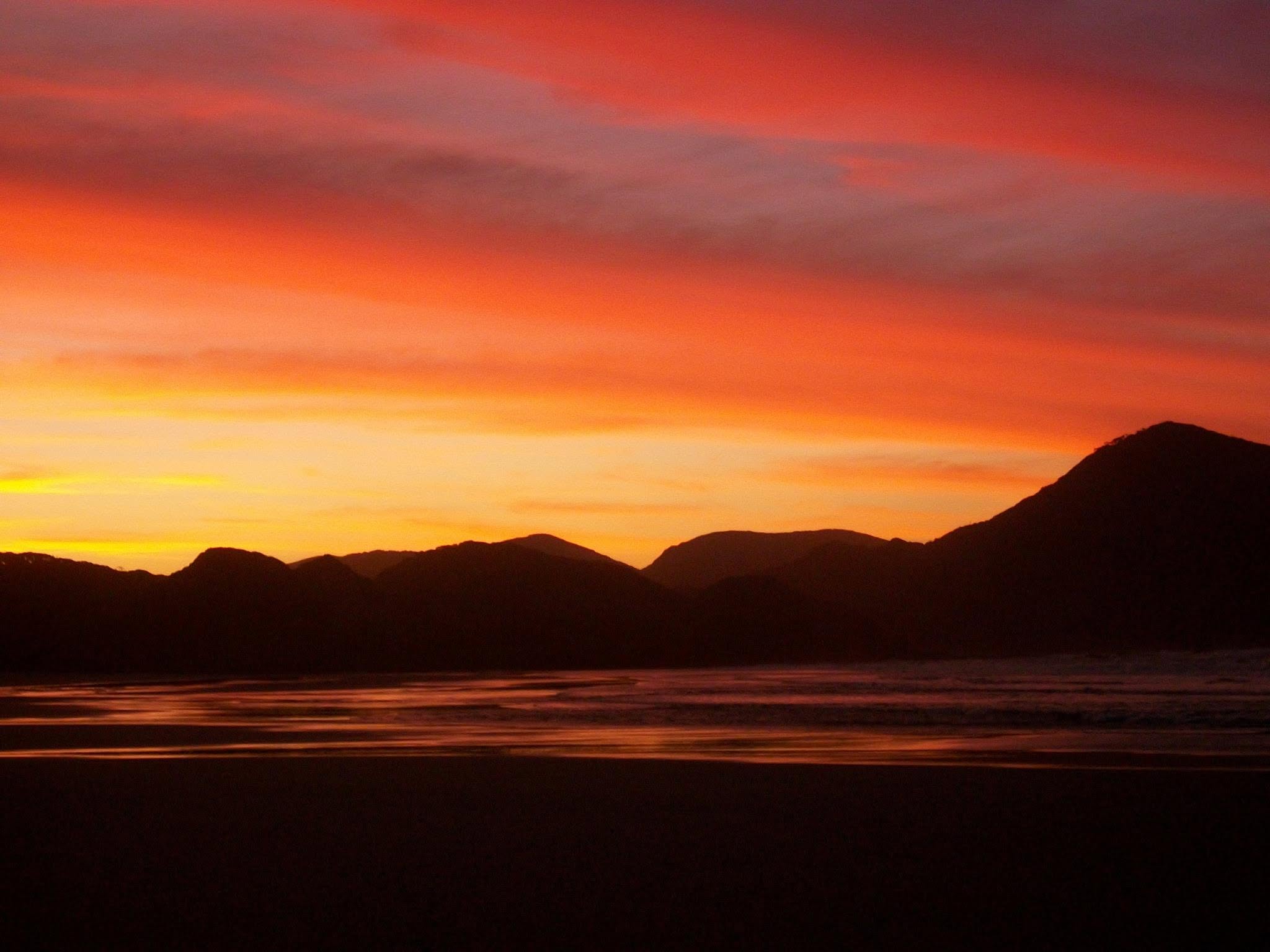
My summer holiday had begun in December 2010, when my last day in Culverden was also the start of six weeks of travelling. That December I made it to Wharariki Beach, at the end of the road beyond Golden Bay, near Cape Farewell, the northernmost point of the South Island. Above the dark hills and the wet sand, the sky turned red and orange. A year later, back in a German winter, I posted the photo with a simple wish: I want to go back to Aotearoa.
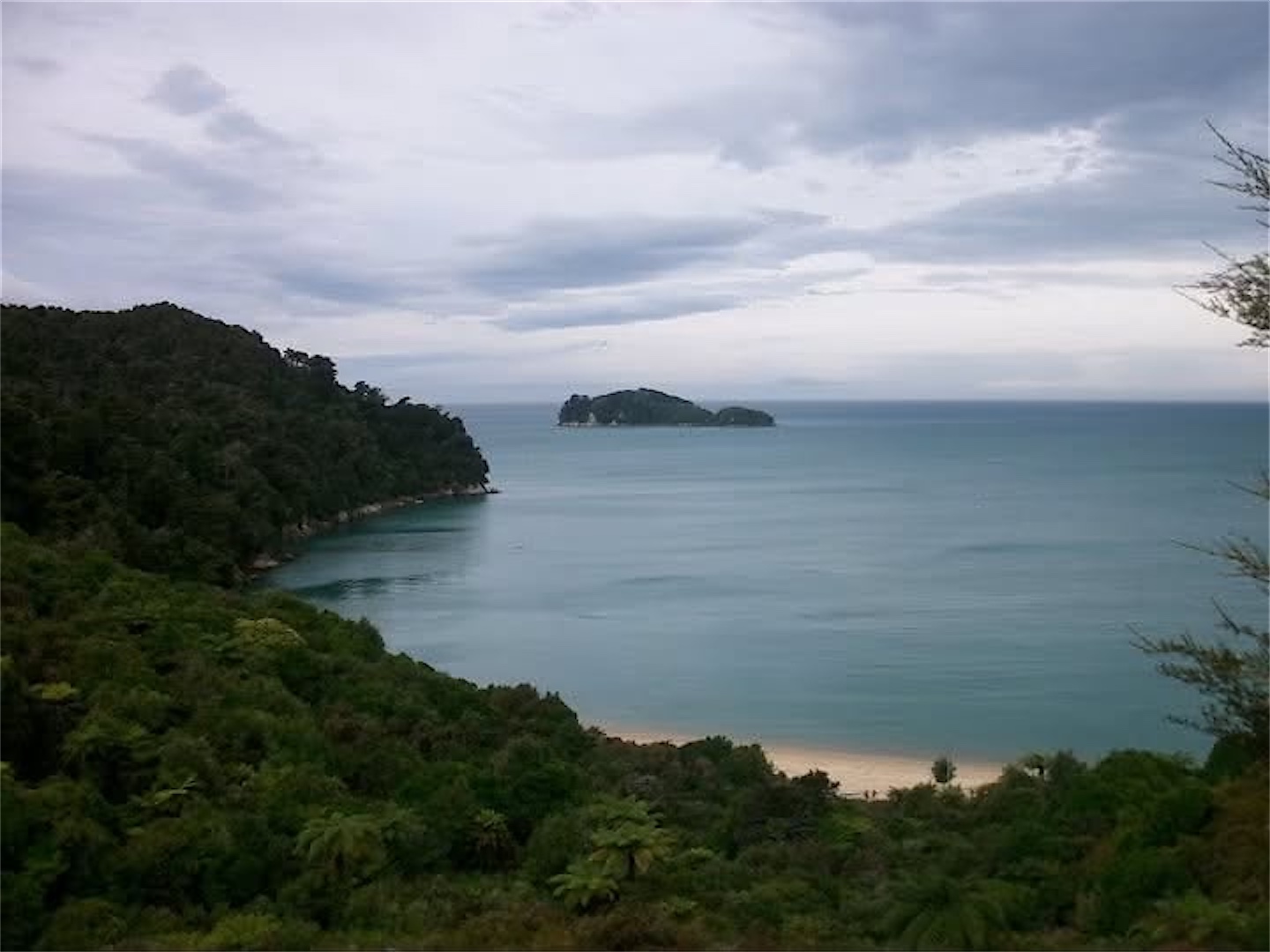
By late January my summer holiday was nearly over. Two days left, I wrote at the time, and to be honest I had slowly had enough of it. Part of it took me to the top of the South Island, to golden beaches lined with green bush and to Takaka Hill, the marble range that separates Tasman Bay from Golden Bay.
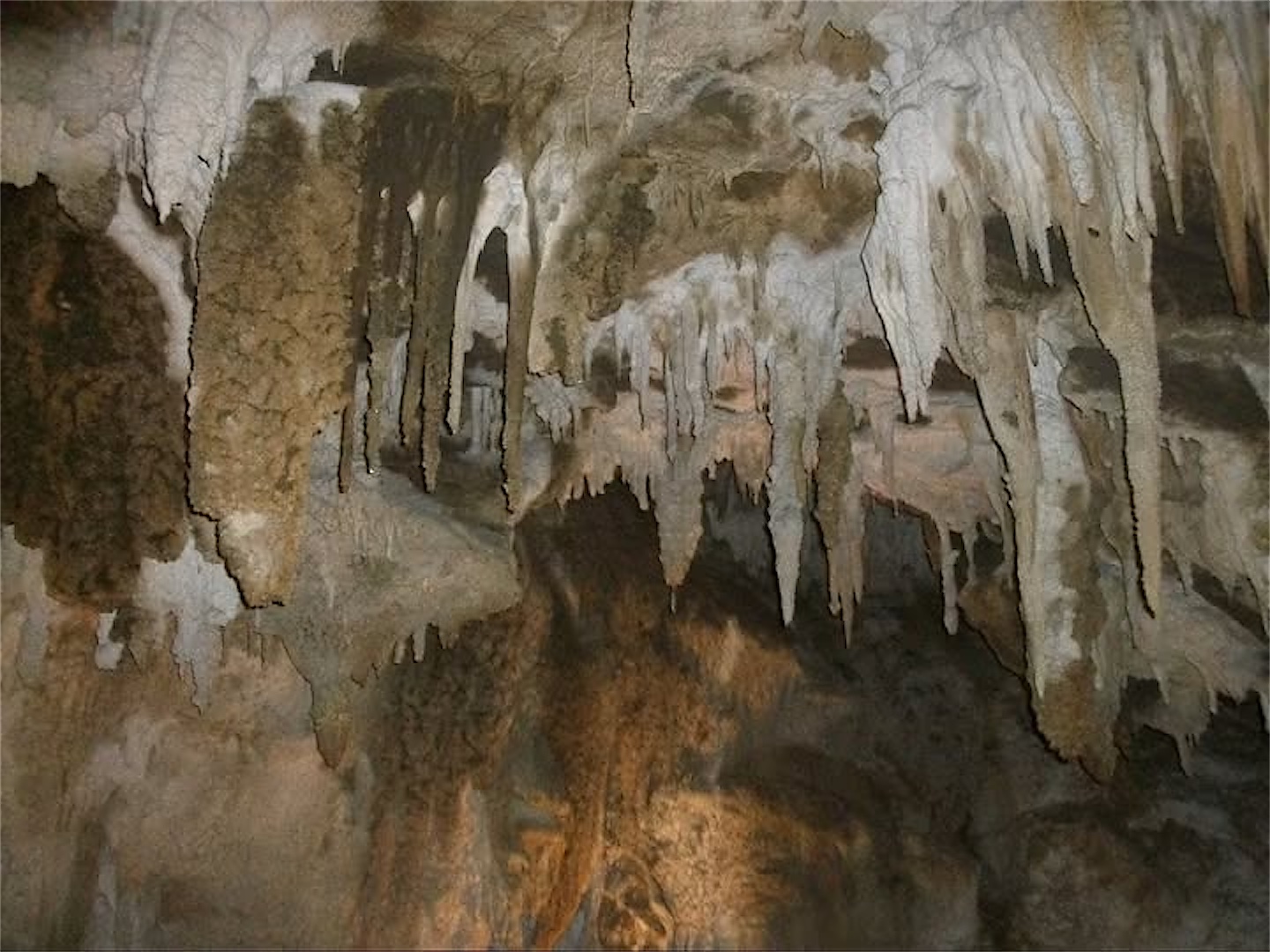
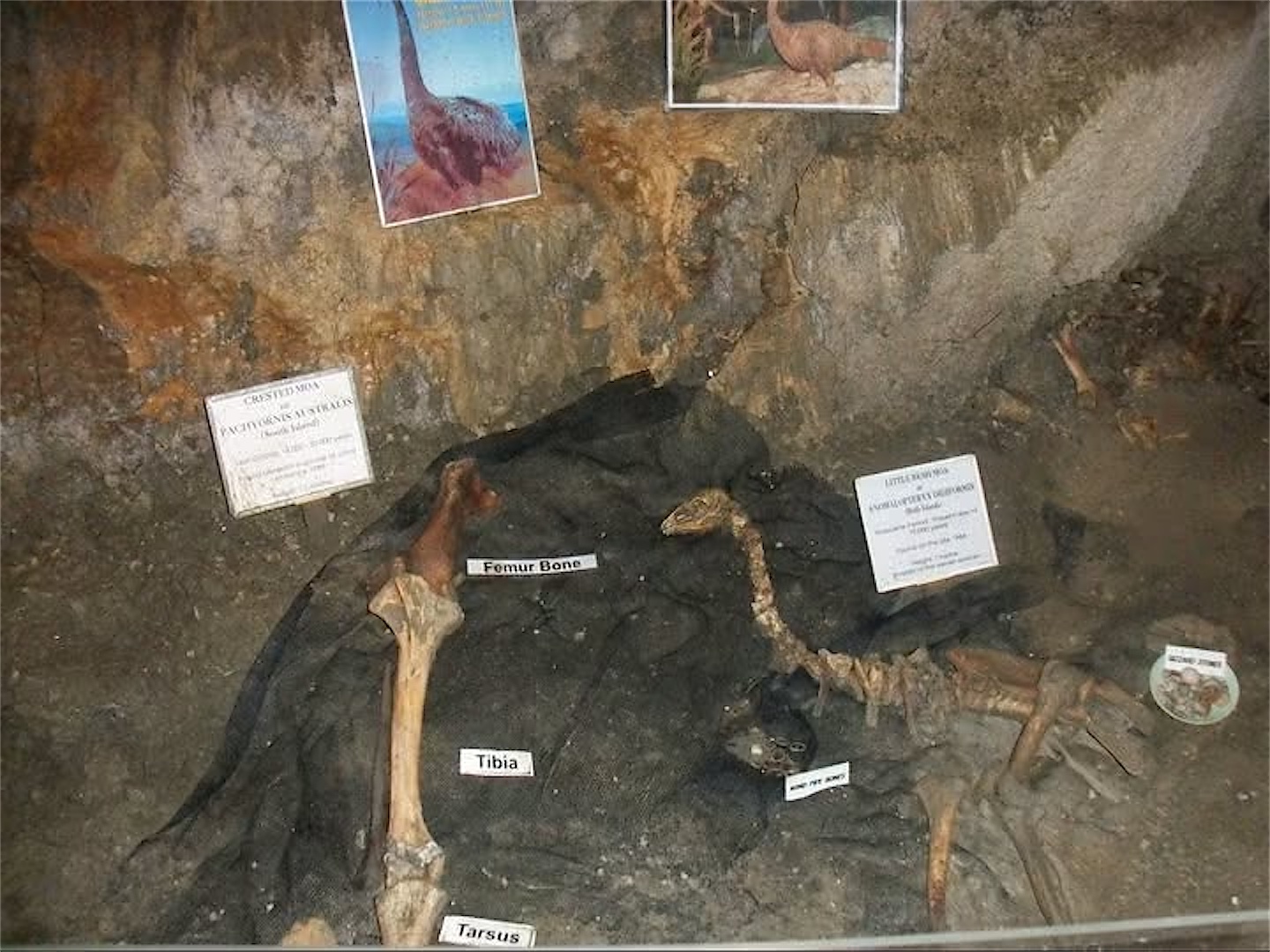
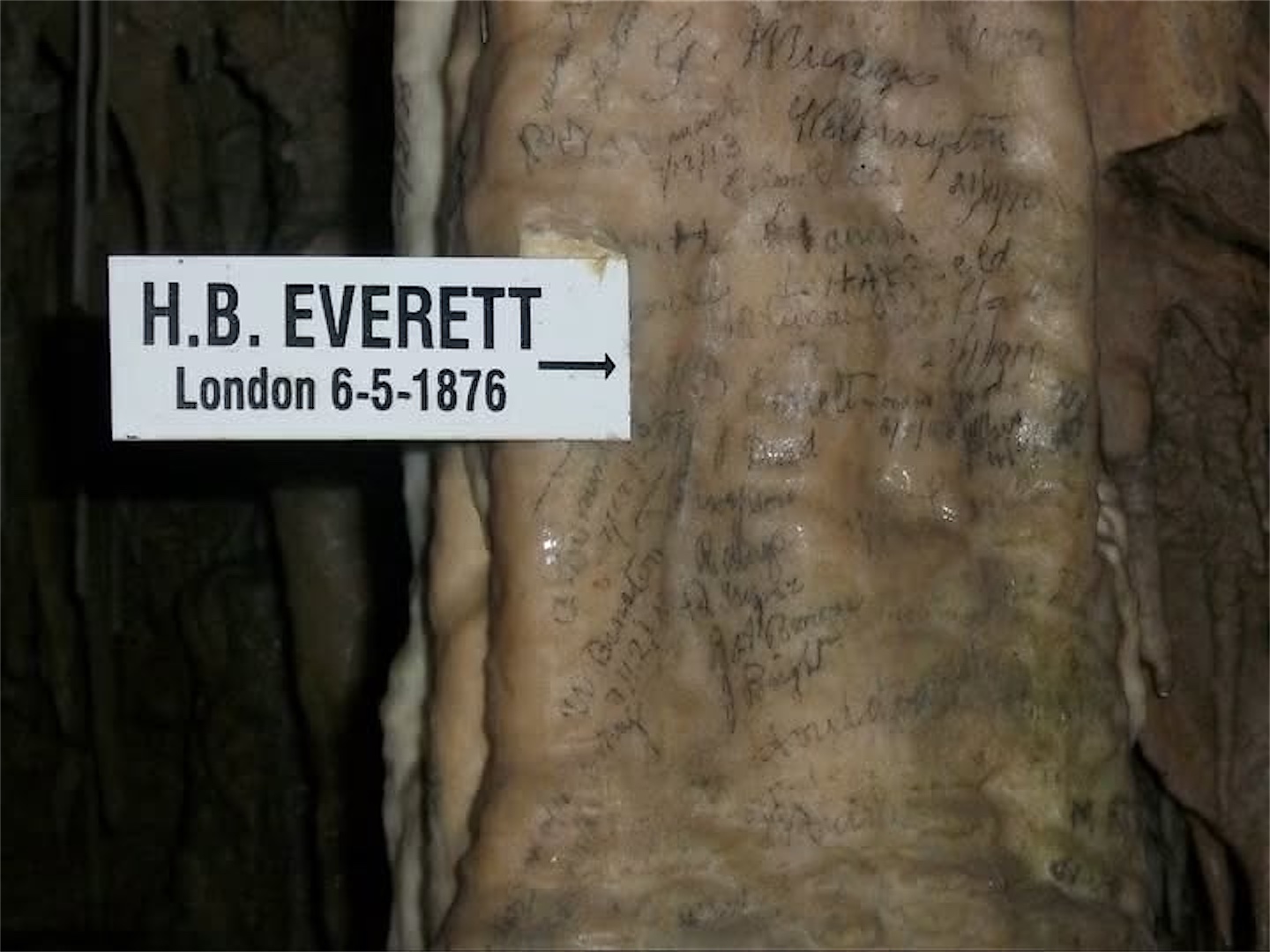
On the hill I went underground first. My caption back then only said that the next pictures showed "some cave", but the skeletons on display give it away: these were the Ngarua Caves, a show cave just below the summit. Rows of stalactites hang from the ceiling, and in one chamber lie the bones of two kinds of moa, a crested moa and a little bush moa, with small signs pointing out femur and tibia. Earlier visitors left their mark too. One flowstone wall is covered in handwritten names, one of them signed by an H. B. Everett of London in 1876.
Harwood's Hole
Takaka Hill is made of marble, and rainwater has been dissolving it for a very long time. Above ground that means slopes strewn with grey rock and sinkholes that lead straight down into the caves below, often half hidden under grass and ferns.
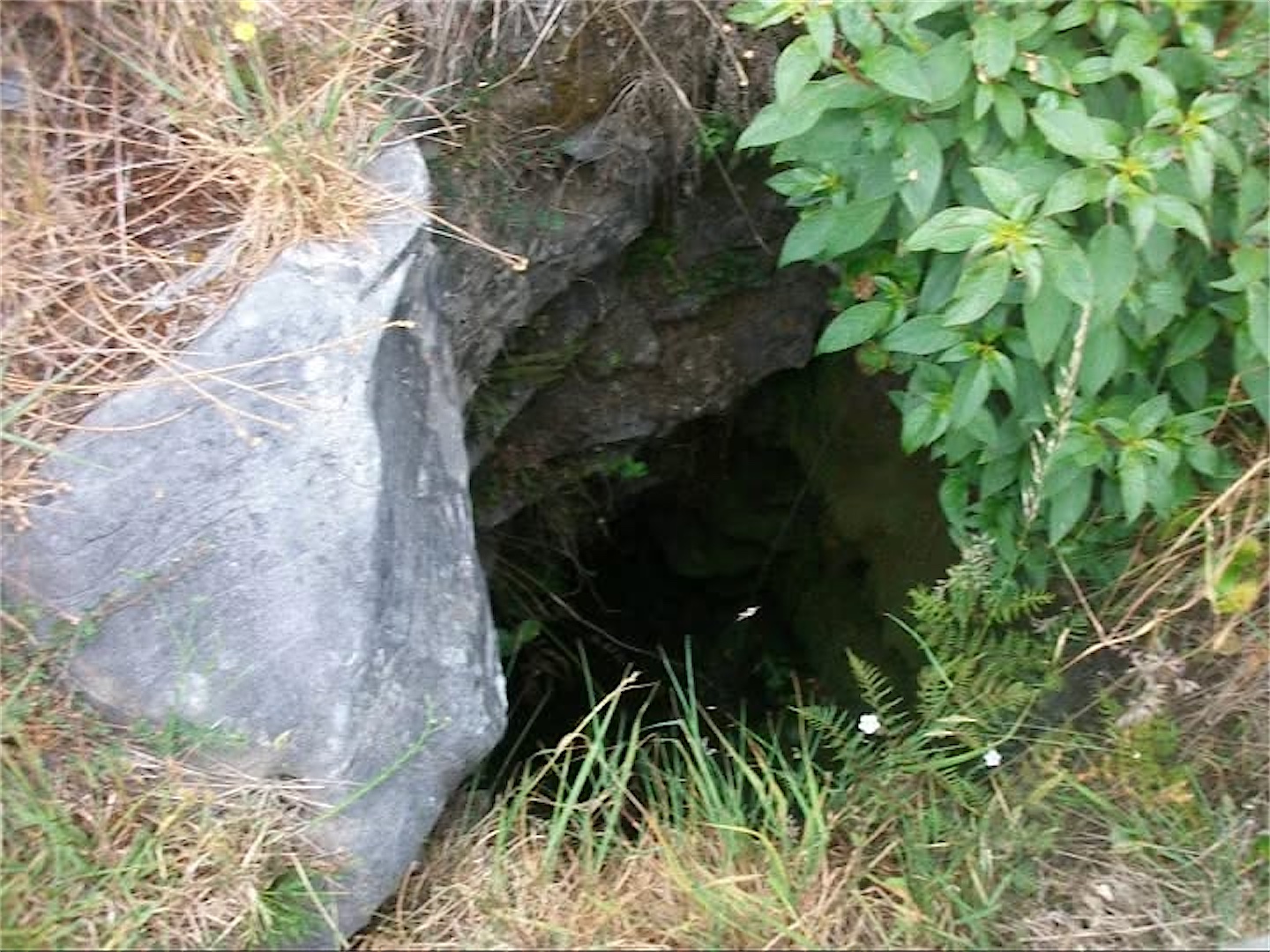
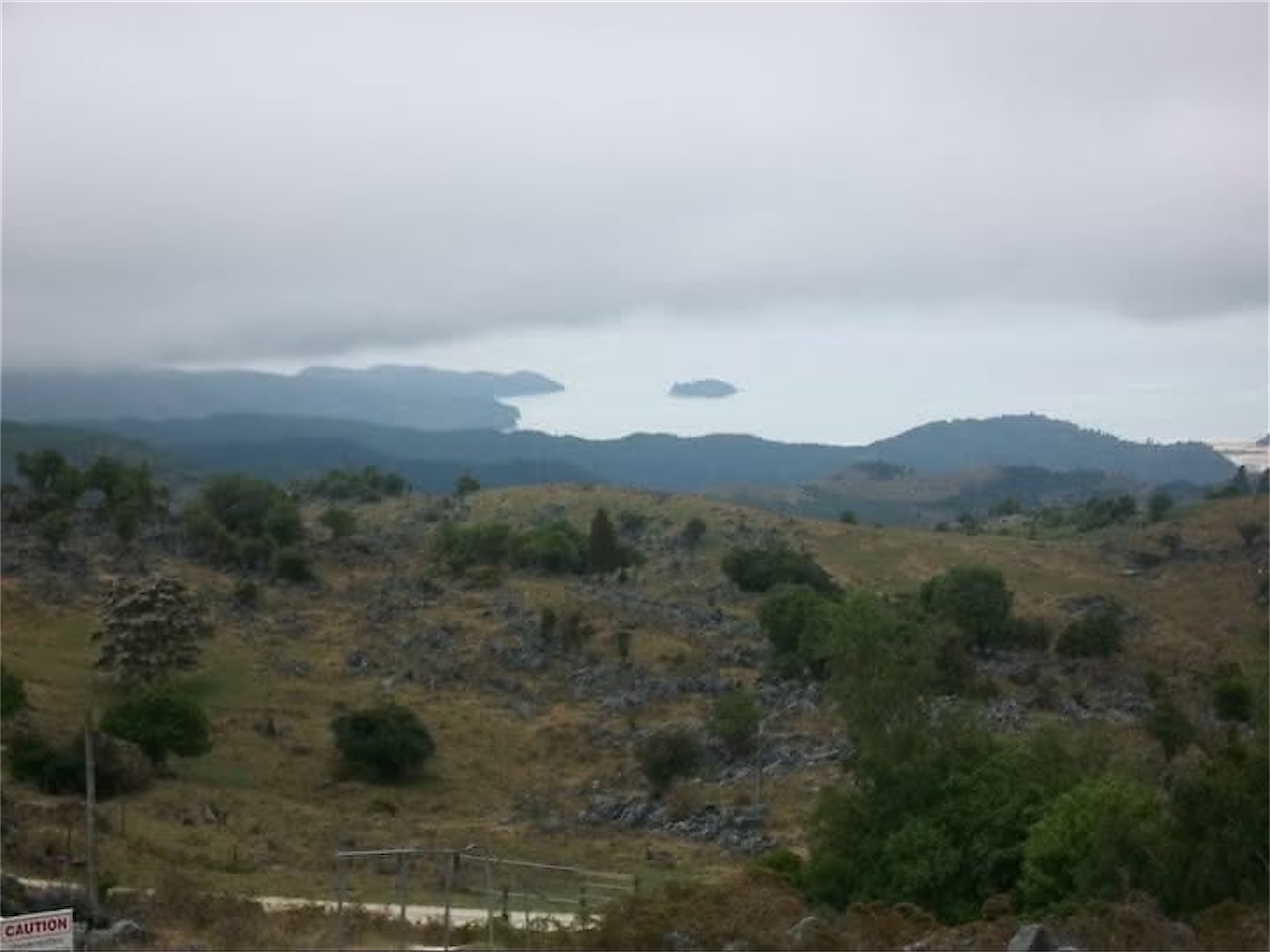
Then I went looking for the most famous hole of them all. A gravel road leads through tall forest to the start of the walk to Harwood's Hole, a shaft that drops 176 metres straight down. Back then I described it to my friends as the deepest hole in the southern hemisphere. A sign on the way was blunt: no safety barriers, loose and unstable rocks, unsuitable for children, and please don't throw anything down, because cavers may be below. A rather dangerous business, I noted. The path follows a gorge full of huge boulders and ends at a giant funnel of grey cliffs overgrown with bush, with the shaft somewhere deep below.
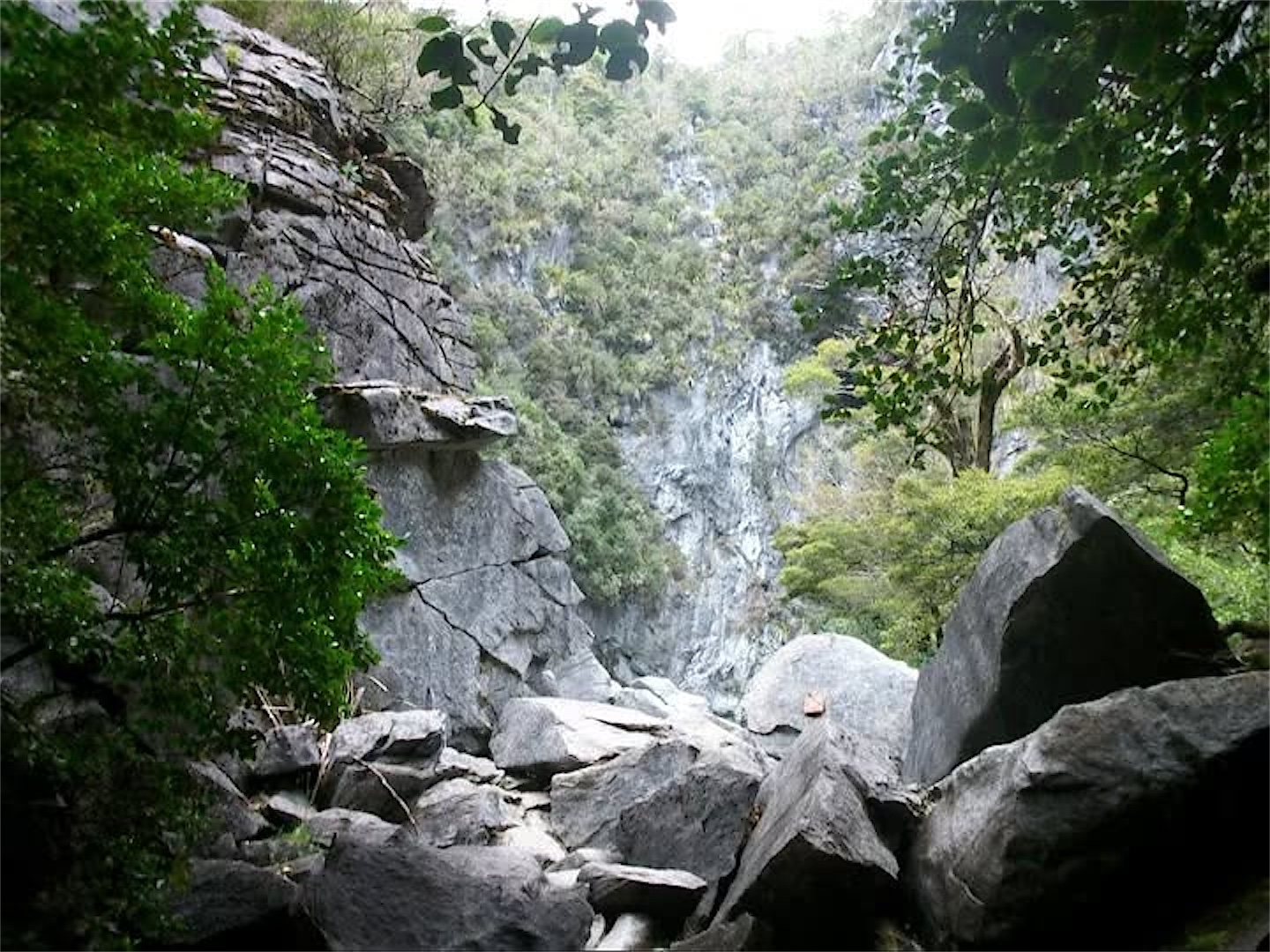
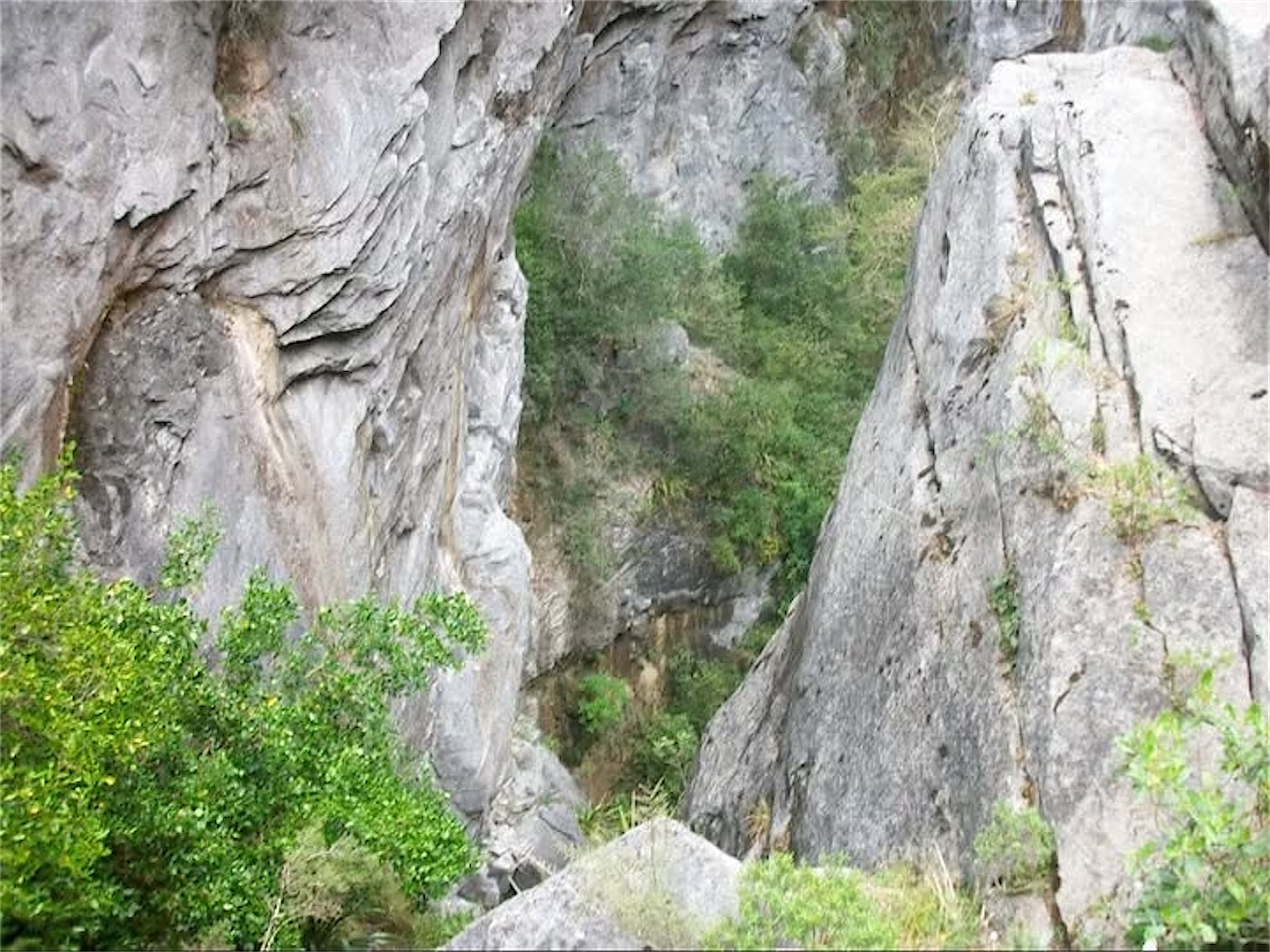
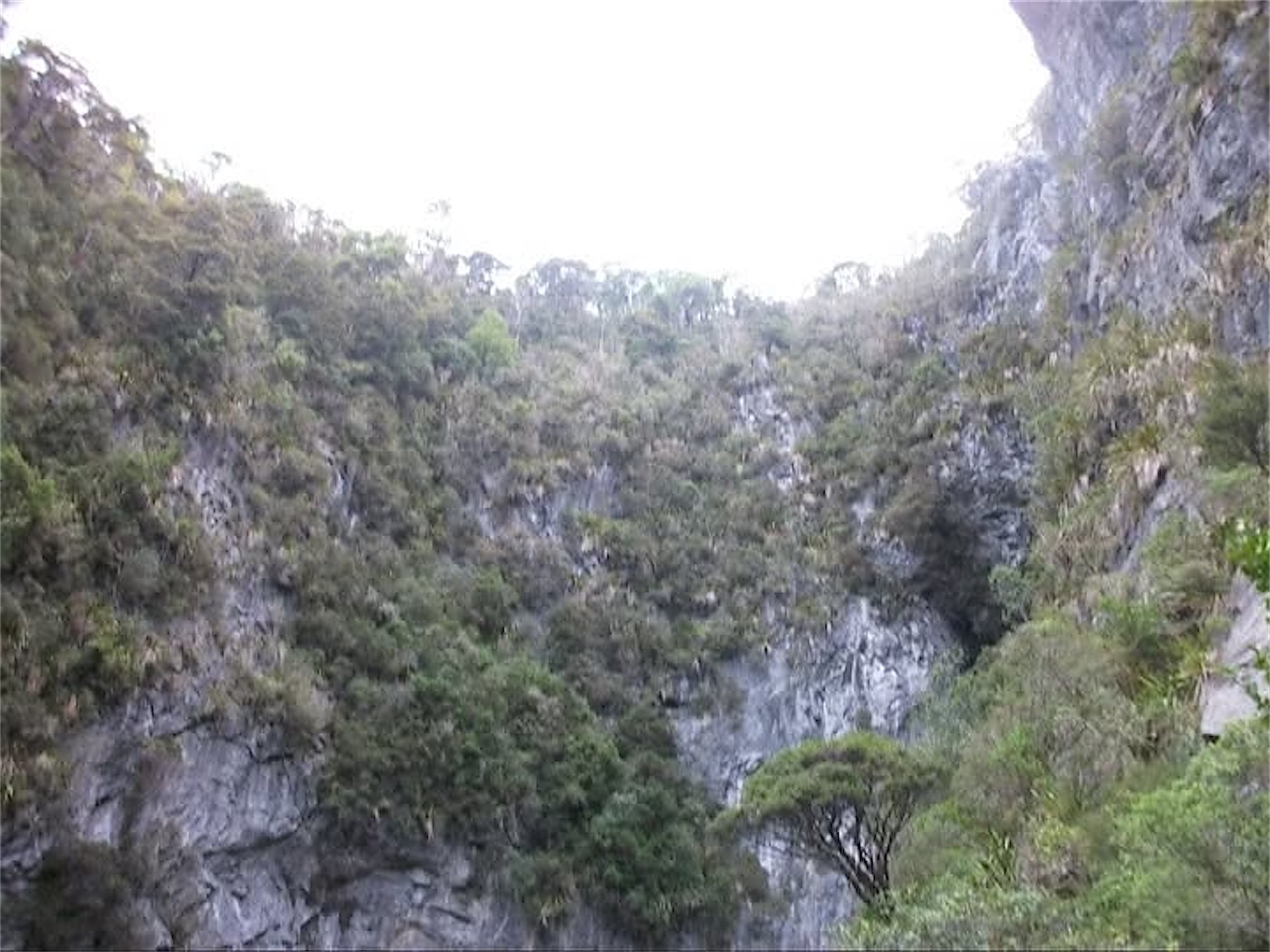
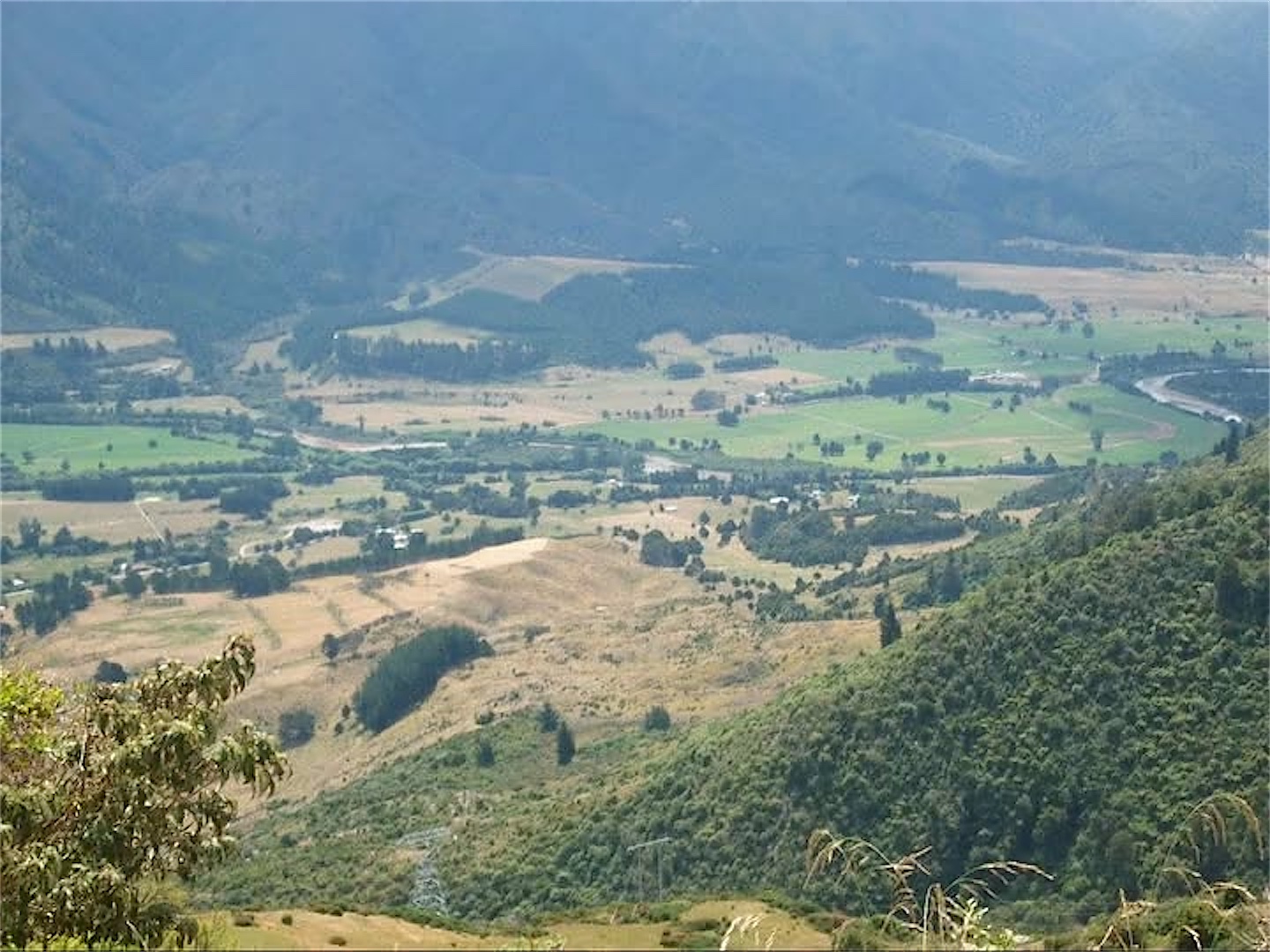
Later the sky cleared, and from the hill the view opened over the green farmland of the Takaka Valley.
A new home in Helensville
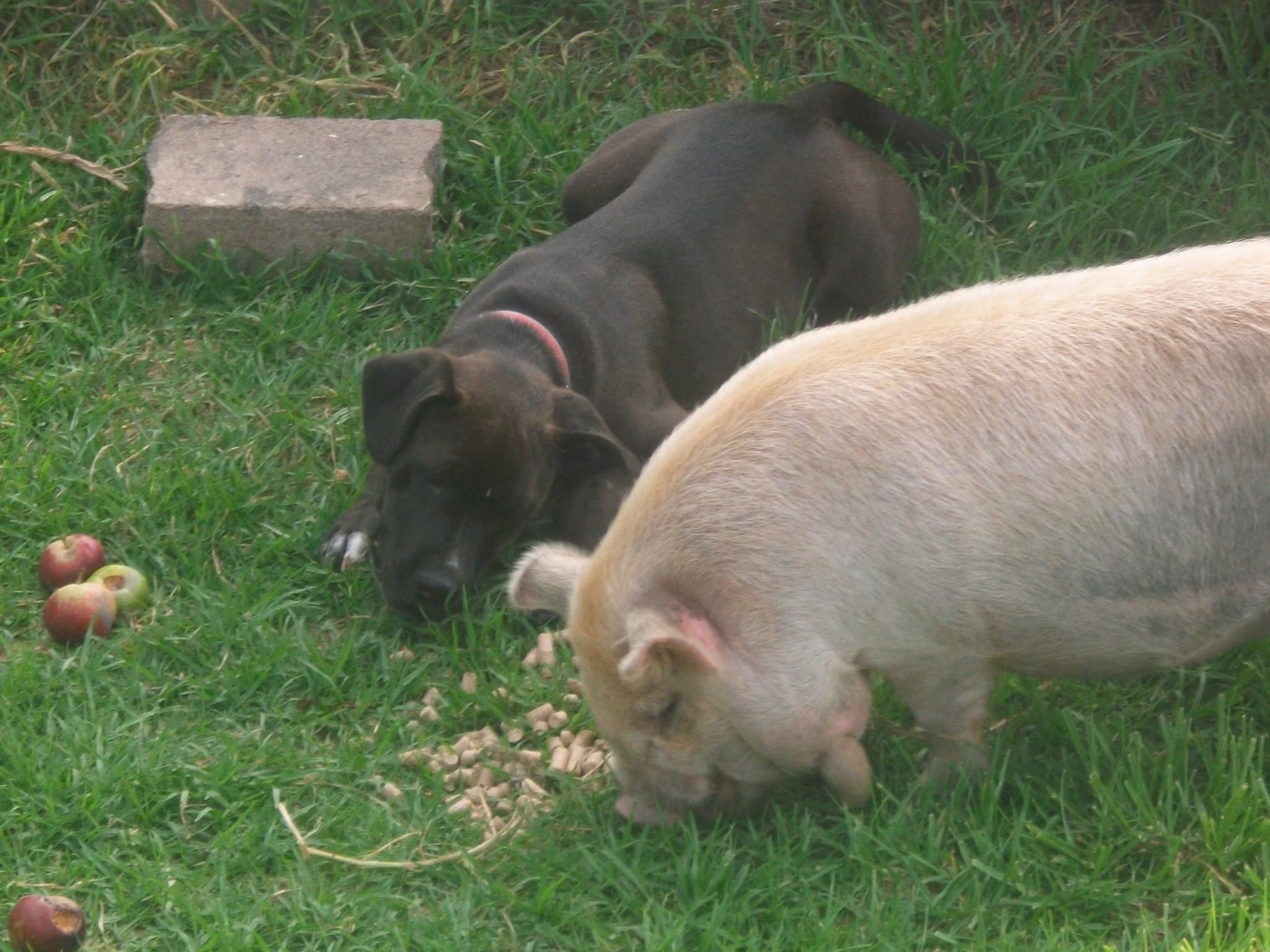
By early February I had moved north for the second half of my year, to Helensville, a small town north-west of Auckland near the Kaipara Harbour. Life there came with animals. Our house pig was ridiculously cute, and the dog was her best friend. I built the pig an enclosure and gave her a nickname straight from the German kitchen. Less charming was an invasion of flies in the kitchen, the worst I had ever seen, which left me no choice but to kill hundreds of them. I also drove a big van towing a heavy trailer piled with sofas; in Germany I would have needed an extra licence for each of them.
On the South Island, people seemed to love hating Auckland, so I expected little. The city turned out to be much better than I had thought, although its rush-hour traffic was dreadful. On free days I explored the region. Once again I climbed a volcano, this time Rangitoto, the young volcanic island that rises out of the Hauraki Gulf in front of the city, and the view from the top was a dream. A trip to the Coromandel Peninsula, on the other hand, was thoroughly rained out, at least by the time I reached the old gold-mining gorge of Karangahake. In between, applying to universities back home in Germany was getting stressful.
Waitomo: abseiling into the dark
The big underground adventure came in the autumn. I drove south from Helensville along the west coast, nine awesome hours on gravel roads past Port Waikato, Raglan and Kawhia, and spent the night in Waitomo to go caving the next day.
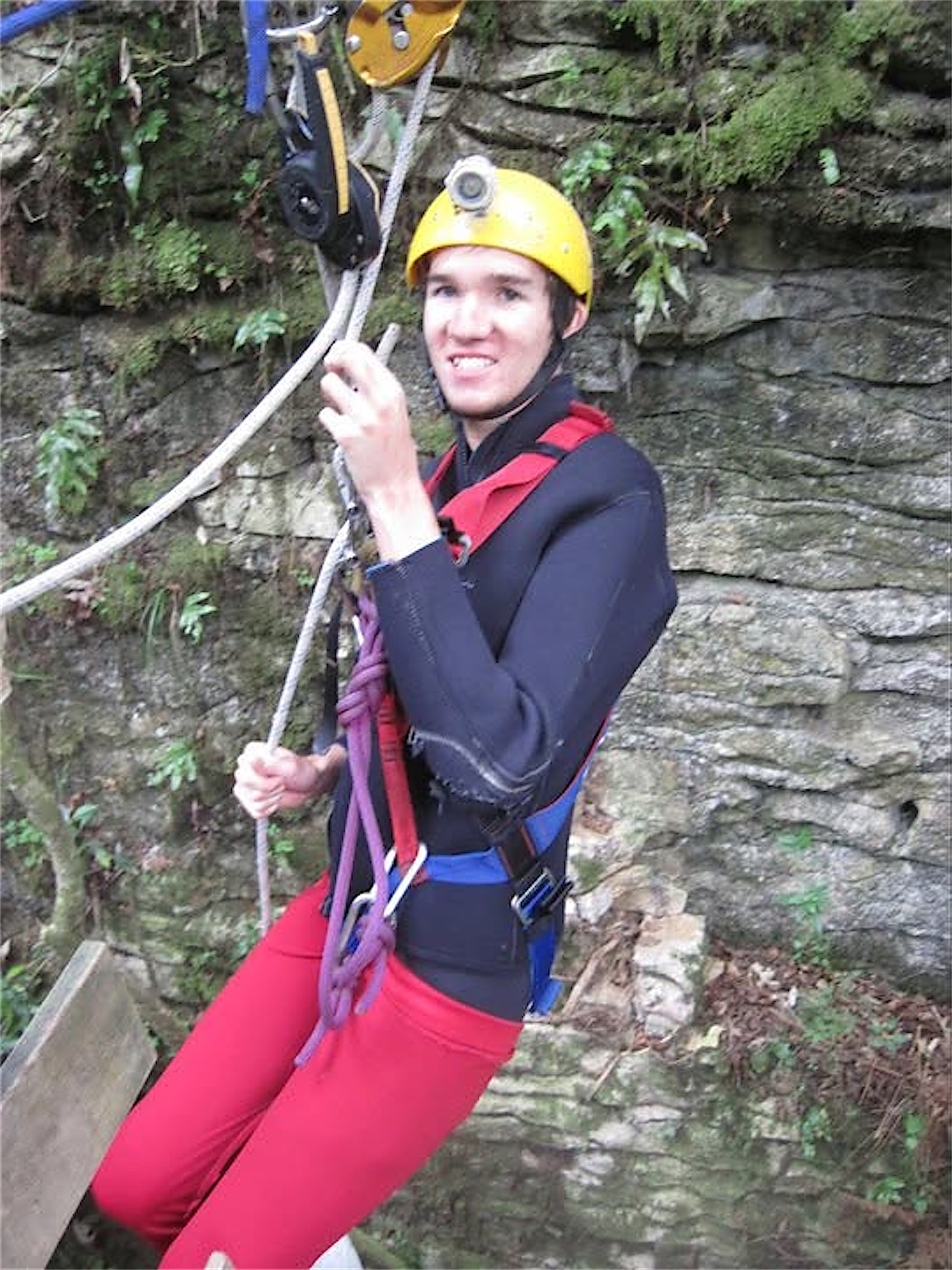
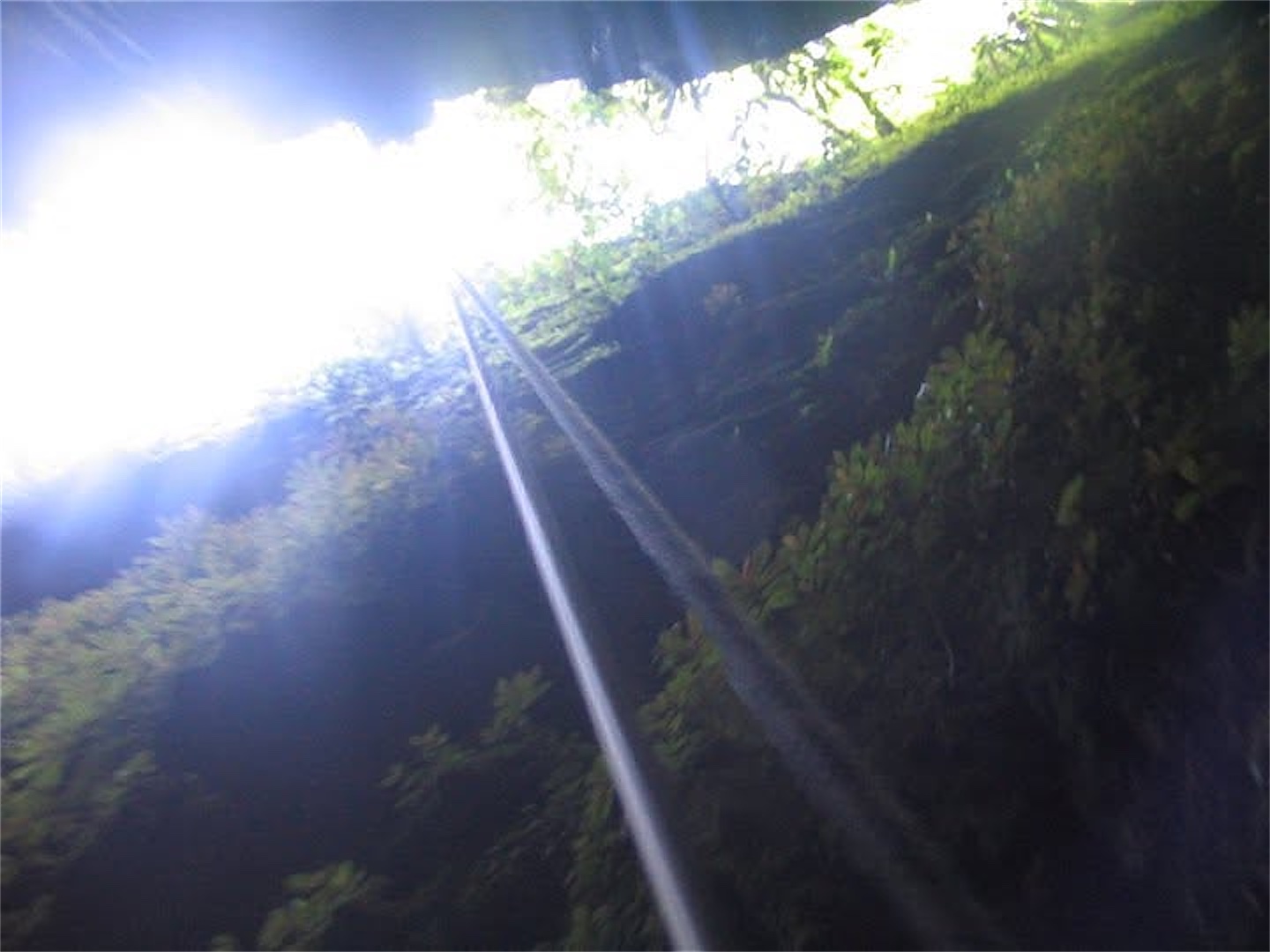
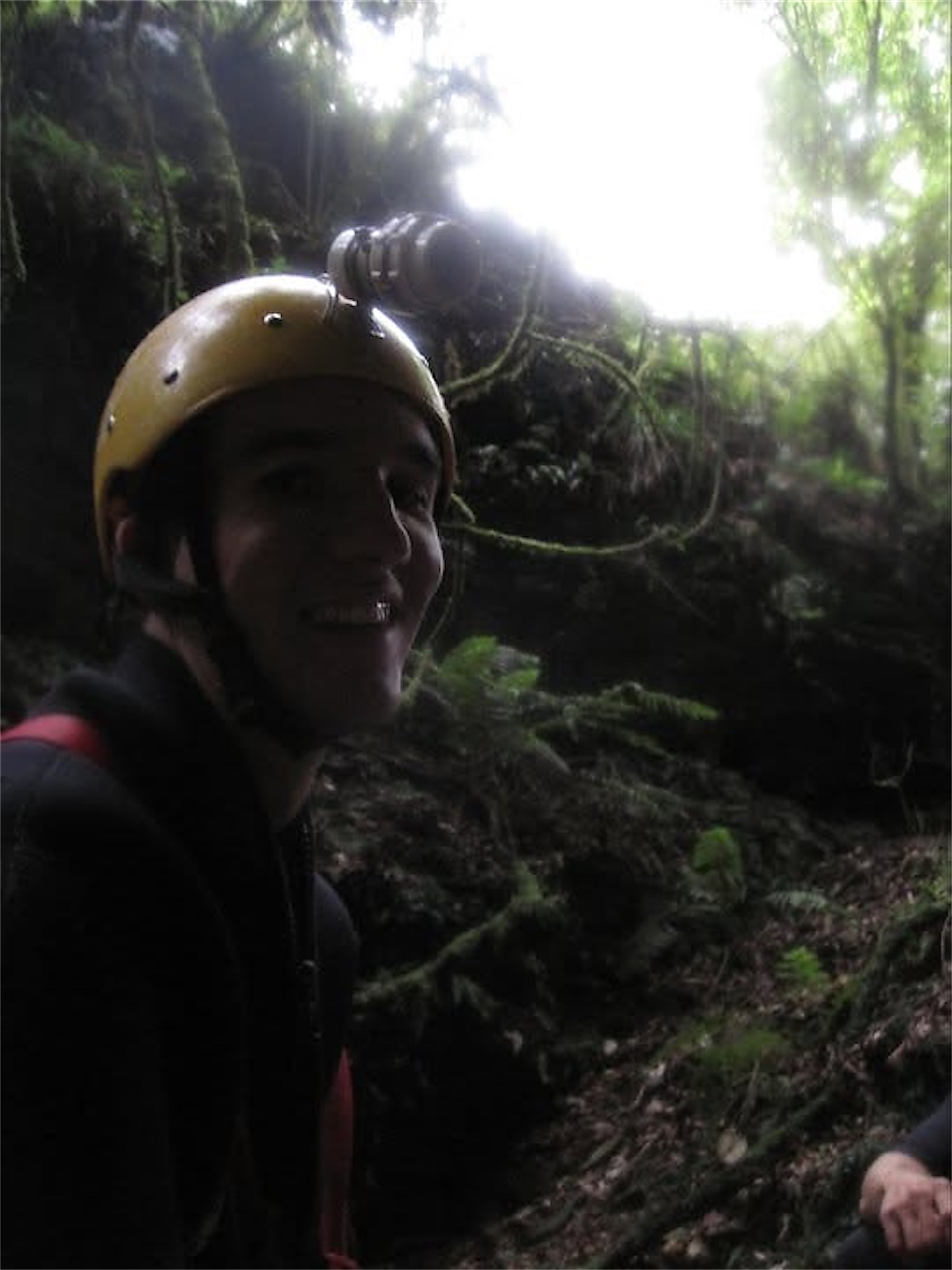
It started above ground, in a harness and a wetsuit. In the photo I looked sexy, as I put it at the time, although you could also see the nerves. Then I was hanging 37 metres above the ground on a rope, abseiling into a shaft that looks like a green, sunlit cathedral from below.
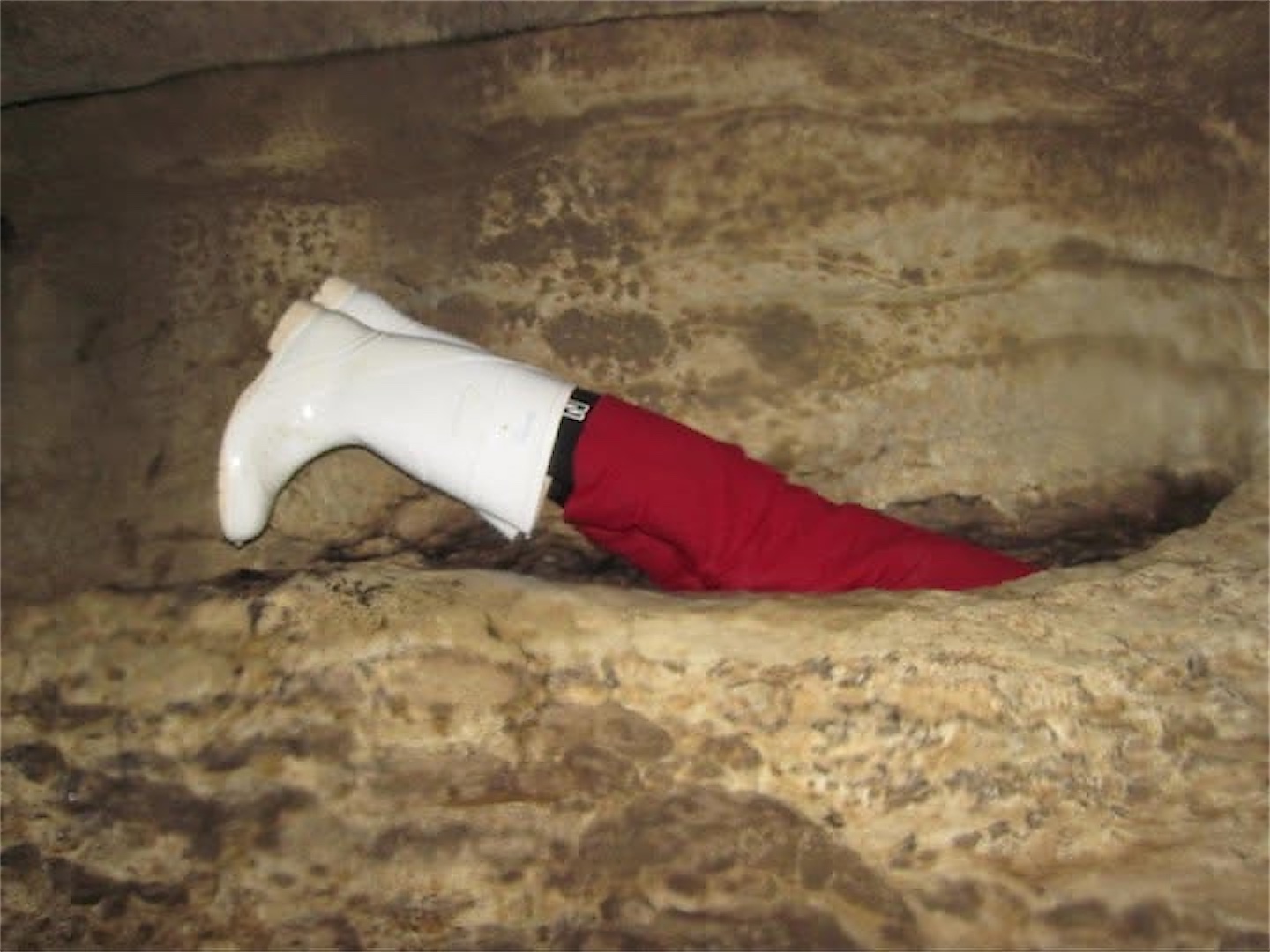
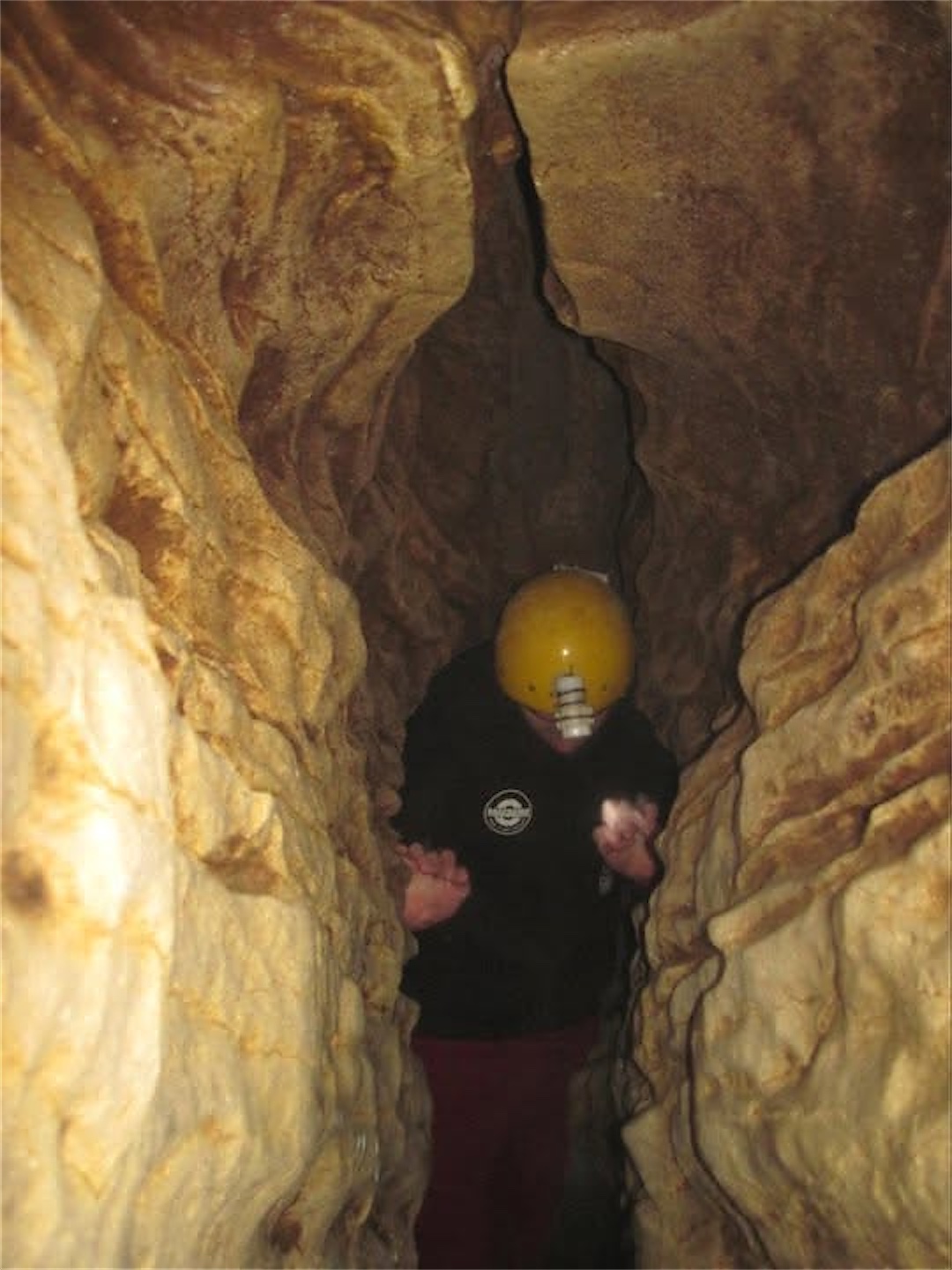
Below, the real caving began, and I would have preferred to be a bit smaller. The passages were very tight, sometimes they even sloped steeply downwards, and often the only way forward was to crawl. In some squeezes you always think you will get stuck, and in one I really did: you can't see it in the photo, but my boot proves it. I managed to free myself again.
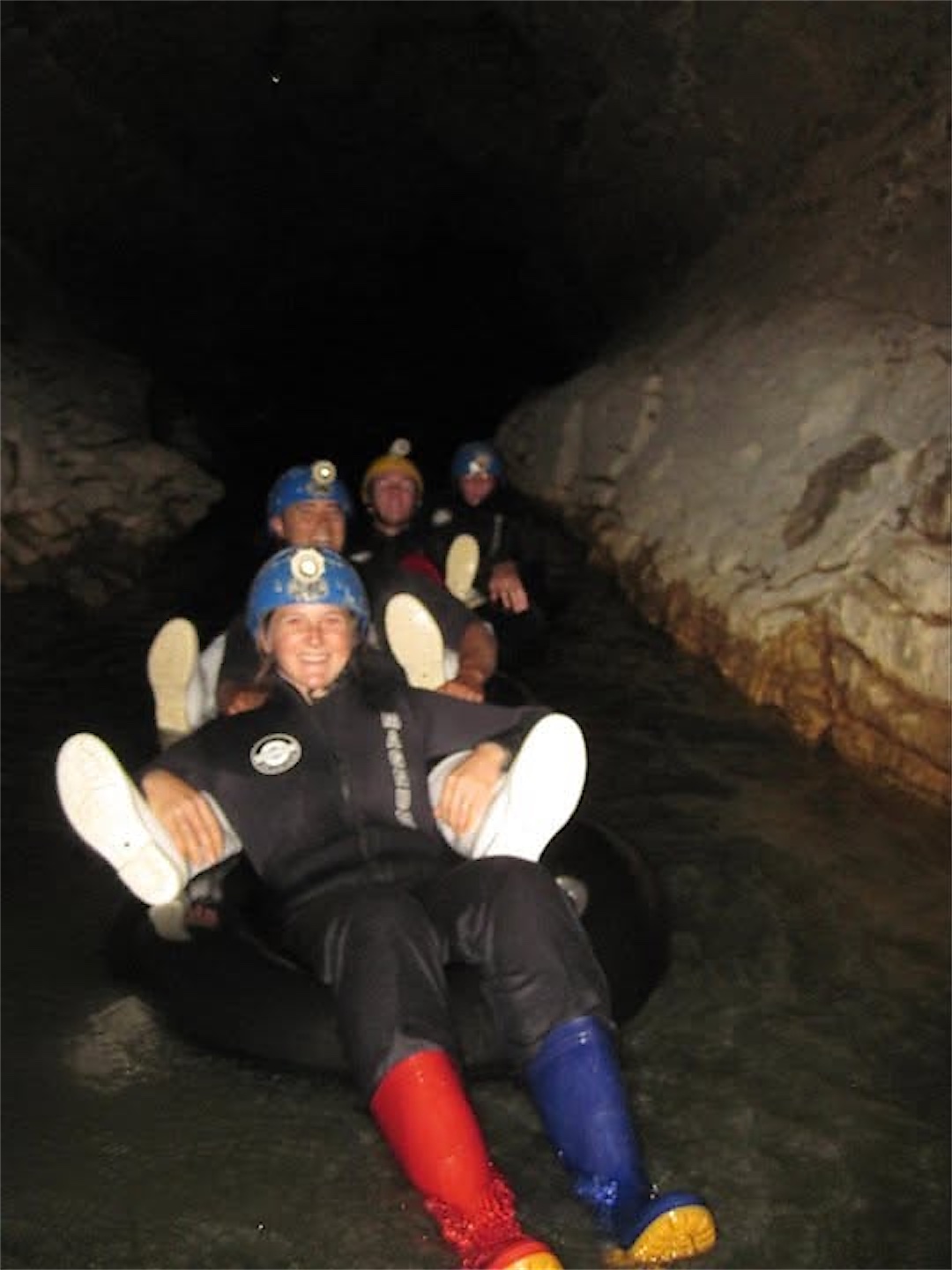
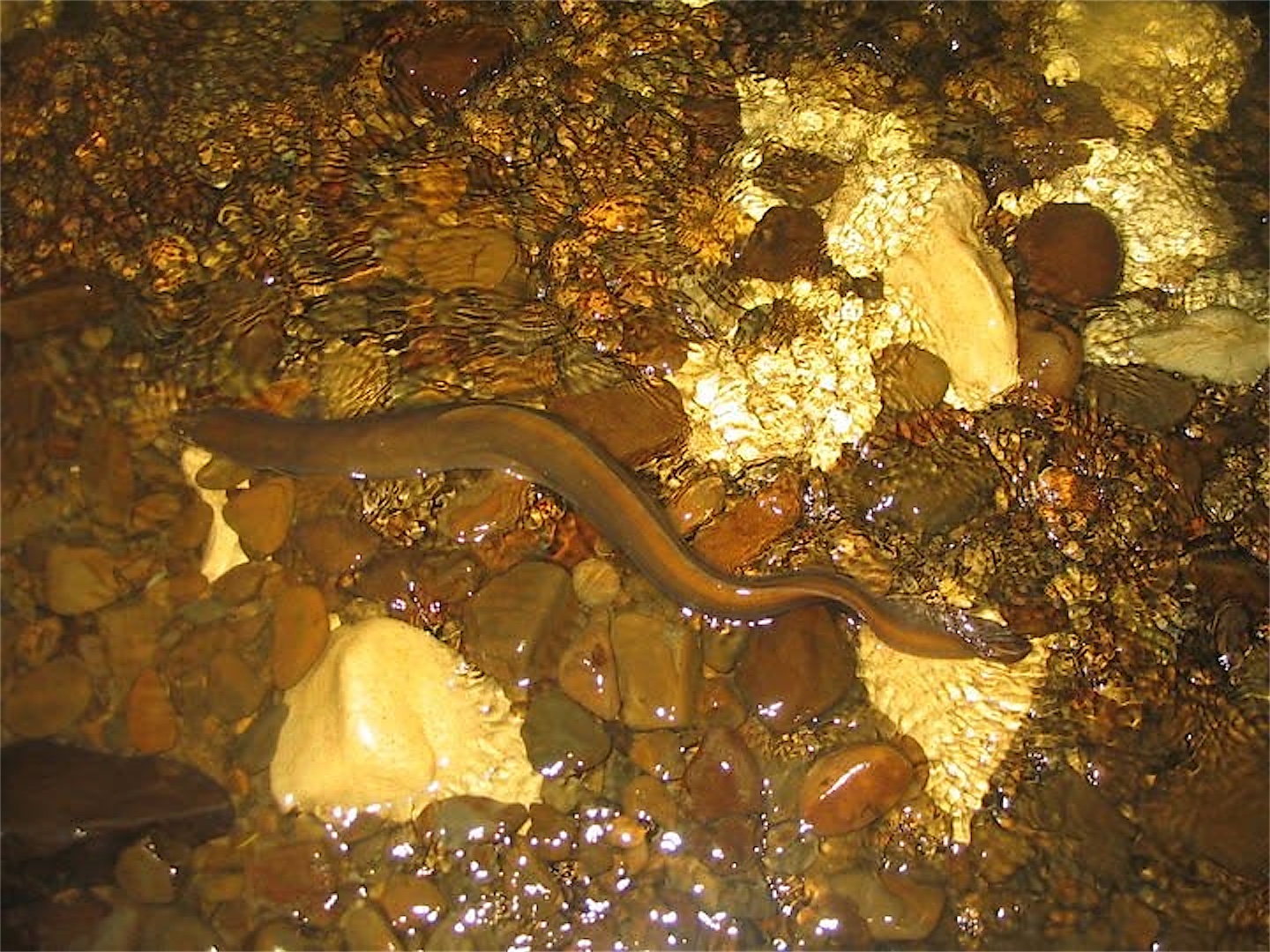
Much more pleasant was lying in a rubber tube and letting the underground river carry us through the darkness. We were not alone in the water: slimy eels shared it with us. New Zealand's freshwater eels clearly don't mind the dark.
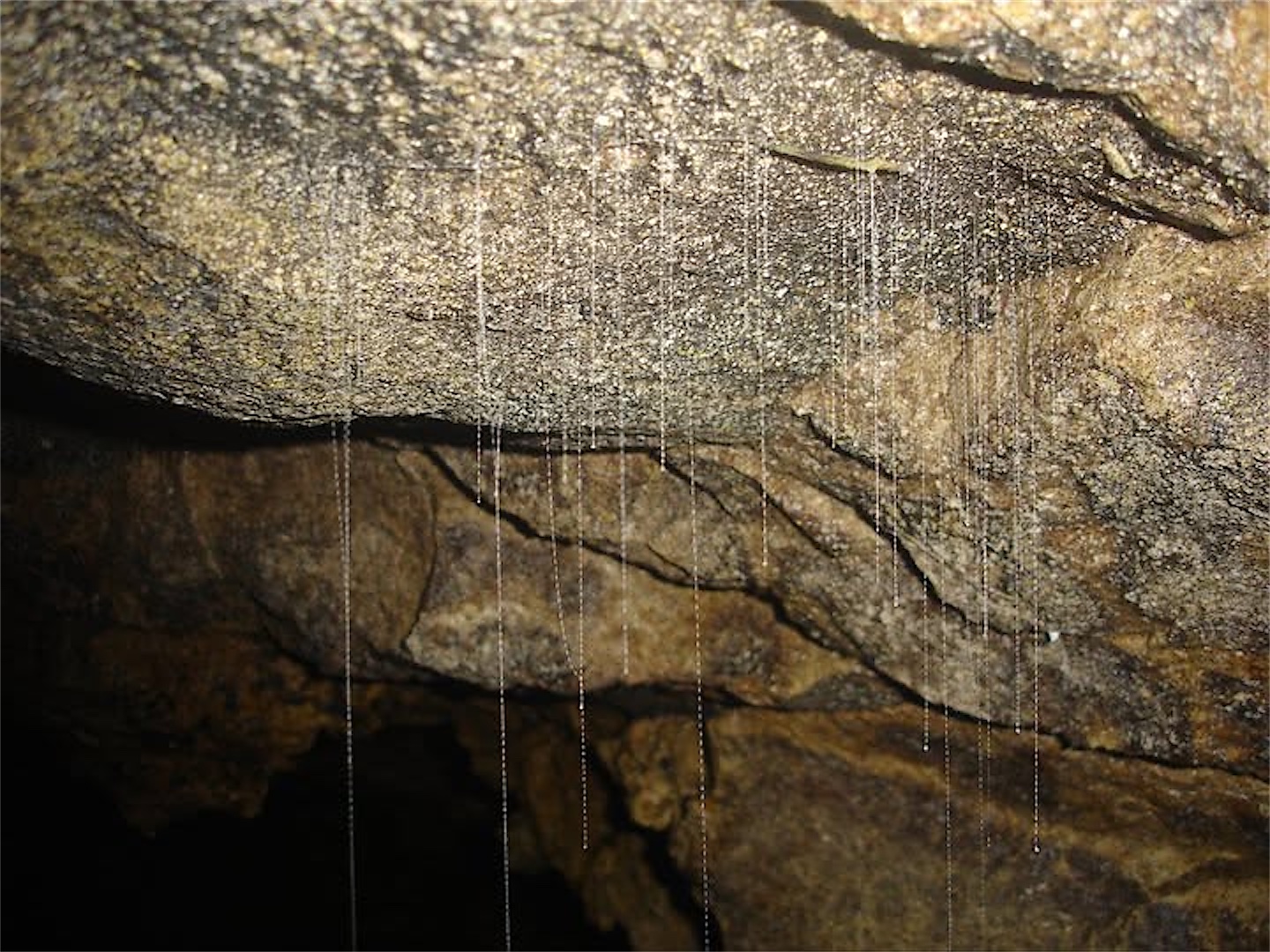
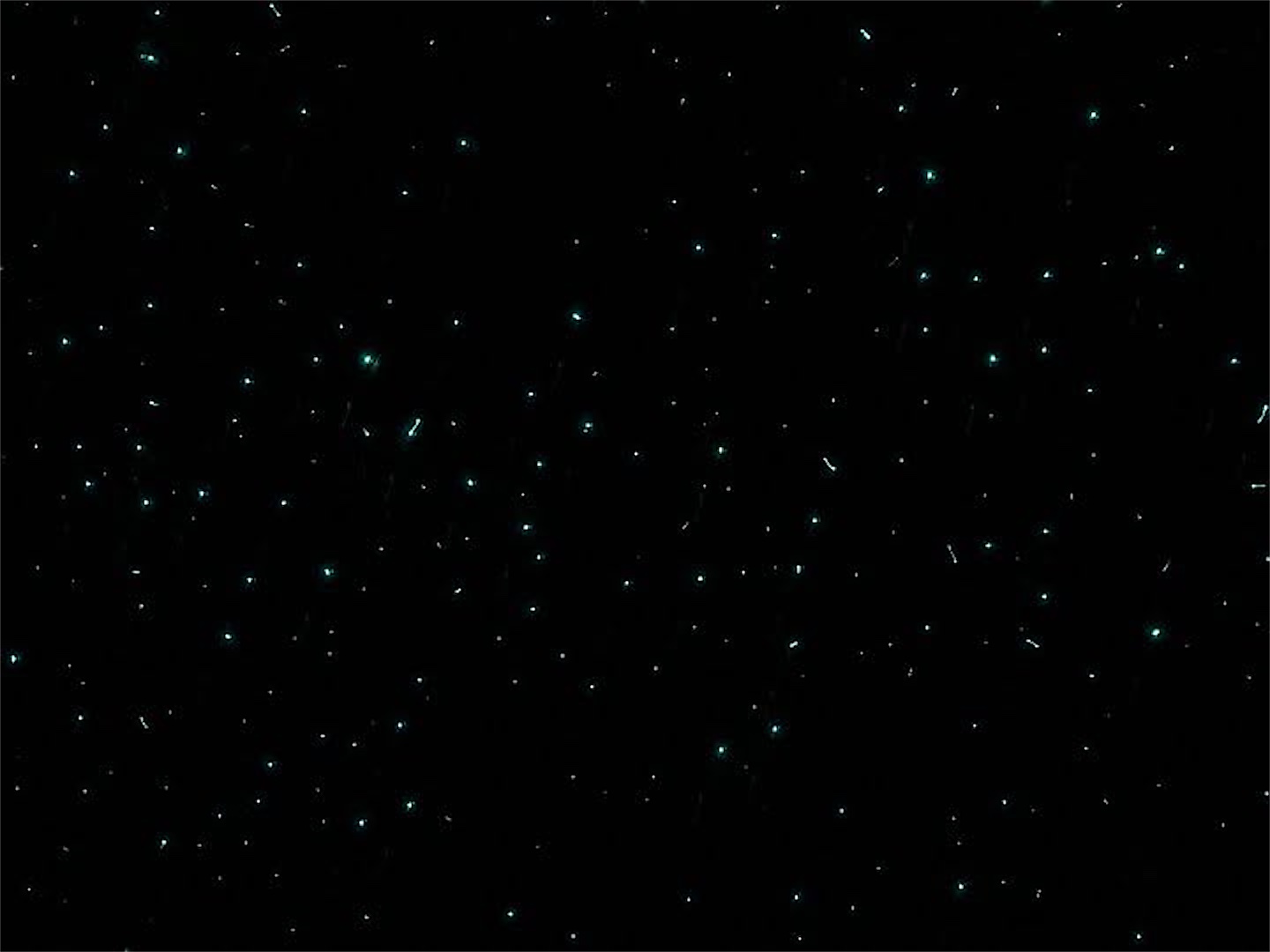
And then there were the glow-worms, a whole lot of them. In the dark the cave ceiling looks like a starry sky, and in the light of a lamp you can see the fishing lines they hang down to catch insects.
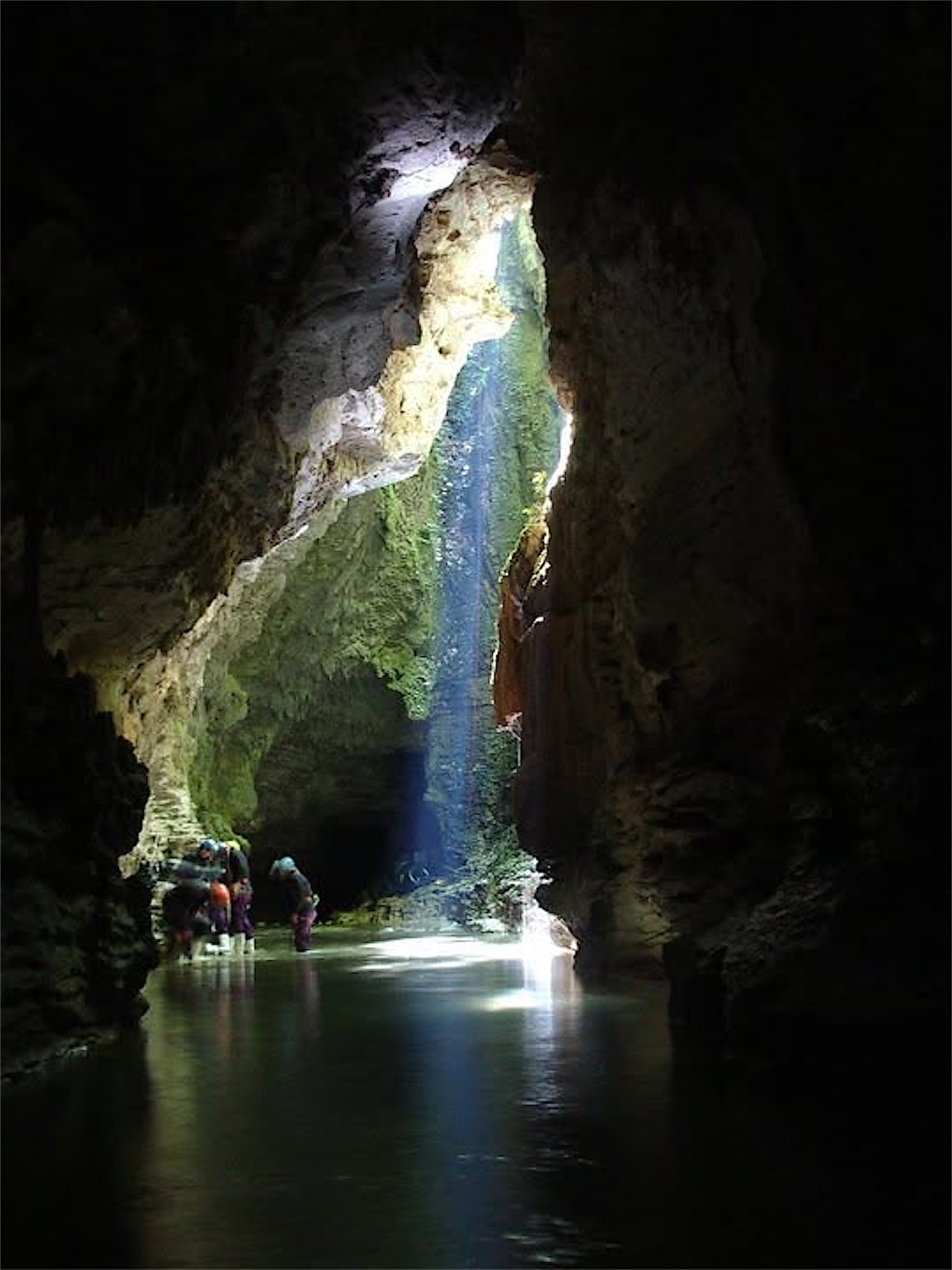
At the end we had to go back up, climbing a wet rock face in gumboots right next to the rope we had come down on. Finally there was daylight again, and with the sun shining into the shaft it was a glorious sight.
Four days in the Far North
In late April I finally had four days off and set off north. The plan: giant kauri trees, Ninety Mile Beach, Cape Reinga and a lot more. Four days later I was back in Helensville after what I called an odyssey through Northland: an awesome trip with awful weather. The roadmap I drew afterwards showed in blue everything I had driven so far, up the west coast past the kauri forests of Waipoua and the Hokianga Harbour to Cape Reinga at the northern tip of the country, and back down the east side via Doubtless Bay and Kerikeri. Cape Reinga is Te Rerenga Wairua in Māori, the place where, according to tradition, the spirits of the dead leave the land. In green the map showed what was still missing: the Bay of Islands, the coast south of it and Whangarei Heads.
The Bay of Islands and Waitangi
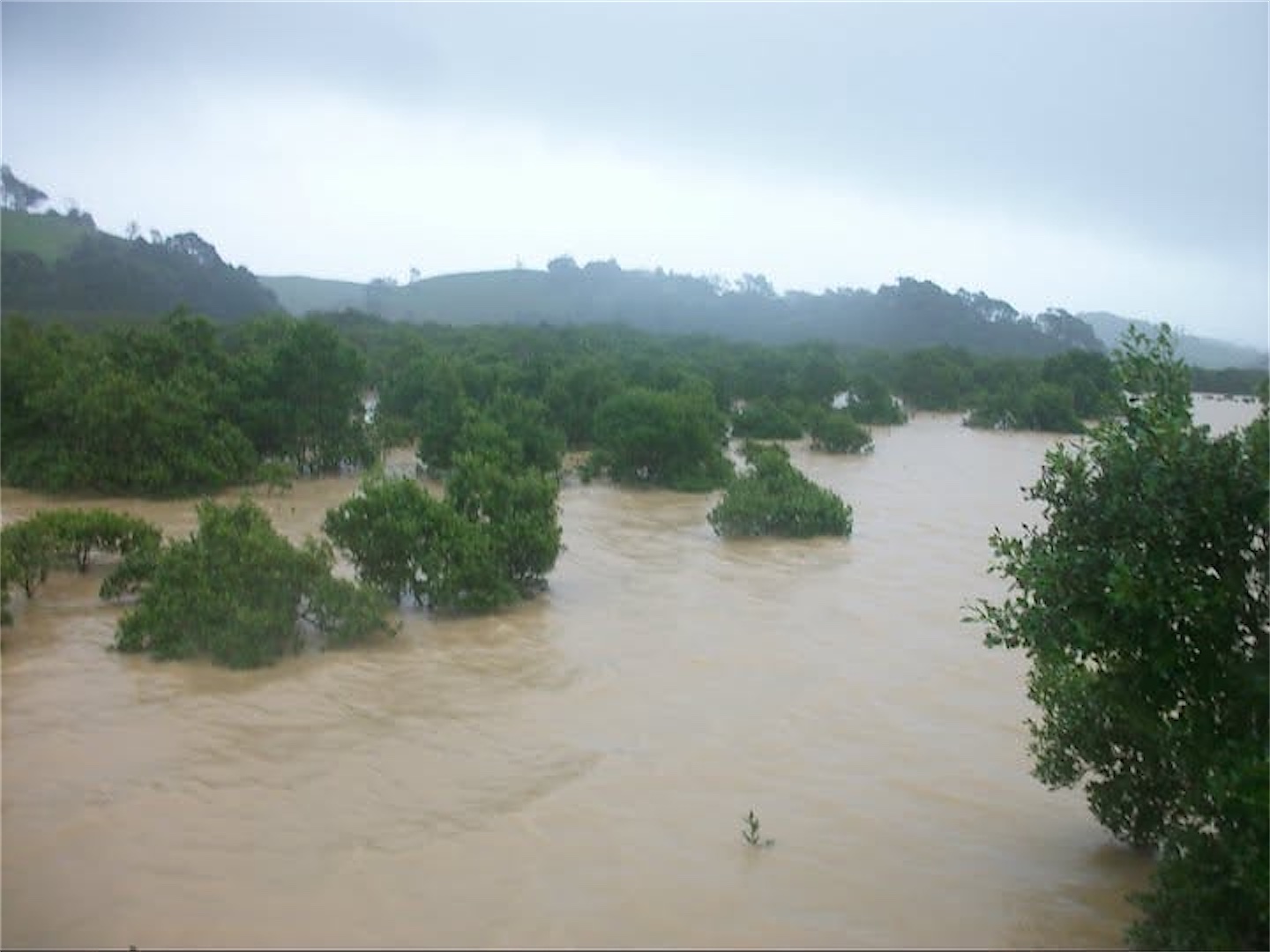
The album I uploaded in early June shows that I made it to the green routes too. It starts, fittingly, in pouring rain, with brown floodwater among the trees, and in Kawakawa, a small town whose public toilets are a work of art.
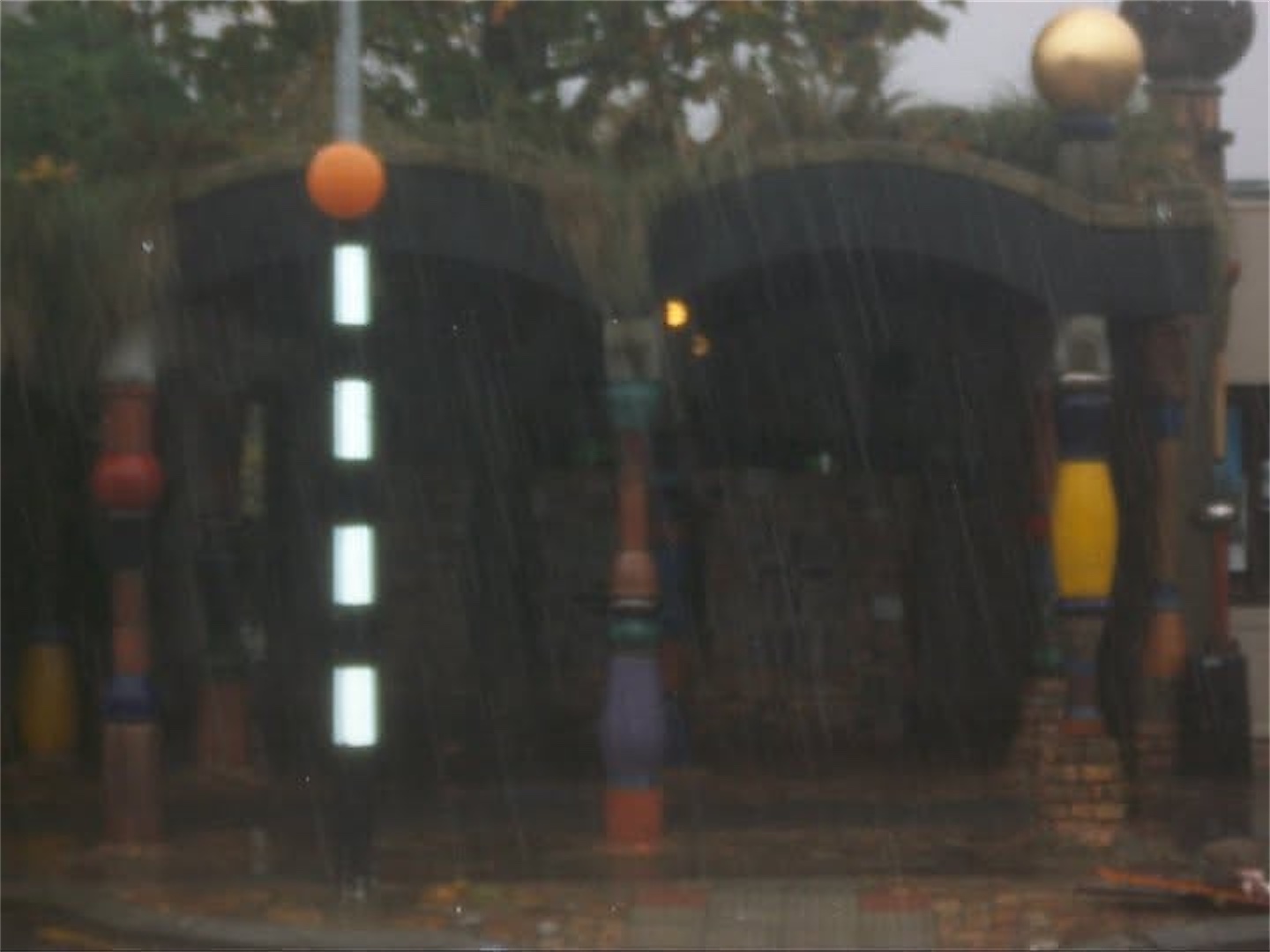
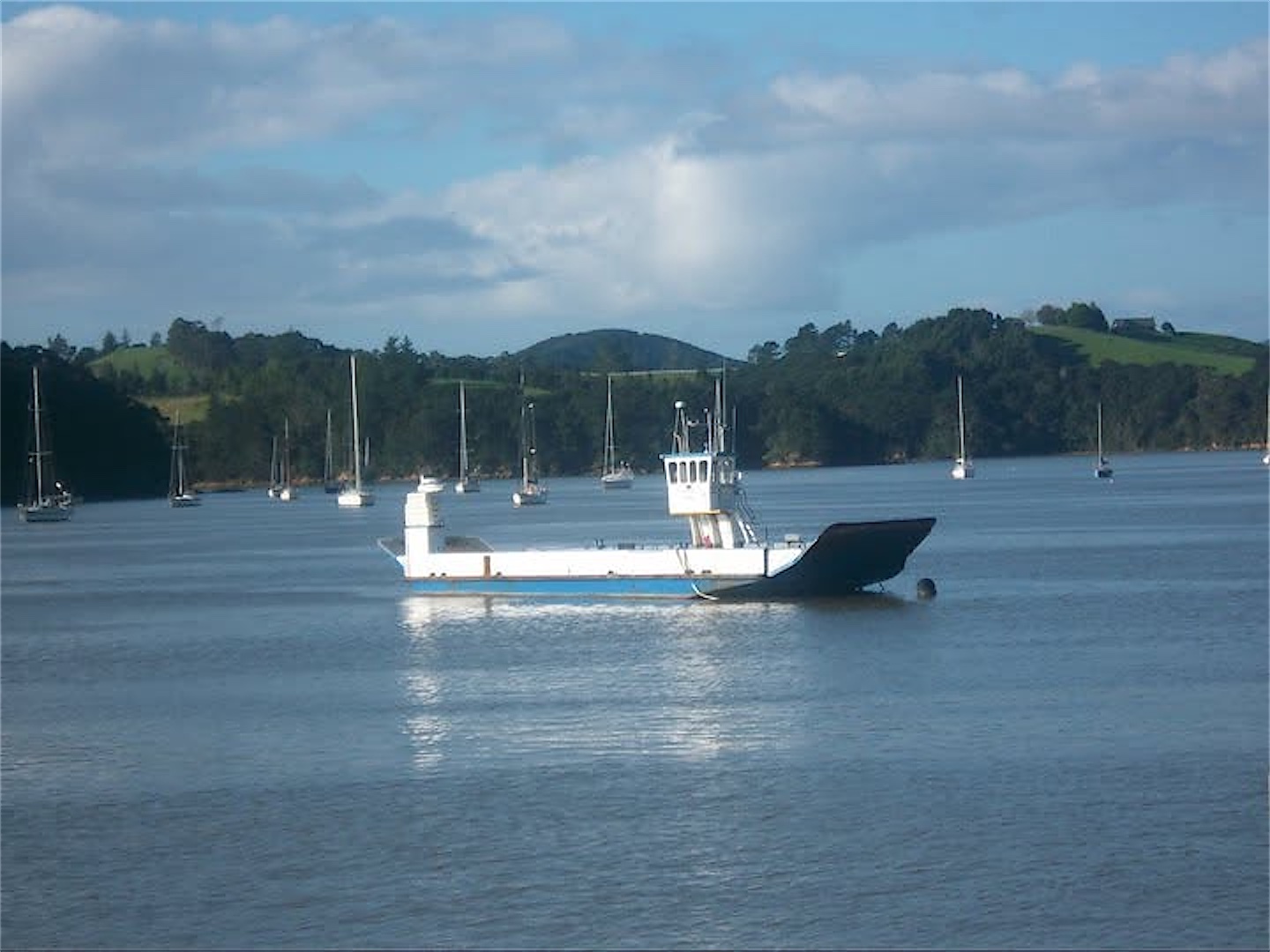
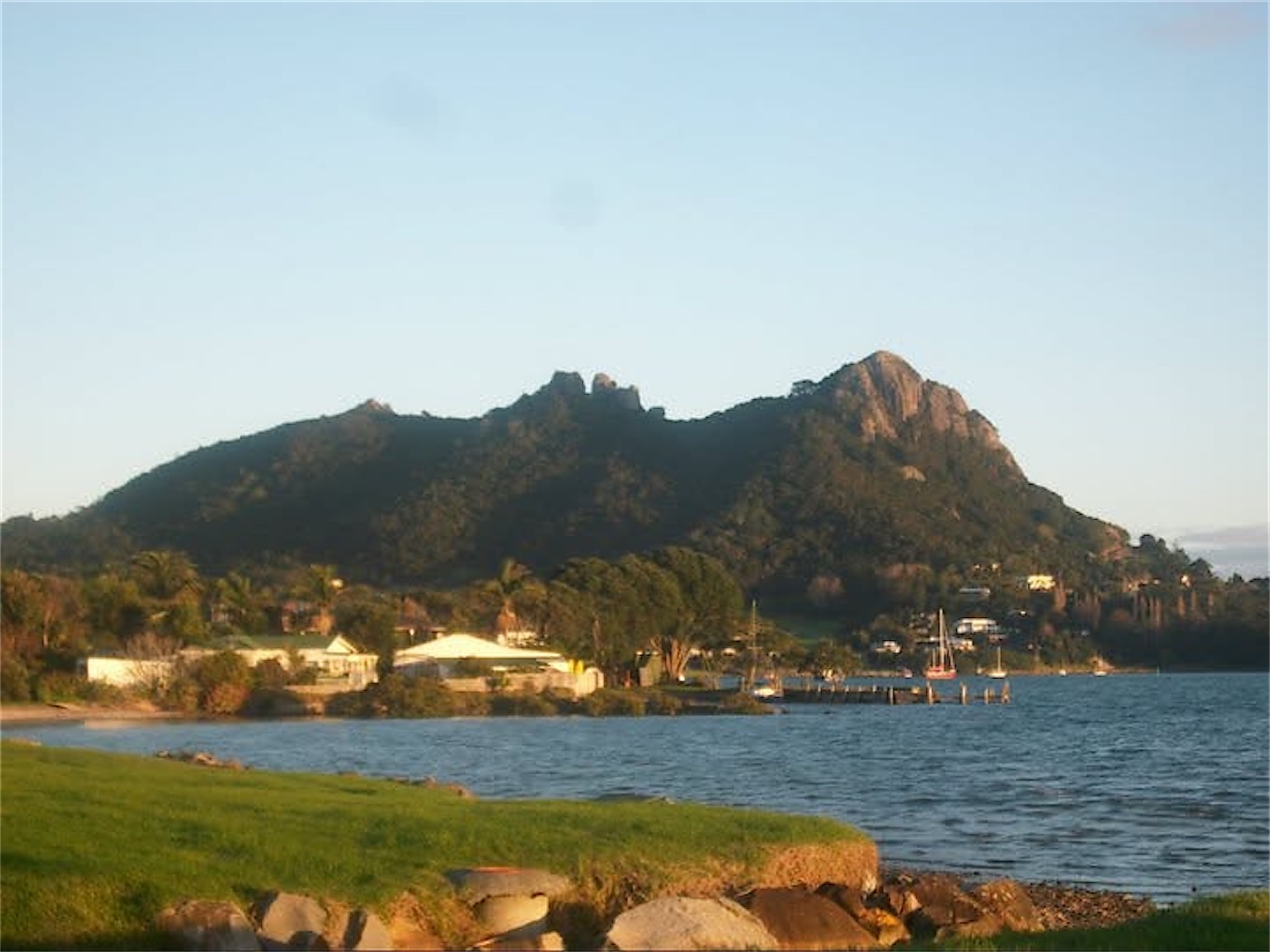
Then the sun came out. A small car ferry shuttles across the inner bay towards Russell, the old whaling port once known as the hellhole of the Pacific. Further south, the jagged volcanic peaks of Mount Manaia rise above the entrance to Whangarei Harbour.
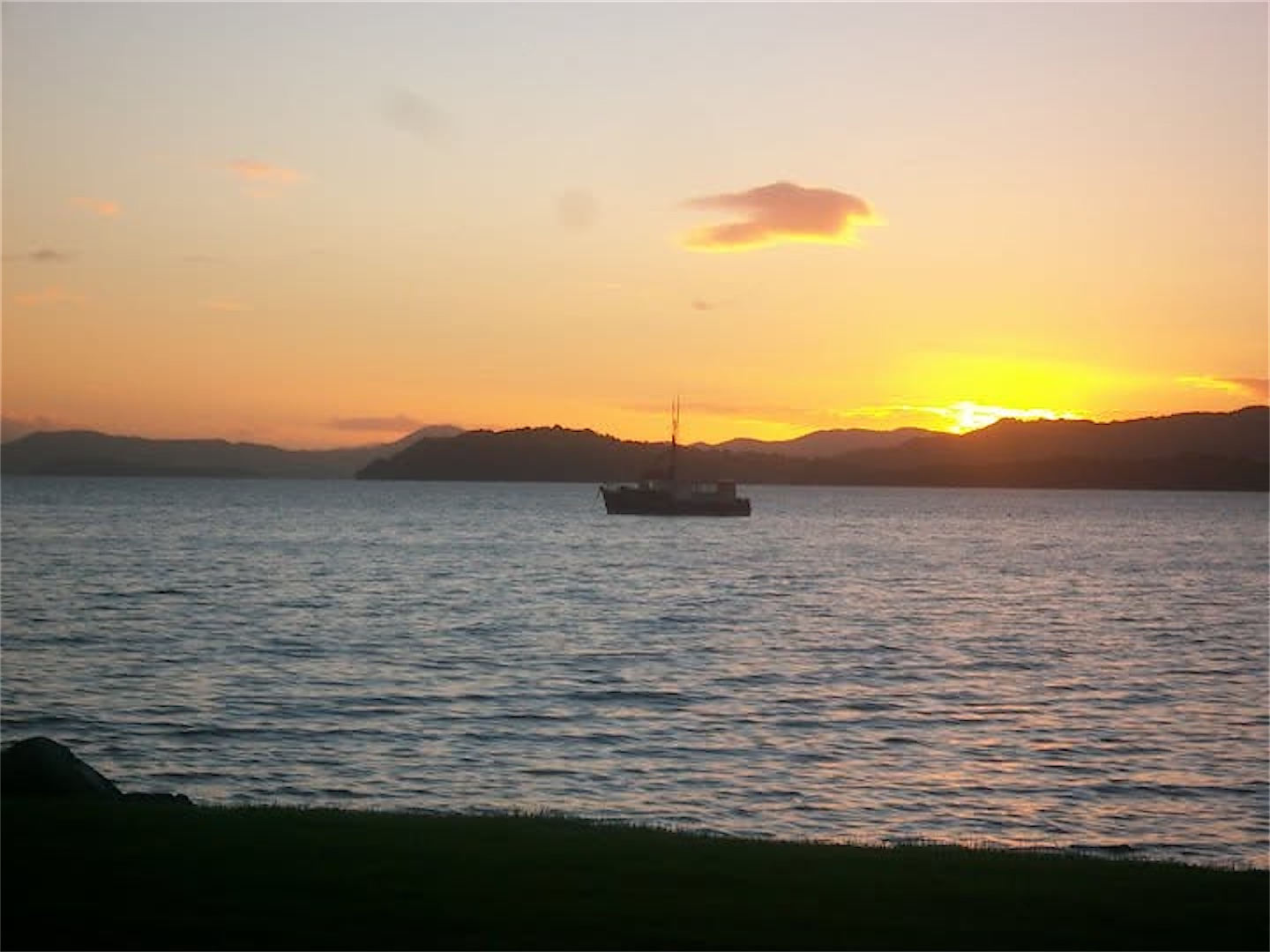
Northland also gave me a golden sunset over the water and a calm day on the beach, with green islands lined up offshore.
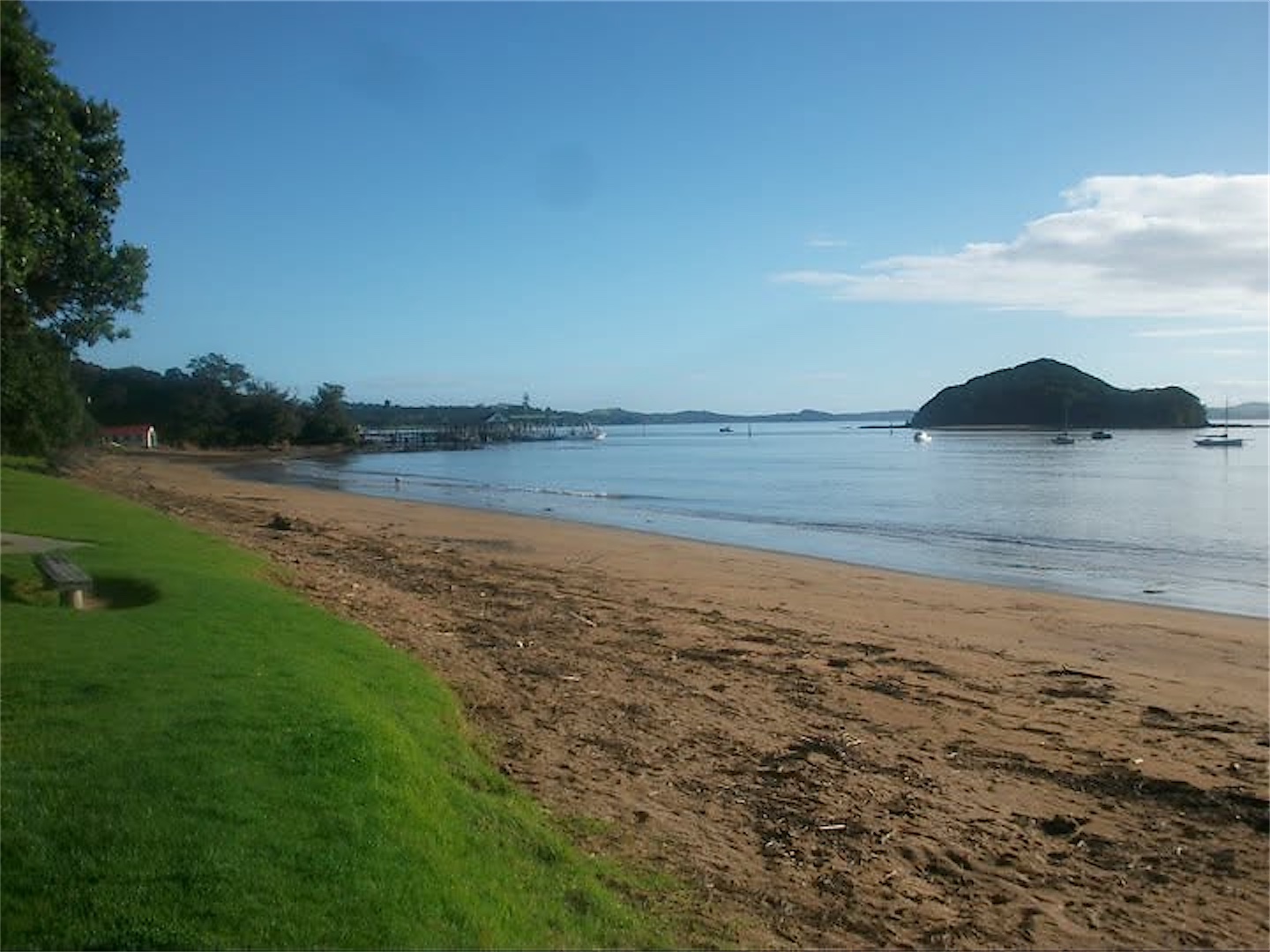
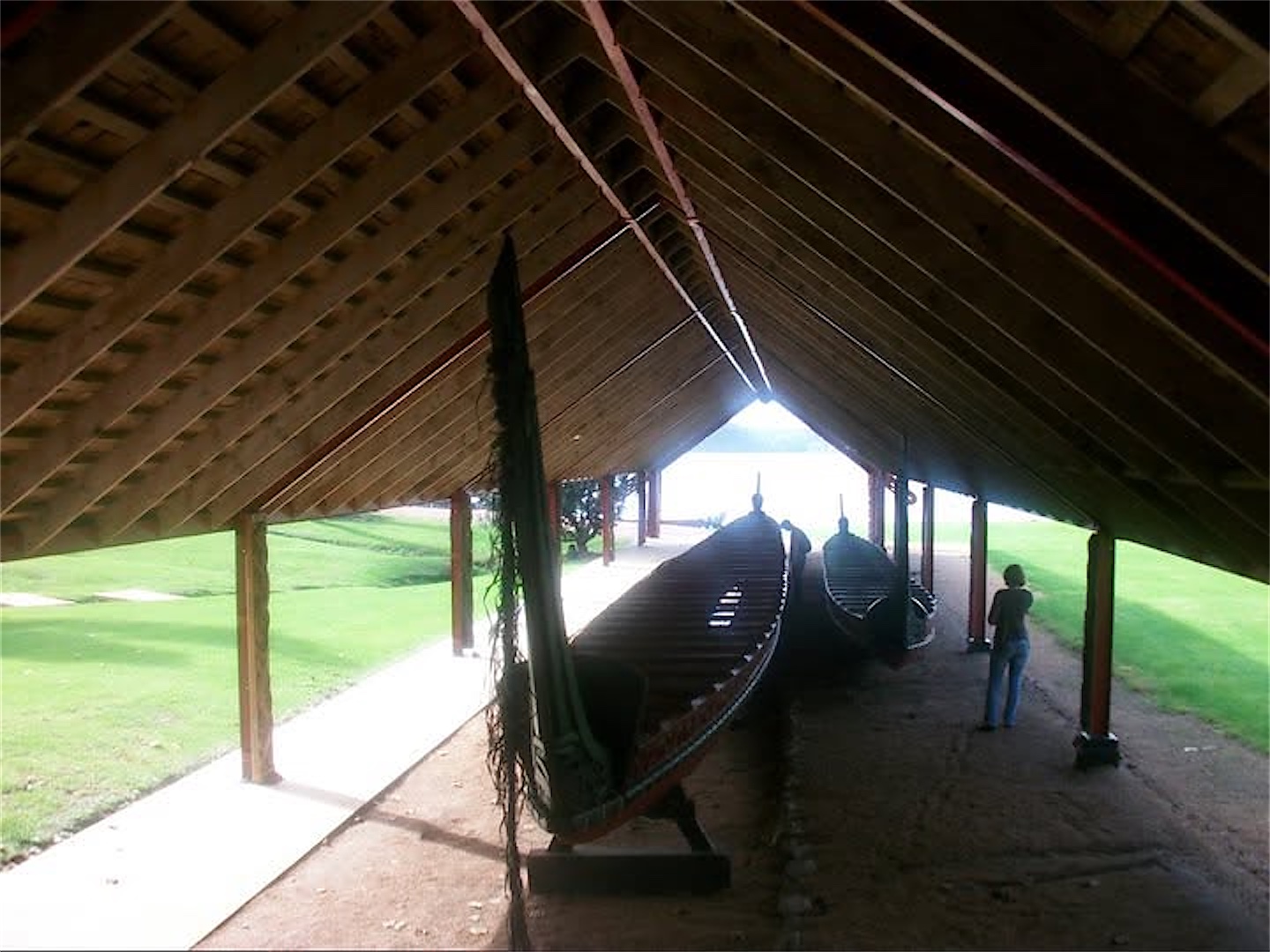
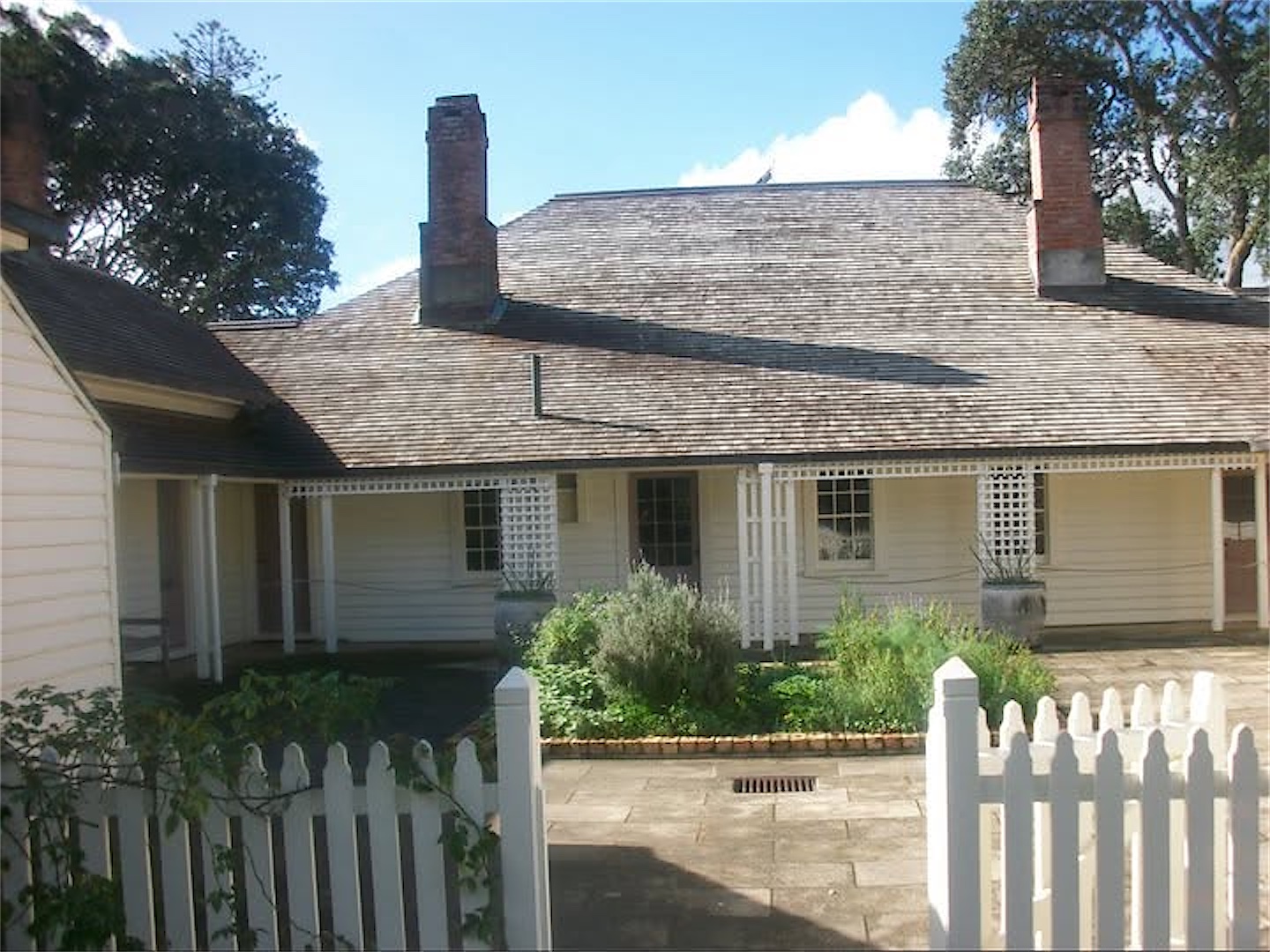
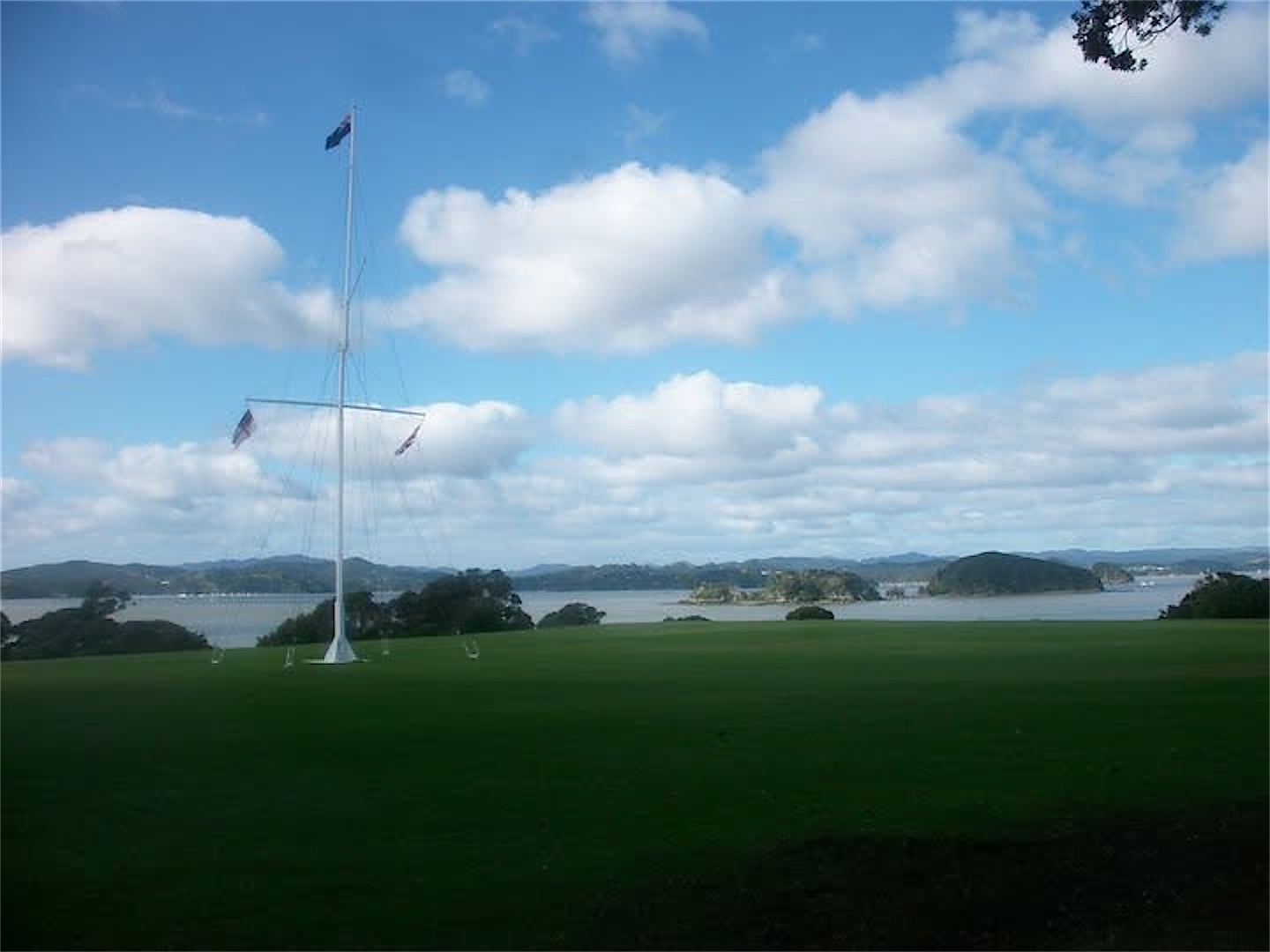
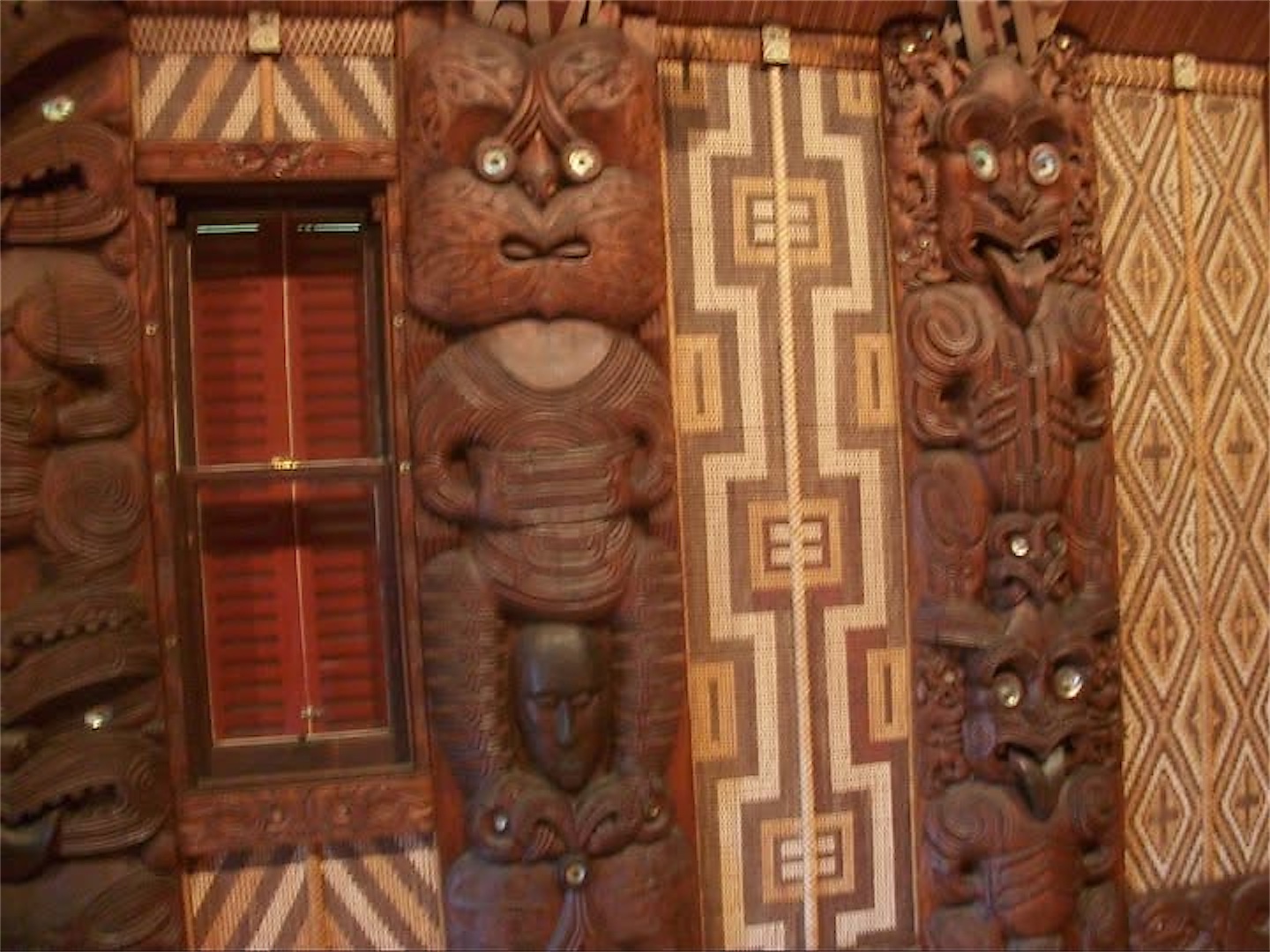
The most important stop was Waitangi, the birthplace of modern New Zealand. At the Treaty Grounds a huge carved war canoe rests in its open shelter, the old house of the British Resident stands behind a white picket fence, and a flagstaff on the lawn above the bay marks the place where the treaty was signed. Inside the meeting house, every wall is covered in carvings and woven panels.
Leaving Aotearoa
A few weeks later my volunteer year came to an end. I left New Zealand with a long list of places I couldn't afford back then, and it took me until 2024 to come back and work through it: Five Weeks in Aotearoa. Just before sailing deep into the Ross Sea, I even went back to the places where I had volunteered.