
Deep into the Ross Sea: Balleny Islands, Explorers' Huts and the Bay of Whales by Icebreaker
5–27 February 2024 · Christchurch, Lyttelton, Balleny Islands, Victoria Land, Ross Island, Mount Erebus, Cape Evans, Bay of Whales, Ross Ice Shelf · Regions: New Zealand, Antarctica (Ross Dependency)
At the end of five weeks in New Zealand, I set off on my biggest expedition to date: a four-week semi-circumnavigation of Antarctica, one way from New Zealand to Argentina, with the promise of places no human had ever visited. The ship was Le Commandant Charcot, the French icebreaker that had already taken me through the Northwest Passage a few months earlier. It was my third voyage on her, and she already felt like home.
The heart of the trip was the Ross Sea, the deep bay south of New Zealand from which the great explorers set out for the South Pole. I had stood at the pole myself in January 2023, and since most Antarctic claims meet there like slices of a cake, that already counted for the New Zealand sector. This time I wanted to see its coast.
Back in Christchurch
Before boarding I spent a day around Christchurch, and it turned into a trip down memory lane. After school, in 2010 and 2011, I had volunteered in New Zealand for a year: half of it at the school in Culverden, a farming town north of Christchurch, the other half in Helensville near Auckland, working with people with autism. Both projects showed me what I wanted from life and what I didn't, and that was when I started blogging. Now I revisited them. Everything looked different and hardly any contacts were left, but nostalgia won anyway.
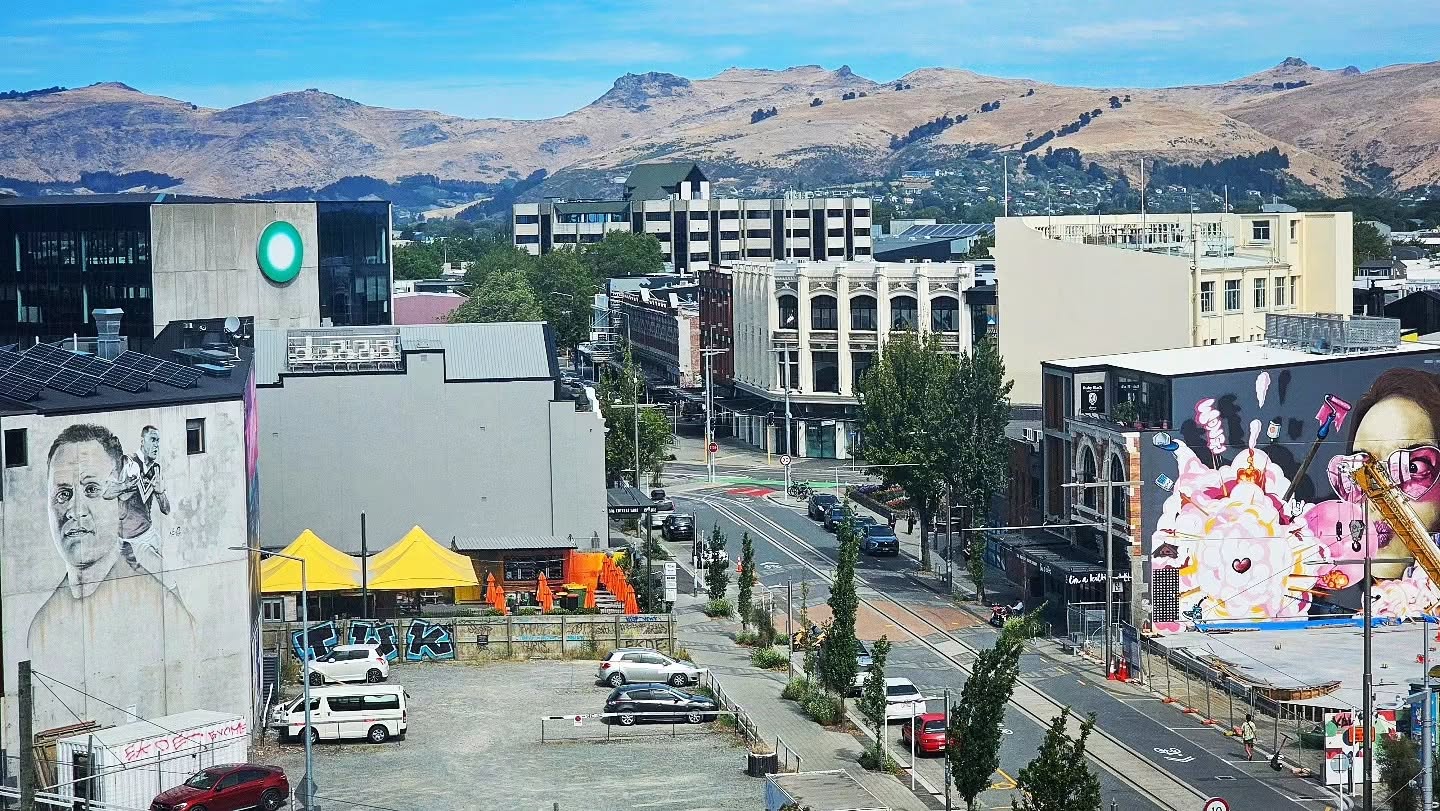
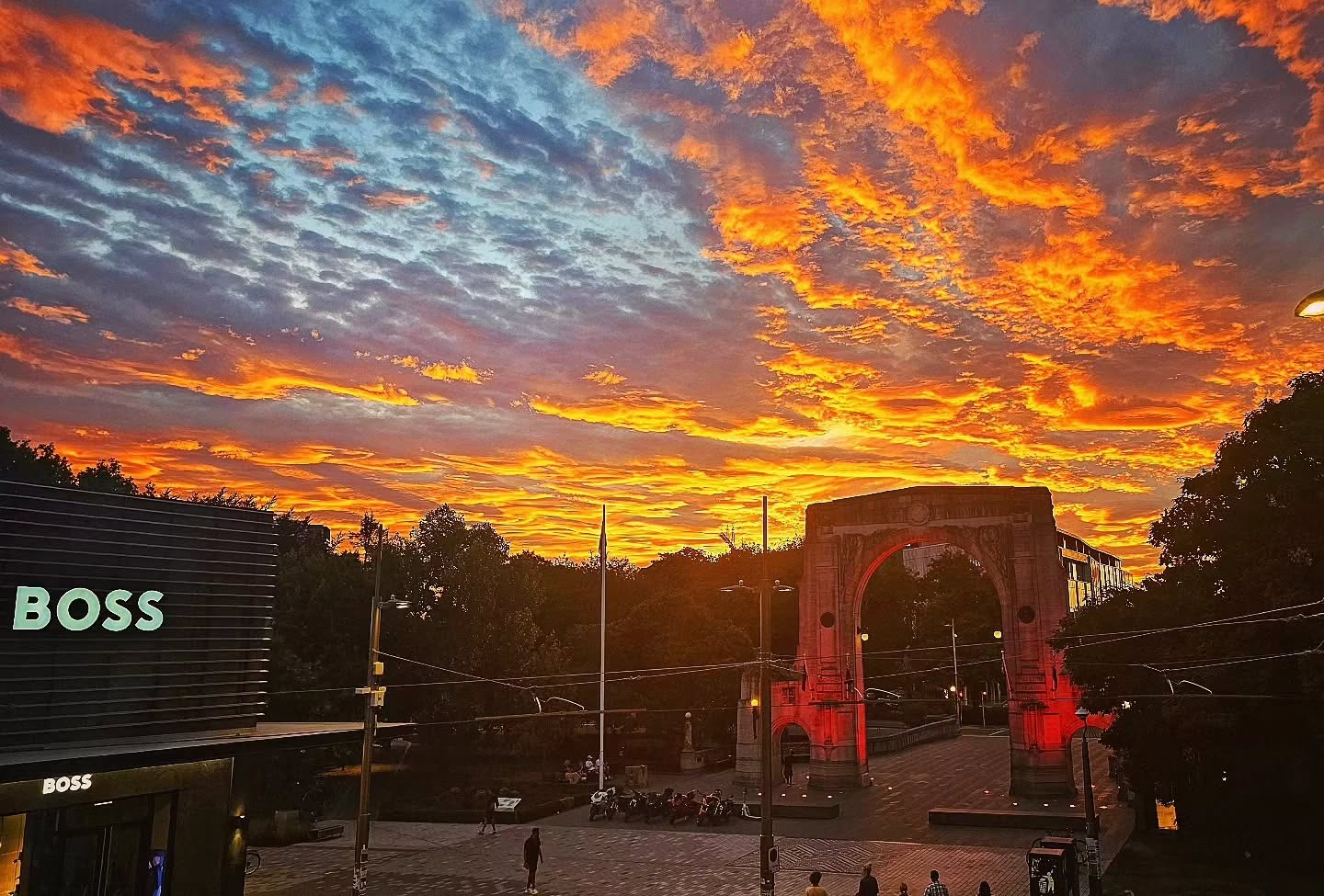
Christchurch itself I had not seen since the earthquake of February 2011, which killed 185 people and destroyed much of the historic centre. The rebuilt centre looks very different today: new buildings next to open car parks, large murals on bare walls, and the brown Port Hills behind it all. In the evening the sky above it caught fire.
Eight metres of swell and the Balleny Islands
On 6 February we cast off from Lyttelton, which Scott and Shackleton had also used on their way south. The route map promised everything from the south magnetic pole to Peter I Island, but in Antarctica the ice and the weather have the last word on any itinerary.
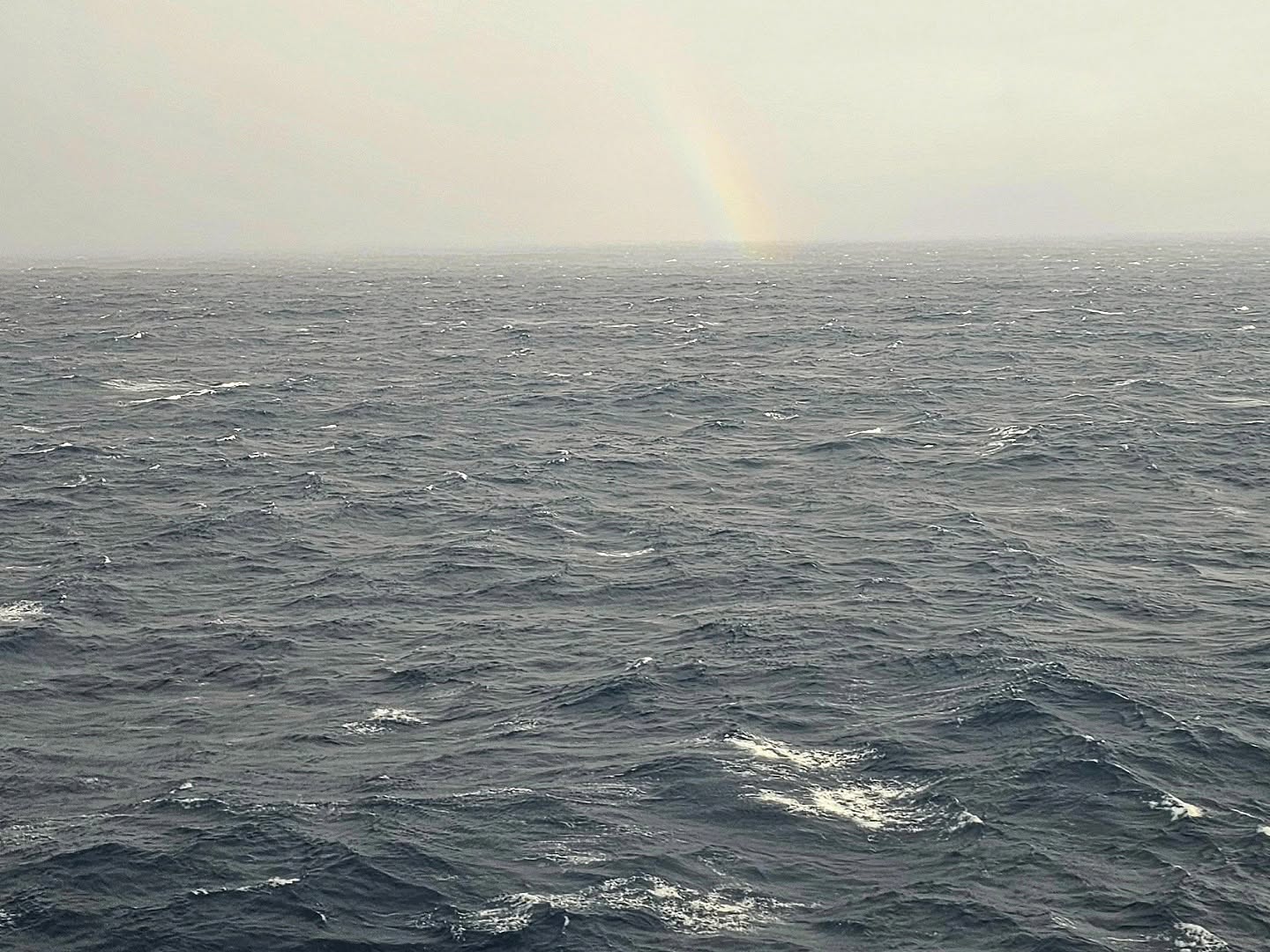
The Southern Ocean gave us a proper welcome. The forecast promised swell of up to eight metres; when it came it was "only" around seven, and I was amazed at how smoothly the ship took it. I didn't feel seasick at all. The internet was slow but good enough for video calls, and at one point I held my fifth consultation within 30 hours. Time was less reliable: for the second time the captain put the clocks back by 23 hours, although we were nowhere near the dateline. All my appointments were a mess, but at least I could finally plan properly.
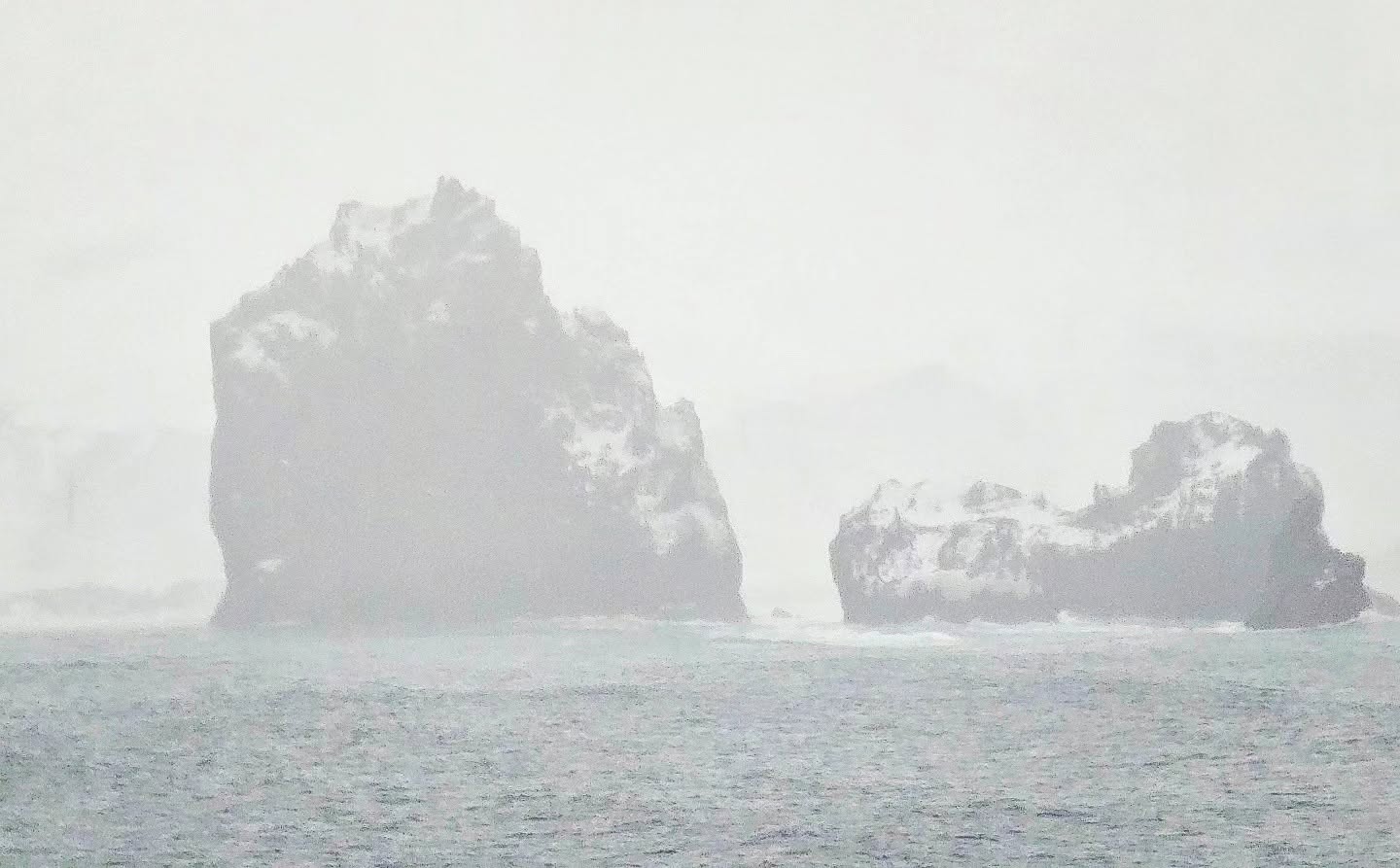
After five days at sea we made it to the Balleny Islands, volcanoes covered in eternal ice and famous for strong earthquakes. In the mist they appeared only as dark stacks of rock rising out of a grey sea.
First morning in Antarctica
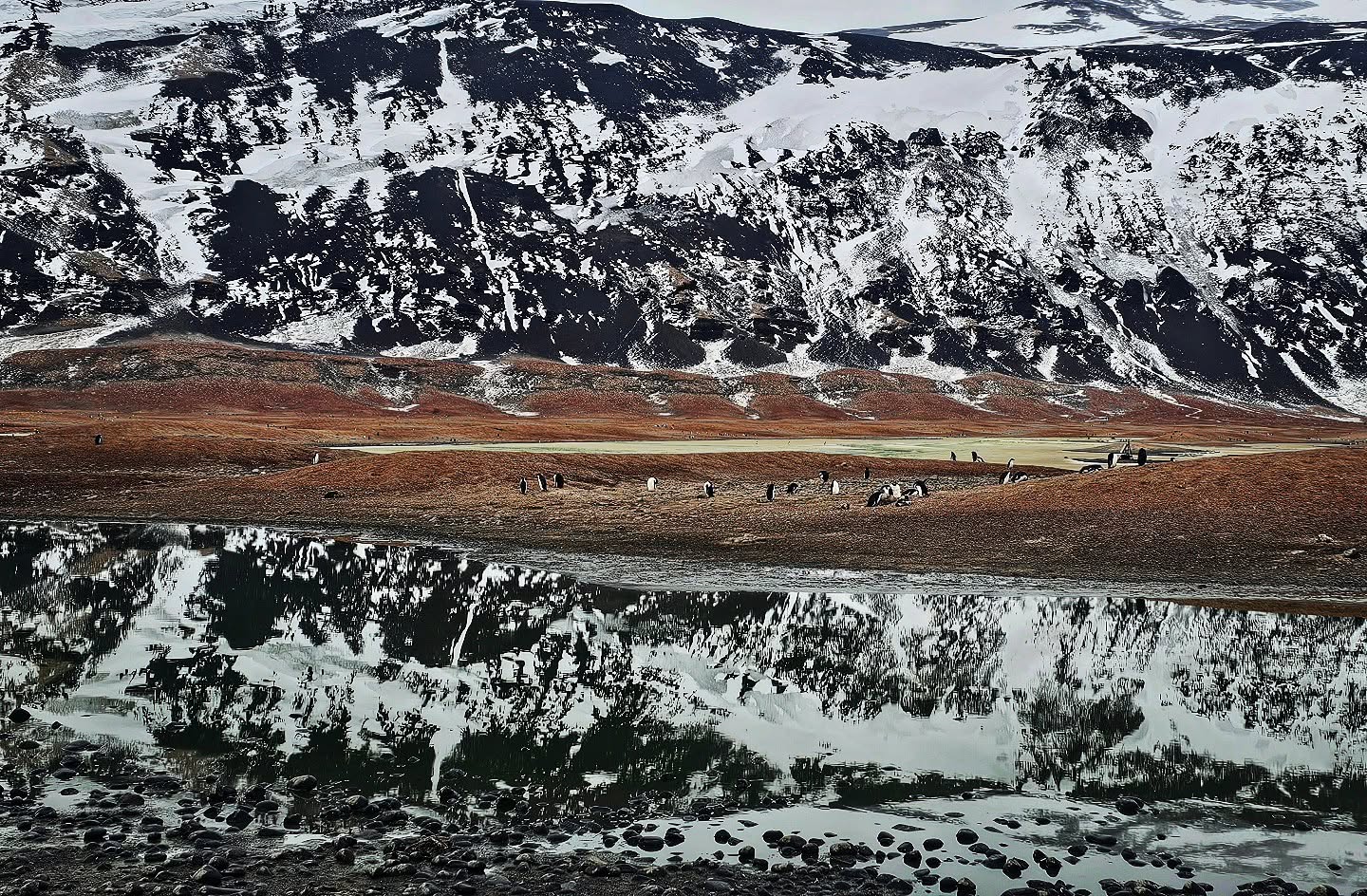
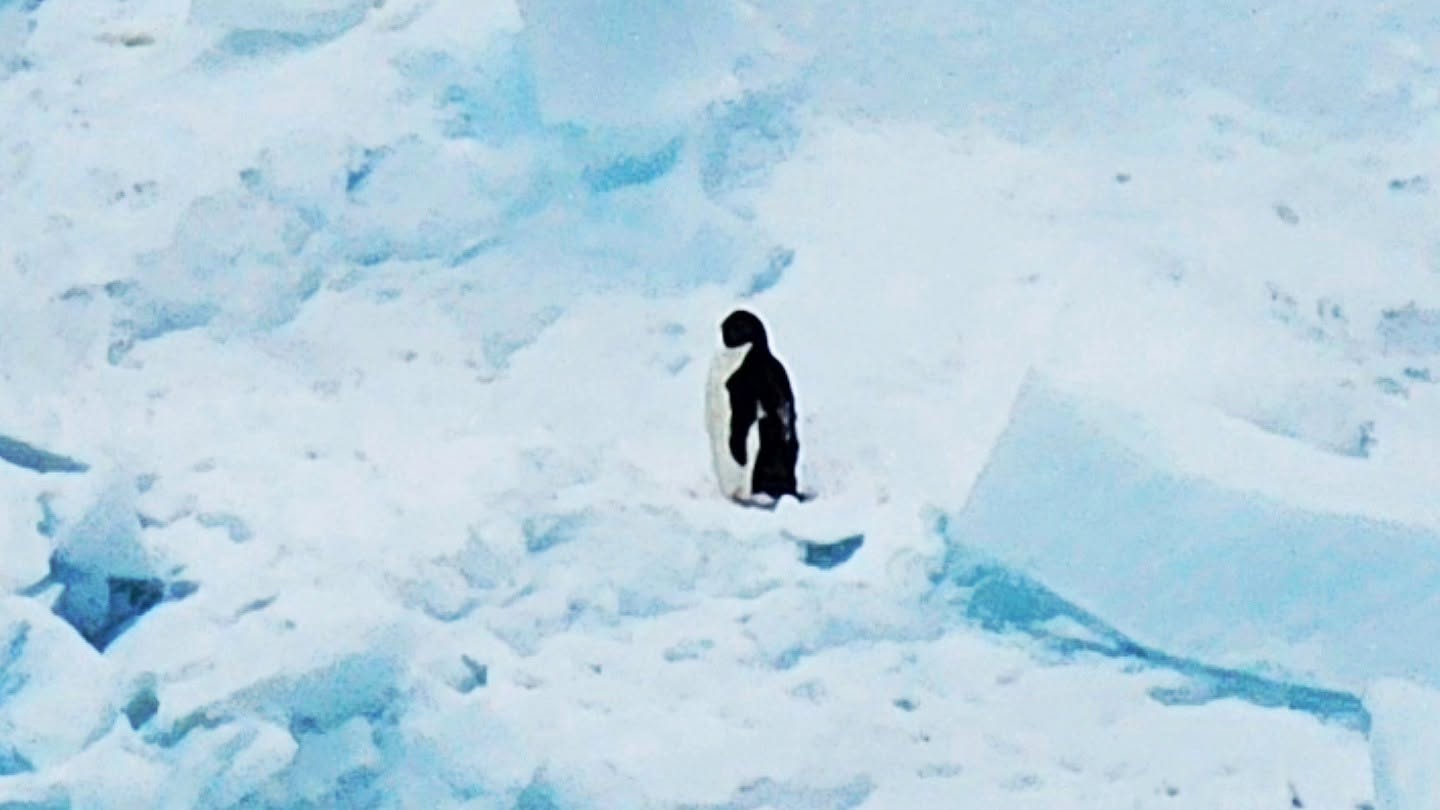
Two days later came my first morning in Antarctica on this voyage. Icebergs in every shade of blue drifted past, and on one of them a single Adélie penguin stood as if on guard. Then we landed next to a penguin colony on flats stained red-brown by guano, where meltwater pools mirrored the dark, snow-streaked mountains above.
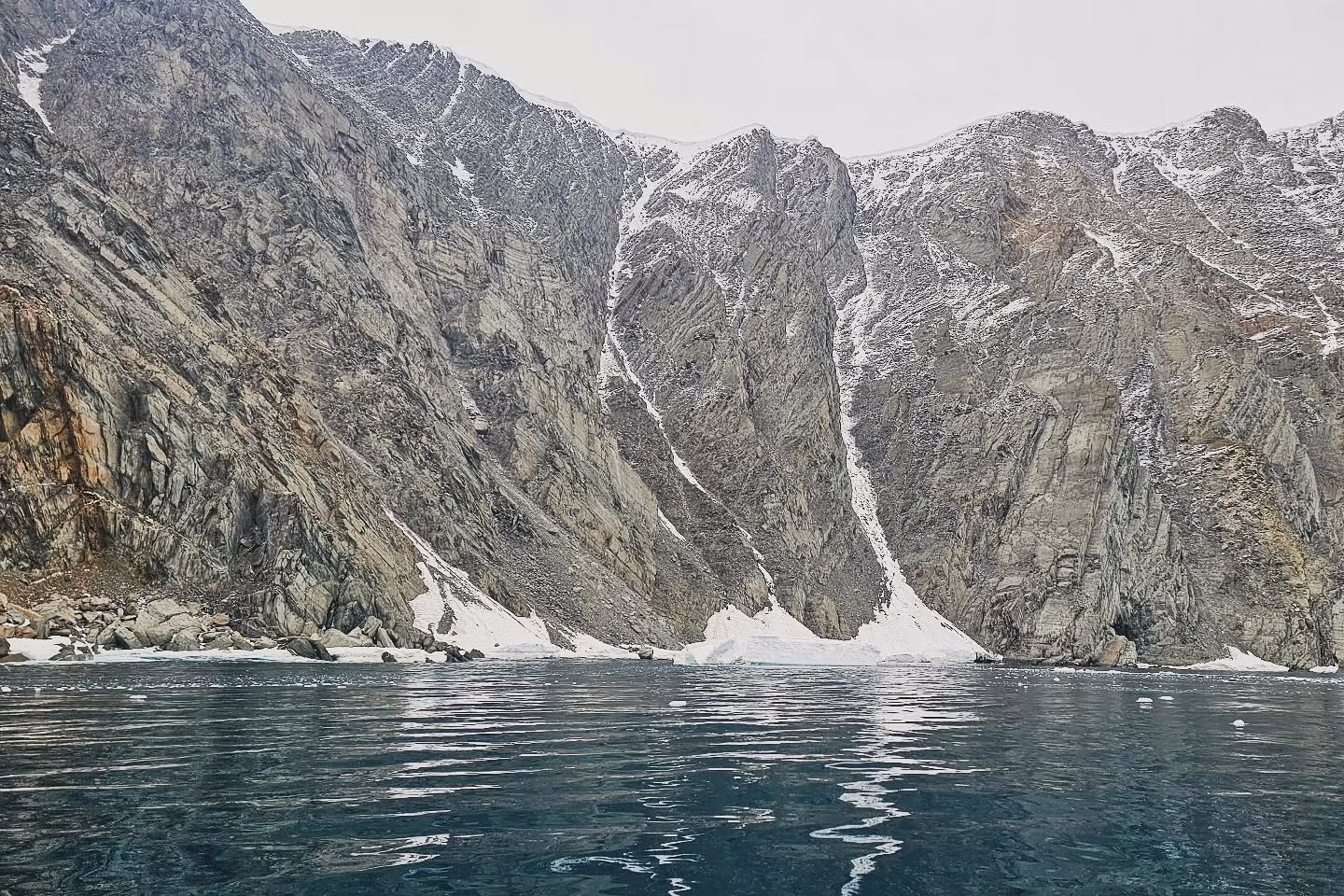
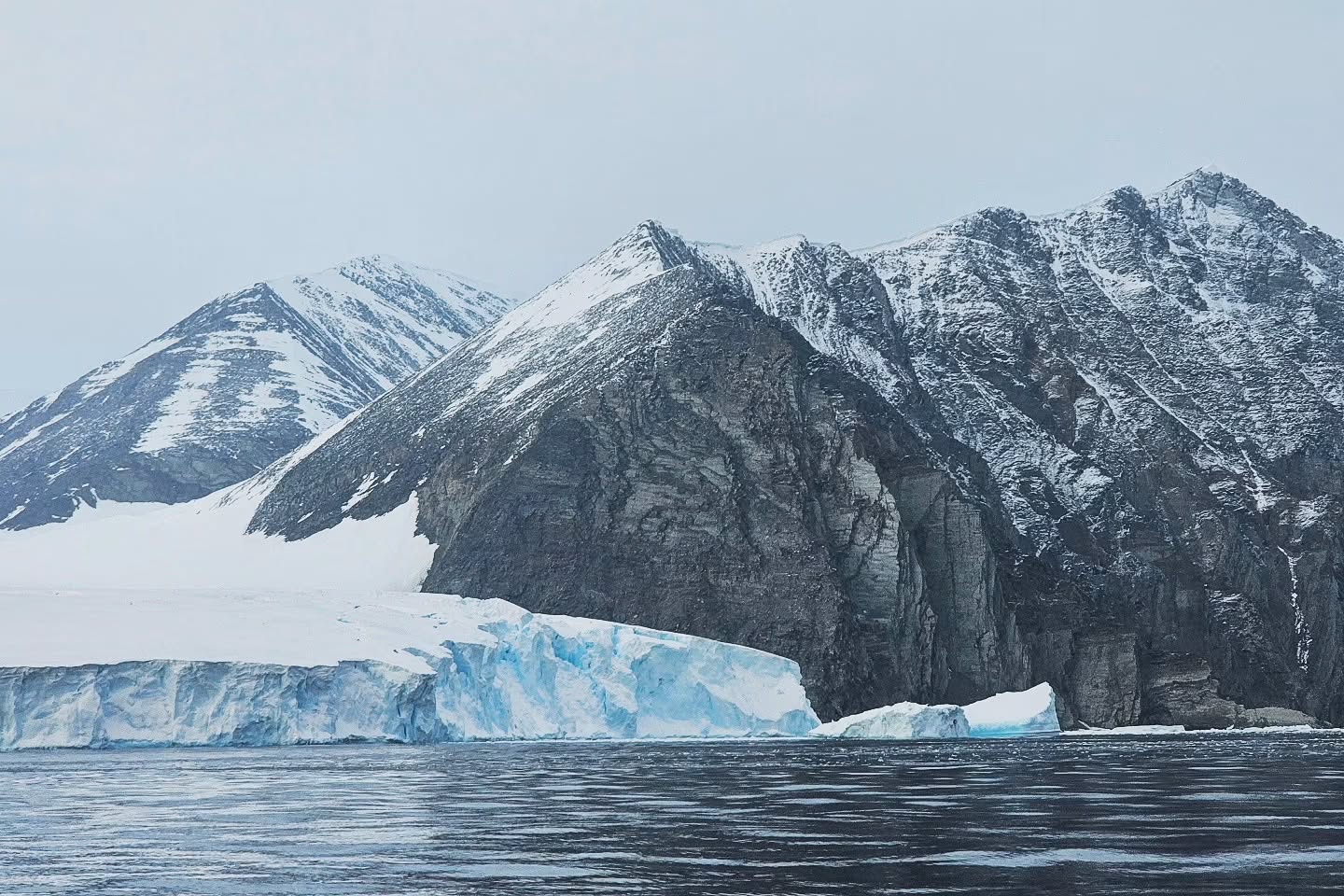
Along the coast of Victoria Land, walls of bare rock dropped straight into the sea, and glaciers flowed down between the peaks.
The next day the captain simply drove the Charcot into the sea ice and parked her there. No anchor required. We climbed down and walked on the frozen sea, with the ship's massive ice-breaking bow towering over us. Being on a French ship has its advantages and disadvantages, as I noted that day; one of them was champagne, served on the ice.
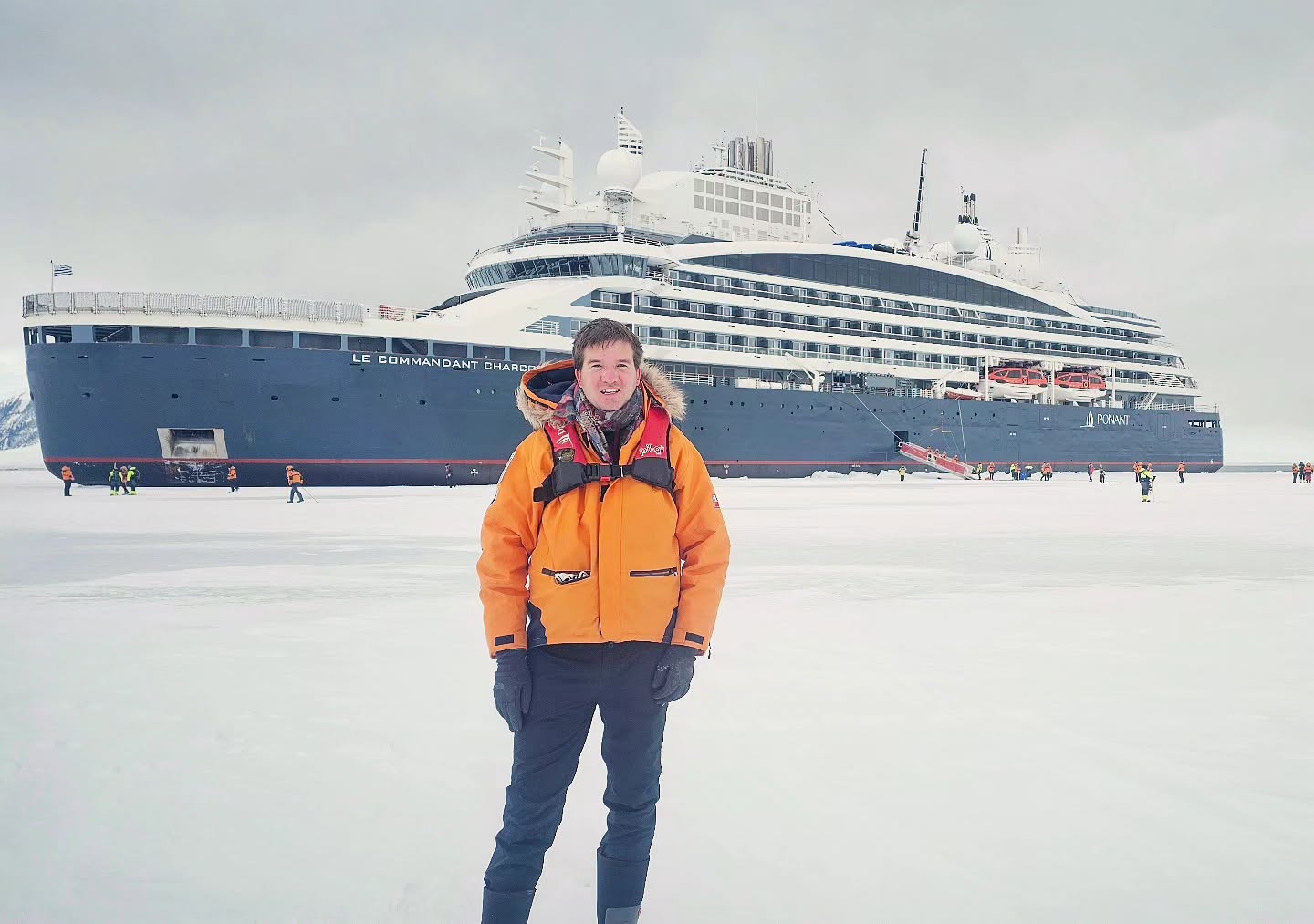
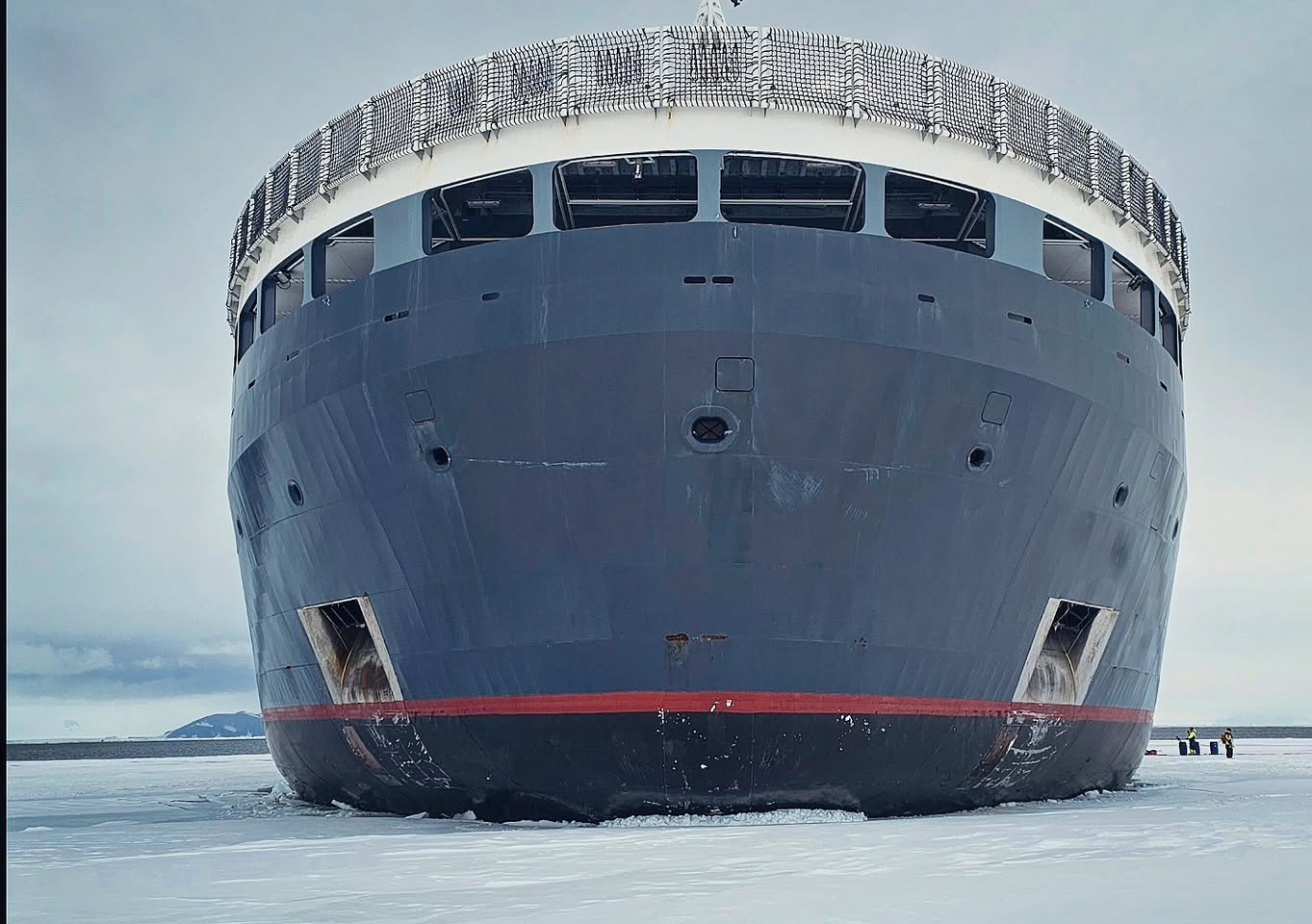
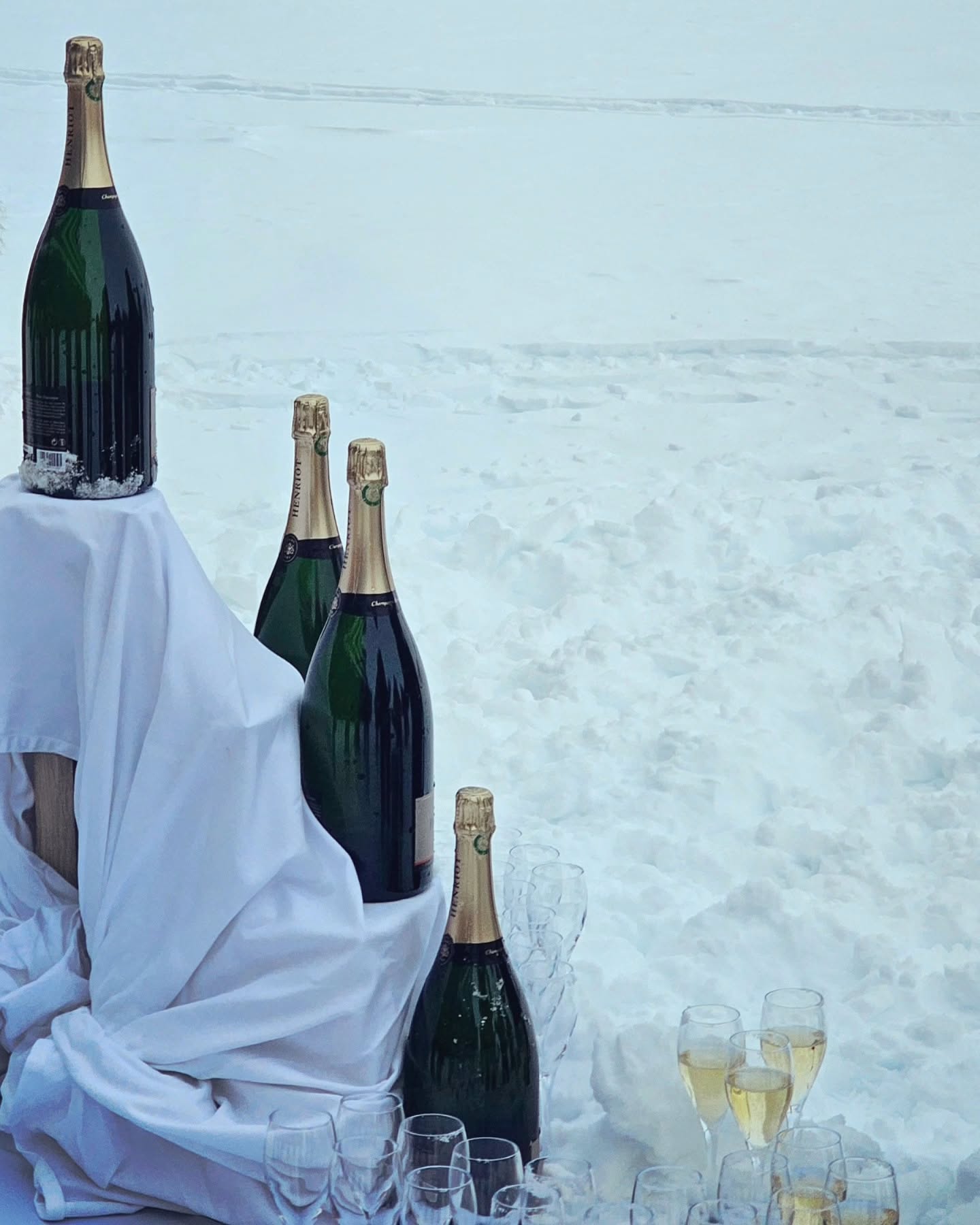
The Charcot was in her element and tested her ice-breaking capabilities early on. The best moment for a bath in the heated pool at the stern, I found, is while she is breaking ice. In the sauna I even managed to stay for 20 minutes, and from the observatory lounge on the ninth deck I filmed the ice sliding past. One day we watched a leopard seal that had just feasted on a penguin. The days became a journey through the ice: another day, another island, as I wrote at one point.
I am visiting Antarctica a lot before anyone gets the idea of banning it. I am a firm opponent of limiting movement to any place on earth, be it an island or a whole continent, and luckily that won't happen any time soon.
Mount Erebus and the explorers' huts
Then we reached Ross Island and Mount Erebus, the southernmost active volcano on Earth. Under a blue sky I stood on black volcanic rock with the white cone of Erebus behind me.
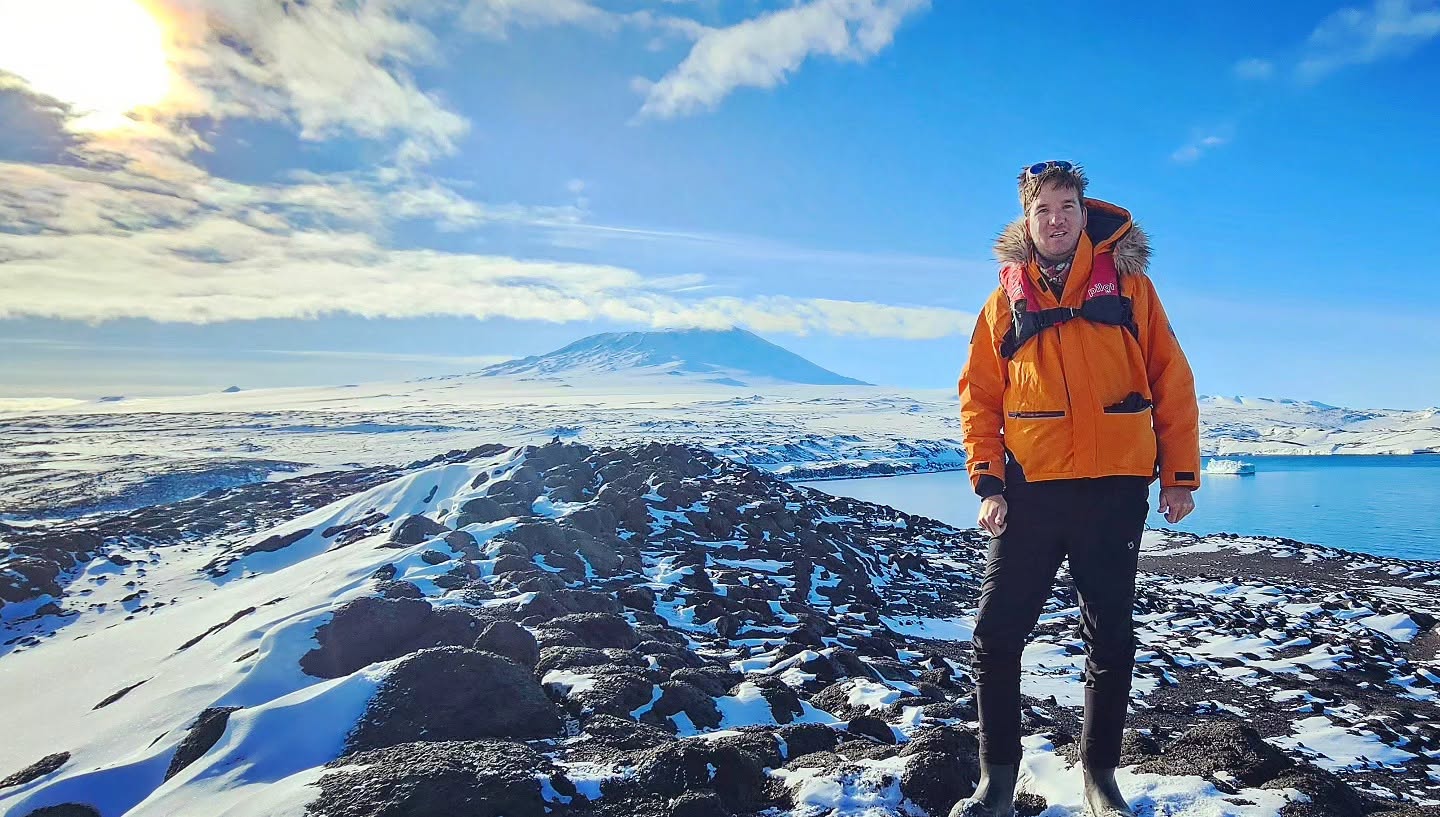
Over the course of the voyage I managed to visit all four historic huts of the Ross Sea, which is quite a rare feat, because weather and ice have to allow a landing at each of them. They have all been carefully restored, but they still look very original.
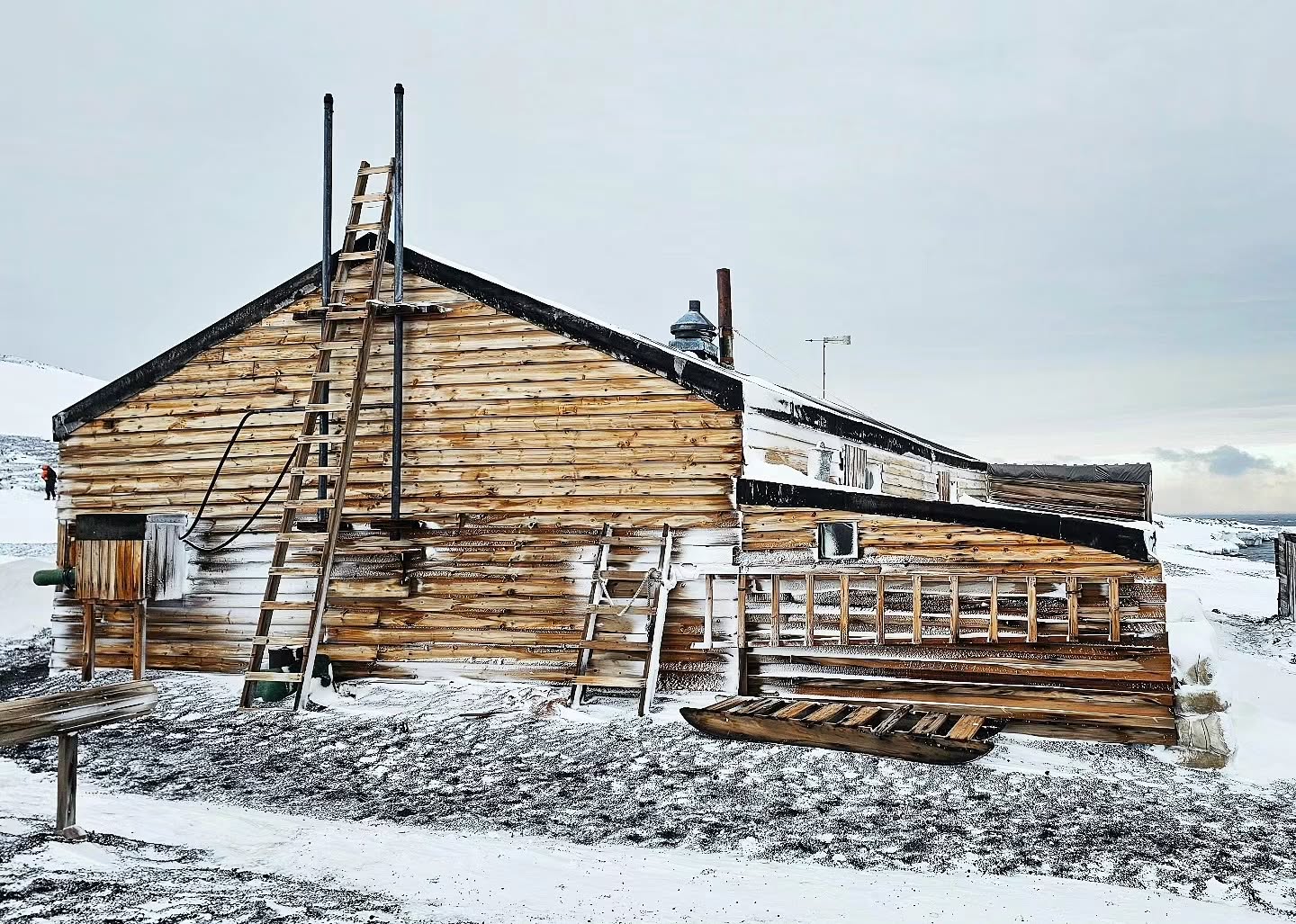
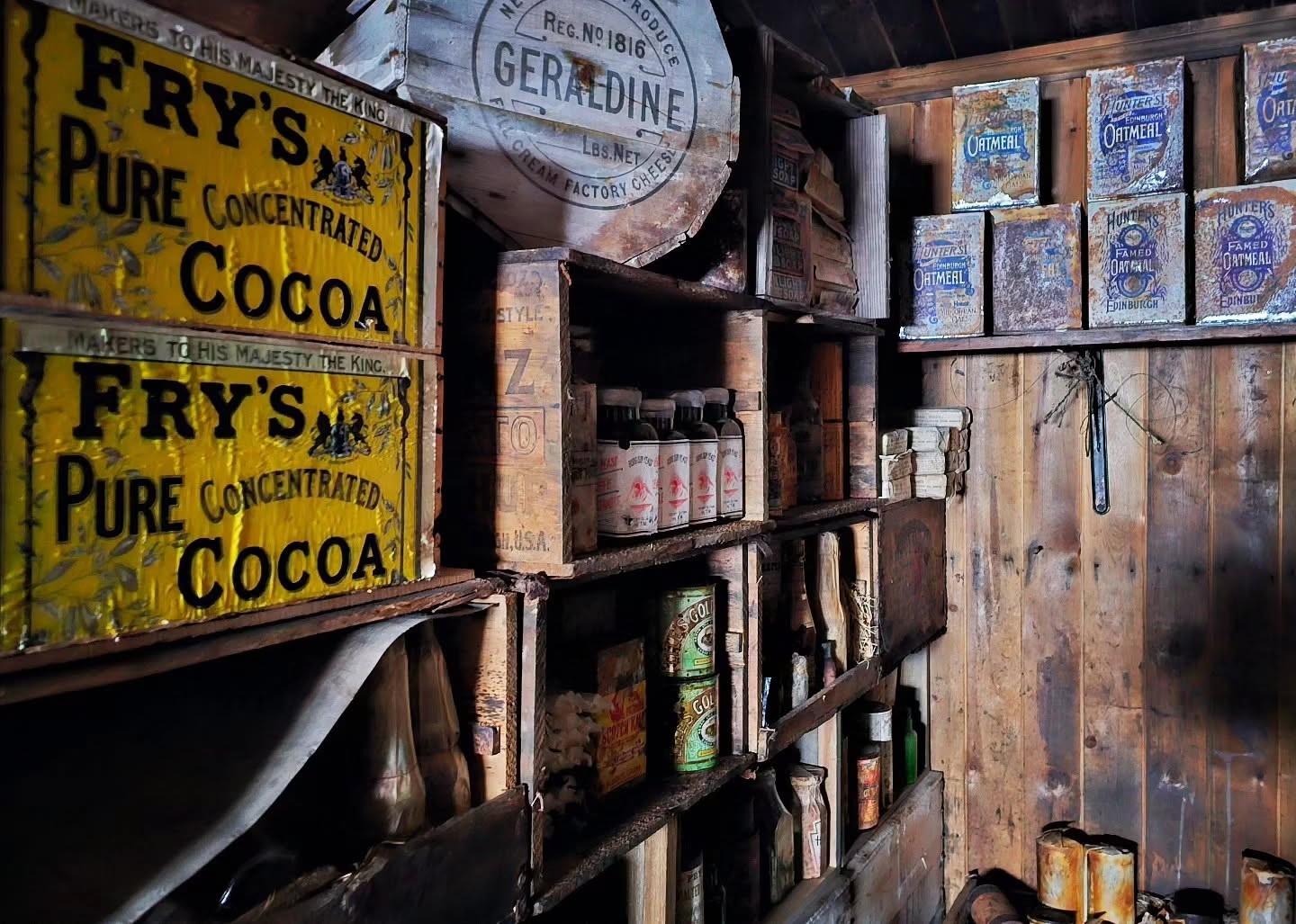
Inside, time seems to have stopped. A long wooden table and an old stove fill the main room, the kitchen shelves are lined with tins, pots and pans, and Fry's cocoa is still stacked up in its boxes. A bunk sits under a small window, next to a wall of crates of Colman's flour and mustard labelled "Shore Party". Imagine how the early Antarctic explorers overwintered here, without leaving for months on end.
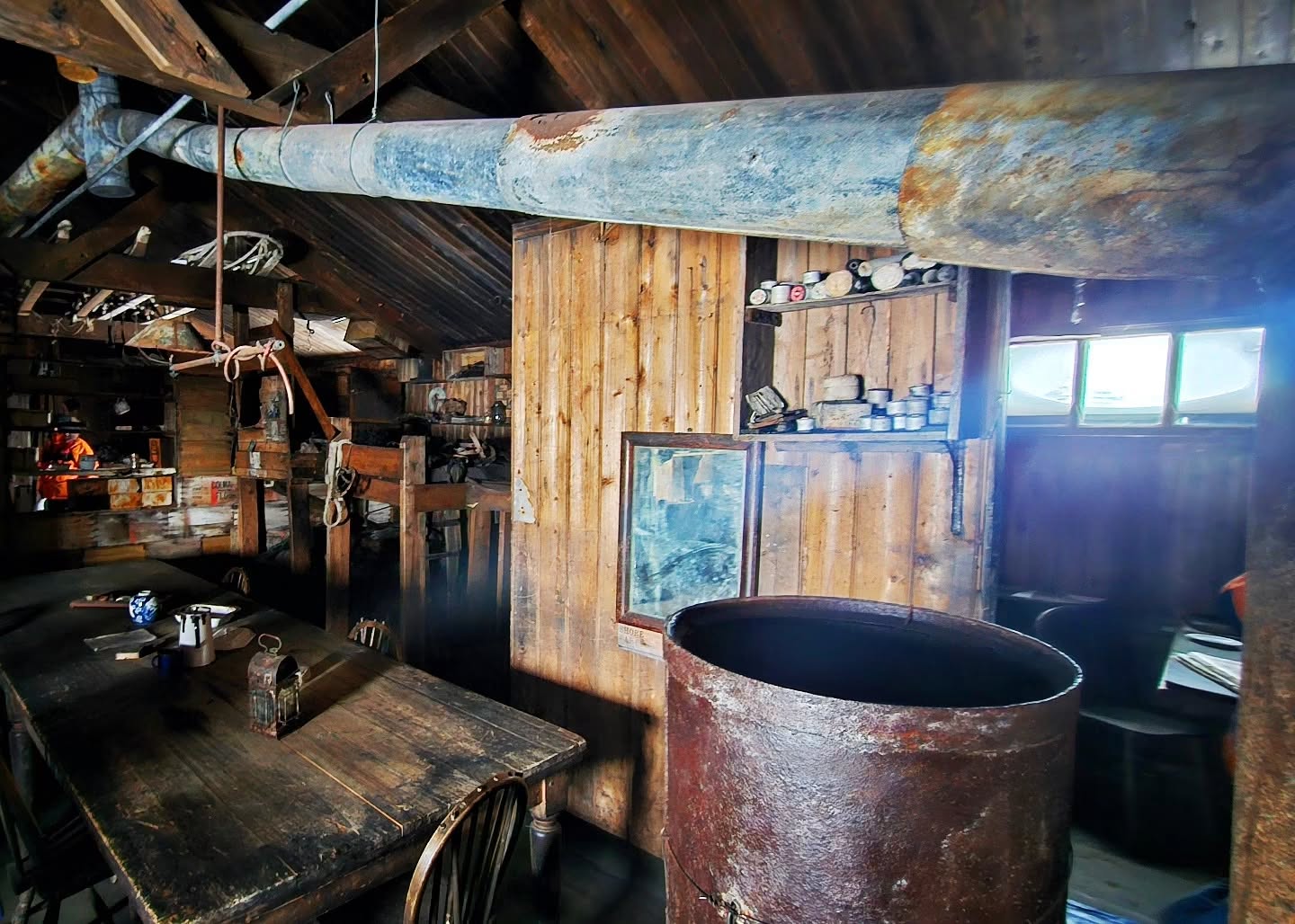
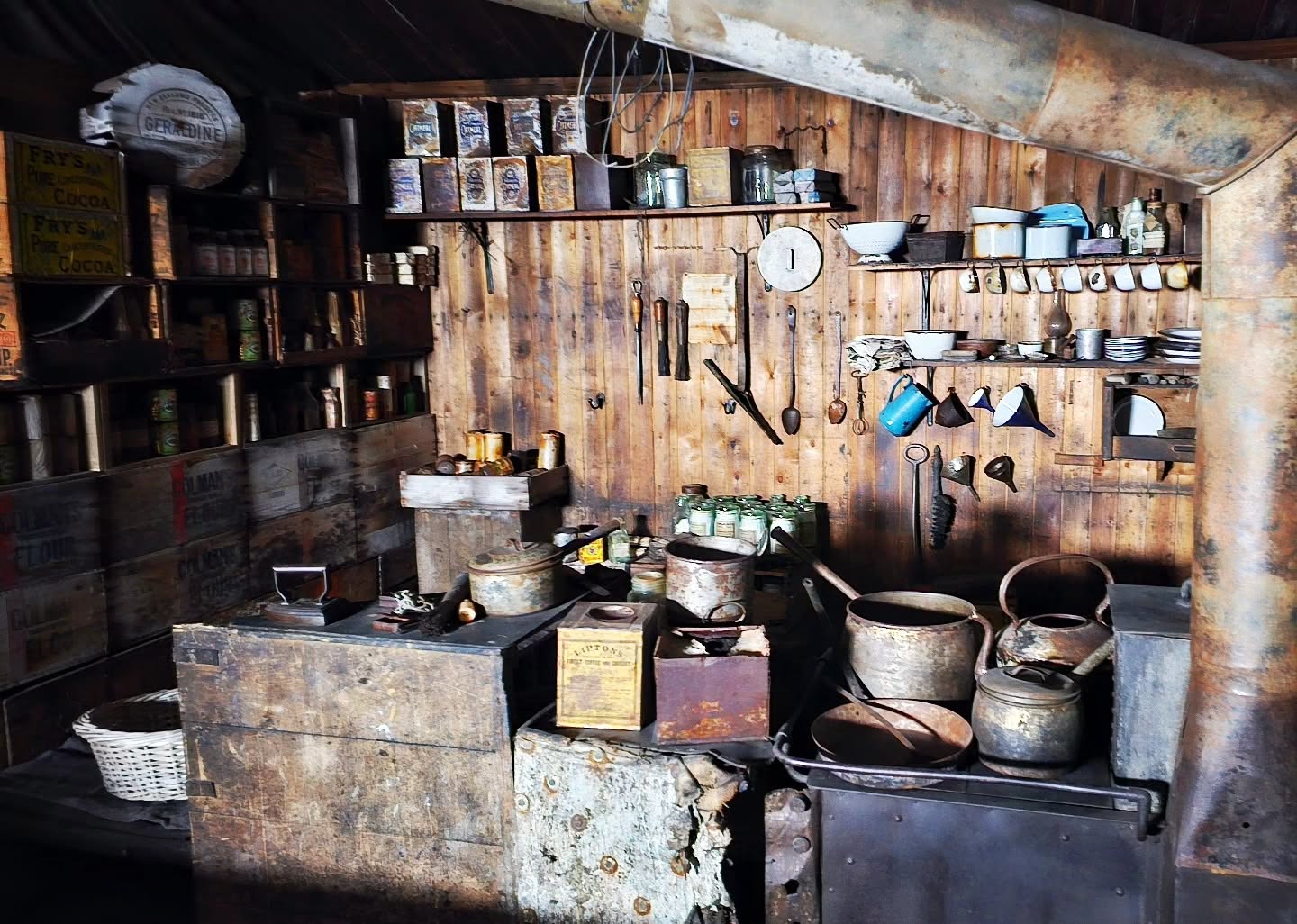
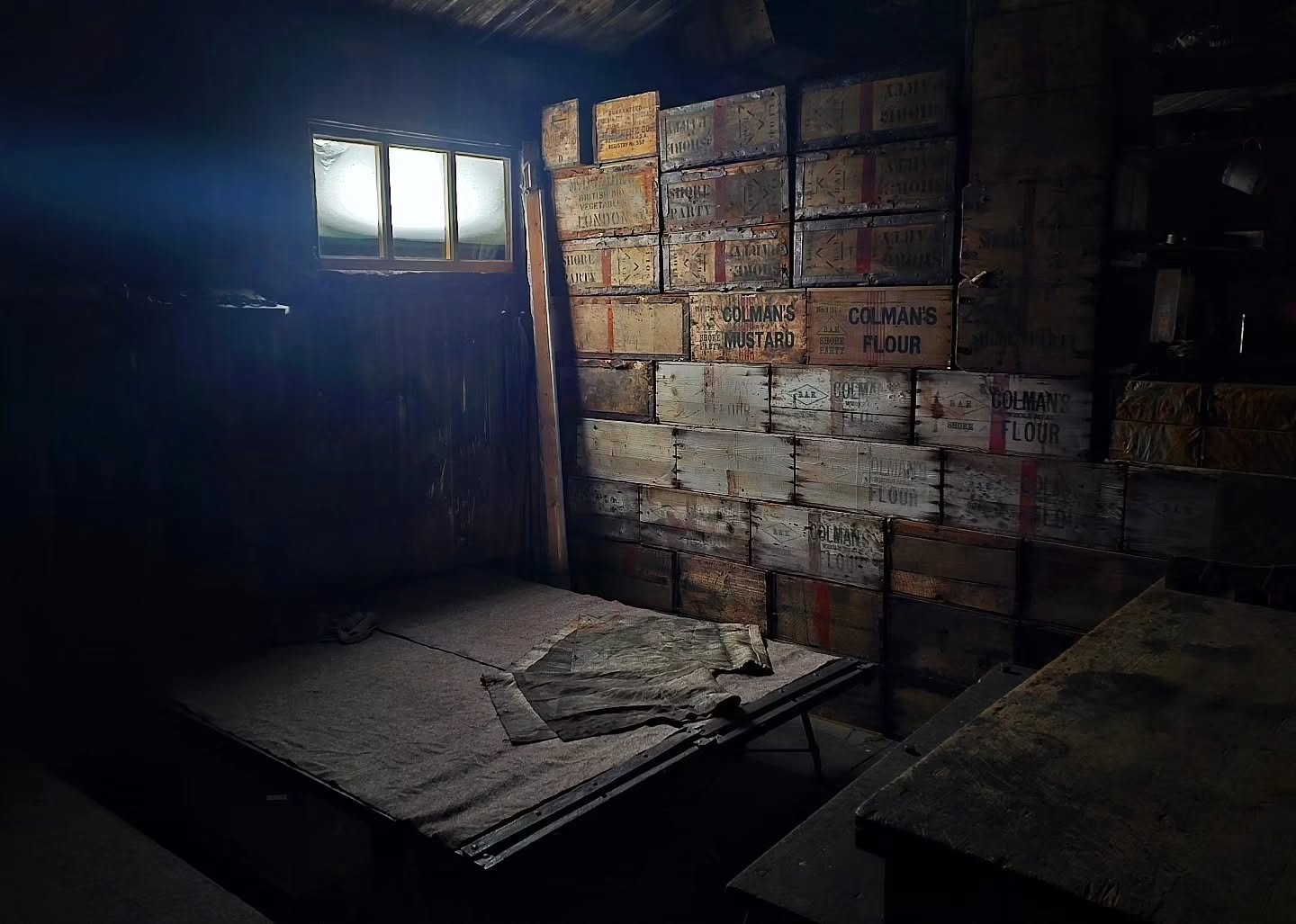
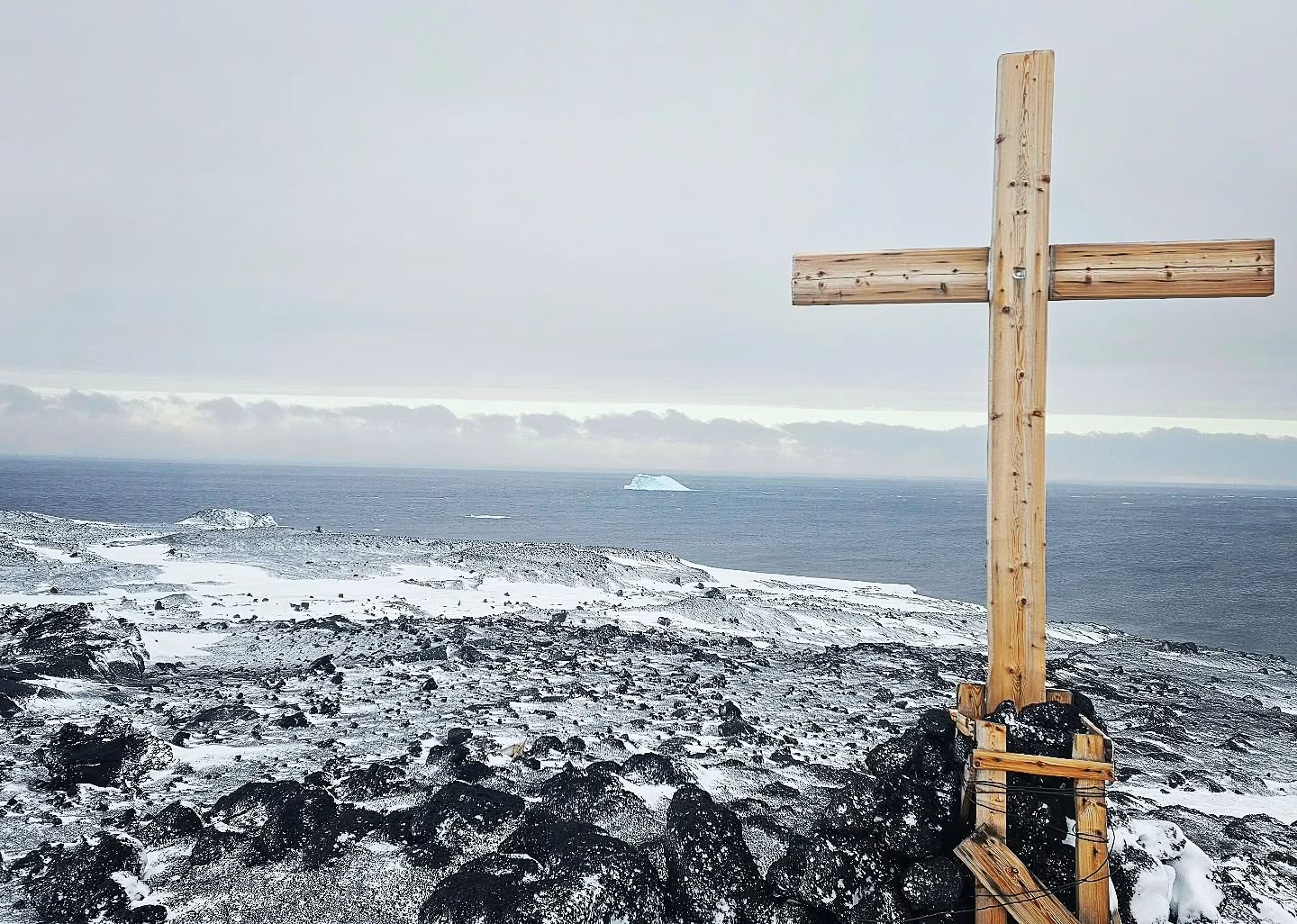
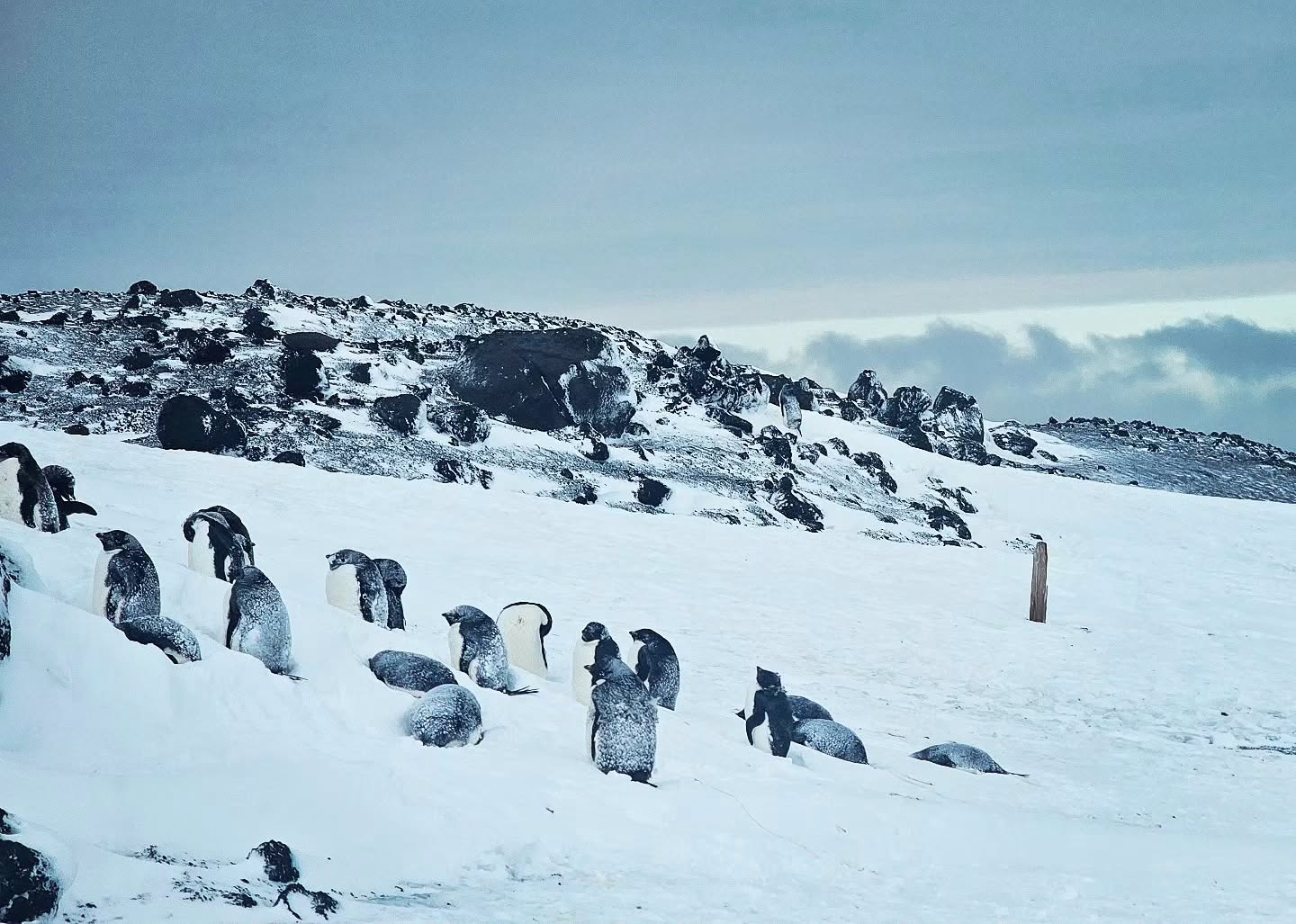
Outside, a wooden memorial cross on a hill looks out over the sea, a reminder that not everyone came home from these expeditions. And of course the penguins were never far away.
The Bay of Whales, as far south as a ship can go
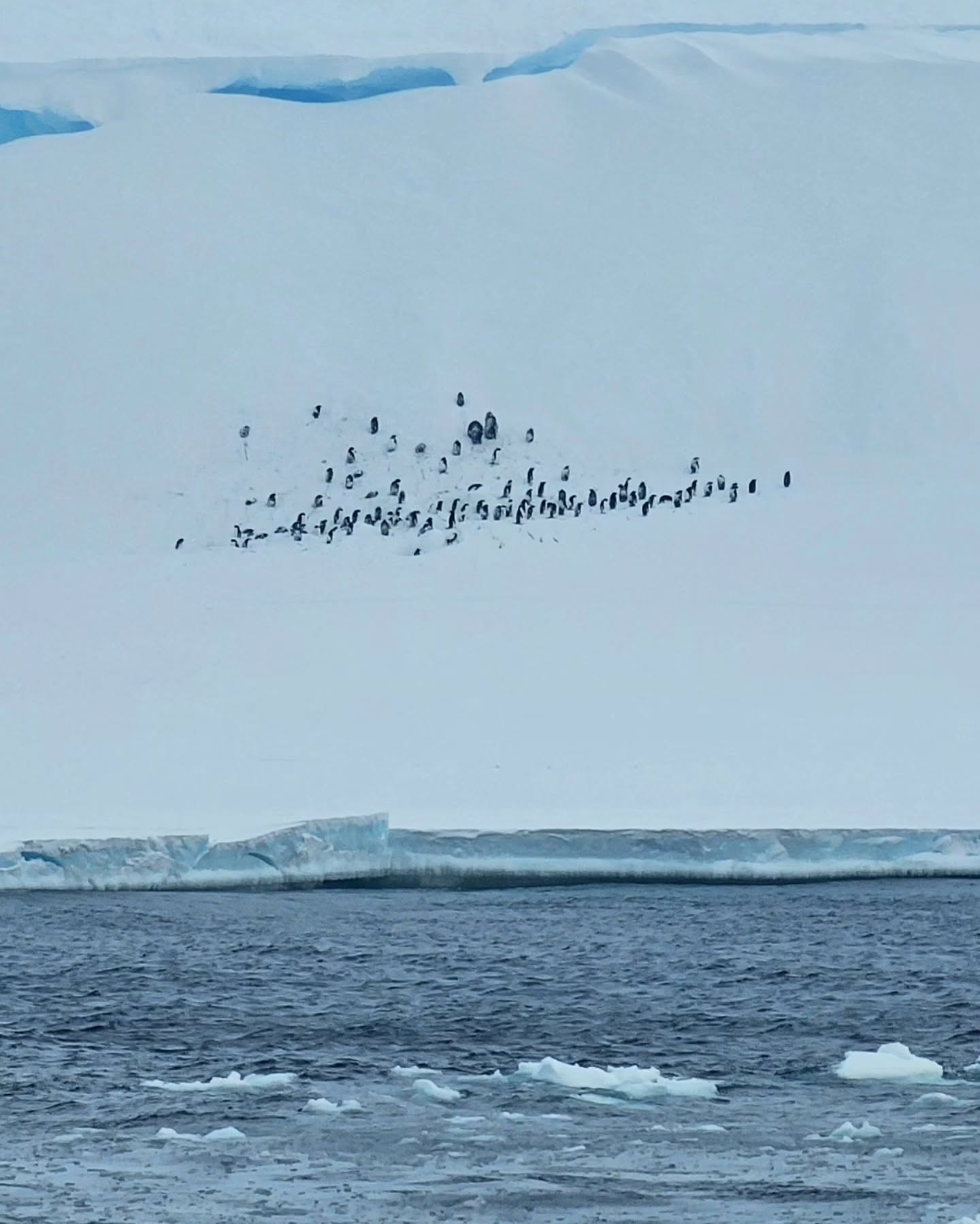
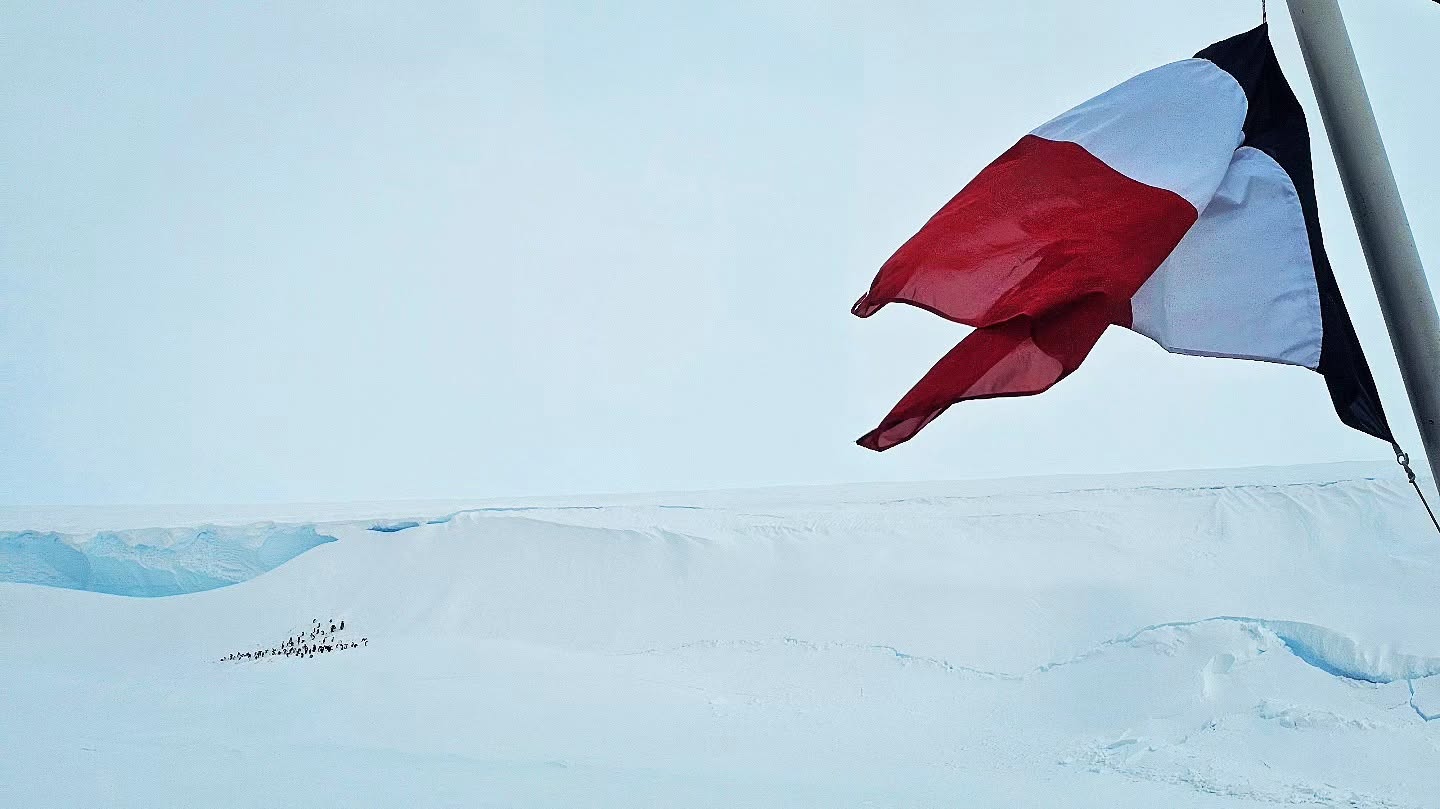
From Ross Island we followed the Ross Ice Shelf east, and I made it to the southernmost point that can be reached on any ocean of the planet: 78.725° South. Here the ice shelf forms the Bay of Whales. And of course the southernmost "beach" in the world had already been colonised by penguins: a group of Adélies stood on a snow slope of the ice shelf just above the water, while the French flag fluttered on our ship.
East along the edge of the ice
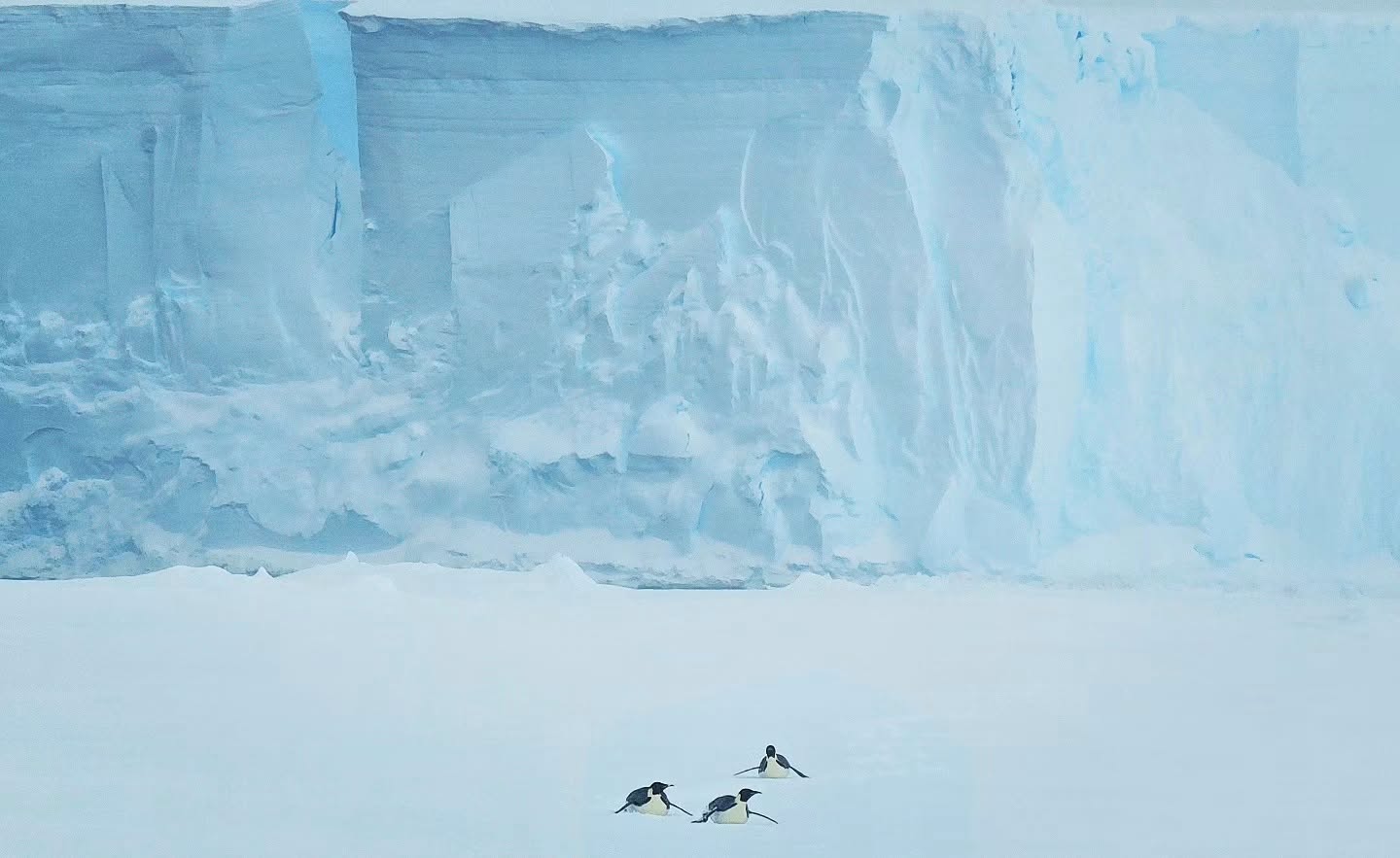
From the Bay of Whales a long passage east began, along the Pacific side of Antarctica towards the Peninsula, a coast few ships ever visit. Much of it belongs to Marie Byrd Land, the only part of the continent no country claims, so for a few days a country collector had nothing to count. There was plenty to see, though. Below a towering ice cliff, three emperor penguins slid across the snow on their bellies.
After weeks of almost constant daylight in the far south, the sun now set again, and I put together a small collection of Antarctic sunsets.
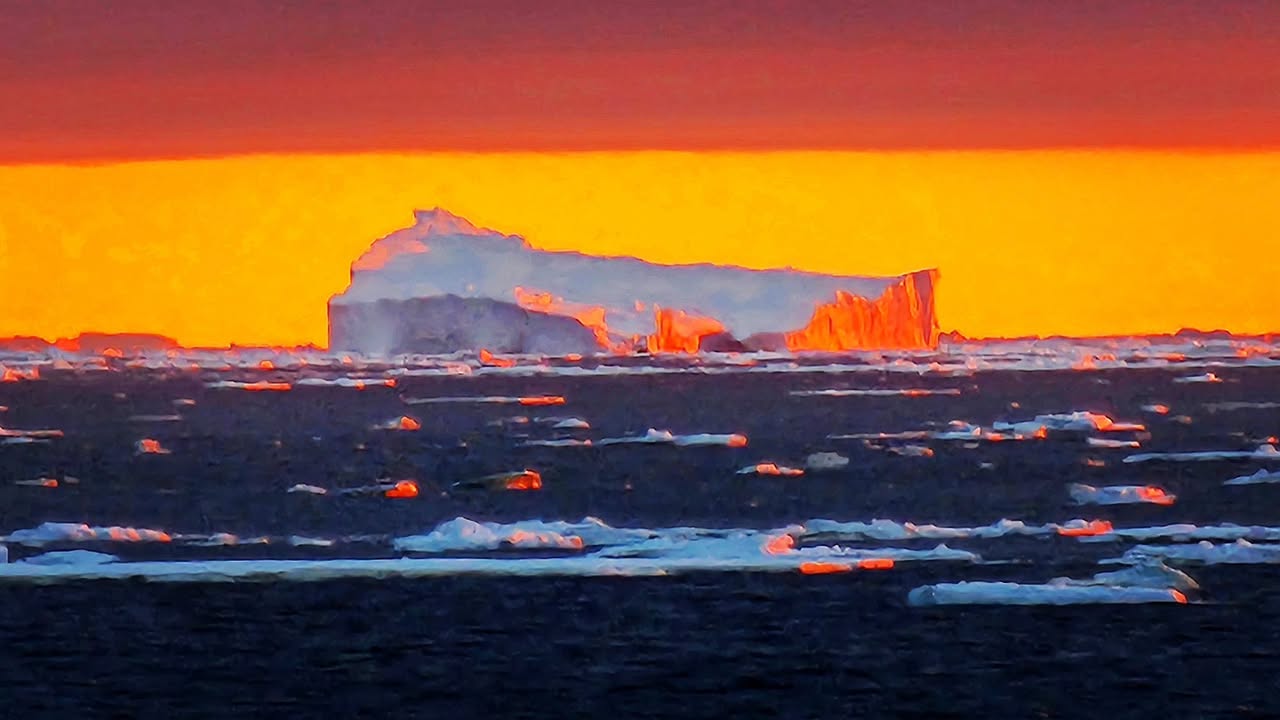
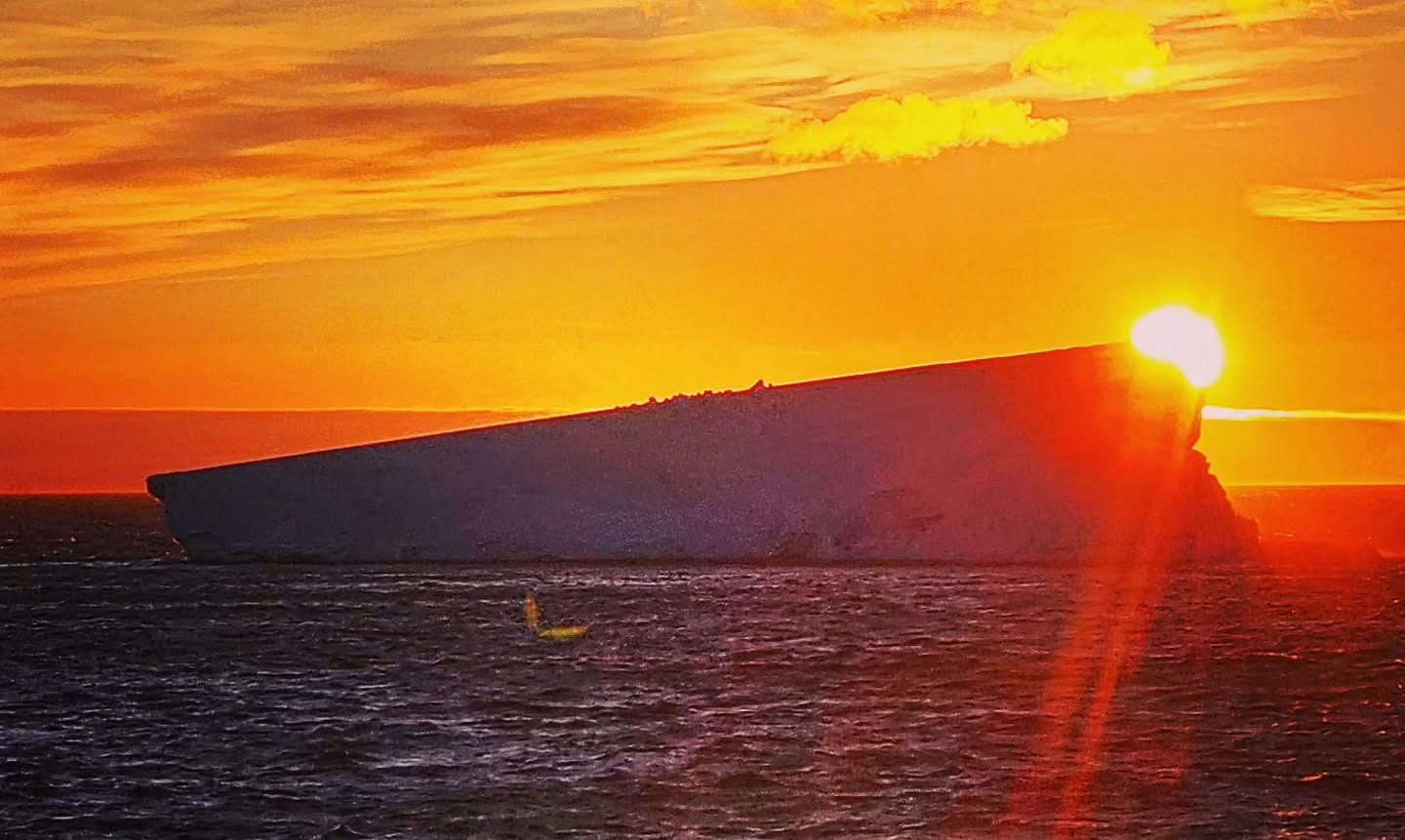
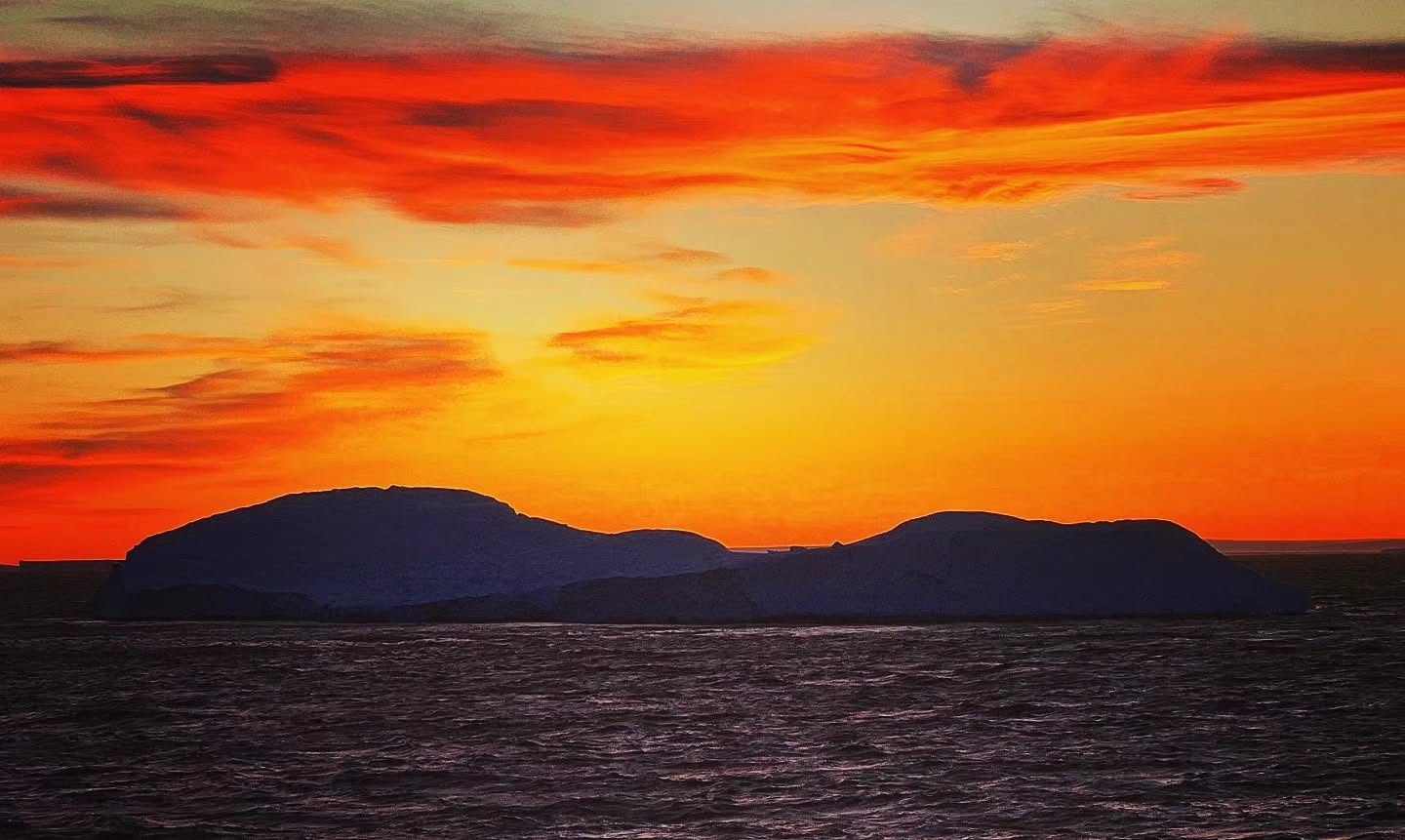
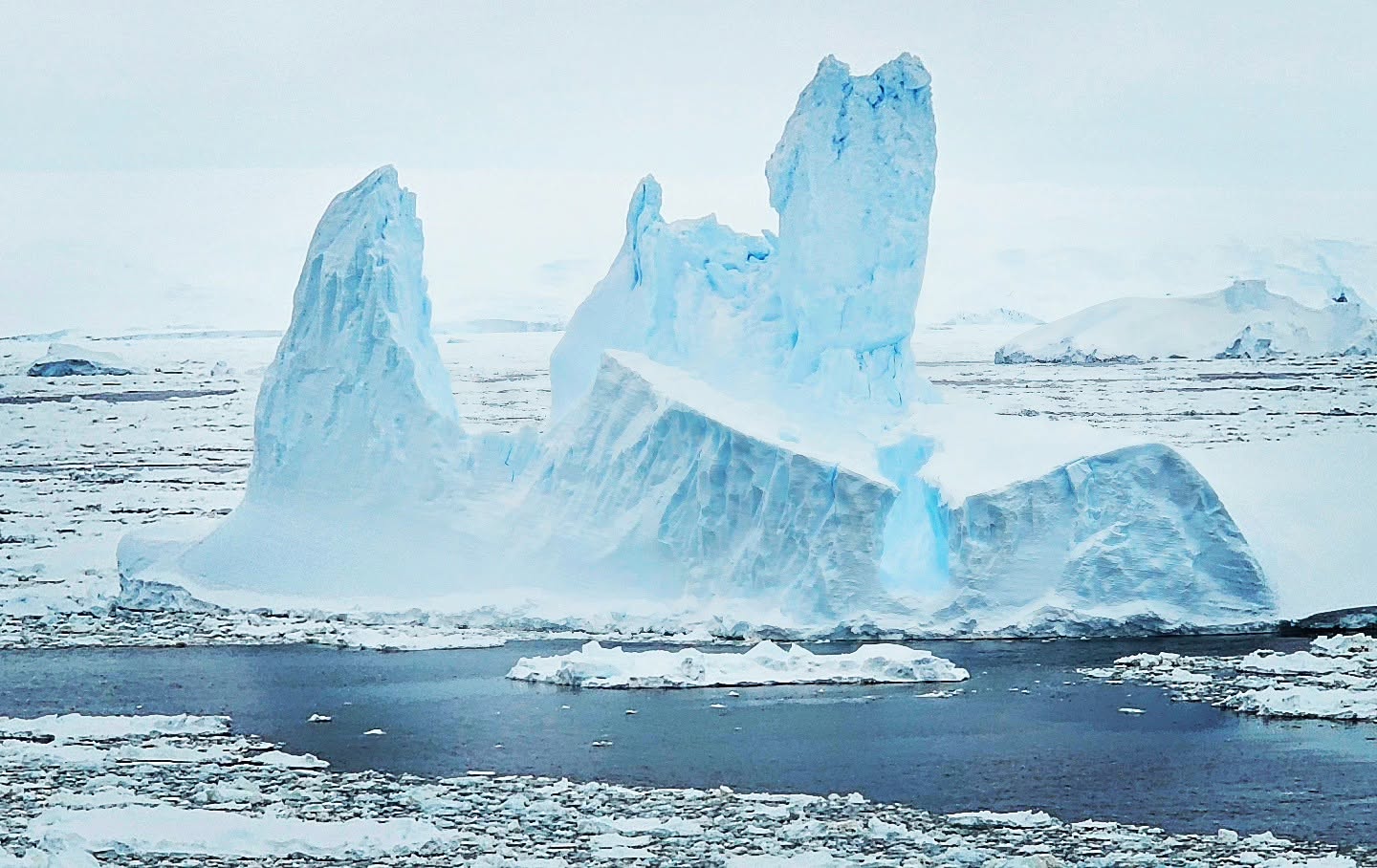
The pack ice grew denser again. Icebergs had been carved into towers and arches, and seals dozed on the floes. During these weeks I also marked nine years since I had deregistered from Germany and flown to Mexico on a one-way ticket, with no independent income and just 3,000 euros left in my account.
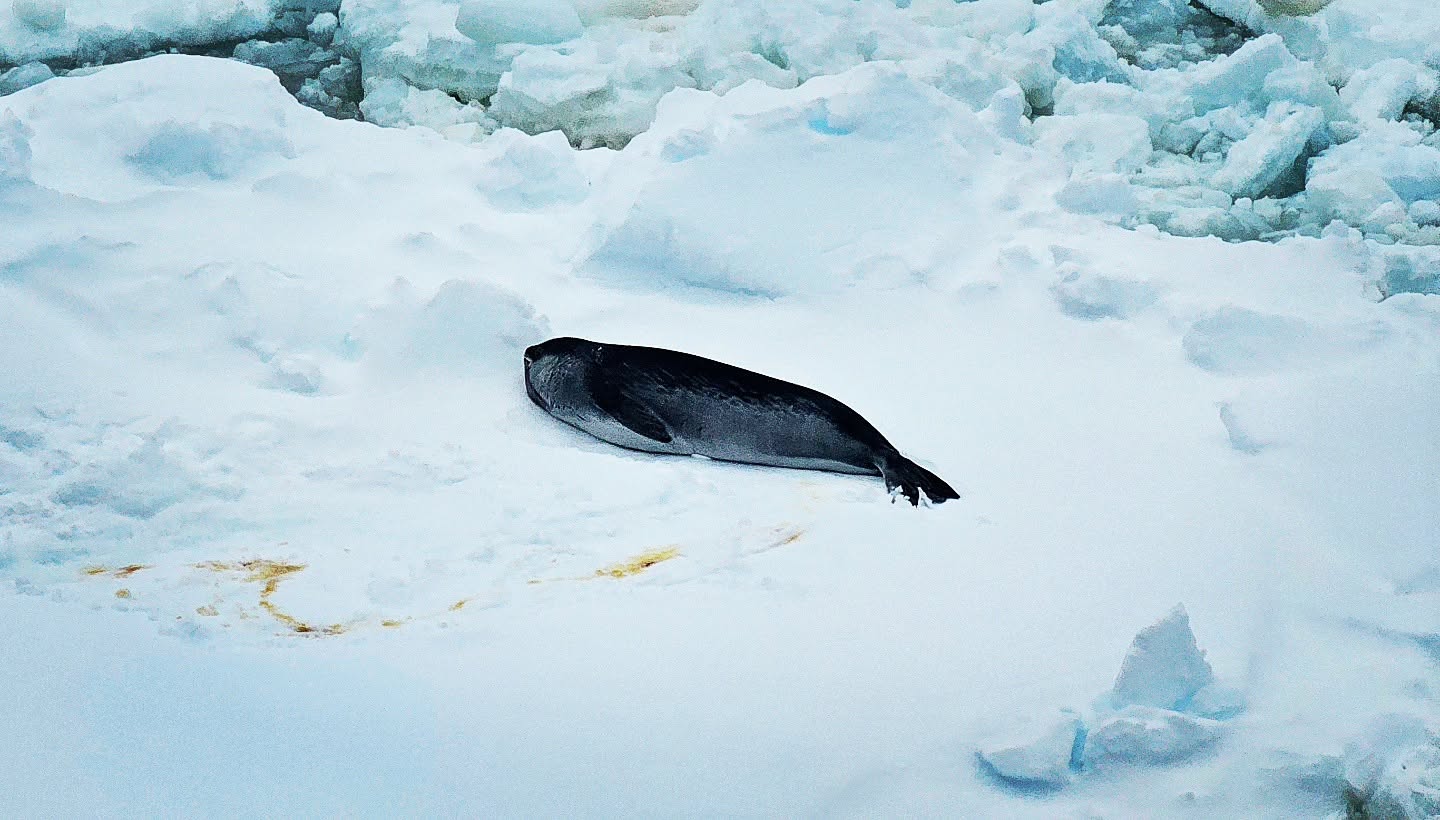
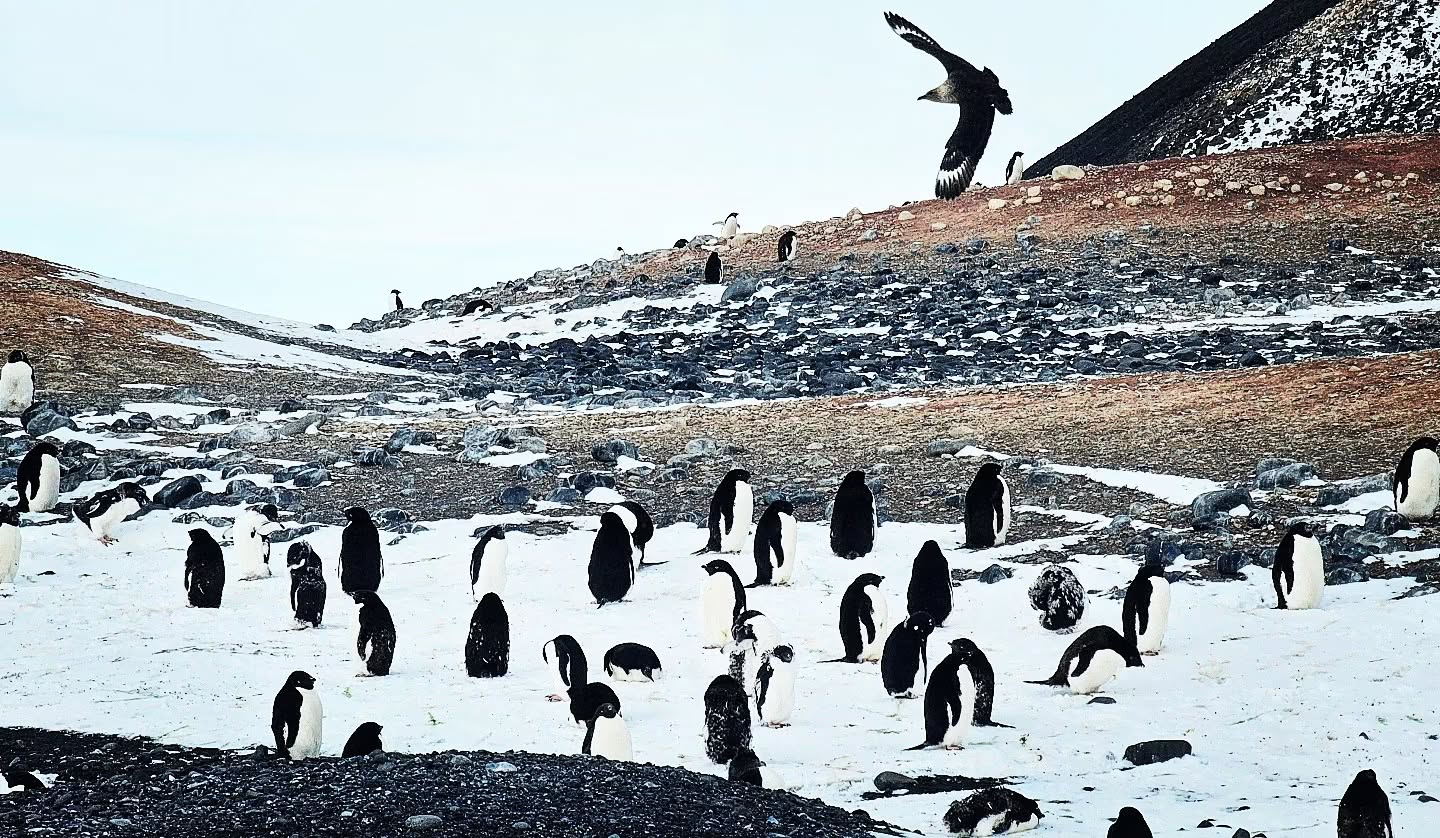
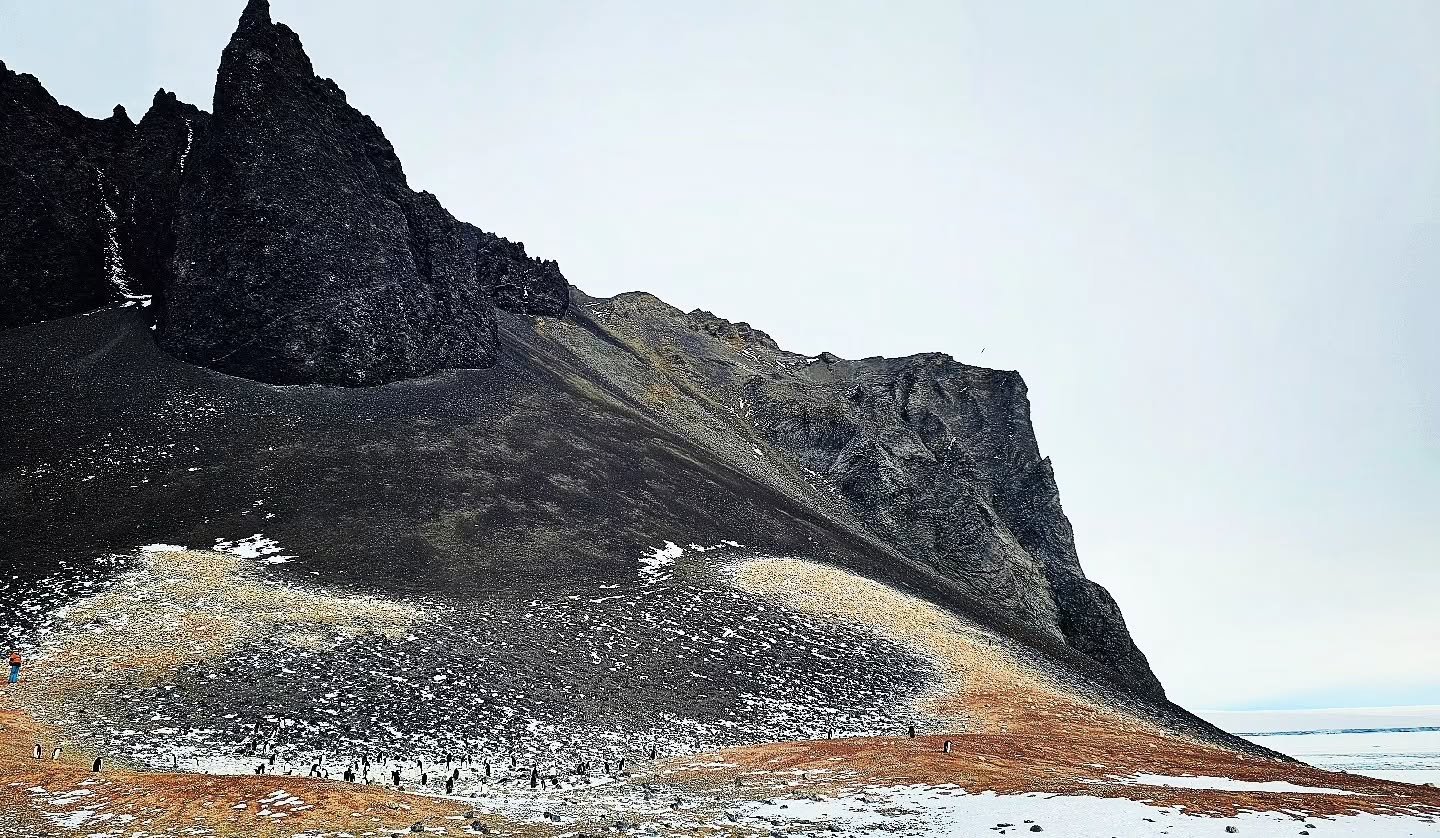
Before the last chapter of the voyage, there was one more Adélie colony to visit, on a slope of dark rock below a jagged peak. A skua circled overhead, a seal dozed on the stones, and the Charcot waited in the ice offshore.
At the end of February we reached the Antarctic Peninsula, the final stretch before Cape Horn and Ushuaia, a story told in Back from the Ice in 2024.