
Welsh Tea and Beaching Orcas: A Road Trip up the Atlantic Coast of Patagonia
23–29 March 2026 · Trelew, Gaiman, Puerto Madryn, Península Valdés, Punta Norte, Las Grutas, Viedma, Carmen de Patagones, Pedro Luro, Bahía Blanca · Regions: Argentina (Chubut, Río Negro, Buenos Aires Province)
Argentina is a favourite of mine, but large parts of it were still blank on my map. I had been to Buenos Aires and Ushuaia, yet never to the long Atlantic coast in between. After shark diving at the Aliwal Shoal and a wedding in São Paulo, I had two weeks for new regions of the country. The first week belonged to coastal Patagonia, timed for one of the strangest hunting scenes in nature: killer whales that throw themselves onto the beach to grab sea lion pups.
The plan was simple: fly into Trelew, drive north along the coast and fly out of Bahía Blanca a week later. The start was less smooth. After a tiring night flight we landed in Trelew without our luggage, so the first item on the programme was a few hours of sleep.
Welsh tea in the Patagonian steppe
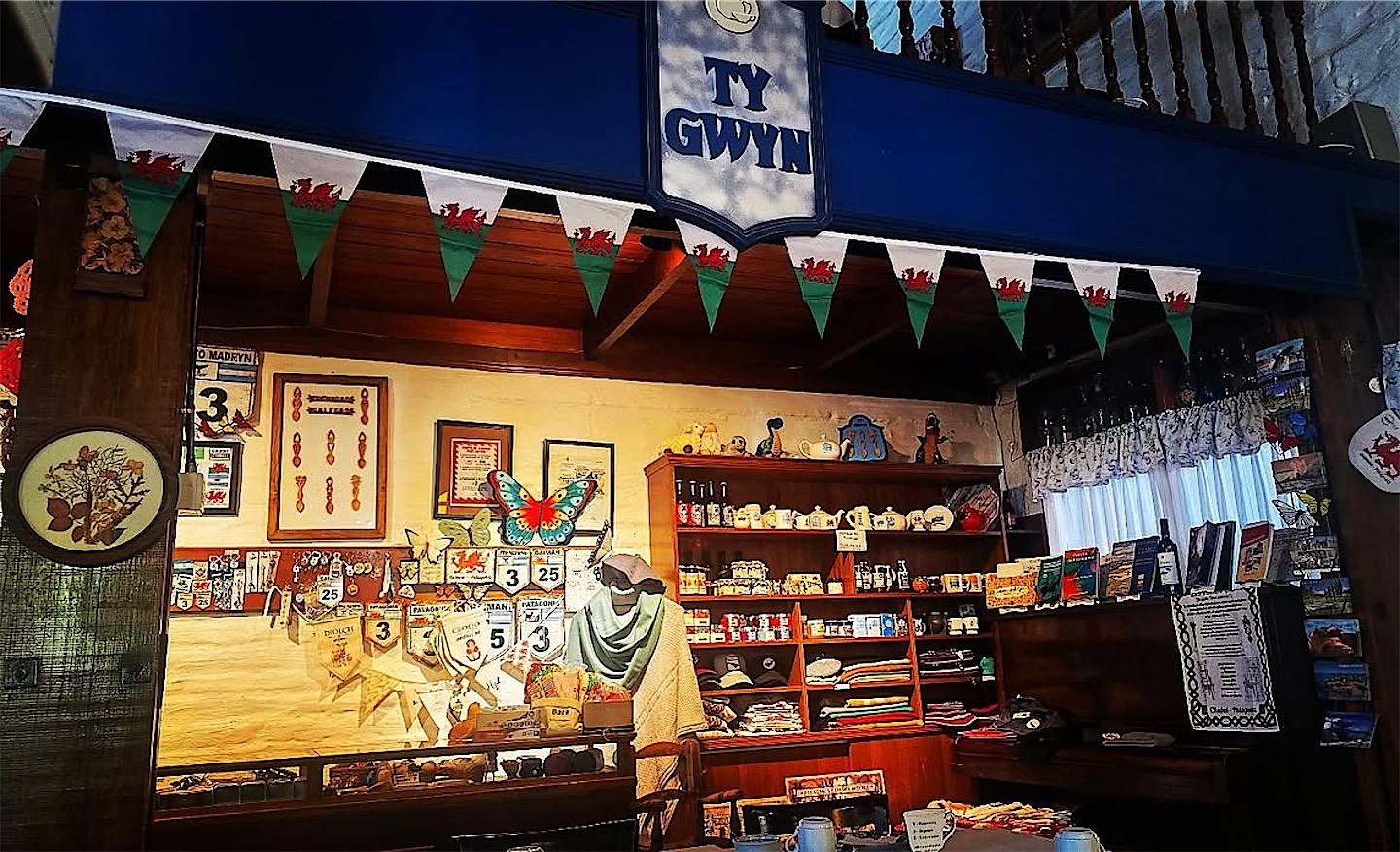
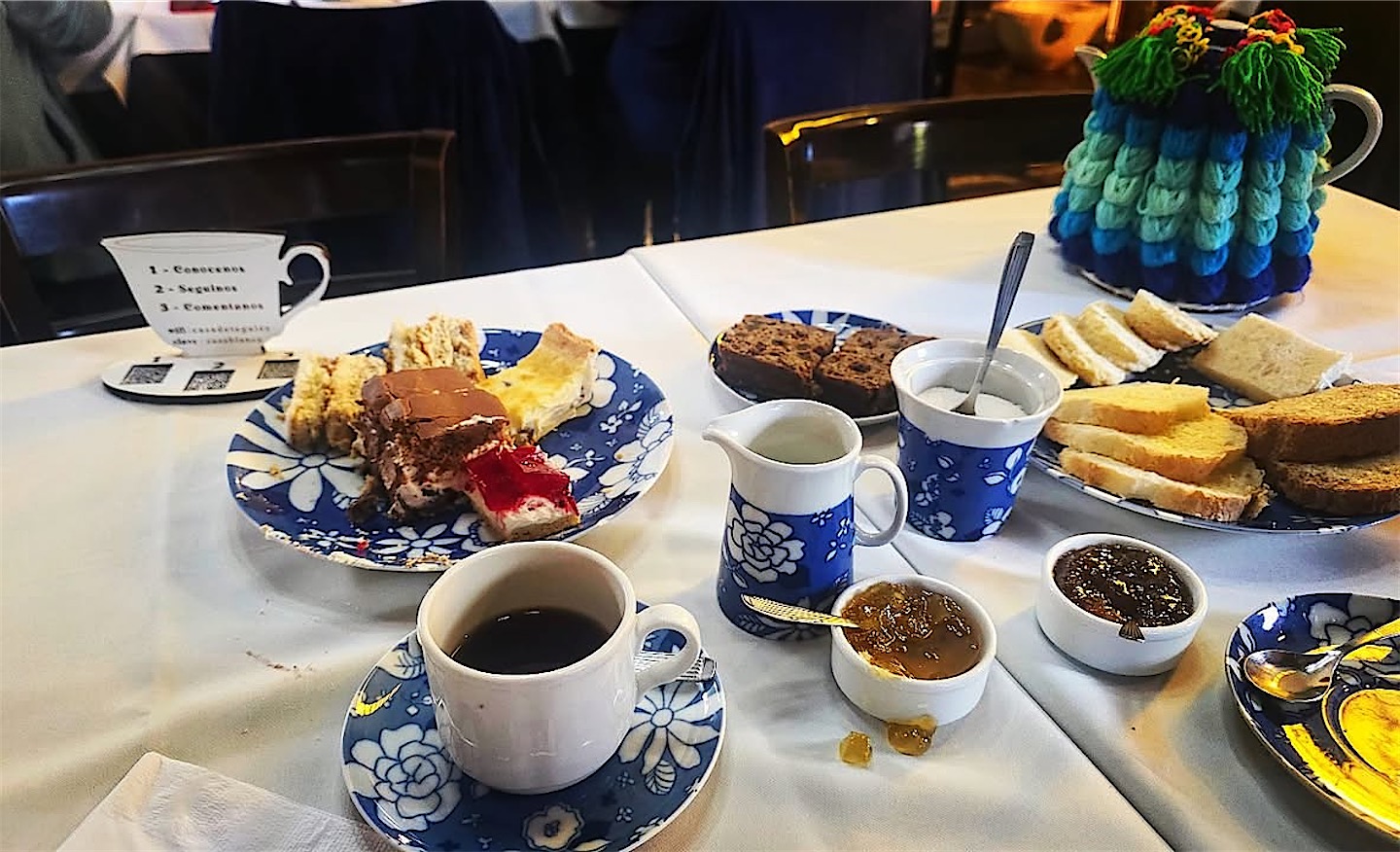
Trelew is a modest town whose name gives away its origins: tre is Welsh for town, and Lew stands for Lewis Jones, one of the settlers' leaders. Nearby Gaiman has dozens of tea houses, and we chose Ty Gwyn, the "white house", for a proper Welsh tea with cakes, scones and jam under red-dragon bunting.
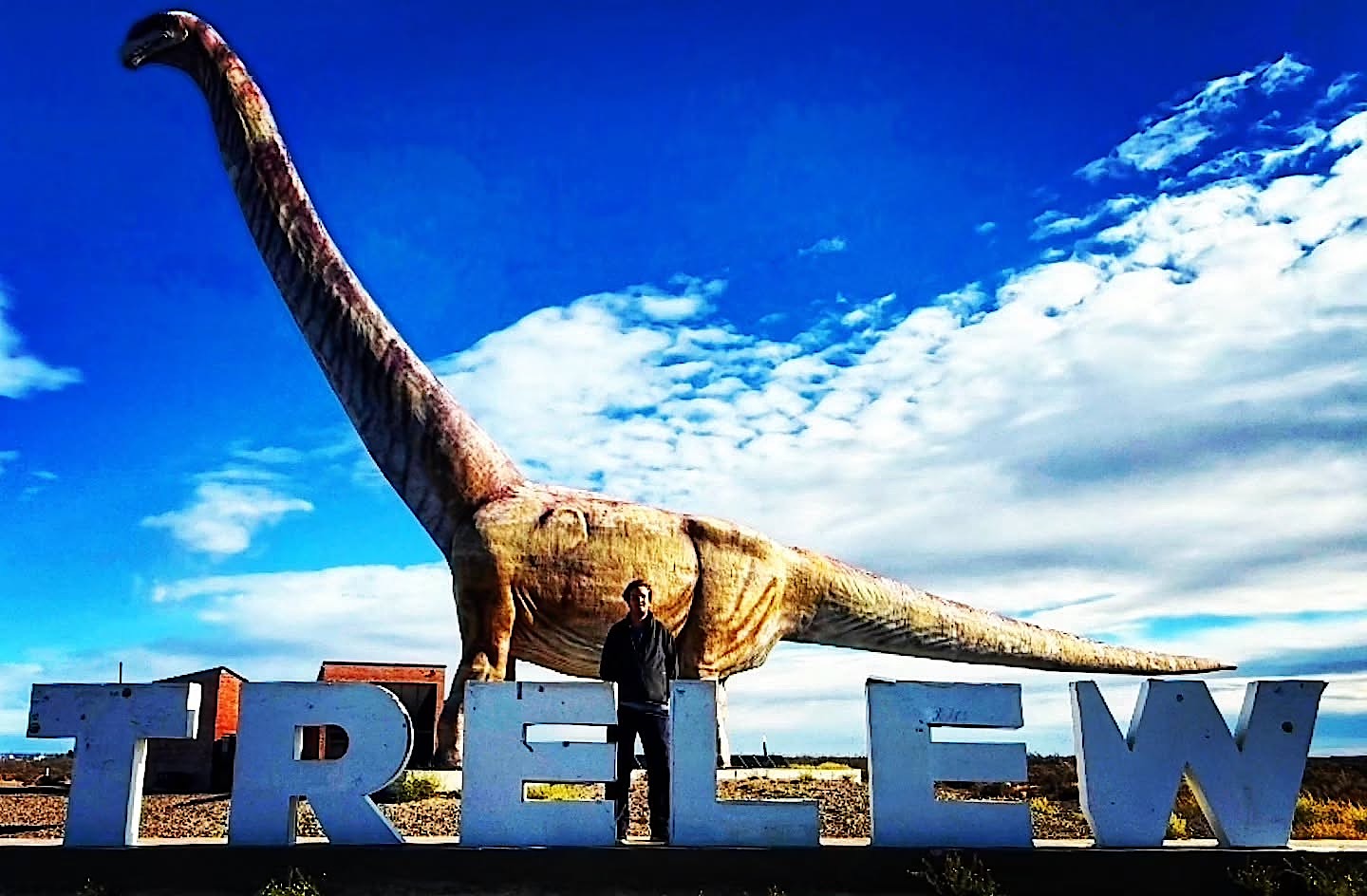
Trelew's other claim to fame is far older. I posed under a giant model of Patagotitan, a sauropod found in the Chubut desert and among the largest animals ever to walk the earth. The town's palaeontology museum, the Museo Egidio Feruglio, is excellent, with mounted skeletons of Patagonian dinosaurs.
Ripio and the Atlantic at Puerto Madryn
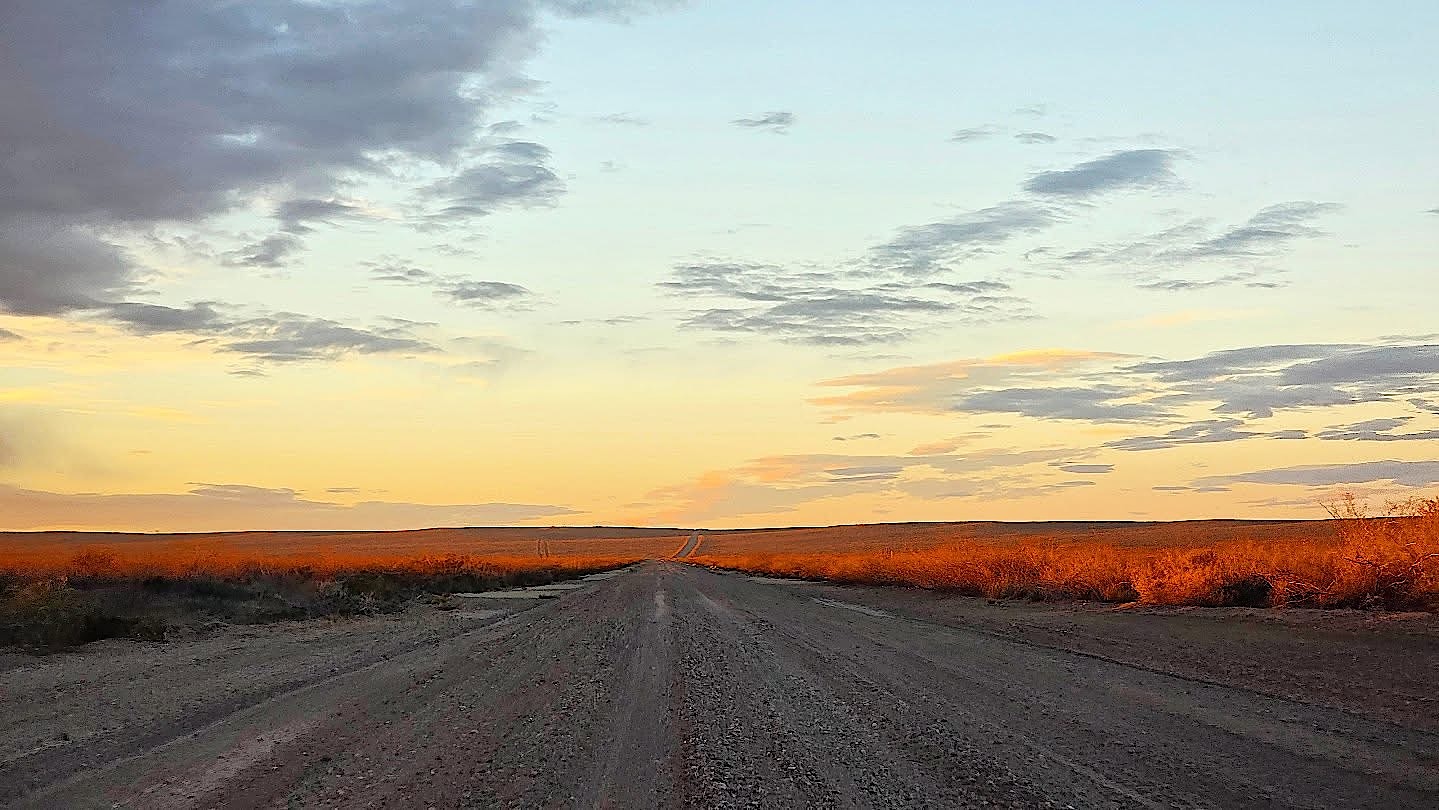
Outside the towns, much of Patagonia runs on ripio, gravel roads that stretch to the horizon. As in Namibia, you can drive them surprisingly fast, which helps with the distances ahead. The sunsets would soon become a habit.
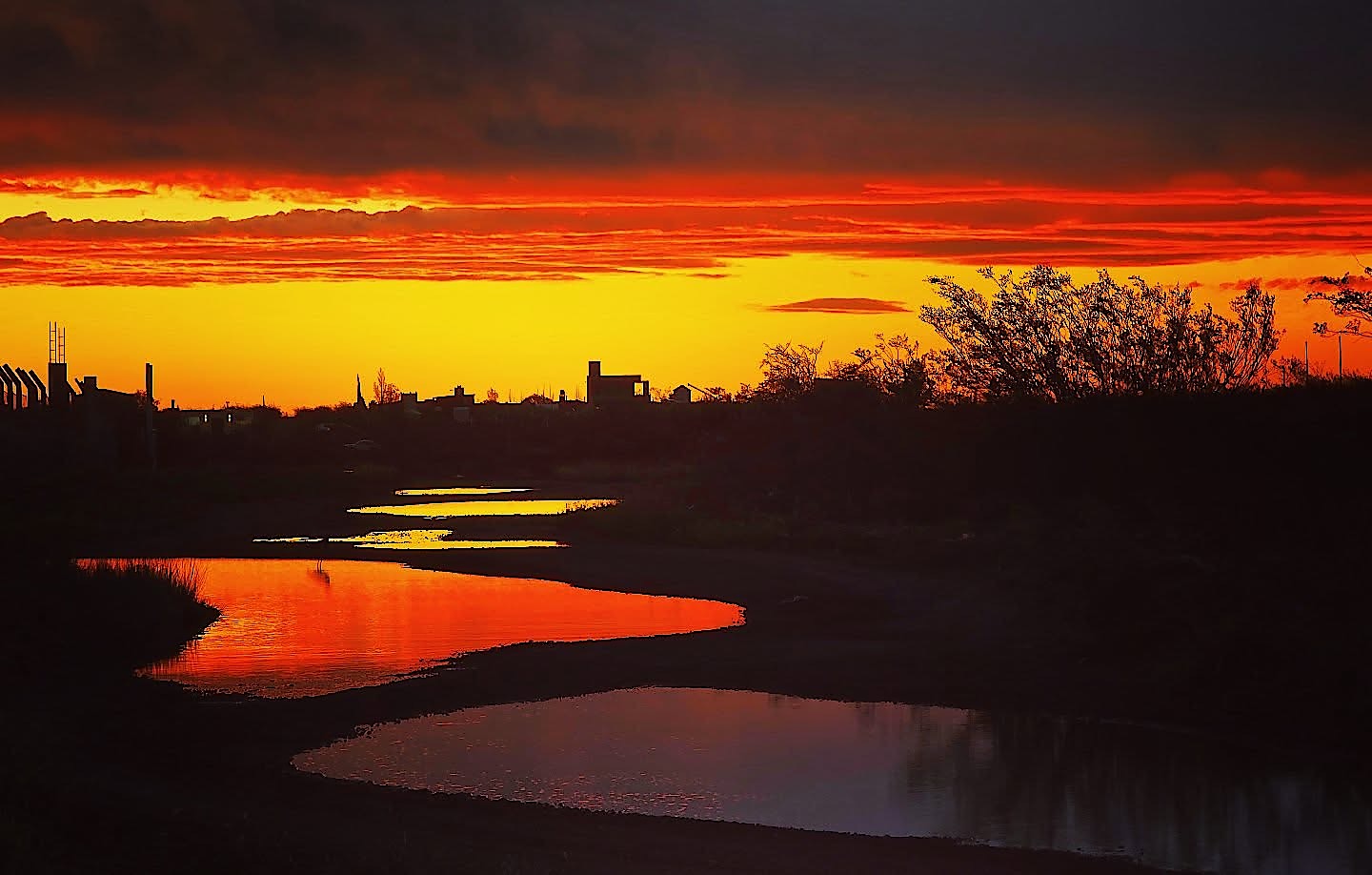
The next morning in Puerto Madryn I saw the Atlantic properly for the first time in Argentina; Ushuaia lies on the Beagle Channel and Buenos Aires on the Río de la Plata. Madryn, one of the main ports on this coast, was also founded by the Welsh, which gave the Falklands War of 1982 a painful twist: descendants of the settlers served on the Argentine side while Welsh soldiers fought for Britain.
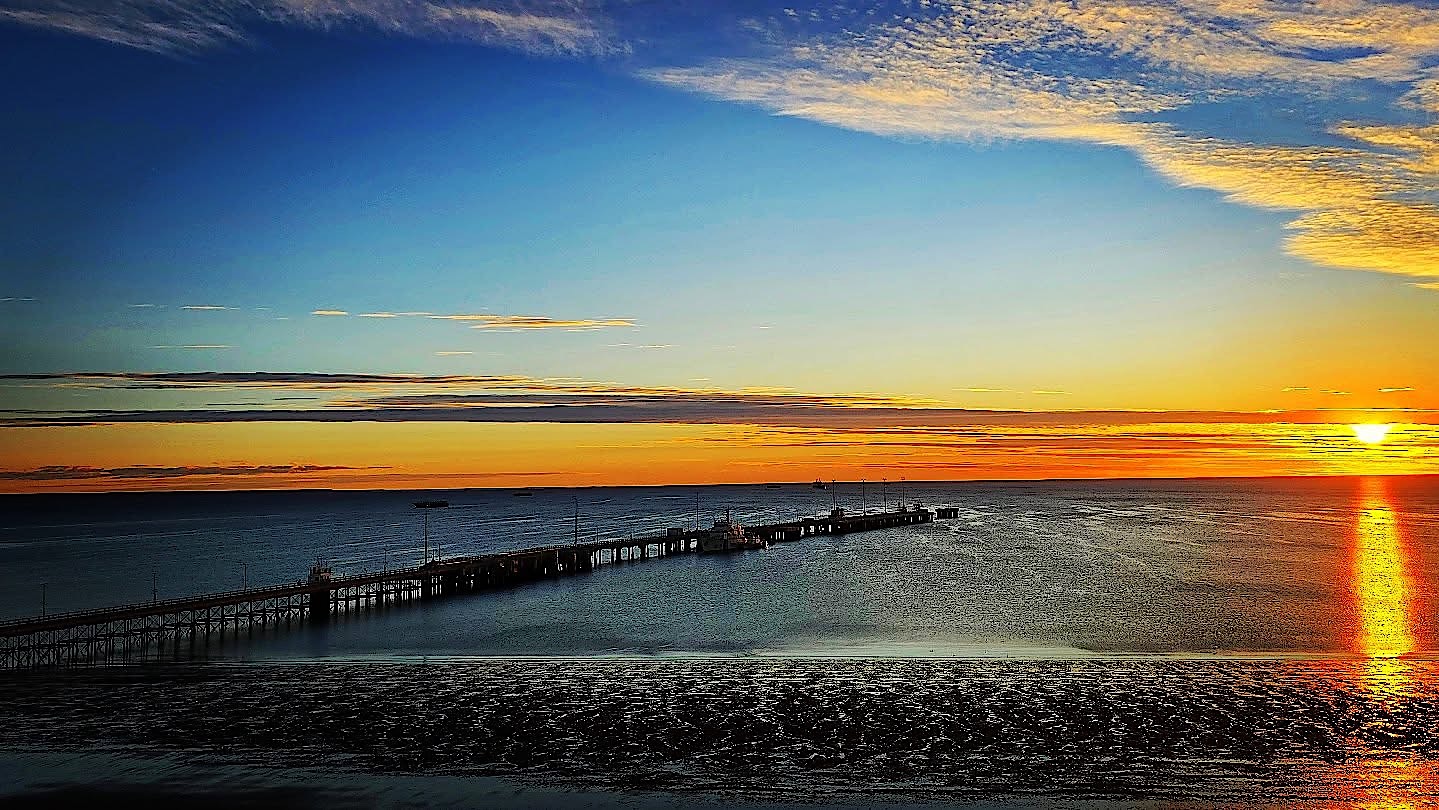
Madryn is also Argentina's diving capital, so I made my first dive in the country, exploring shipwrecks in 15 °C water, a far cry from the warm Indian Ocean a few days earlier. Back on land there was provoleta, grilled provolone and my favourite Argentine starter.
Península Valdés after the rain
Península Valdés is large, and most of its roads are ripio too. Heavy rain had turned some of them into mud, and more than once we wondered whether our two-wheel-drive car would get through or get stuck. The rewards came quickly: elephant seals dozing below the cliffs, and lesser rheas, the ñandú of Patagonia, strolling across the road.
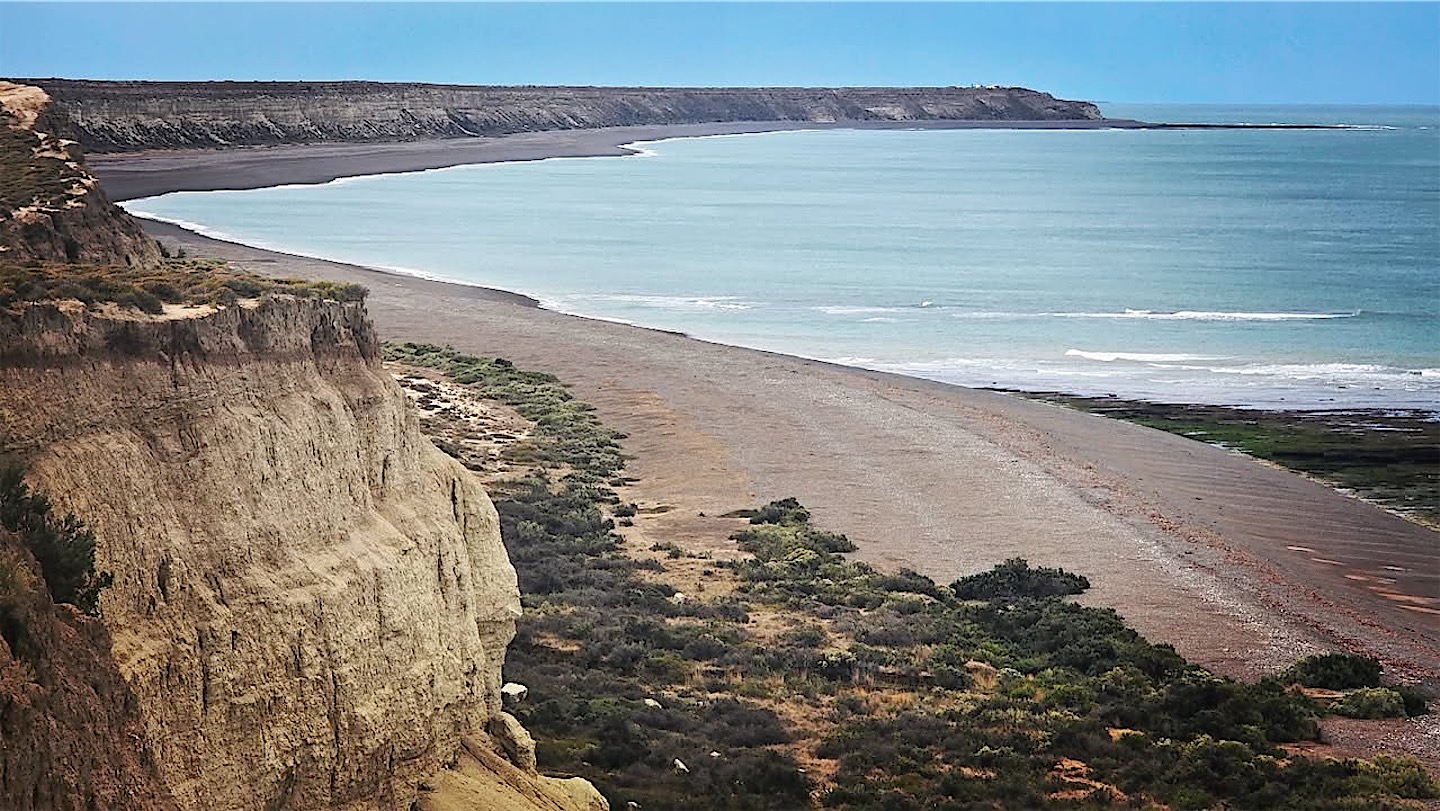
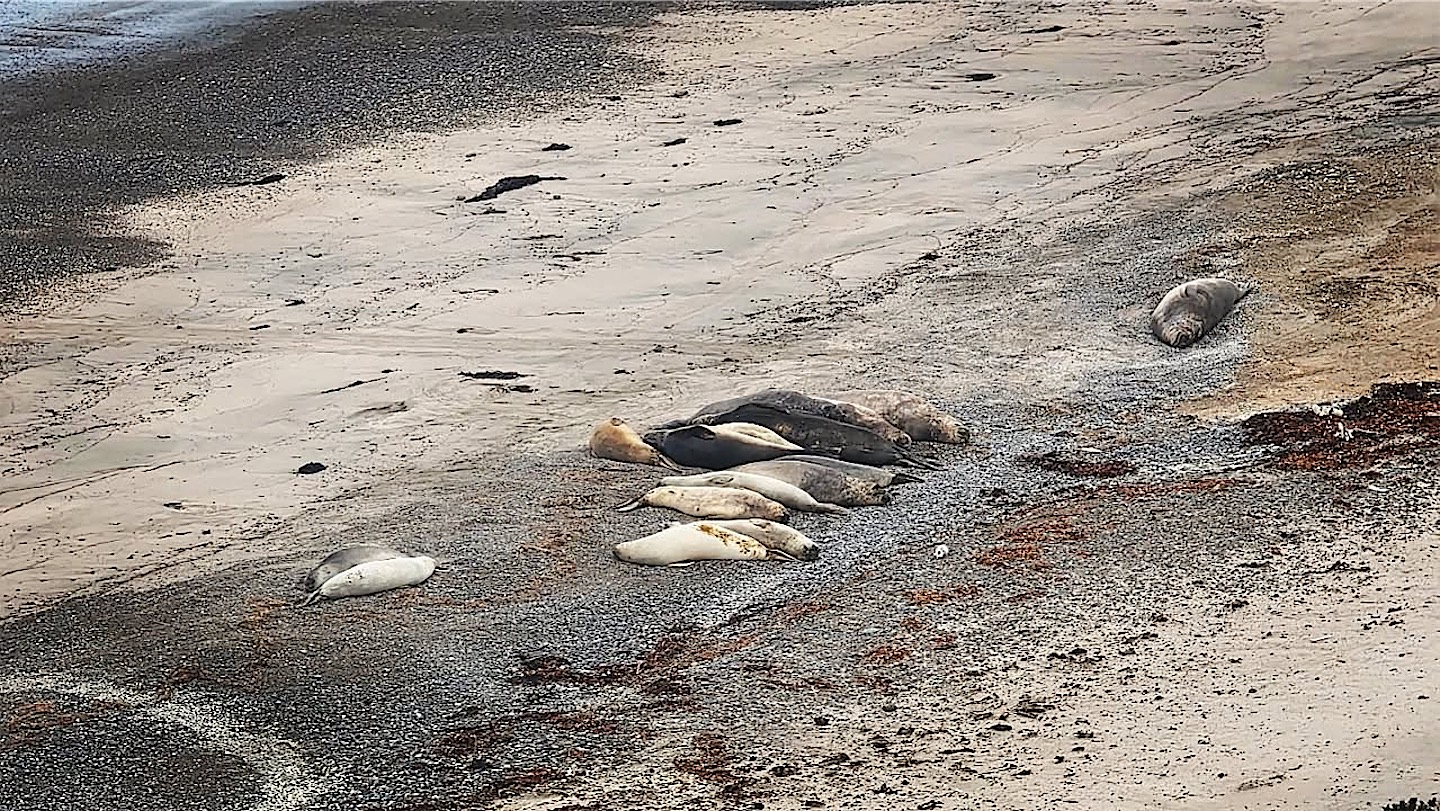
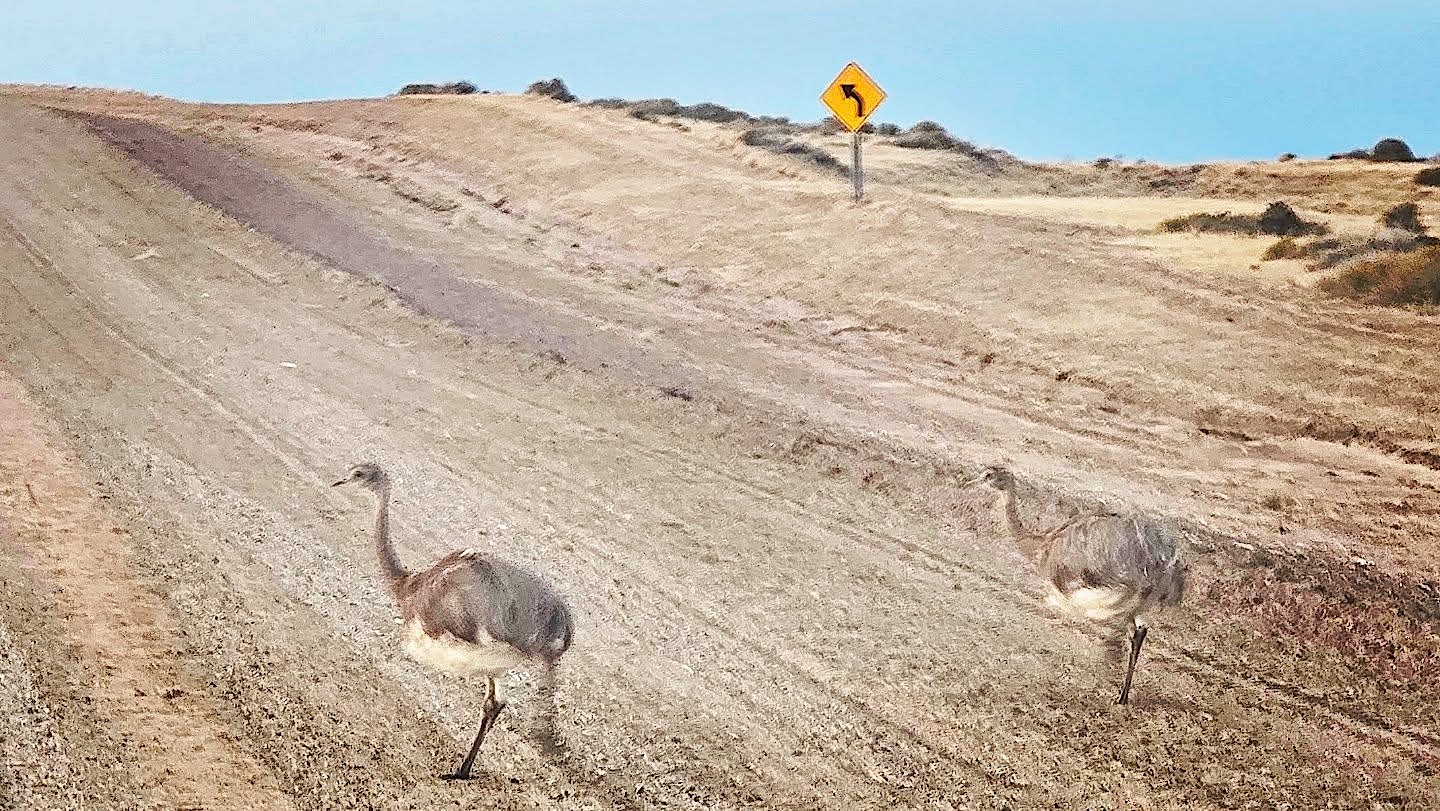
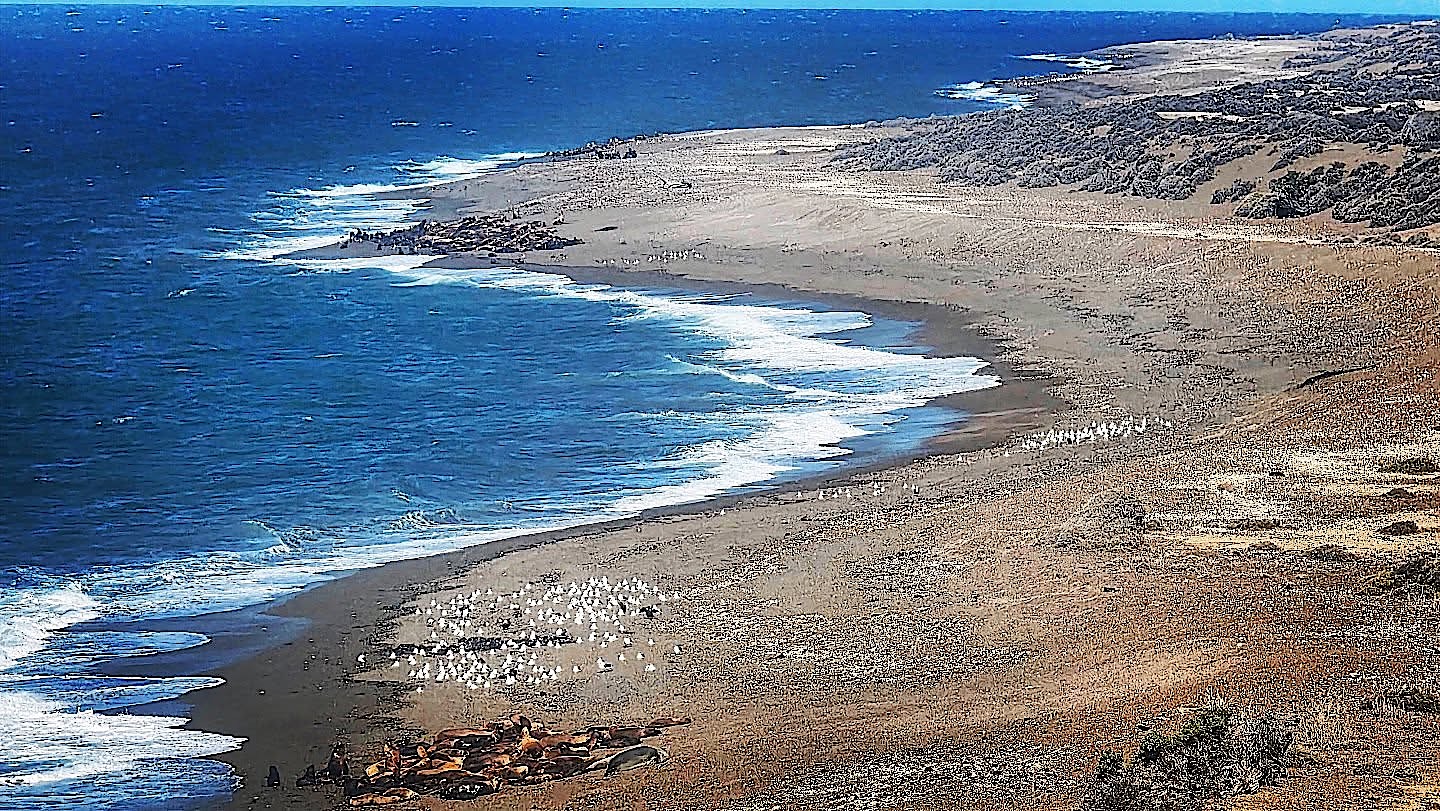
Our first visit to Punta Norte, at the northern tip, brought no orcas, only a cute armadillo. We came back the next morning. The snacks were all there, a colony of sea lions with their pups at the waterline, but the killer whales were missing.
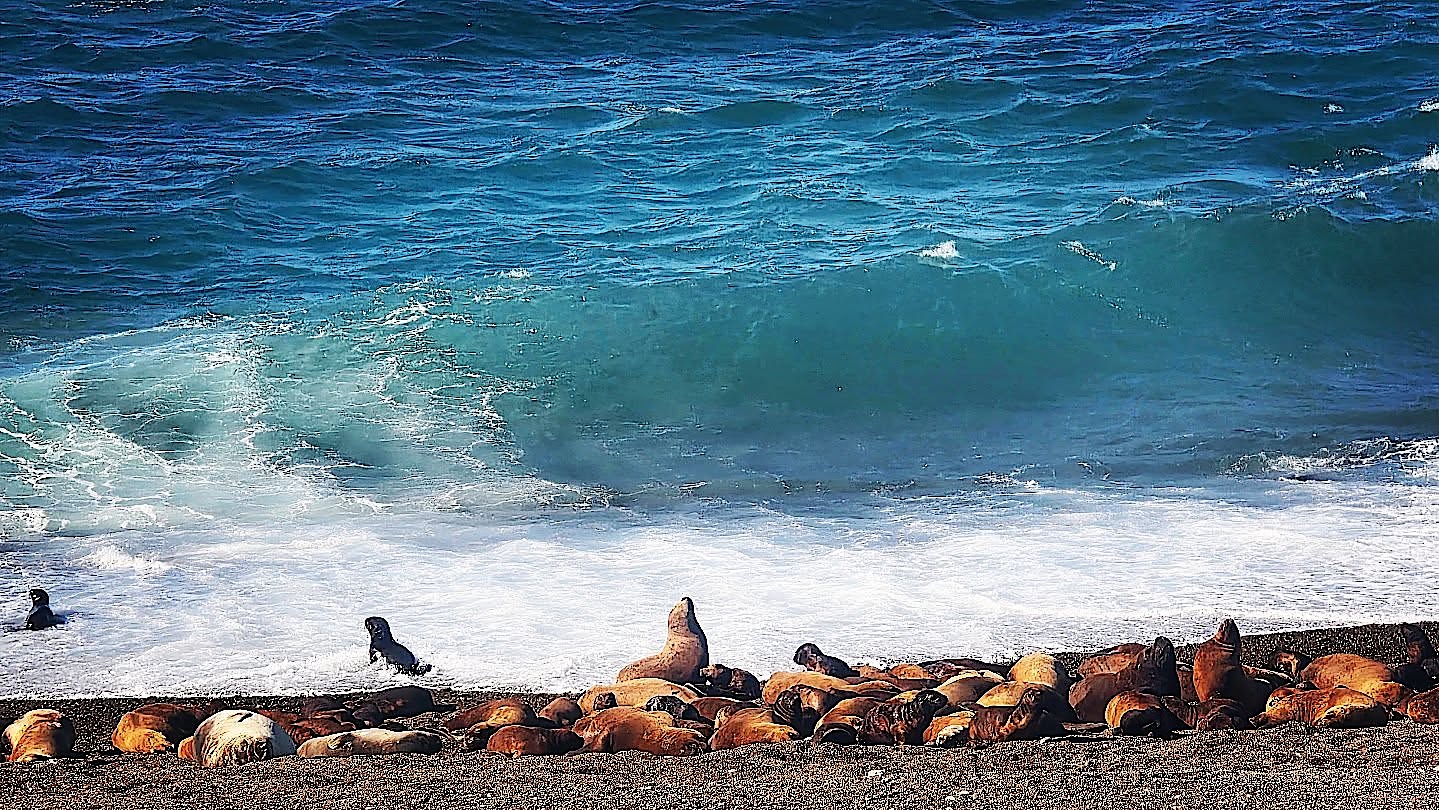
Even without them the beach was beautiful. A big eagle patrolled the shore, and elsewhere we watched a fox among penguins.
The orcas of Punta Norte
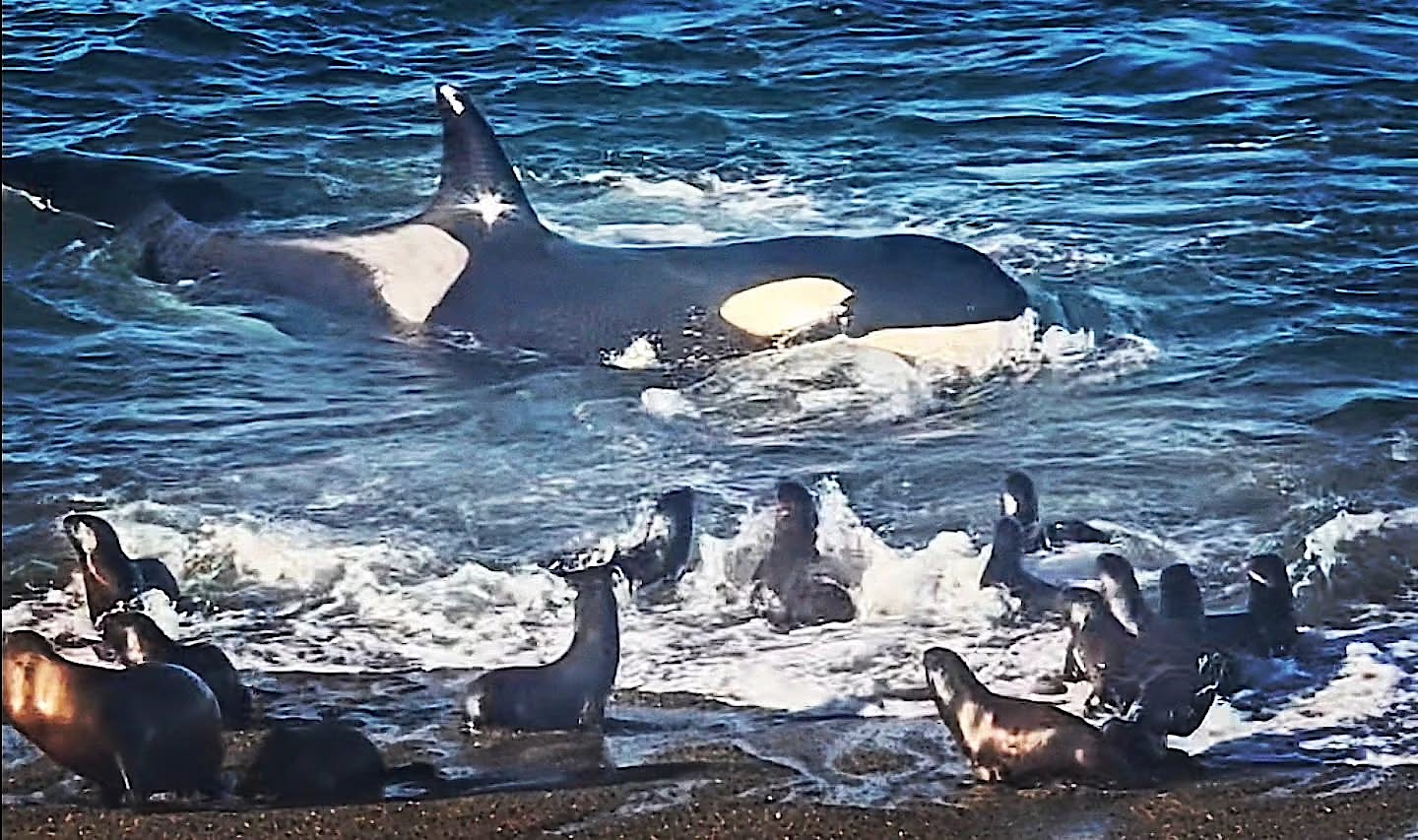
At high tide on our next visit, it finally happened. A black fin cruised along the beach, then the orcas surged into the shallows right among the sea lions, half out of the water. It looked like a wildlife documentary without the narrator. Whether you side with the killer whales or the pups is up to you; for me it was more exciting than any film.
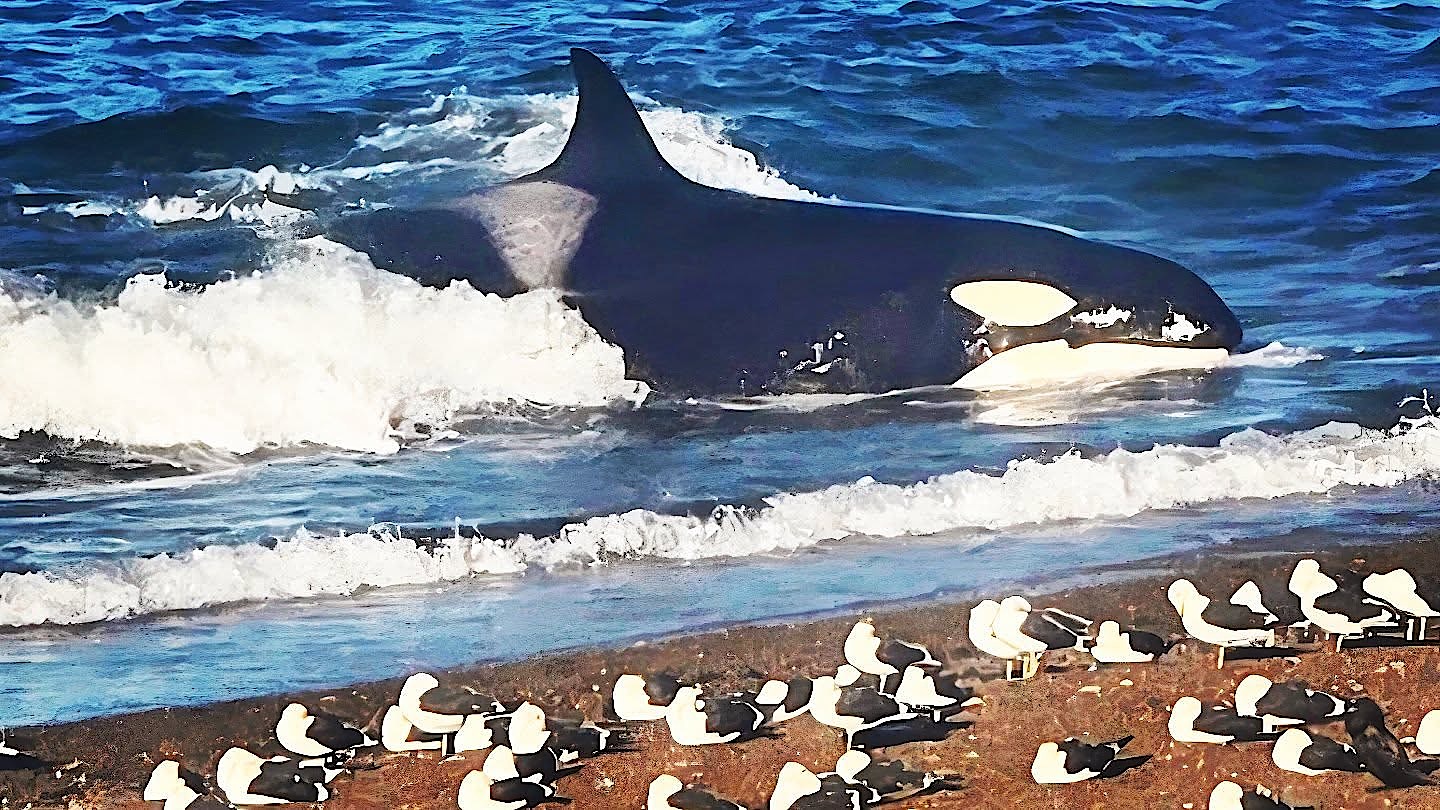
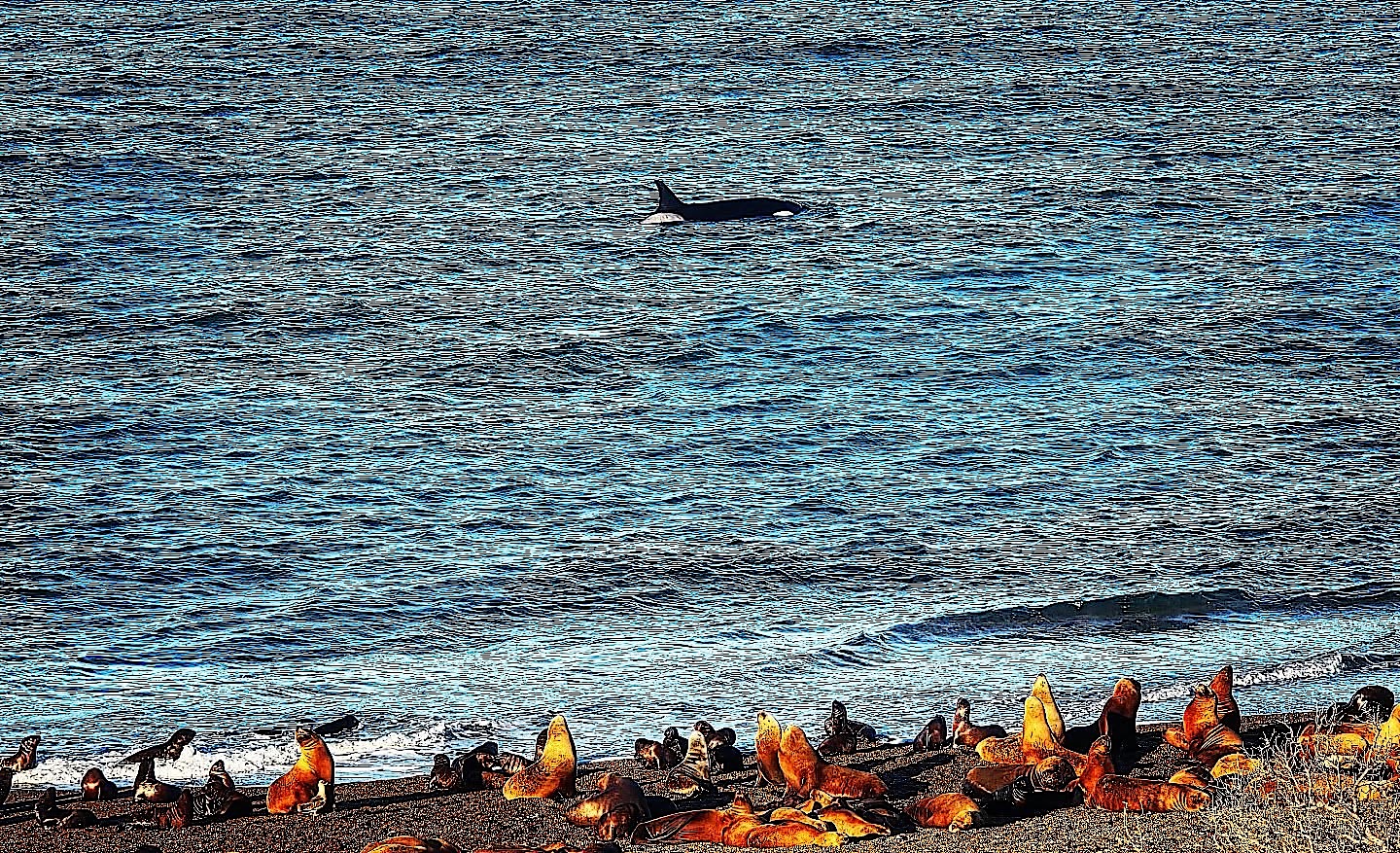
We were lucky: this only happens around late March, and only at high tide. In the quieter moments the sea lions lay on the shingle while a fin patrolled just beyond the waves.
Penguins, guanacos and sunsets
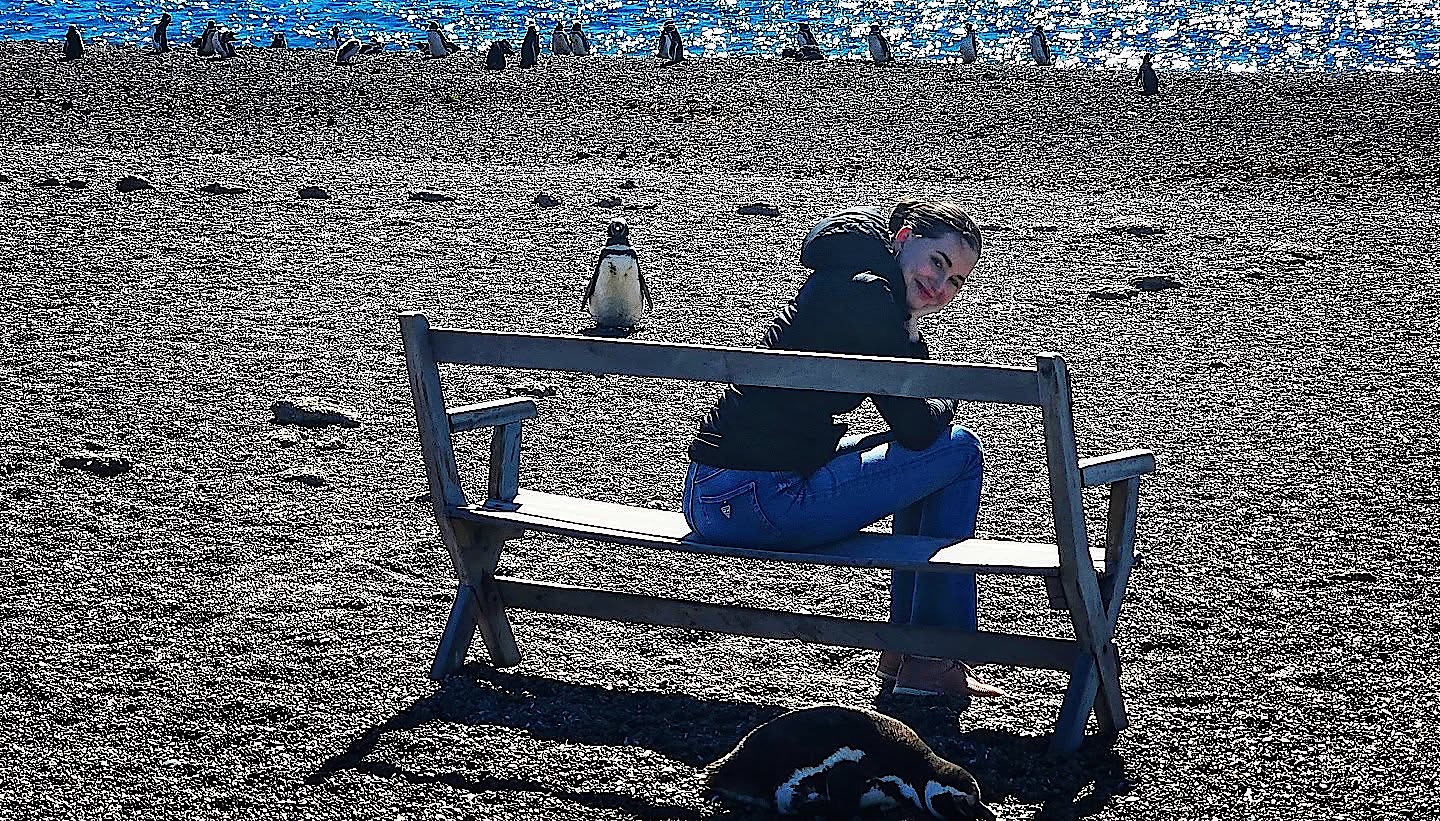
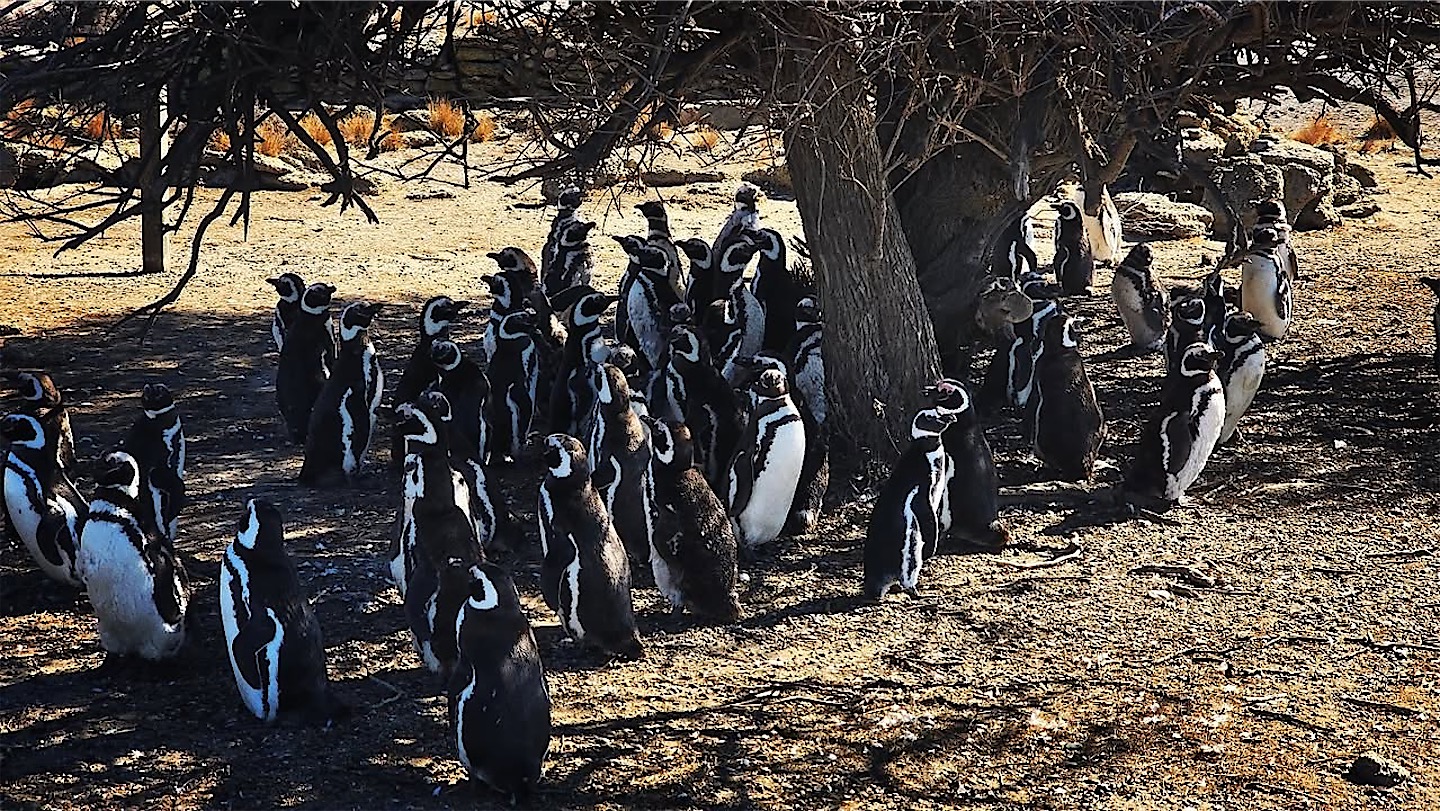
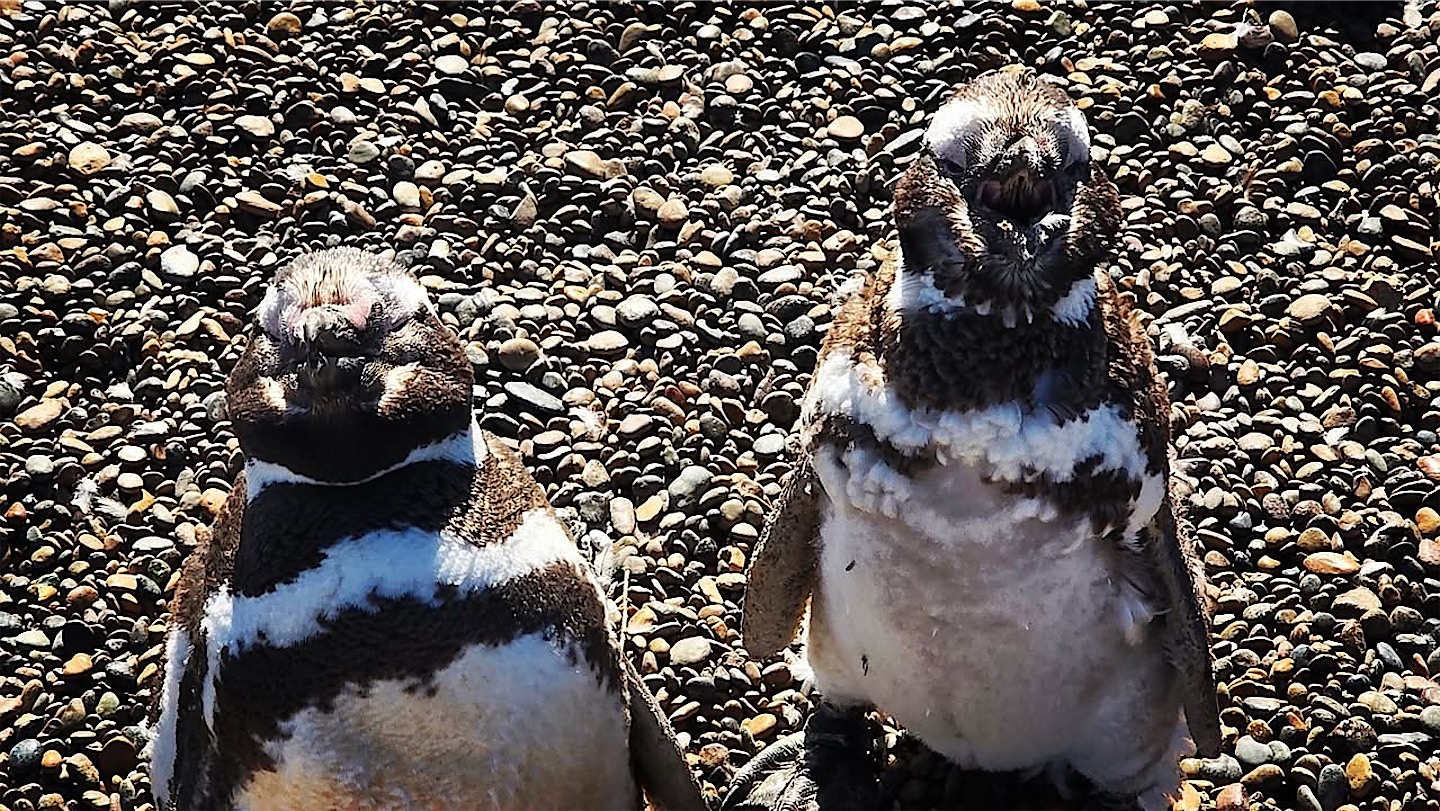
The peninsula had more in store. Near Punta Norte lies a vast colony of Magellanic penguins, said to be the largest in the world, with hundreds of thousands of birds nesting under thorny bushes and in burrows. At the end of the season many youngsters were moulting into a ragged mix of grey down and new feathers, and some were happy to share a bench with us.
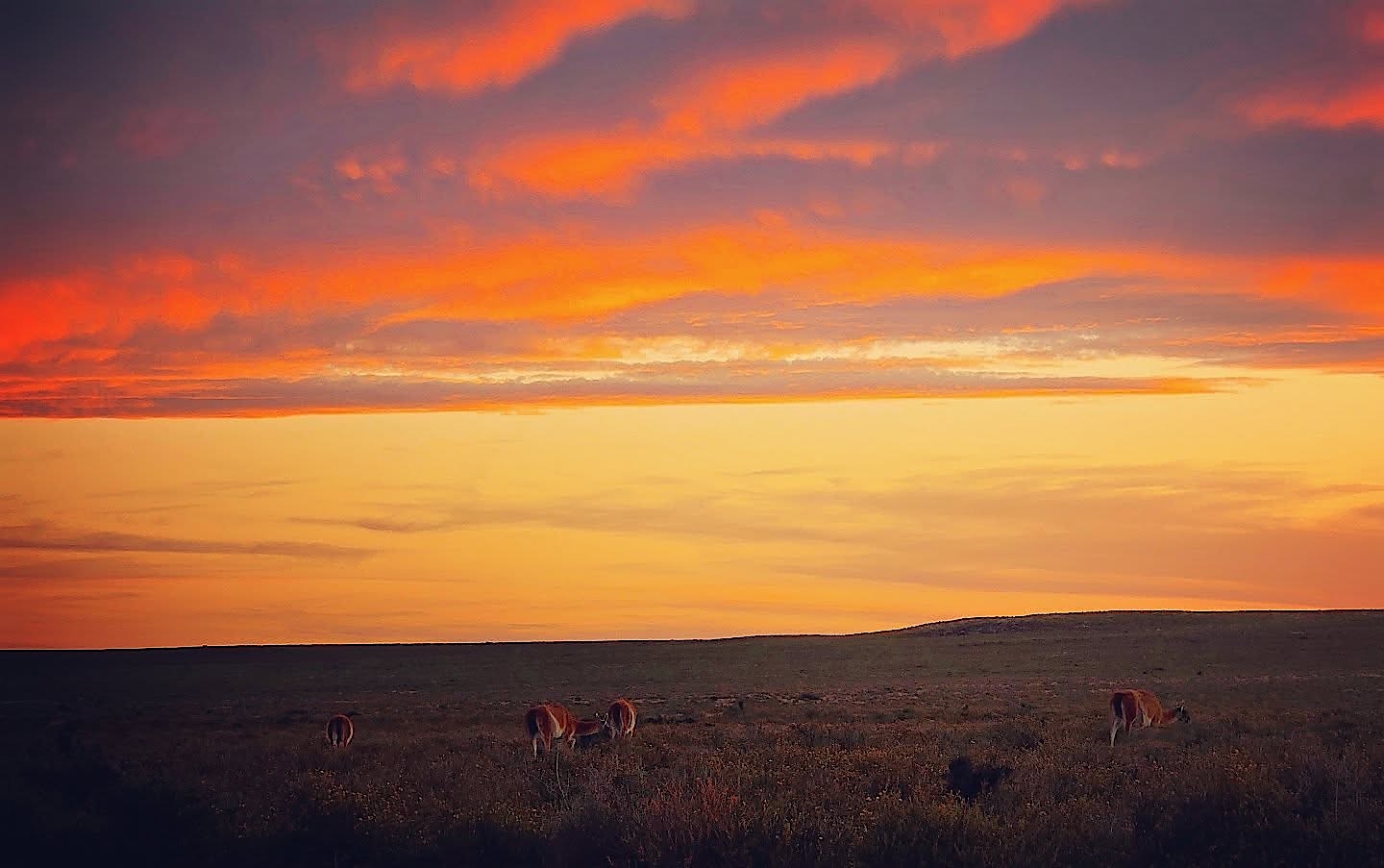
On the wide plains inland, guanacos, the wild relatives of the llama, grazed as the sky turned orange. The Patagonian sunsets were superb all week.
North into Buenos Aires Province
From the peninsula we turned north. Buenos Aires Province was only about 300 kilometres away, but a road sign put the capital at 1,360. This country is huge.
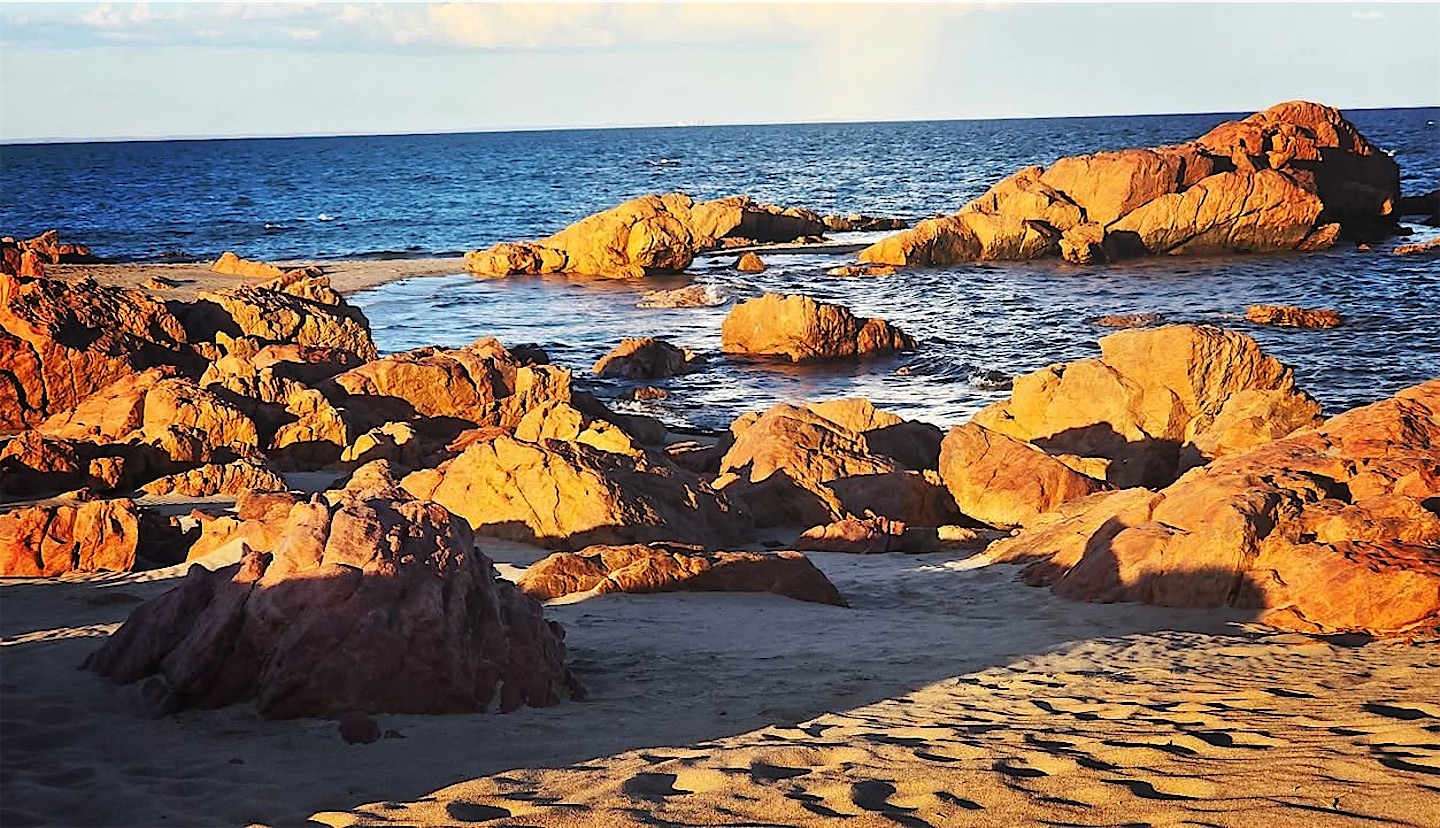
An unexpected overnight stop took us to Las Grutas, with dinner at a typical Argentine parrilla. Las Grutas is Patagonia's main beach resort and reminded me of older Spanish resorts, only with colder water and less impressive beaches. Still, it was interesting to see domestic tourism off season, and the casino was packed.
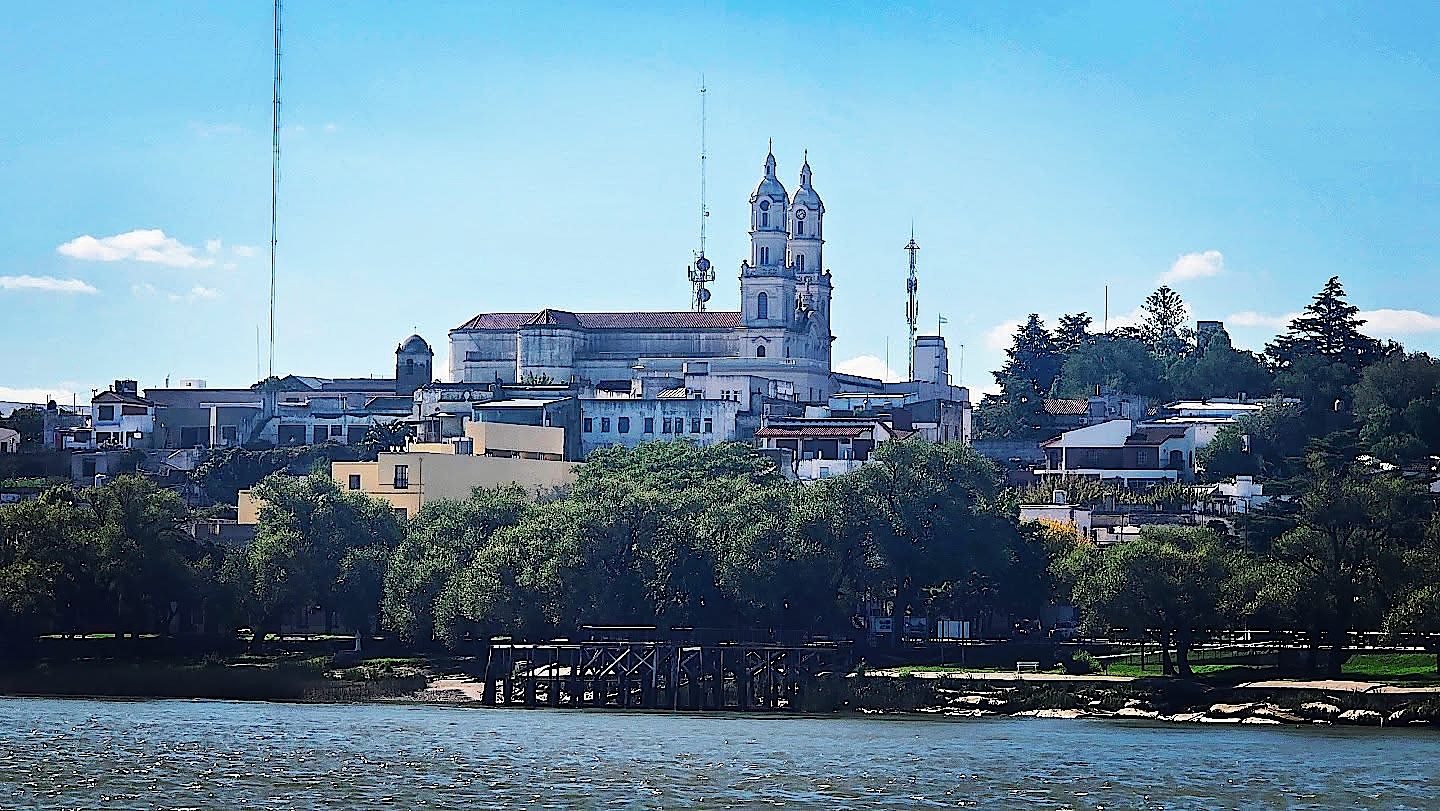
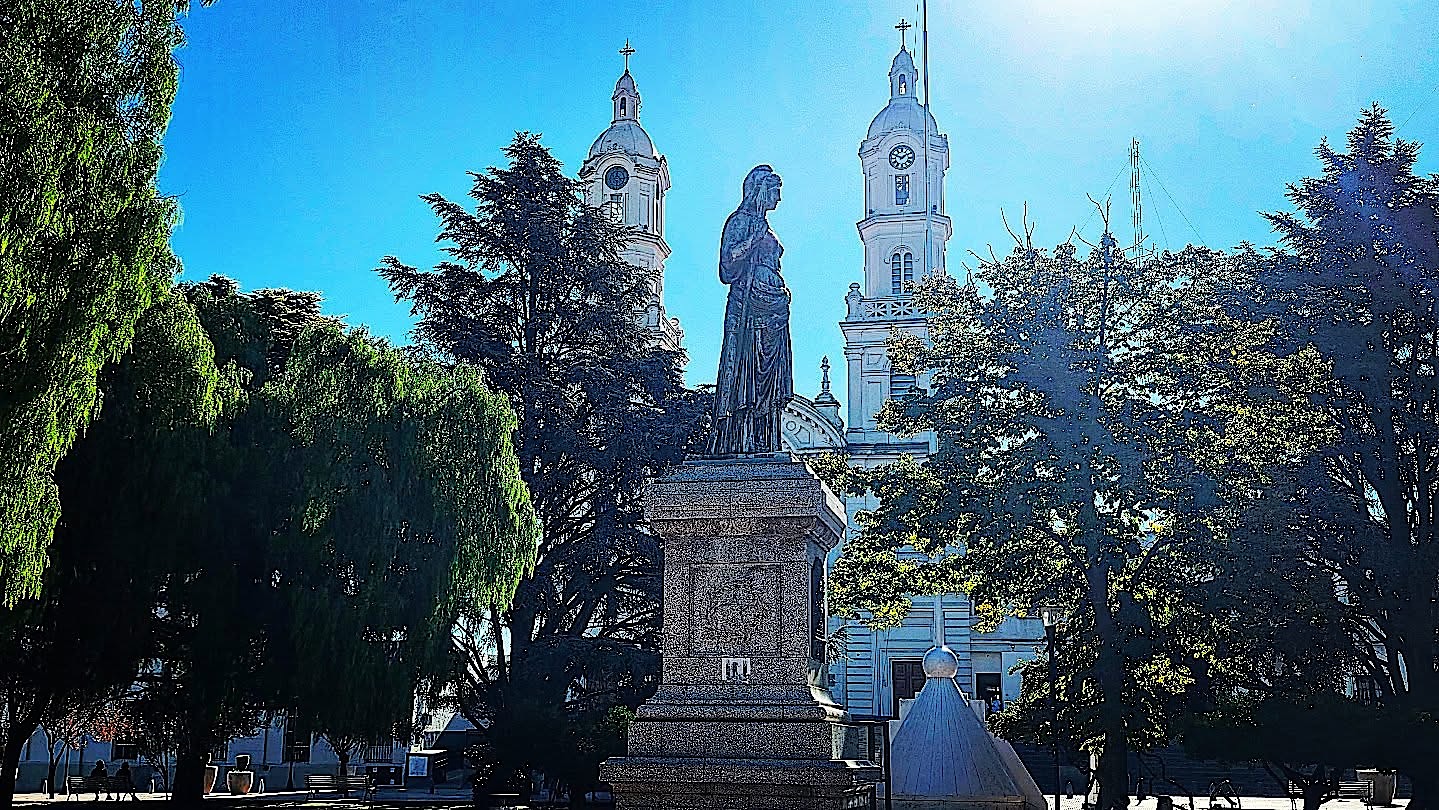
The Río Negro forms the border between Río Negro province and Buenos Aires Province. On its south bank lies Viedma, the provincial capital, and on the north bank Carmen de Patagones, founded in 1779 and the oldest town in Patagonia. From Viedma we looked across the river at its churches on the hill, then crossed over to the old town.
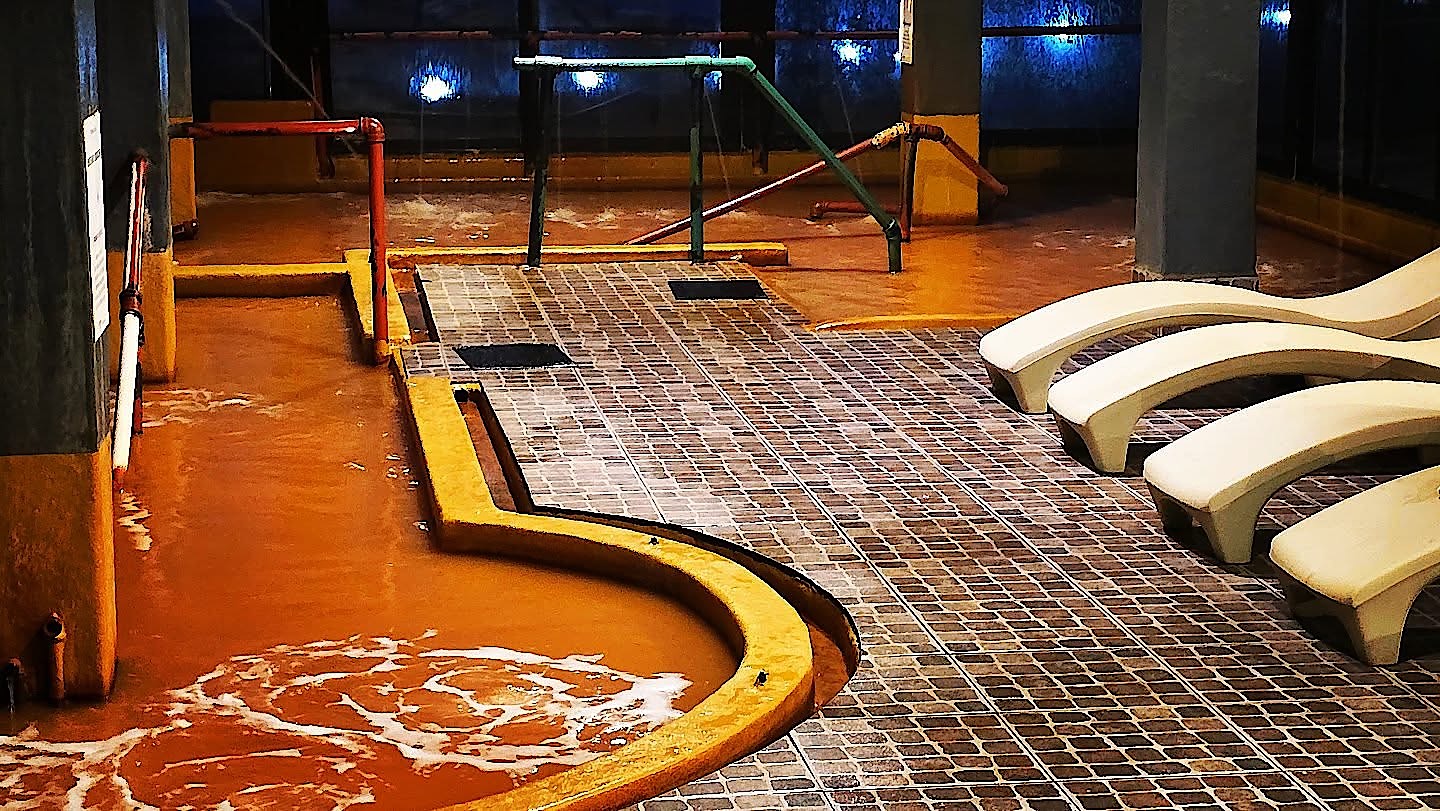
Further north on Ruta 3, near the small town of Pedro Luro, we stopped at the Termas de Luro, proof that Argentina has hot springs too. The water comes from a borehole almost a kilometre deep and turns the pools a rusty orange. It doesn't look enticing, but it was very relaxing.
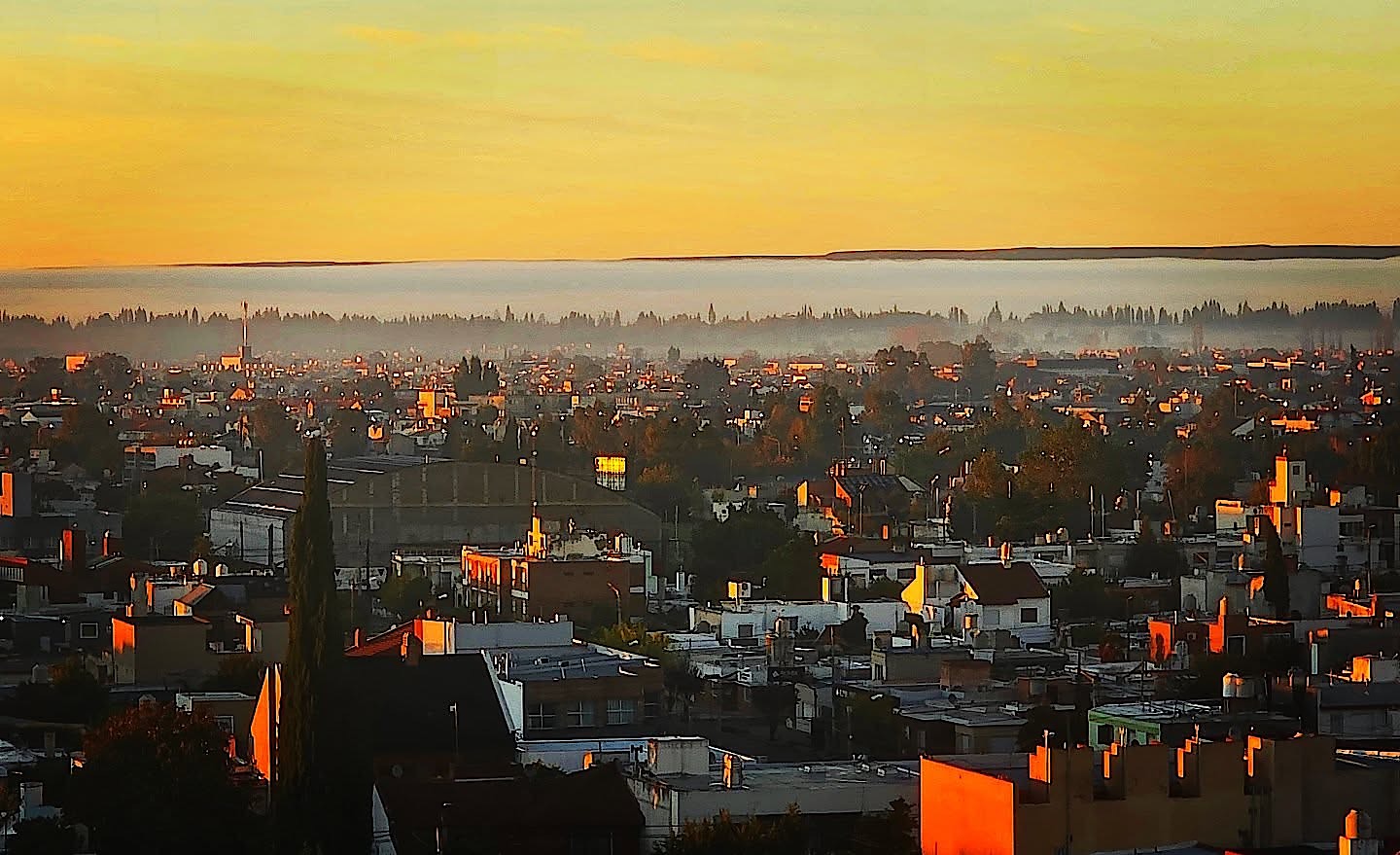
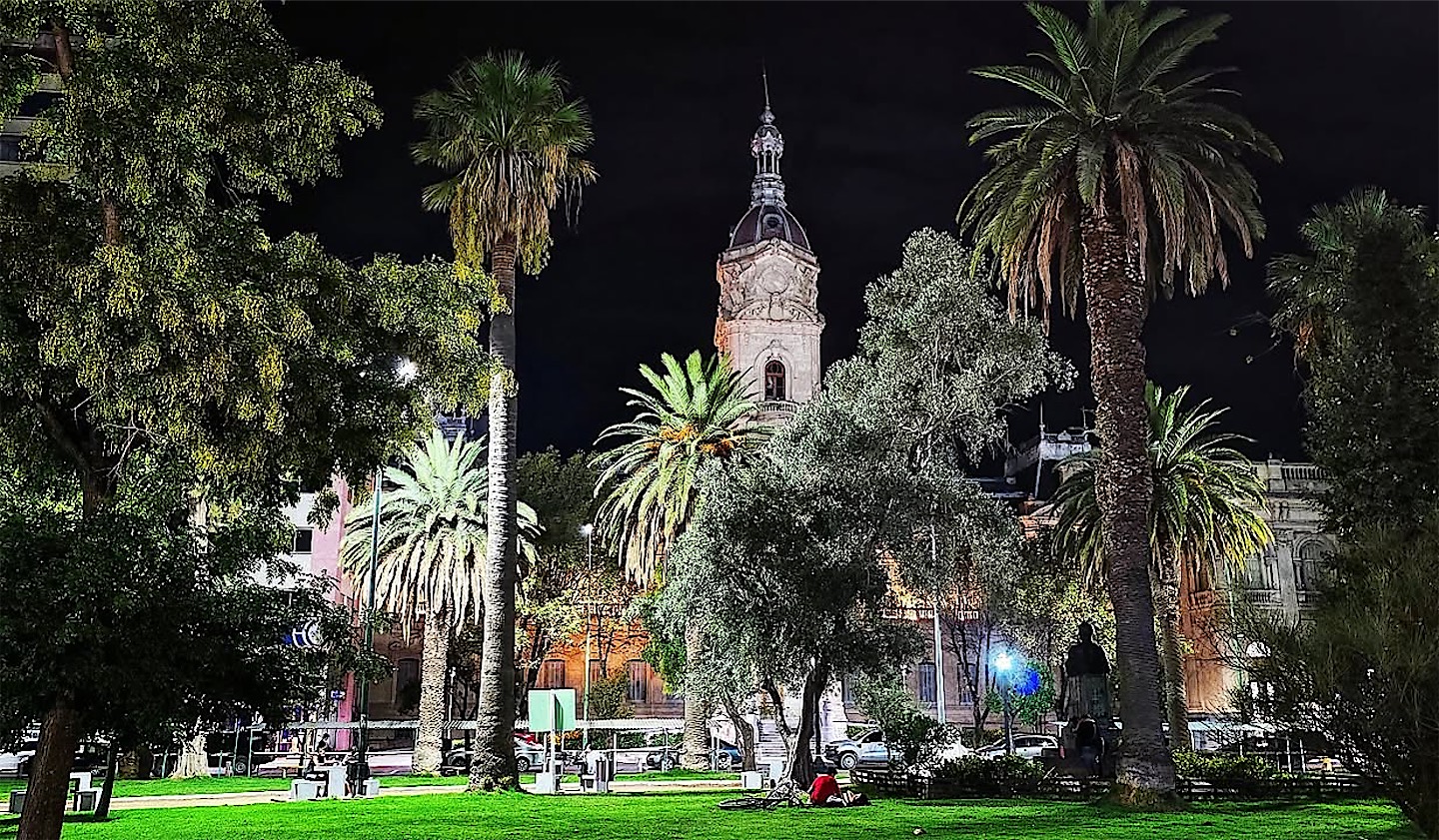
We finished the road trip in Bahía Blanca, an interesting city that very few foreigners probably ever visit. With its grand squares and buildings it felt like a mini Buenos Aires.
From Bahía Blanca I flew to Tucumán for another week of exploring with a friend, driving mainly through the provinces of Tucumán, Salta and Jujuy. That story continues in northwest Argentina.