Sharks Without a Cage: Durban, the Aliwal Shoal and a Wedding in São Paulo
17–23 March 2026 · Cape Town, Durban, Umkomaas, Aliwal Shoal, São Paulo · Regions: South Africa (KwaZulu-Natal), Brazil
After a month at sea and more than 14,000 kilometres on the voyage along the remote coast of East Antarctica, our ship tied up in Cape Town. It felt good to see other people again, and a few seals. The city also felt bittersweet, because sixteen months earlier my last international trip with my late father had started here. I have been to Cape Town many times, so I didn't stay. The next day I boarded my first flight in five weeks, to Durban, for a few days of shark diving before South America.
Bunny chow and the loneliest plant in the world
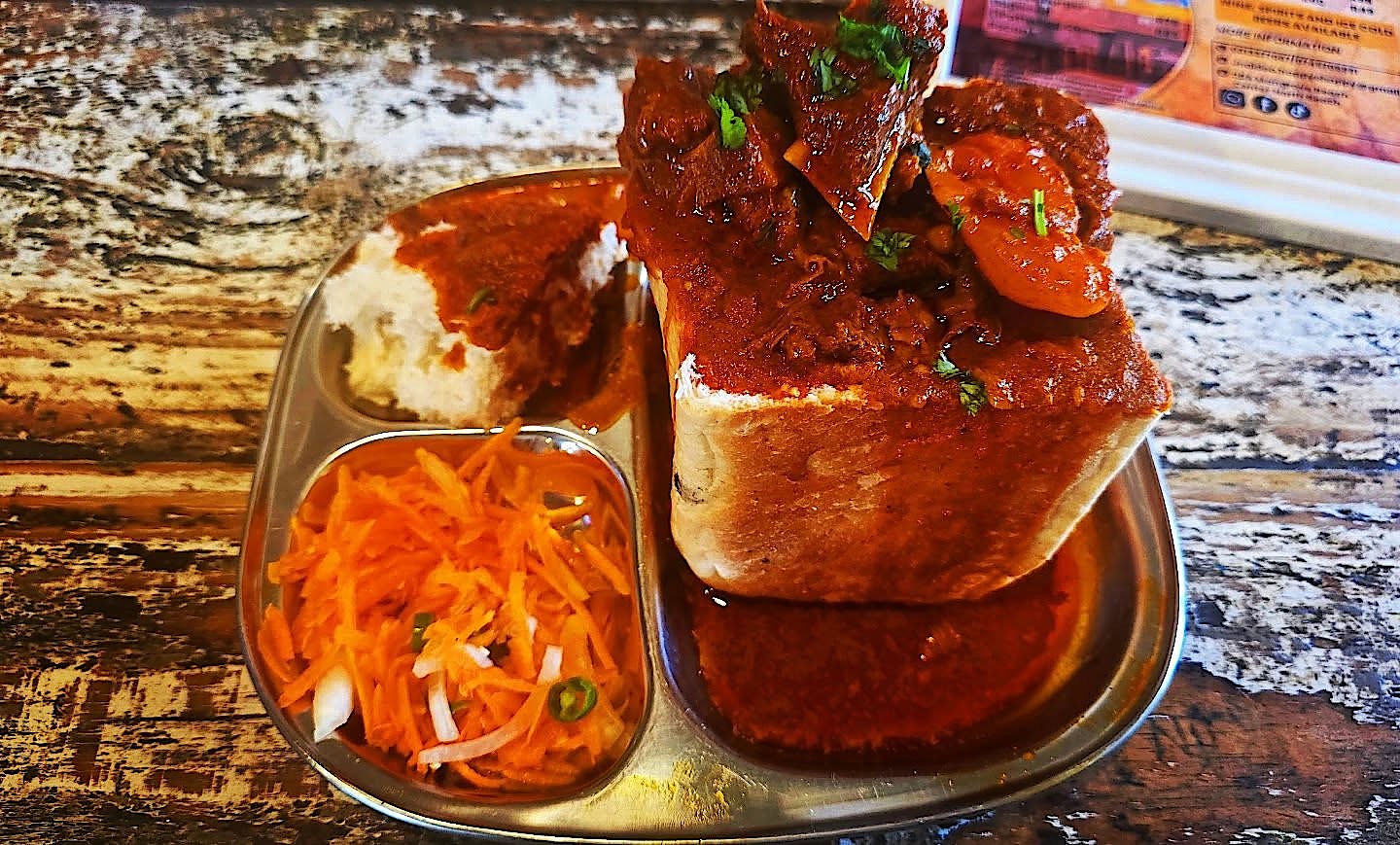
Durban welcomed me with its most famous dish, bunny chow: a hollowed-out loaf of white bread filled with curry, in my case mutton. After a month of excellent but very French food on board, I was more than ready for some heat. The dish comes from the city's large Indian community.
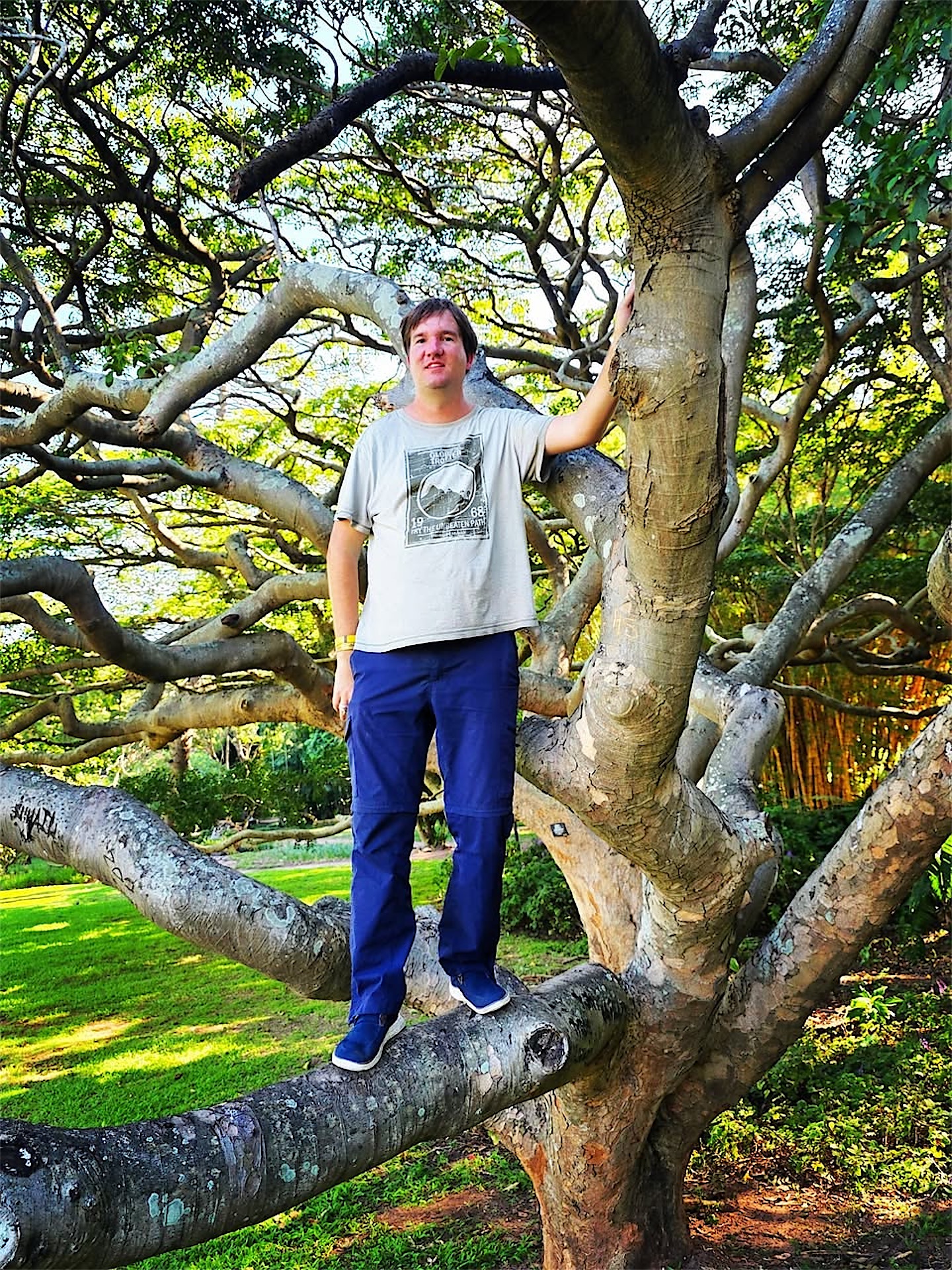
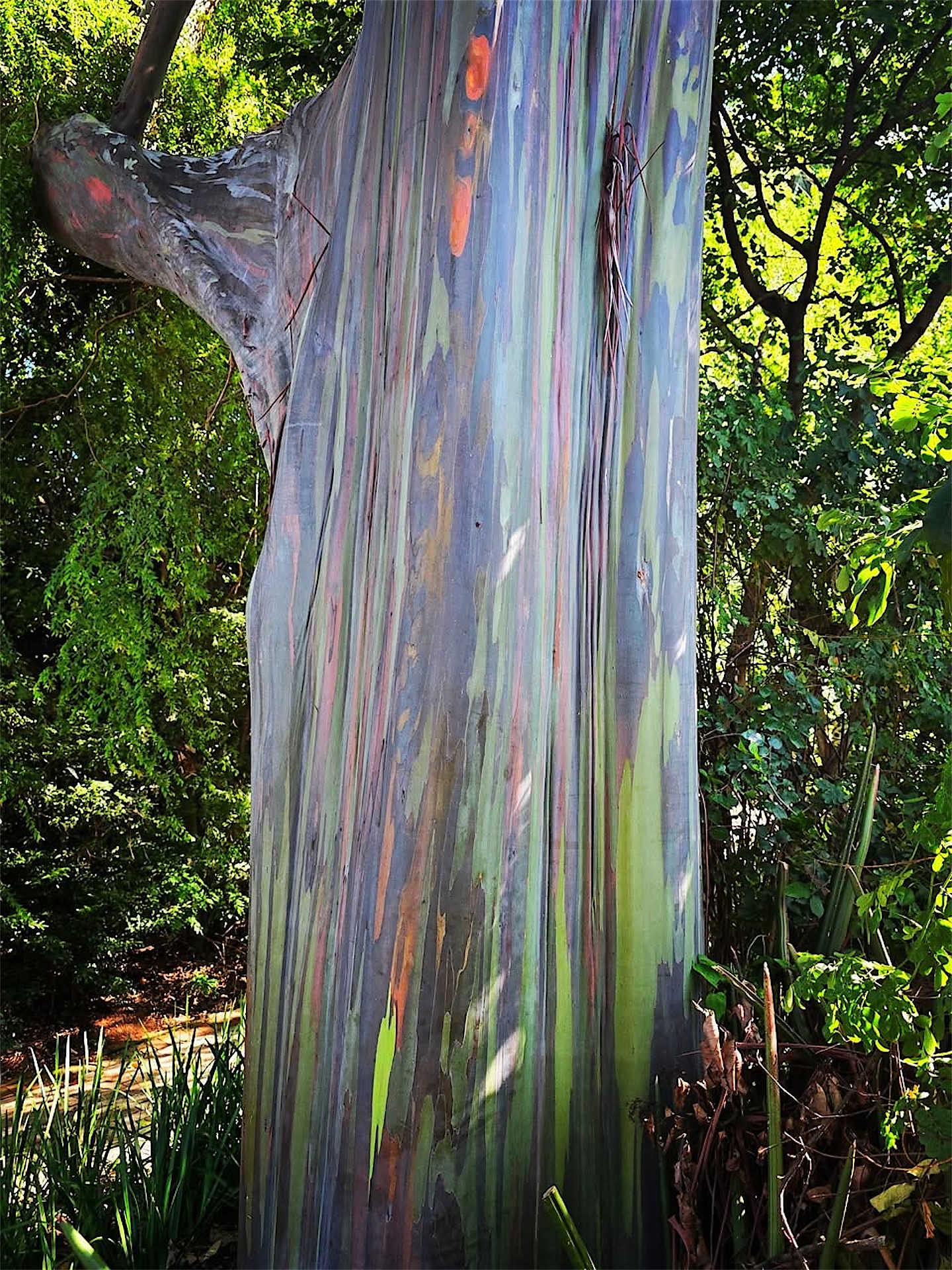
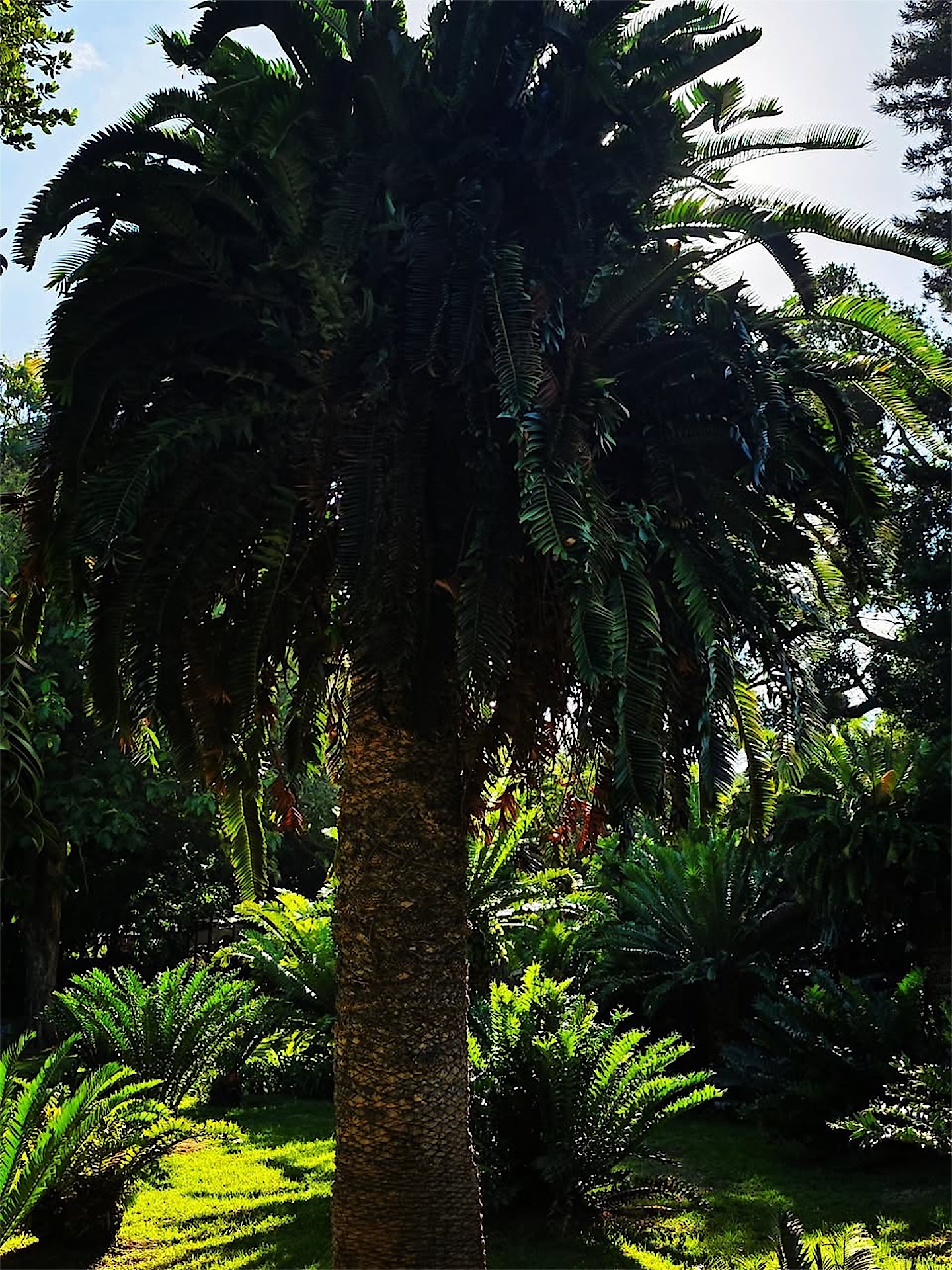
The next morning I walked through the Durban Botanic Gardens, which turned out to be a real pleasure: huge old trees, plenty of unusual plants and some cute monkeys. The garden's most famous resident is a cycad often called the loneliest plant in the world.
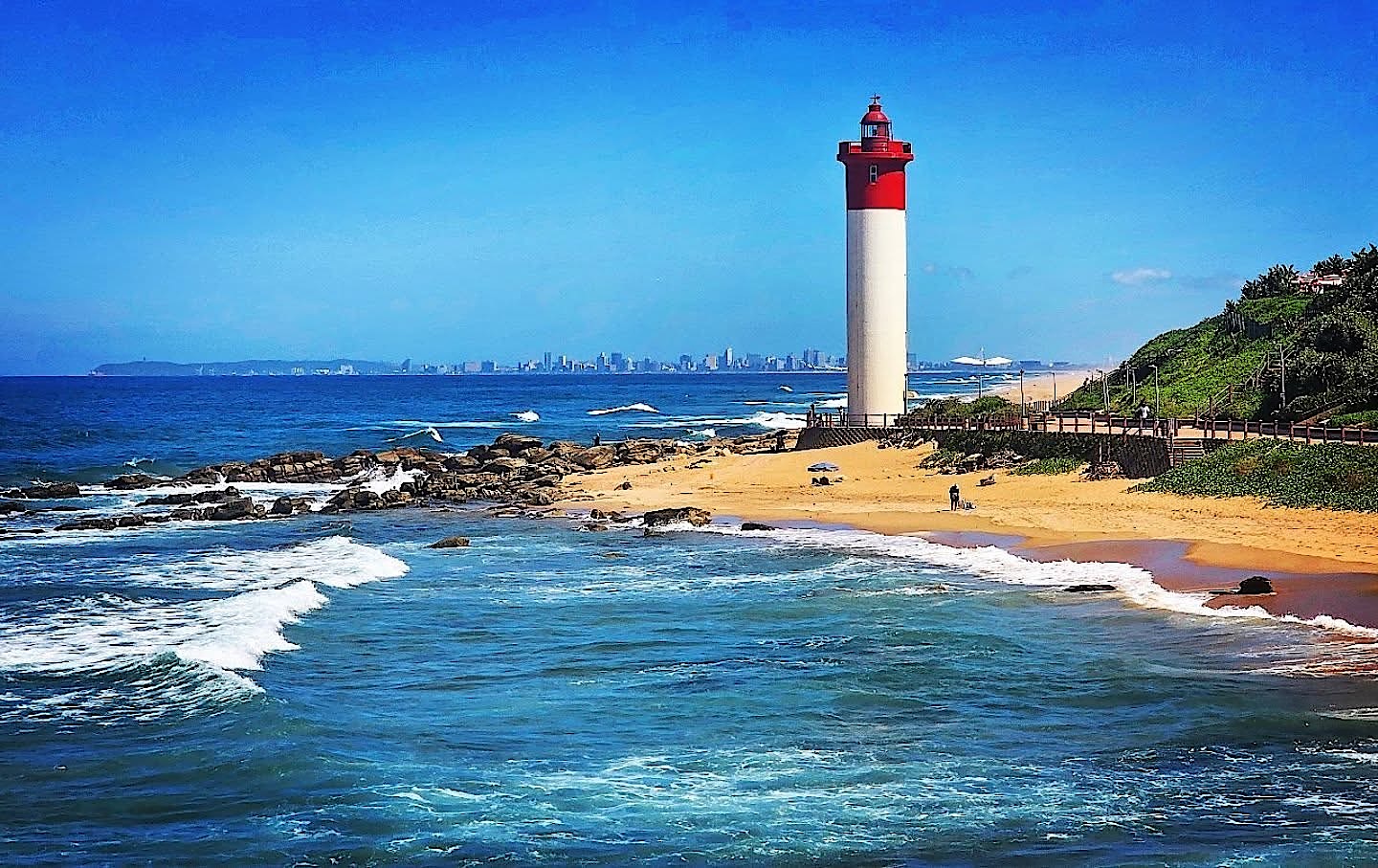
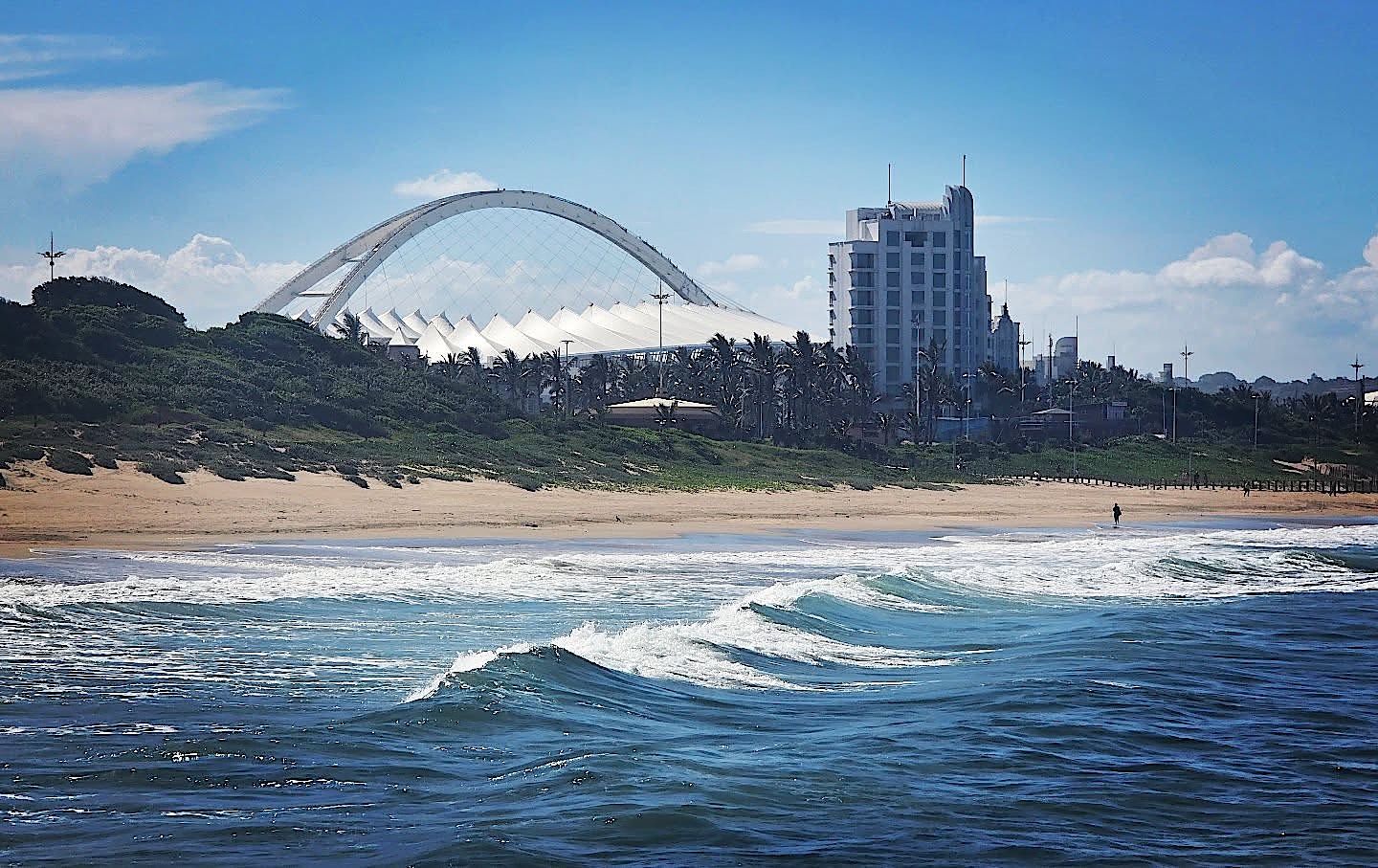
Apart from that, Durban doesn't have much to see, but it does have plenty of good beaches. The arch of the Moses Mabhida Stadium, built for the 2010 football World Cup, rises behind the dunes, and a little further north a red-and-white lighthouse guards the rocks at Umhlanga.
Into the surf at Umkomaas
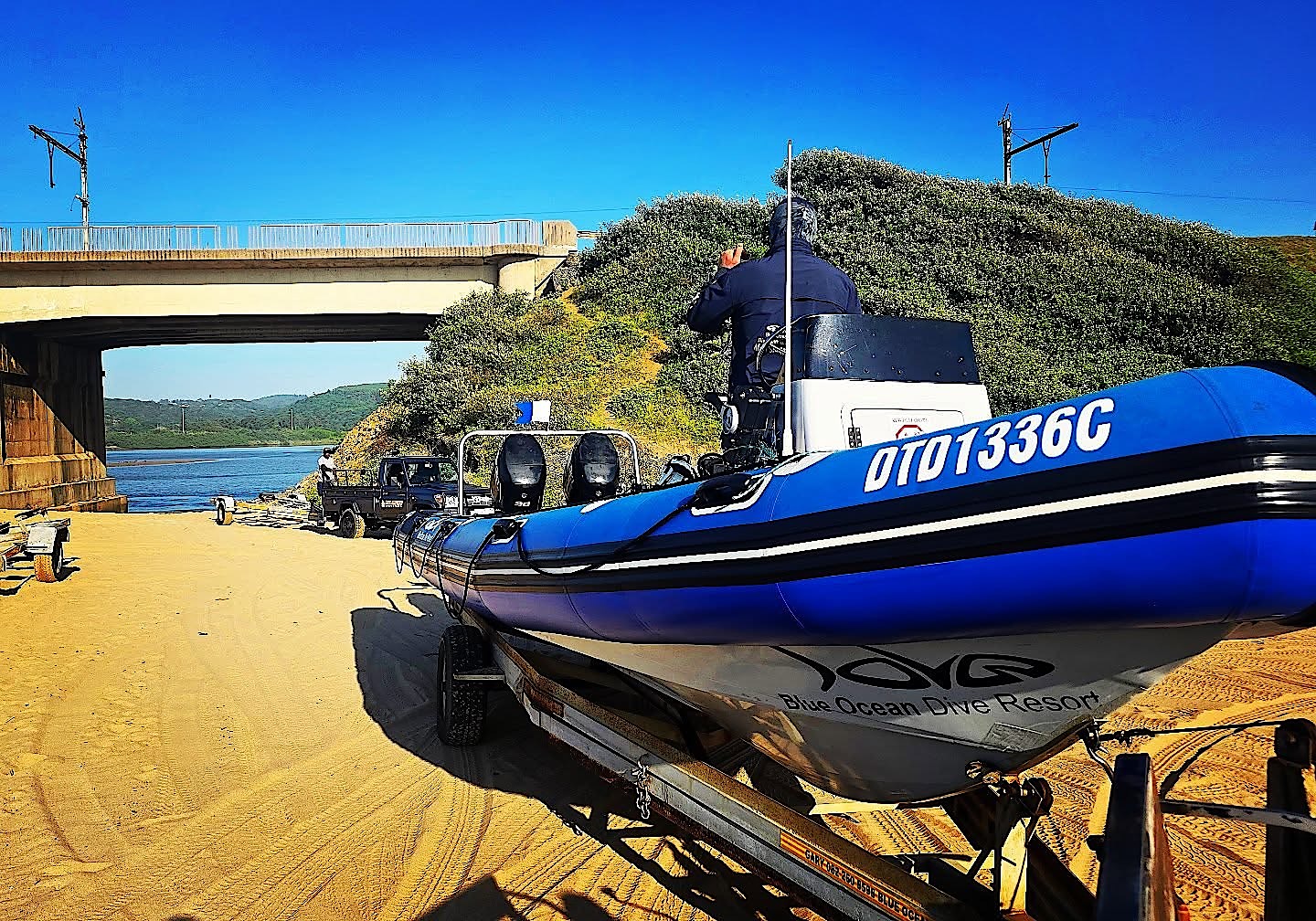
The real reason for the detour lies about 50 kilometres south of Durban, off the small town of Umkomaas at the mouth of the Mkomazi River. Here the adventure starts before you even reach the dive site: the boats launch straight into the heavy Indian Ocean surf, and getting back into the river mouth afterwards is just as exciting.
Raggies on a fossil dune
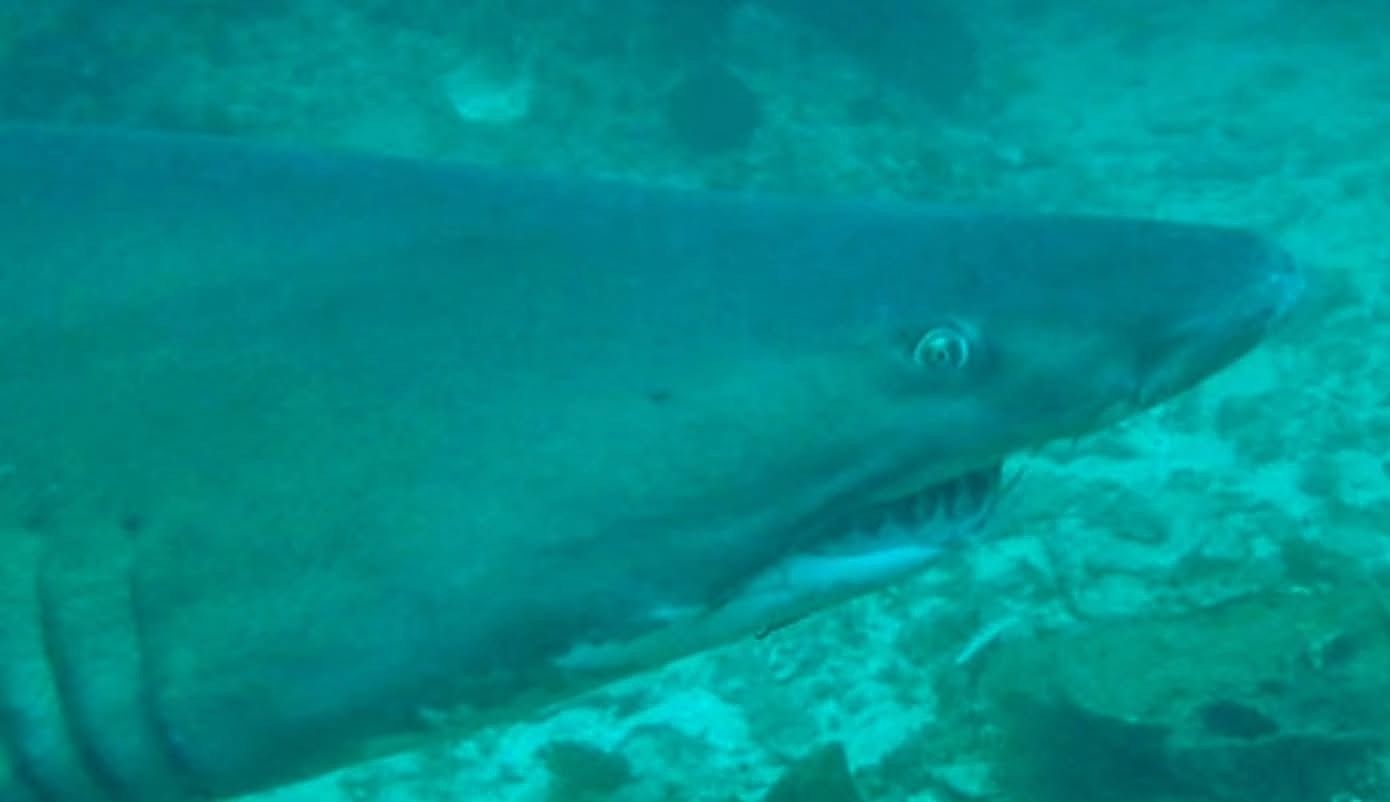
One of the first sharks to come close was a raggie, as South Africans call the ragged-tooth shark. With crooked teeth sticking out in every direction it looks like something from a horror film, but it is actually quite docile.
Face to face with dusky sharks
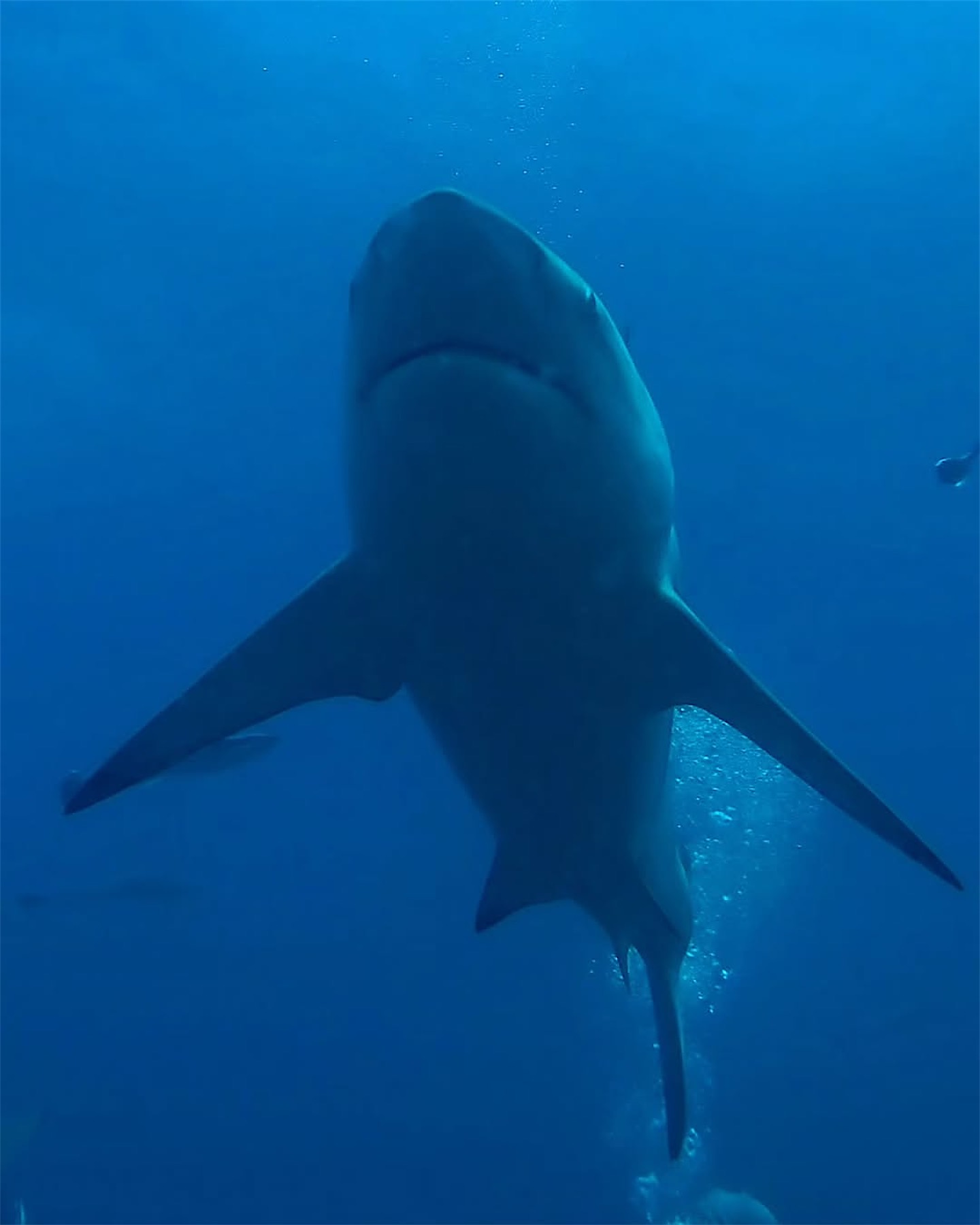
The next day belonged to the dusky sharks. When one of them swims straight at your camera, there is no way to run or hide. No cage, of course: these animals are best appreciated when they almost bump into you. Duskies grow slowly and take many years to mature, which makes them very vulnerable to overfishing. It was another day of hungry sharks, as they only get fed after the dives.
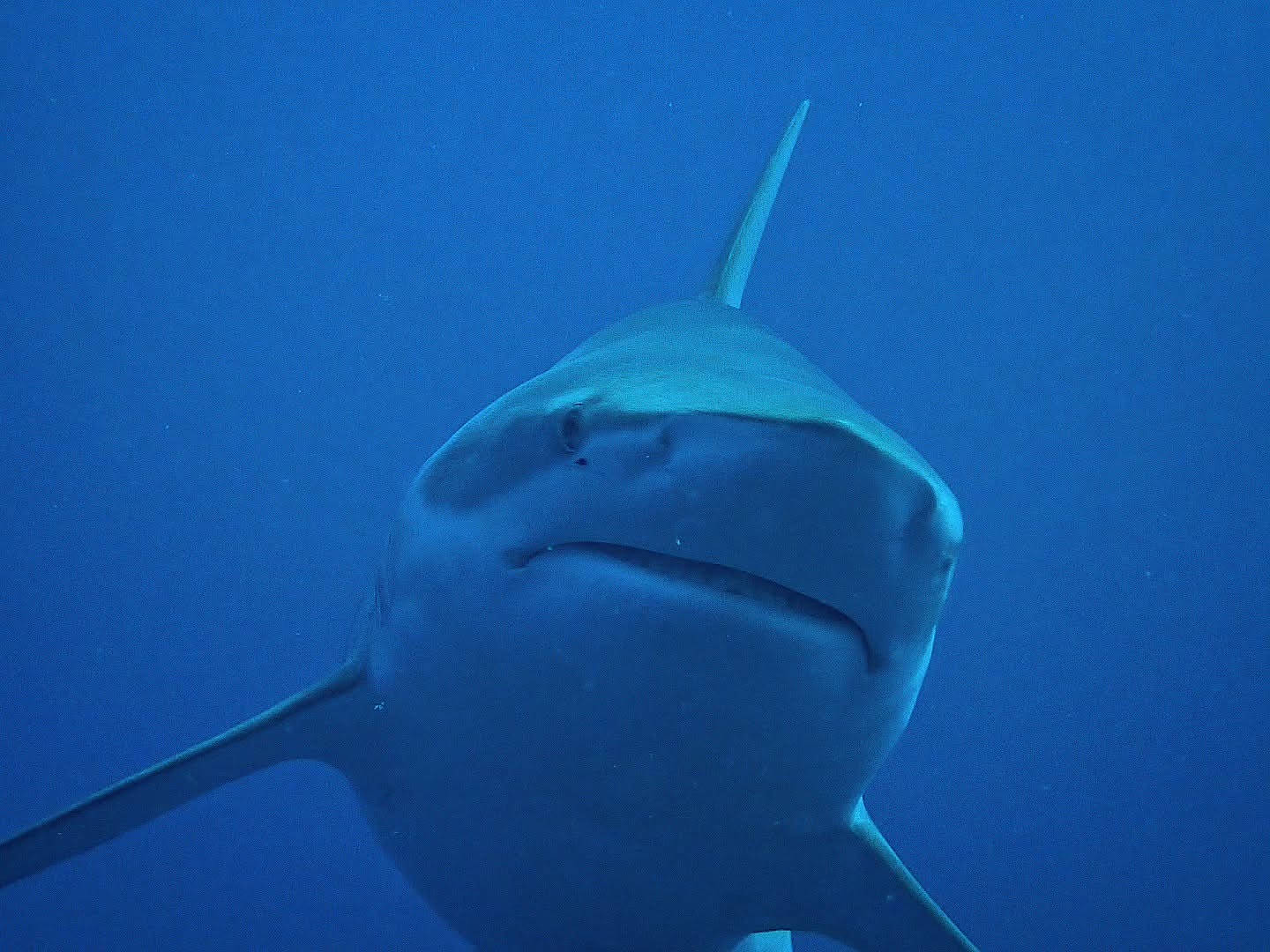
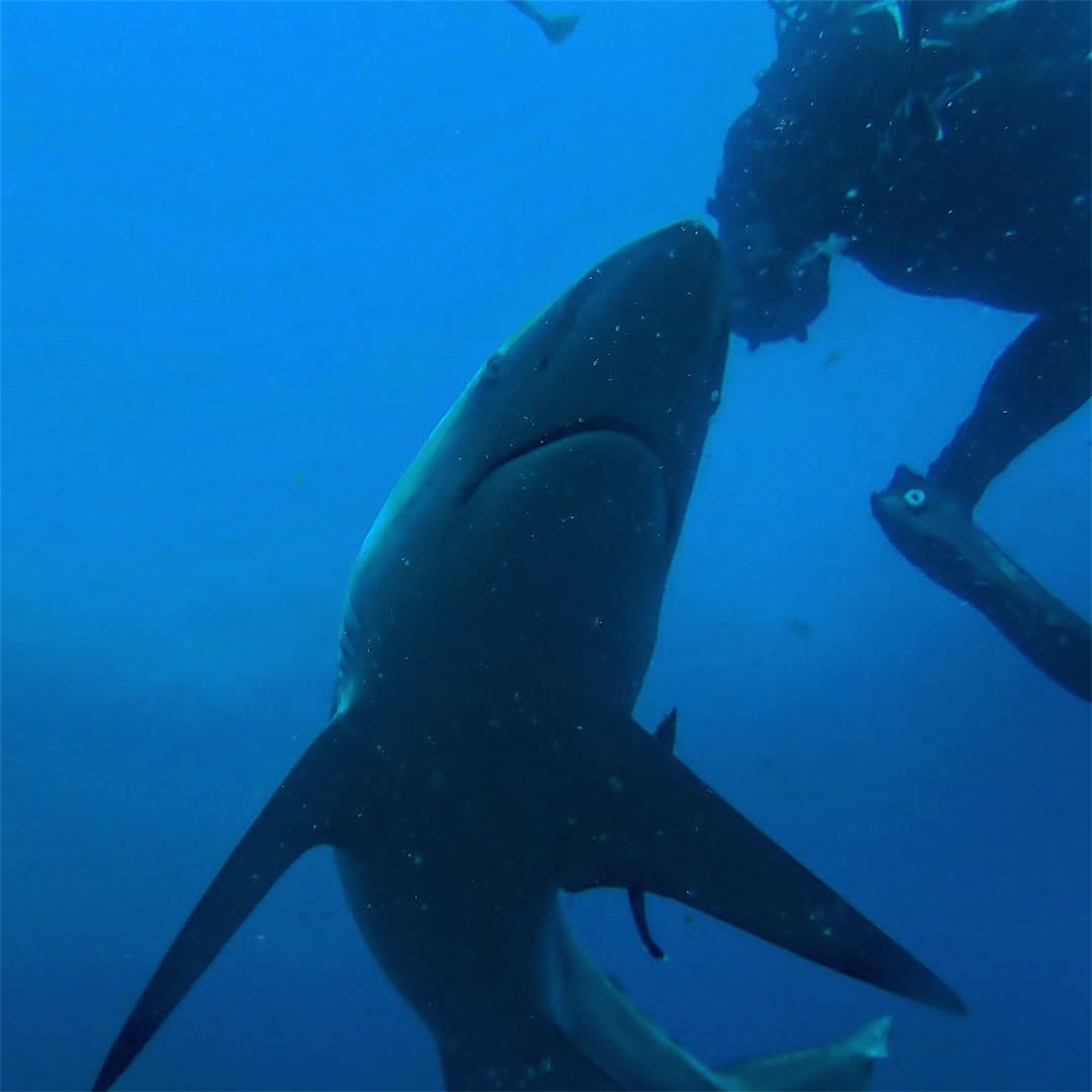
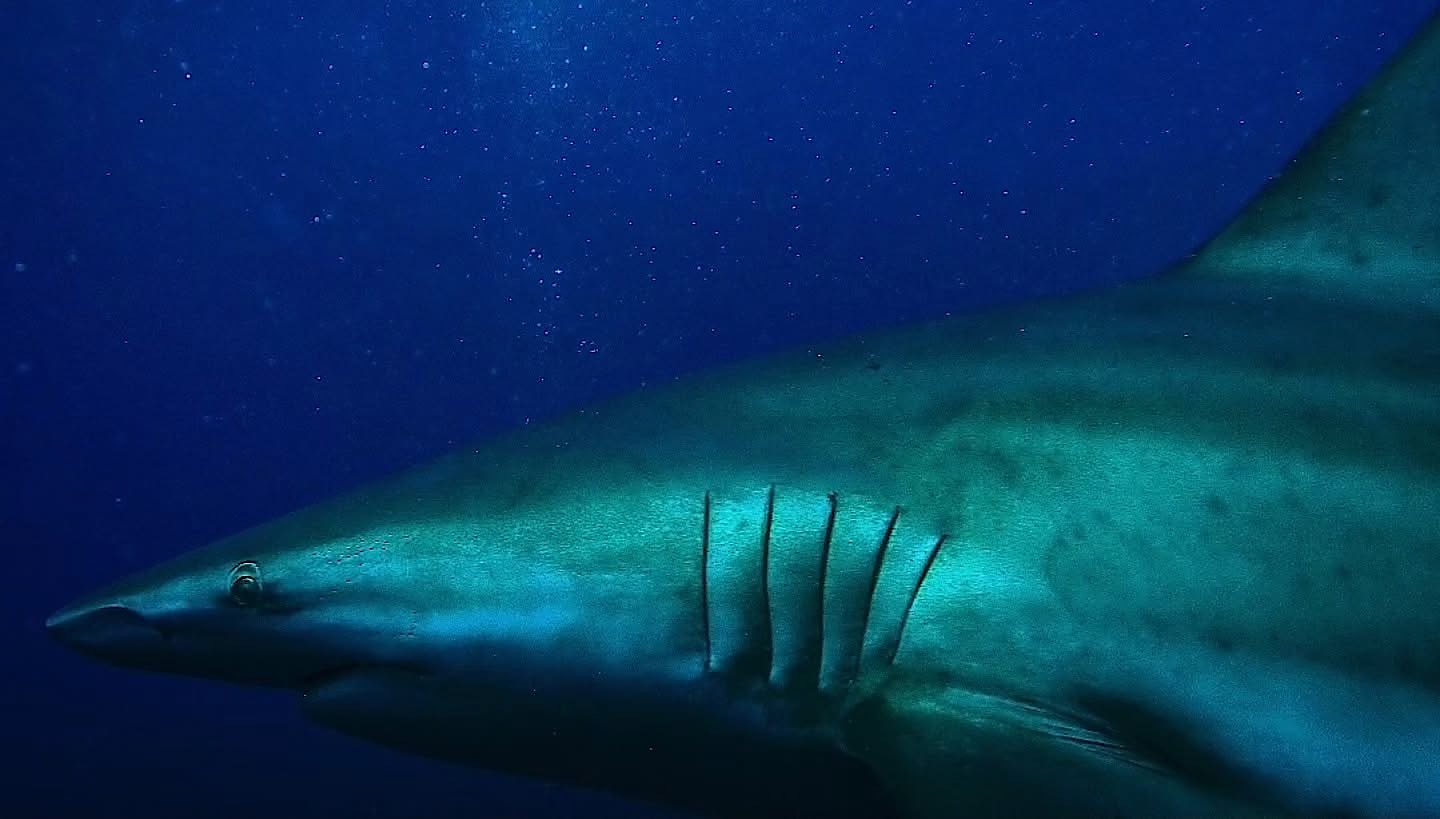
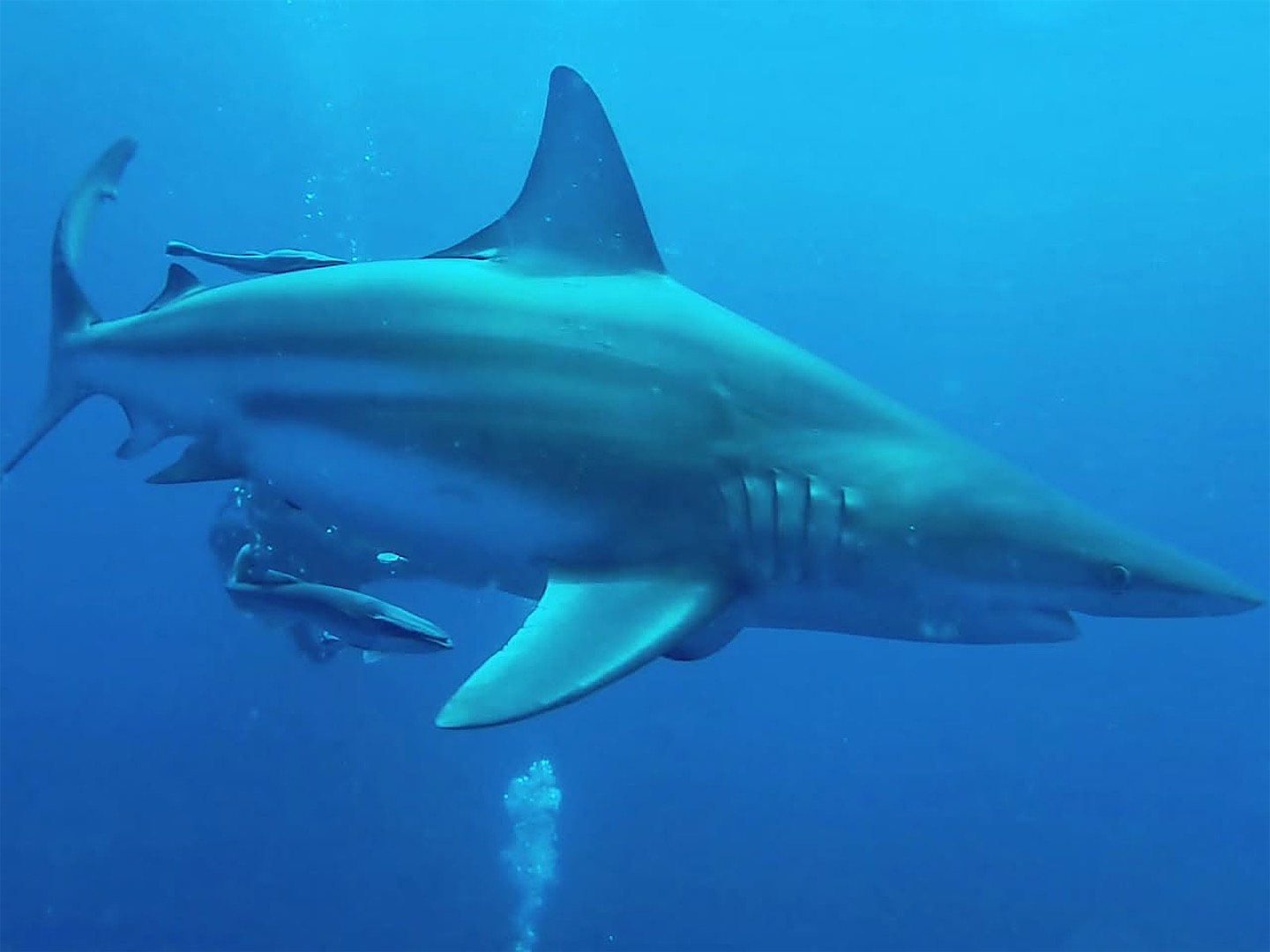
On one dive we had about fifteen oceanic blacktips around us. These are not the small blacktip reef sharks familiar from tropical lagoons, but big, agile animals that came over to inspect the strange bubble-making creatures in their water.
More than sharks
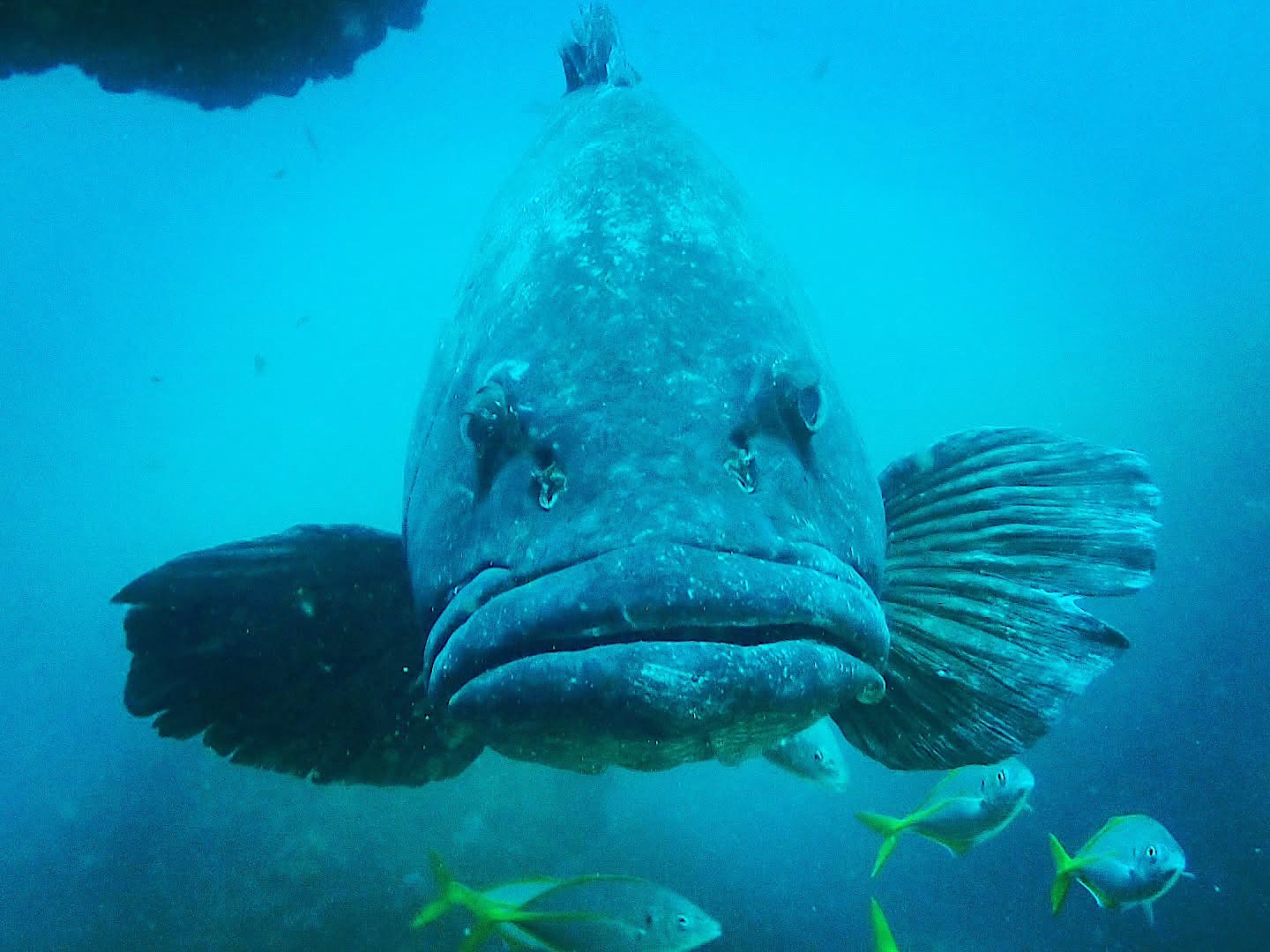
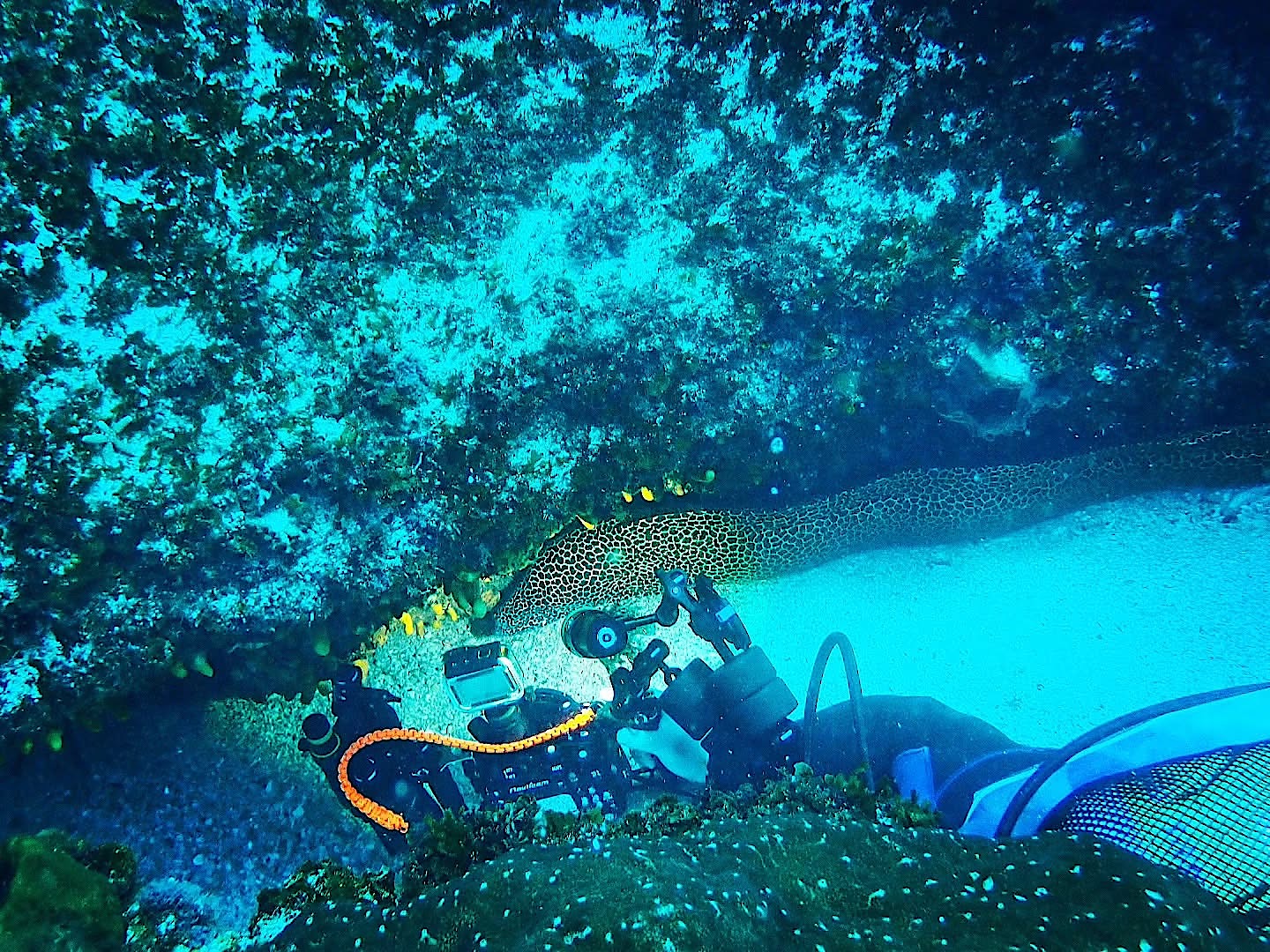
In the end I did eight dives in 30 hours. The conditions were challenging, but so far the Aliwal Shoal is my favourite. Some underwater photographers in my group were just as happy with the rest of the reef: a huge moray eel between the rocks, a big grouper with a grumpy face, a flatworm for the macro fans and a loggerhead turtle resting on the reef.
On one dive a bull shark appeared. Bull sharks count among the most dangerous sharks and can even swim far up rivers, but in clear ocean water they tend to be shy. With a whitetip reef shark, that made five shark species in one short visit. It may not look like it in the photos, but diving here without a cage is perfectly safe, and even snorkellers can join.
A wedding in São Paulo
Then it was time to change continents again. I flew to São Paulo for a wedding in a church in Vila Clementino, the first of five weddings I am invited to this year. Before moving on, I spent some time around Avenida Paulista, where murals cover entire façades.
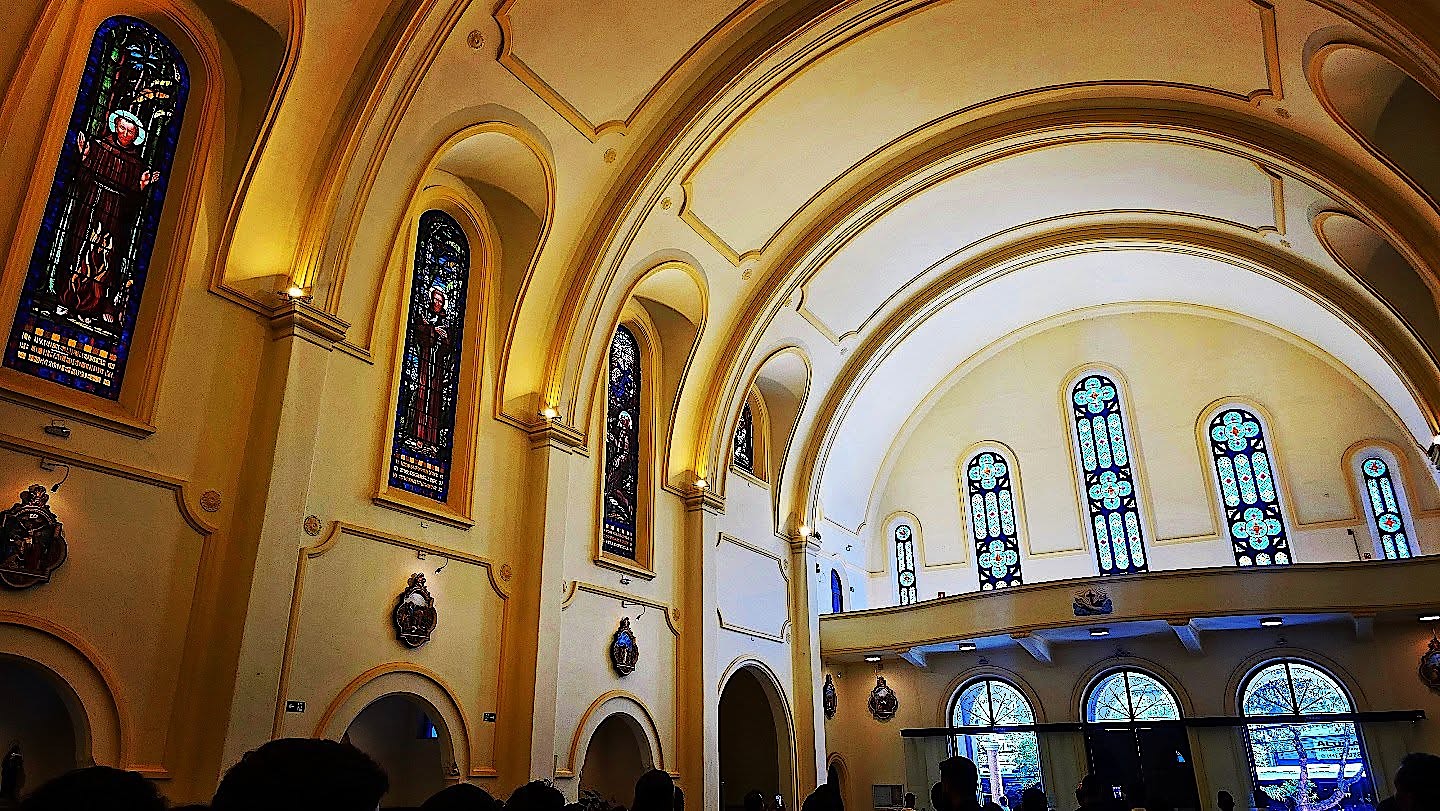
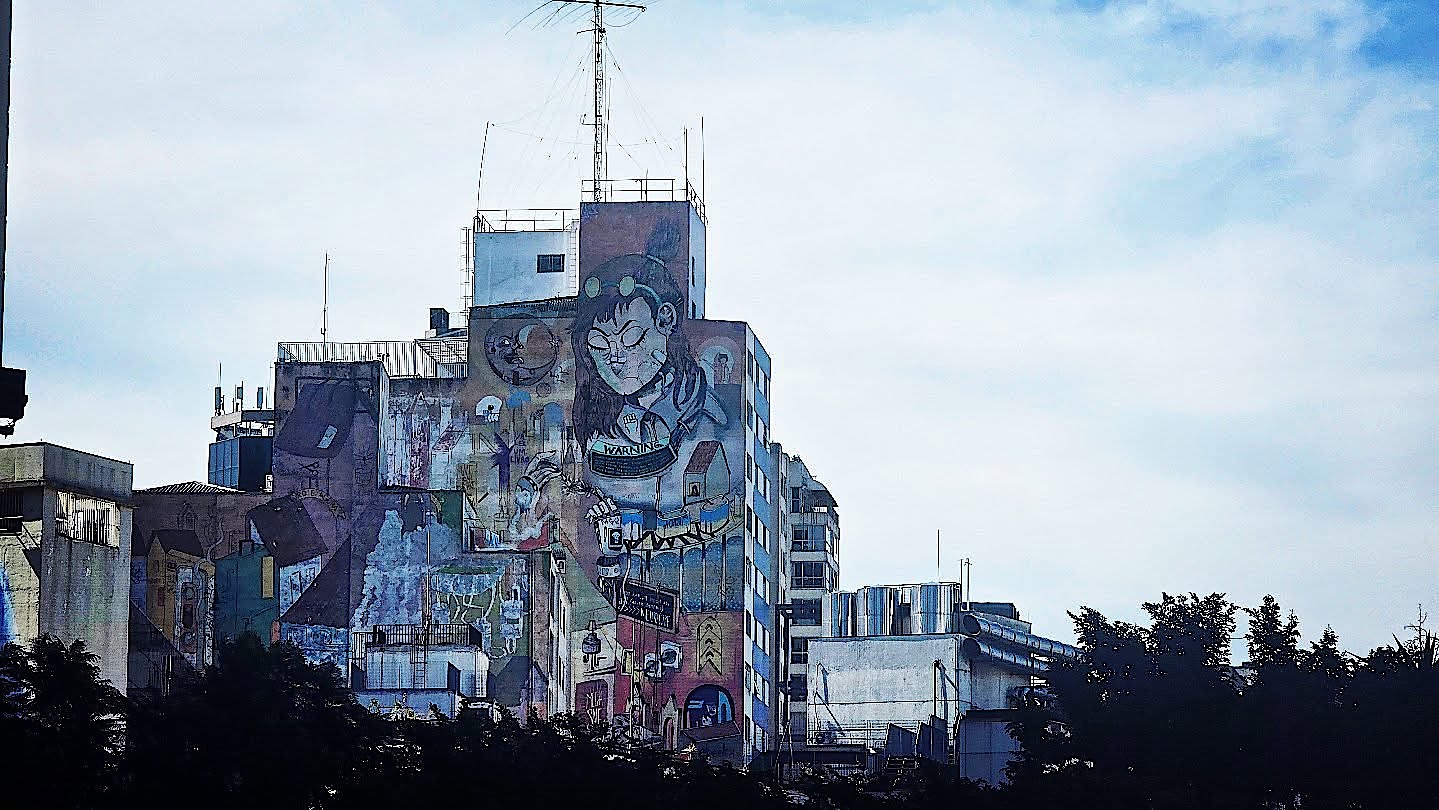
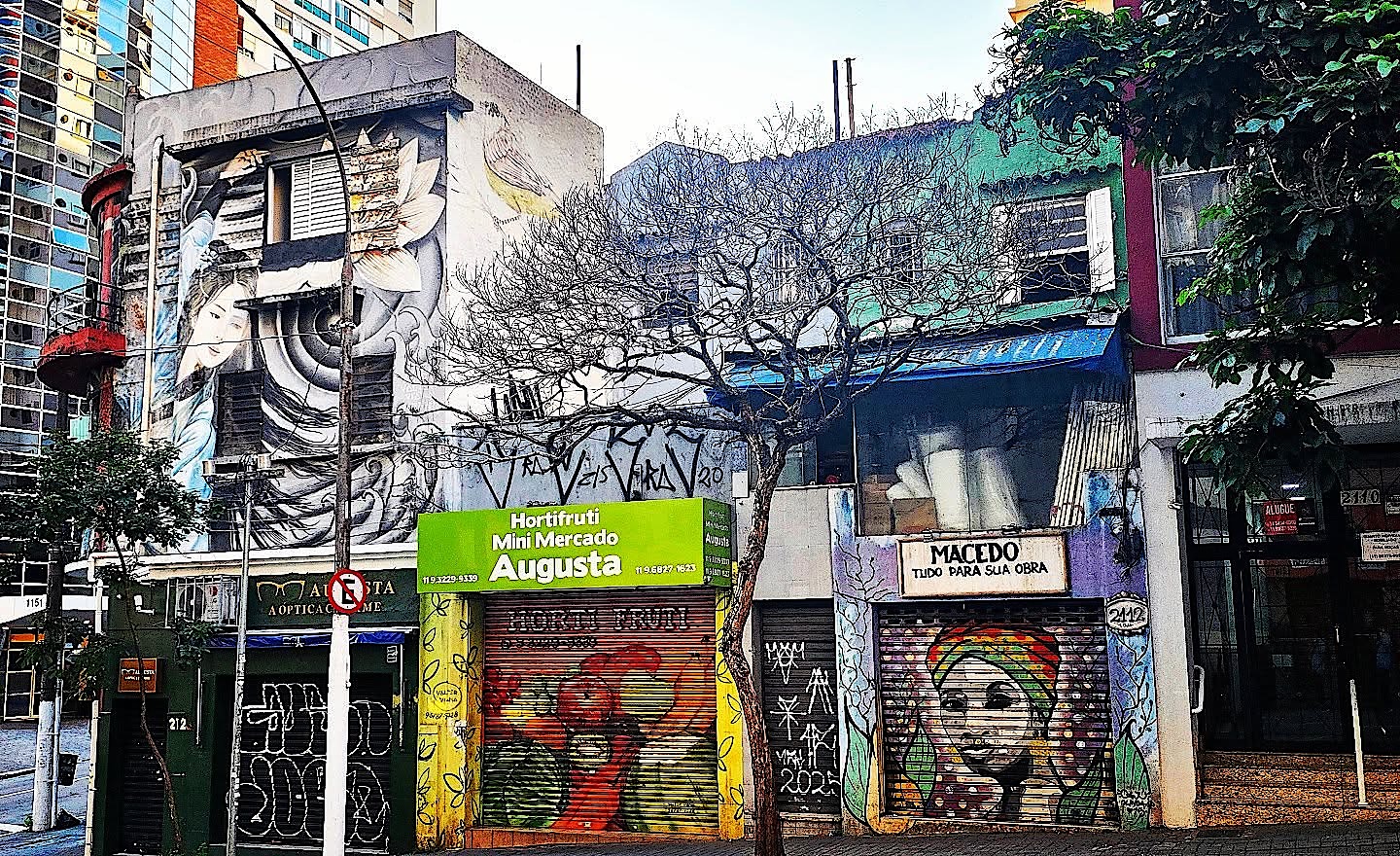
From Guarulhos airport I took the night flight to Trelew for two weeks in parts of my favourite Argentina that I hadn't seen yet, including the Península Valdés, where killer whales hunt sea lions right on the beach. That story continues in coastal Patagonia and Península Valdés.